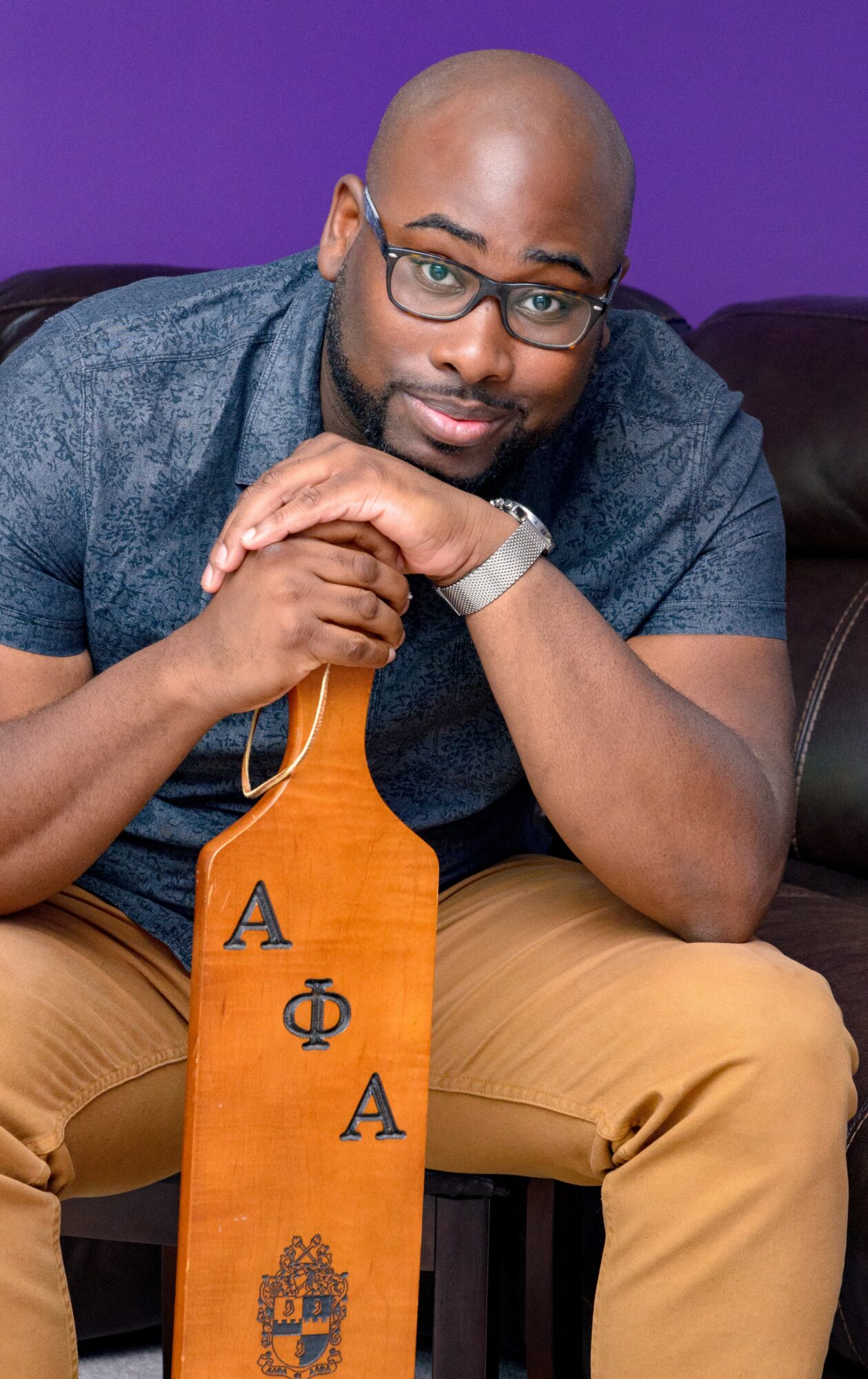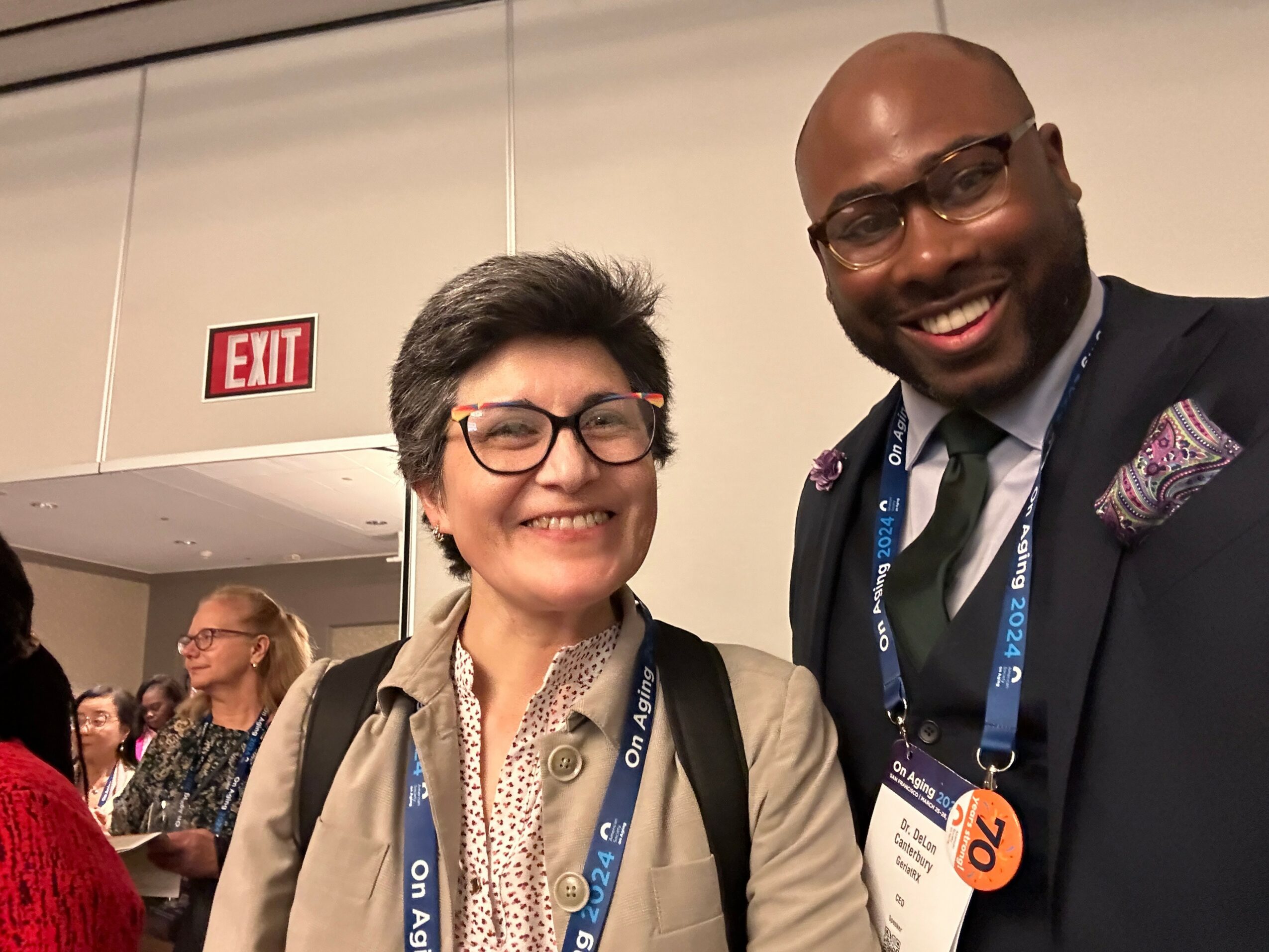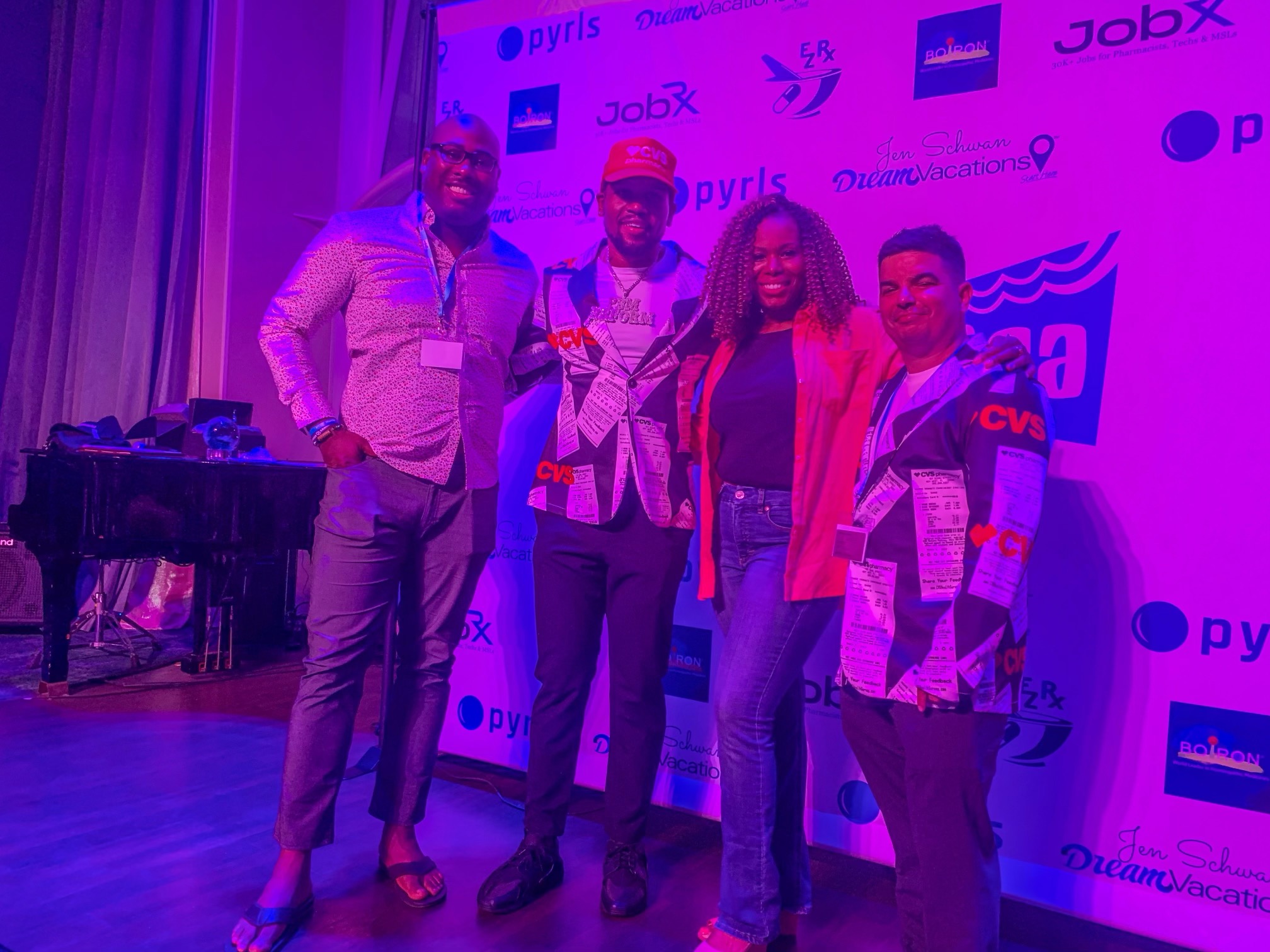





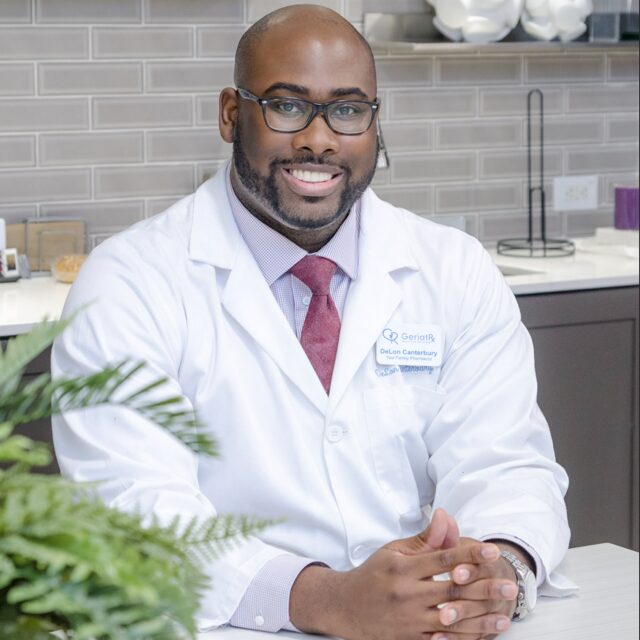
Today we’d like to introduce you to Dr. DeLon Canterbury.
Dr. DeLon, we appreciate you taking the time to share your story with us today. Where does your story begin?
The Catalyst: A Grandmother’s Struggle
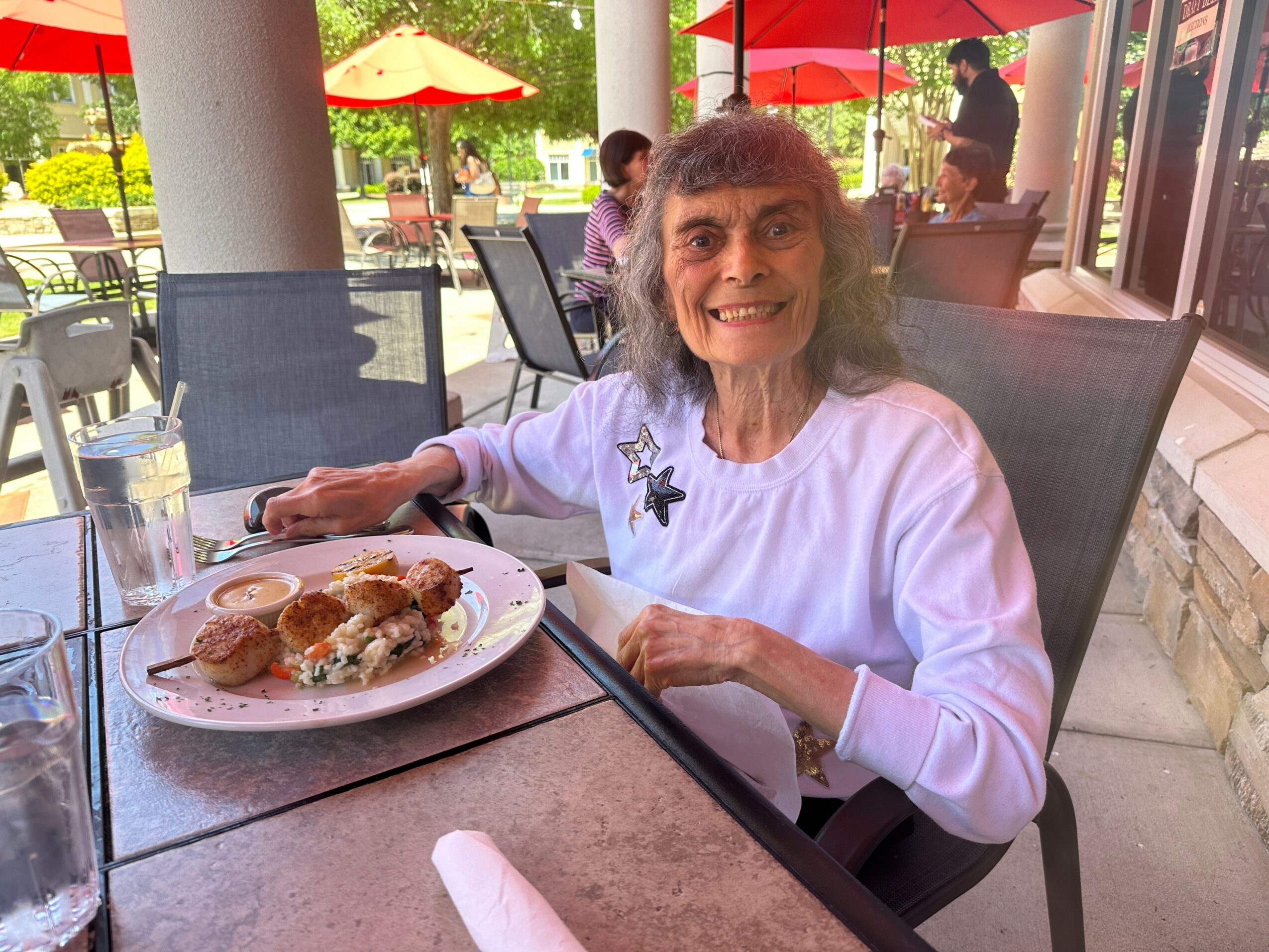
Dr. DeLon Canterbury’s mission didn’t begin in a classroom or hospital—it began in the most personal way possible. His grandmother, Mildred, became the unwitting victim of a system that failed her. Living with mild dementia in an assisted-living facility, she was prescribed Ziprasidone, a powerful sedative with a Black Box Warning for elderly patients with dementia.
“For months we kept wondering why granny seemed more out of it and was declining with her cognition,” Dr. Canterbury recalls. The decline was devastating—Mildred wandered, hid valuables like dentures, and her memory loss accelerated. His parents had to uproot her from Brooklyn to Atlanta, taking her into their home to manage her deteriorating condition.
The turning point came during a routine medication refill when a vigilant community pharmacist noticed the dangerous prescription. This pharmacist didn’t just dispense pills—they advocated, calling Mildred’s doctor and orchestrating a deprescribing plan. Within weeks of tapering off the medication, Mildred returned to her baseline self. She lived to see 90 years old, passing away on Dr. Canterbury’s last day of pharmacy school. “She lived to see 90 years old because of this pharmacist,” he said. Deprescribing Research
This preventable experience didn’t just frustrate Dr. Canterbury—it ignited a fire.
The Foundation: A Career Built on Service
Since graduating from the University of North Carolina Eshelman School of Pharmacy in 2014, Dr. Canterbury had already dedicated himself to serving low-income and rural populations across Henderson, NC, and the Raleigh-Durham Triangle. He understood early that medication adherence wasn’t just about access—it was about having someone in your corner, providing motivation and support. GeriatRx
But Mildred’s experience crystallized his purpose: no other family should endure the confusion and hardship his family faced.
The Vision: GeriatRx is Born
This commitment led to the founding of GeriatRx—a concierge deprescribing telehealth service that treats patients and families like family. As both founder and CEO, Dr. Canterbury, PharmD, BCGP, provides direct advice to patients, caregivers, and care teams, identifying high-risk medications and developing personalized “Deprescribing Action Plans.”
The First Victory
GeriatRx’s first patient was a 70-year-old woman drowning in medications—36 prescriptions involving prescribing cascades, polypharmacy, and duplicate therapies. Her daughter described her as a “walking zombie” with severe memory loss and oversedation, eating more medications than actual food each day.
Working collaboratively with her primary care physician, Dr. Canterbury strategically tapered her medications from 36 to just 8 over two months—and eventually down to only 3. The transformation was miraculous. This intervention saved the patient from conservatorship and involuntary commitment to a memory care unit, allowing her to age gracefully at home with her daughter. The financial impact alone? Over $500,000 in nursing home costs saved.
“This renewed my passion for pharmacy, patient advocacy, and geriatric care,” Dr. Canterbury stated, “and inspired me to provide this service to more patients across the country!”
The Mission Expands: Breaking Barriers
Dr. Canterbury’s work extends beyond individual consultations. He’s pioneering deprescribing research with a health-equity lens, particularly focusing on underserved communities. Through partnerships with Duke CERI and AME Zion HEAL, he received a $5,000 mini-grant for the first-ever African-American focused deprescribing initiative using faith-based communities and precision medicine.
His current pilot study, “Addressing Deprescribing within AME Zion Faith-Based Communities with Multiple Chronic Conditions,” aims to bridge healthcare gaps where they’re often widest.
He also created the Deprescribing Accelerator, a 12-week coaching program teaching senior-facing clinicians how to leverage, monetize, and implement deprescribing for overmedicated older adults.
The Philosophy: Freedom to Advocate
“Providing a concierge service allows me to build meaningful relationships with all of my patients and caregivers, where several medication errors get unearthed,” Dr. Canterbury explains. “This is undoubtedly the happiest I’ve ever been in my career and personal life, where I am free to give objective, thorough, comprehensive, and life-saving advice that directly improves quality of life for both my patients and caregivers.”
The Legacy: From Loss to Hope
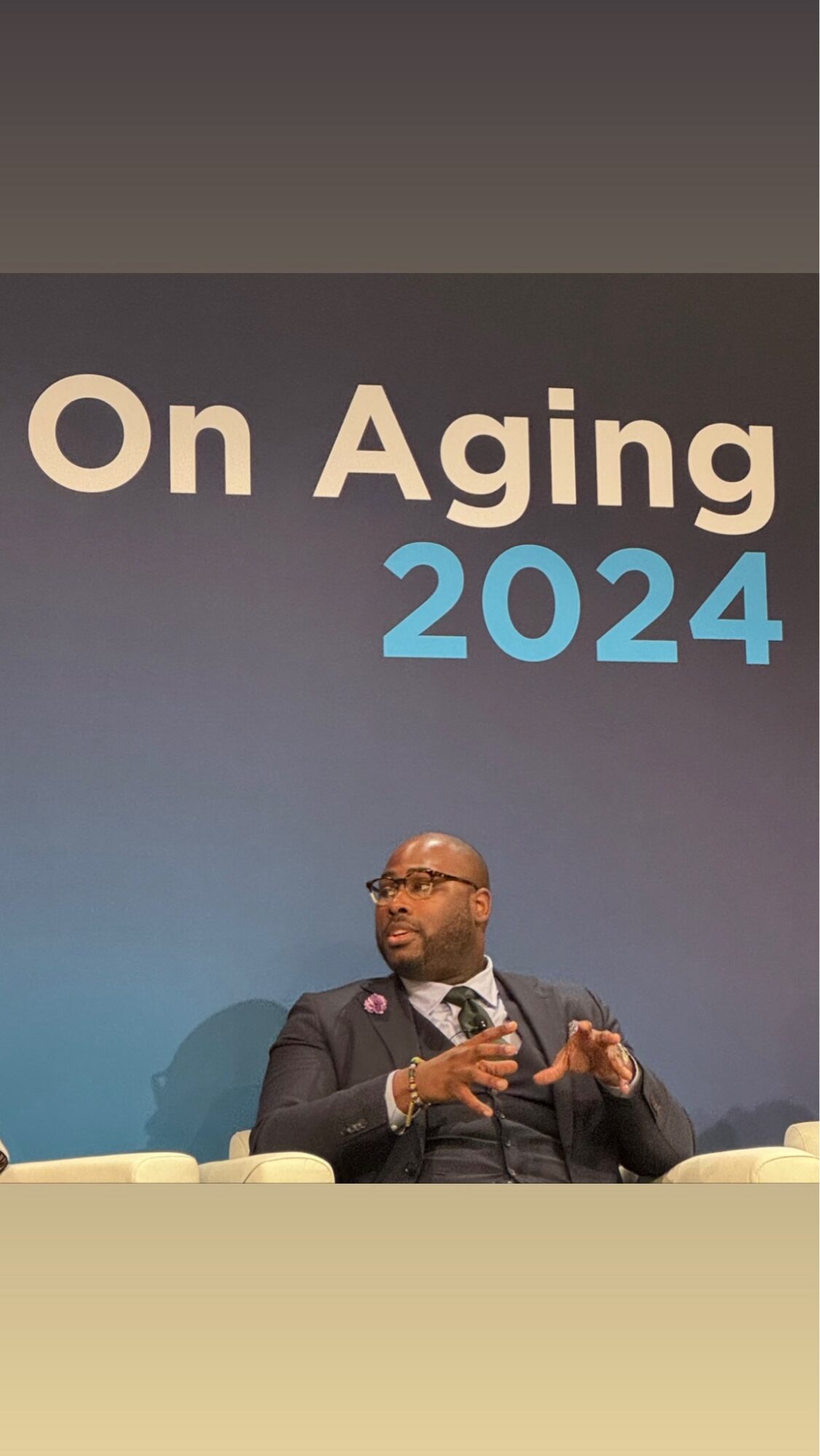
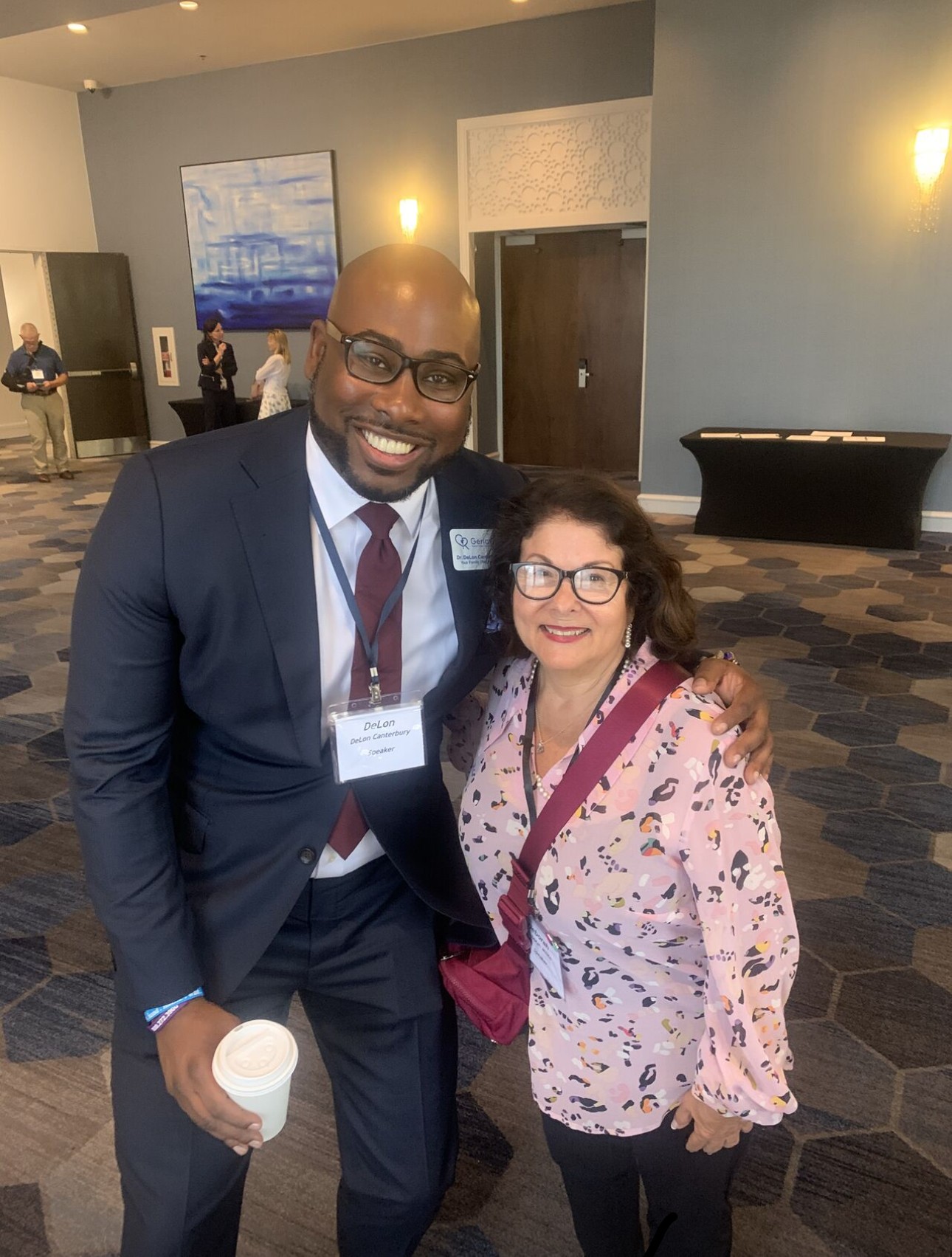
Dr. DeLon Canterbury transformed personal tragedy into a movement. What began with his grandmother Mildred’s struggle has become a national platform for medication safety, advocacy, and compassionate care. As a national speaker and leading voice in deprescribing, he’s ensuring that the pharmacist who saved his grandmother’s life becomes not an exception, but the standard.
GeriatRx isn’t just a service—it’s a promise: that every older adult deserves a trusted health professional who treats them like family, and that every caregiver deserves a knowledgeable advocate in their corner.
“She died my last day of pharmacy school, but lived to see 90 years old because of this pharmacist.” — Dr. DeLon Canterbury
Can you talk to us a bit about the challenges and lessons you’ve learned along the way. Looking back would you say it’s been easy or smooth in retrospect?
Look, I’m gonna keep it 100 with you. When I started GeriatRx back in 2020, I didn’t know what the hell I was doing. I just knew people needed concierge pharmacists, and no one was doing it the way families and caregivers needed. So I said, “All right, let’s just do it.”
But man, the obstacles I faced? The beliefs that held me back? Let me break it down for you because if you’re thinking about following this path, you need to hear the real, unfiltered version—not the Instagram highlight reel.
OBSTACLE #1: I Grossly Underestimated How Much Providers Actually Need Our Help
In the beginning, I was afraid. I wasn’t confident enough to walk into physician offices and highlight the work I’d done. I’d only had a couple patients, and I felt like, “Who am I to be doing this?”
But here’s what I learned: Providers desperately want deprescribing. They want warm, fuzzy outcomes for their patients. They just don’t know how, and they don’t have the time, bandwidth, or capacity.
The Truth: It took me until last year—like a year and a half into this—to really get confident communicating my value to providers and patients. Fear and ego were holding me back.
My Advice: Don’t underestimate your worth. You’re already the drug expert. Providers love pharmacists. Team-based care is the future. Stop being afraid—they want your help.
OBSTACLE #2: I Wasn’t Specific Enough About My Audience
I was all over the damn place. Was I the dementia guy? The opioid deprescribing specialist? The pharmacogenomics expert? I tried to be everything to everyone, and guess what? That confused my potential clients.
One day I was deep diving into dementia because of my grandma Mildred. The next I was rolling out pharmacogenomics for behavioral health. Then I was doing fall risk assessments. I was a generalist trying to do it all at 80% instead of one thing at 100%.
The Truth: If you confuse your clients, they won’t buy. Period.
My Advice: Niche down. Pick your deprescribing audience. Are you focusing on fall risks? Dementia? Opioids? Be specific. You can pivot later, but start with one thing and own it.
OBSTACLE #3: I Thought It Was All About the Med Review (It’s Not)
Naive me thought: I’ll do this comprehensive medication review, find all the inappropriate meds, create a deprescribing plan—boom, patient gets better!
Wrong. SO wrong.
It’s way more than the med list. It’s about:
Education – Most patients have NO IDEA what their lab values mean, what their conditions are, or why they’re on these meds. No one has sat down to actually explain it.
Psychological attachment – Some patients have been on meds for 20-30 years. There’s a medication mindset we need to shift.
Social barriers – Is this patient choosing between food or pills? Do they have transportation? Housing insecurity?
Caregiver dynamics – If a caregiver sleeps next to their husband with Parkinson’s who has night terrors, they’re going to want him medicated so they can sleep. That changes everything.
Readiness assessment – Are they actually ready to be deprescribed? Do they have buy-in?
The Truth: 80% of this work is continuous education and addressing the whole person—not just stopping meds.
My Advice: Use a patient-centered approach. Align with their personal goals. Ask: What matters most? What preserves their mobility, their mentation, their quality of life? Treat the whole person, not just the medication list.
OBSTACLE #4: I Grossly Undersold My Services (And It Almost Broke Me)
This one hurt. My third patient—a 70-year-old man on dialysis with chronic kidney disease, diabetes, heart failure, on 14-18 meds. Six-month contract. I charged $2,000 total. That’s like $333 a month.
I did EVERYTHING for this man:
Comprehensive medication reviews
Weekly check-ins on blood sugar, blood pressure, weight
Got him enrolled in a dual Medicare-Medicaid plan, saving him $200/month on dialysis transportation
Connected him to a food program, saving him $500/month on groceries
Worked directly with his doctor on medication adjustments
Coached him on lifestyle changes, sleep hygiene, exercise
I was saving this man $700/month and probably prevented a hospitalization worth at least $10K.
But two months in? I was exhausted. I didn’t want to do the work anymore. I started tanking energetically.
At the end of the contract, you know what his family member told me? “You should have charged more.”
That hit me like a ton of bricks.
The Truth: When you undersell yourself, you can’t show up energetically for your patients. It’s not just about the money—it’s about the energetic exchange. If you’re undervalued, you’ll burn out.
My Advice: Don’t undersell yourself. If you stop one hospitalization, you’ve saved that patient at least $10K. Charge for that value. This is high-level, life-saving work. Price it accordingly. You’re a consultant, not a $60/hour employee.
OBSTACLE #5: I Didn’t Understand the Market Demand (And How to Communicate It)
In the beginning, I thought I could just say, “Hey, if you’re on 20 meds, talk to me—I can get you off some with your doctor’s supervision.”
Nope. Not enough.
There’s a massive educational gap. Most people don’t even know what deprescribing is. They don’t know what polypharmacy means. They’ve been brainwashed by the medication mindset that pills are the only way to heal.
So I spent A LOT of time in the beginning just educating around the problem:
275,000 people die each year from preventable medication harm
750 seniors are sent to the hospital each day because of medications
We spend $528 billion each year as taxpayers on preventable medication harm
African Americans have the highest death rate—20 out of 100,000
The Truth: If people don’t know there’s a problem, they won’t think to use you to solve it. You have to lead with the problem and lead with your story.
My Advice: Talk about the problem relentlessly. Use storytelling. Share your “why.” For me, it’s my grandma Mildred. What’s yours? Make it relatable. Make people feel it. That’s what creates demand.
OBSTACLE #6: I Thought Providers Didn’t Want My Help (They Do)
I had this weird assumption that providers wouldn’t see the value or wouldn’t want a pharmacist interfering.
Dead wrong.
Providers love us. They want less meds for their patients. They just don’t know how to do it safely, and they don’t have time. The only way we’re going to move the needle on reducing harm is together—patient, caregiver, and healthcare team.
And here’s a secret: Insurers love deprescribing too. They may not use that exact word—they call it “population health management” or “drug utilization review”—but they want patients on less meds, especially meds that lead to hospitalizations.
The Truth: Team-based care is the future. Everyone wants this. Stop thinking you have to do it alone.
My Advice: Position yourself as a collaborative partner, not a threat. You’re here to make providers’ lives easier by taking medication management off their plate. Frame it that way.
OBSTACLE #7: I Didn’t Believe in Myself or the Process
This was the biggest one. I thought I needed to see 100 patients before I could pitch this to Medicaid or health systems. I thought I needed more credentials, more experience, an MBA.
Bullshit.
You’ve already done the work. You’ve already got the PharmD. You just need to learn how to share your story and talk about the problem that fires you up every day.
The Truth: Your faith in yourself is everything. If you don’t believe you can do this, no one else will.
My Advice: Start before you’re ready. You don’t need 100 patients. You don’t need an MBA. You just need passion, a willingness to serve, and the courage to show up authentically.
OBSTACLE #8: I Underestimated the Power of Community Service
In my first year and a half, I did a TON of community service—COVID Task Force, senior center consultations, telehealth volunteering, free COVID consultations for anyone who asked.
I didn’t see the long-term value at first. I thought, It’s just something nice to do.
But those connections? They’ve paid forward in ways I never imagined. Two years later, I’m still getting referrals and clients from that work. It taught me about the people, the barriers they face, and how to show up with empathy.
The Truth: Service is the core of deprescribing. If you don’t genuinely care about serving others, this isn’t for you.
My Advice: Show up and serve. Volunteer in your community. Don’t just do it for your resume—do it to understand people, build connections, and flex your empathy muscle. It will come back to you tenfold.
FINAL WORD: You Can Get Your Passion Back
I was Delon 1.0 for years—angry, depressed, numb, a shell of myself. I hated telling patients their copay was $1,200. I hated signing off on 360 Percocet prescriptions knowing it wasn’t even touching their pain. I hated being confined to a system that worked against my patients.
But now? I wake up happy as hell every day. I get to help overmedicated seniors go from 36 meds to 8. I get to see “walking zombies” become Grandma again. I get to set my own schedule, live in alignment with God and what I love, and play with my dog more.
This is Delon 2.0. And I can’t wait for Delon 3.0.
You can have this too. You can get your passion back for healthcare using deprescribing. You just have to choose the red pill.
Can you tell our readers more about what you do and what you think sets you apart from others?
I’m known as “The Deprescribing Pharmacist” (R). I’m a Board-Certified Geriatric Pharmacist and the founder and CEO of GeriatRx, which is a concierge deprescribing telehealth service. What that means in plain English is: I help frustrated caregivers and families get their loved ones off harmful medications through what we call “Deprescribing Action Plans.”
I work directly with patients, their caregivers, and their care teams to identify high-risk medications and develop strategic, evidence-based plans to safely taper or discontinue drugs that are causing more harm than good. We’re talking about seniors on 15, 20, sometimes 36 medications—many of them inappropriate for older adults—who are experiencing falls, cognitive decline, oversedation, and just really poor quality of life.
My work is about stopping preventable harm. It’s about giving people back their lives. I’m also a 2x TEDxOcala Speaker focusing on advocating for overwhelmed caregivers in search of getting their loved ones off of harmful medications. My core specialty is geriatric pharmacotherapy and deprescribing, but I’ve really carved out a niche in a few key areas:
First, I specialize in precision medicine and pharmacogenomics—using genetic testing to identify drug-gene interactions that might be causing side effects or making medications ineffective. This has been game-changing for our patients.
Second, I focus heavily on dementia and behavioral health in older adults. A lot of our seniors are inappropriately prescribed antipsychotics, benzodiazepines, and other psychotropic medications that actually worsen their cognition. My grandmother Mildred’s story—being given Ziprasidone for dementia, which accelerated her decline—that’s the fuel that drives everything I do.
Third, I’m pioneering work in health equity and deprescribing in marginalized communities, particularly African Americans and faith-based communities. We received a mini-grant for the first-ever African-American focused deprescribing initiative using faith-based communities and precision medicine. This work is close to my heart because communities of color are disproportionately harmed by polypharmacy and have historically been underserved.
And finally, I’m training the next generation of deprescribers through our Deprescribing Accelerator—a 12-week coaching program where I teach geriatric pharmacists, nurses, and other senior-facing clinicians how to integrate, monetize, and sustainably implement deprescribing in their practices.
What were you like growing up?
I was a fairly shy child born the oldest of three to a Guyanese-immigrant family that moved to Brooklyn, NY in the early 80’s. My mom is a math teacher and my dad is an accountant, where they came to the US in hopes of a better future for themselves and future family. I was good at math and science, and cared about others. I’m very proud of our Guyanese heritage, which encouraged me to look into plant-based medicine and understanding natural products. This piqued my interest to become a pharmacist to understand the science on how medicines work in the body, through my mom’s interest in holistic healing. Mommy was also creating concotions and potions around the house to use natural remedies to heal chronic conditions, and it led me down the path to pharmacy. I was very much into video games, and playing indoors, versus being outside. I didn’t really start gaining confidence in myself until late into college after attending Emory University, and becoming heavily involved with the Mu Alpha Chapter of Alpha Phi Alpha Fraternity Incorporated. I eventually founded Emory’s first Pre-Pharmacy Society alongside my undergrad and graduate classmate Jenelle Hall helping other pre-pharmacy students find resources for their career path. I never knew the power of my voice and its impact until I started doing more public speaking and community service events within predominately Black faith-based communities after graduating from UNC Eshelman School of Pharmacy. Growing up the focus was on book smarts, but later in life I learned to appreciate the vital soft skills of empathy and understanding which have sharpened my clinical skills, especially with older adults.
Contact Info:
- Website: https://www.geriatrx.org
- Instagram: @geriatrx
- Facebook: @geriatrx
- LinkedIn: https://www.linkedin.com/in/geriatrx/
- Twitter: @geriatrx
- Youtube: @geriatrx