



Today we’d like to introduce you to Robert Boyle.
Alright, so thank you so much for sharing your story and insight with our readers. To kick things off, can you tell us a bit about how you got started?
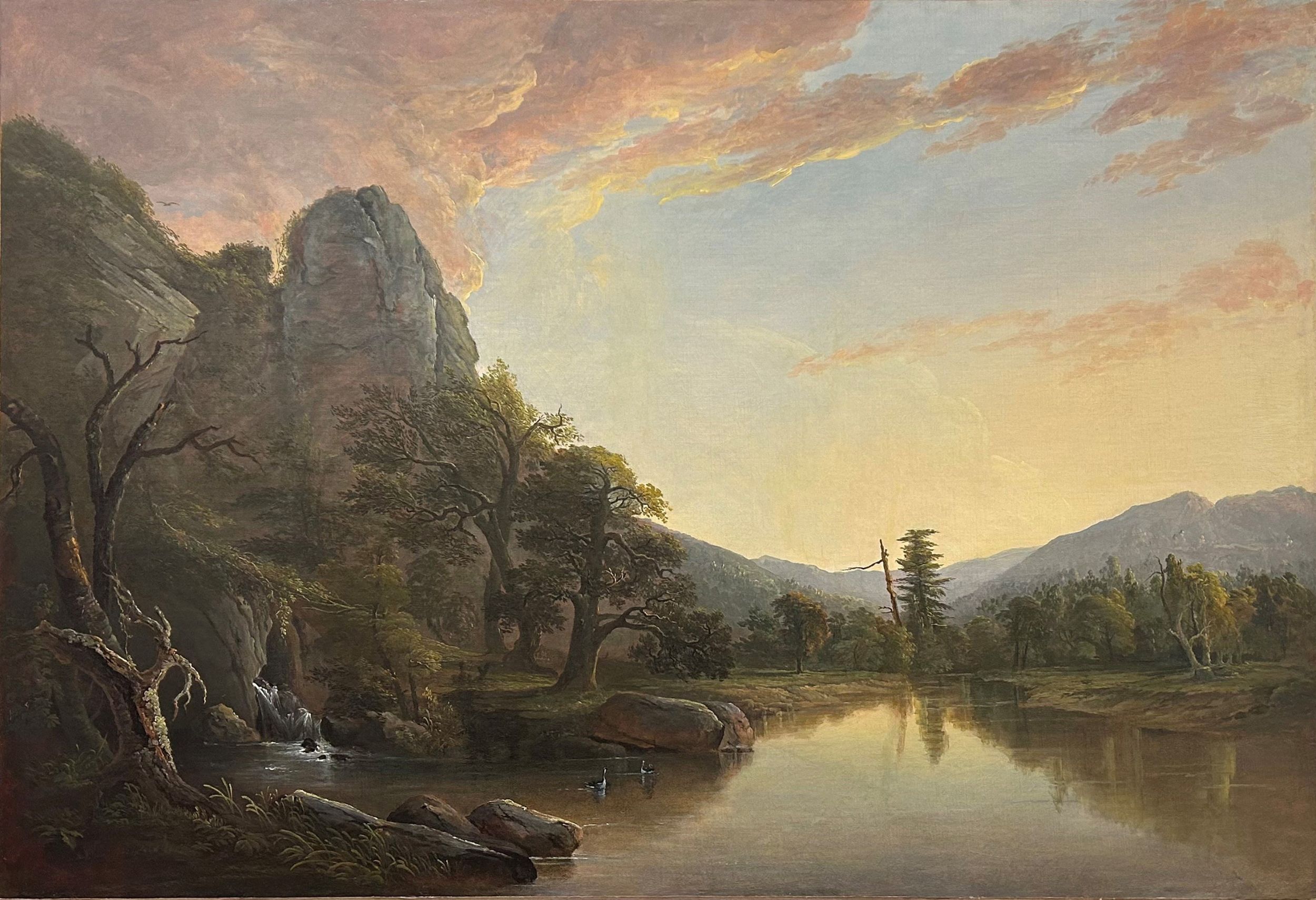
My career involves 19th century American art primarily the Hudson River School, I worked as Assistant Director on a film for the Metropolitan Museum of Art a PBS backdrop for their landmark 1987 show, which this year I acquired the rights to remaster it into 4k. In 2002 I was in the PBS film Americas First River Bill Moyers on the Hudson showing his camera crew where the artists first painted. In 2012 I had a museum tour of photos of modern sites on the river next to the paintings showing how the environmental movement used these images from the past to help clean up the river, and enable passage of the Clean Water then Clean Air Acts. I am getting off topic concerning North Carolina, so back on to our NC artist subject I had met numerous southern collectors and began paying attention to their artists, primarily William Frerichs, William Sonntag, and most importantly Robert Duncanson. Duncanson was a light skin African American, listed in the 1860 census as “M” for mulatto. Born in New York, moved to Detroit, his Virginia born father was a carpenter who worked on Erie Canal offshoot construction projects. Seneca NY, then Nova Scotia before settling in Detroit before settling in Cincinnati on the Ohio River.
Robert started out as a sign painter before becoming a self taught landscape painter, at least thats what we thought until I found the January 20, 1862 Cleveland Daily Dealer elegy to the late Rembrant Peale written by Duncanson described him as a mentor. Maybe there was a taboo on having black students at the time in Philadelphia. In any case Duncanson painted all over Ohio and Pennsylvania as his career developed under the aegis of local artists William Sonntag, also emulating former Ohio artist Thomas Cole. Odd locations in his paintings. We could not figure them out. Not Hudson valley at all, that much was for certain.
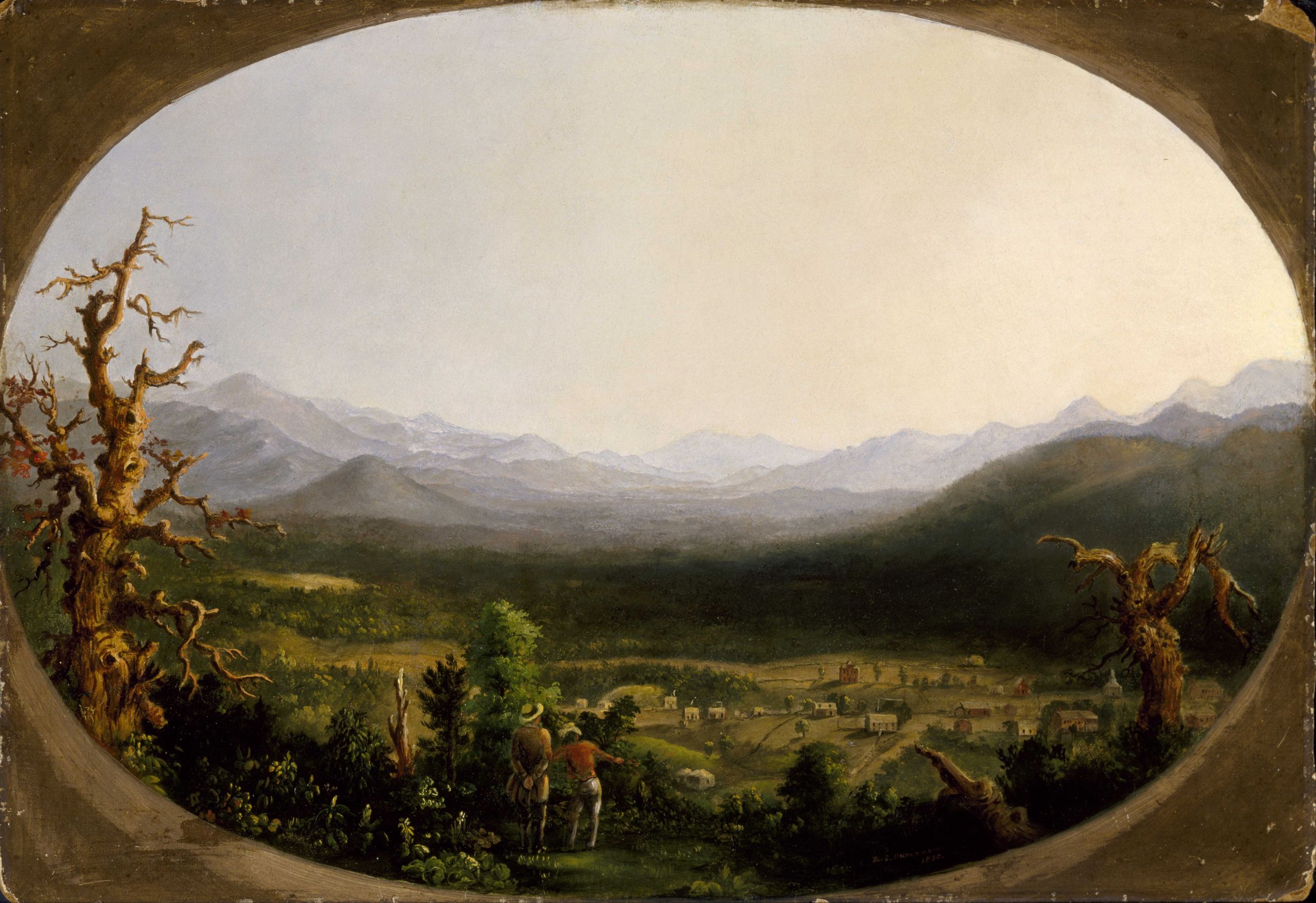
It wasn’t until 2003 when a painting by Duncanson surfaced at Brunk Auctions in Asheville, NC, the first of three local in subject accompanied by a marvelous news clipping from August 1850 describing the visit of Duncanson and A.O. Moore to paint all over North Carolina. We always thought he visited your state because of circa 1860s exhibition records citing NC locations in painting titles, but that 1850 Asheville Messenger article objectively placed the artist in the south. That was a discovery of epic proportions.
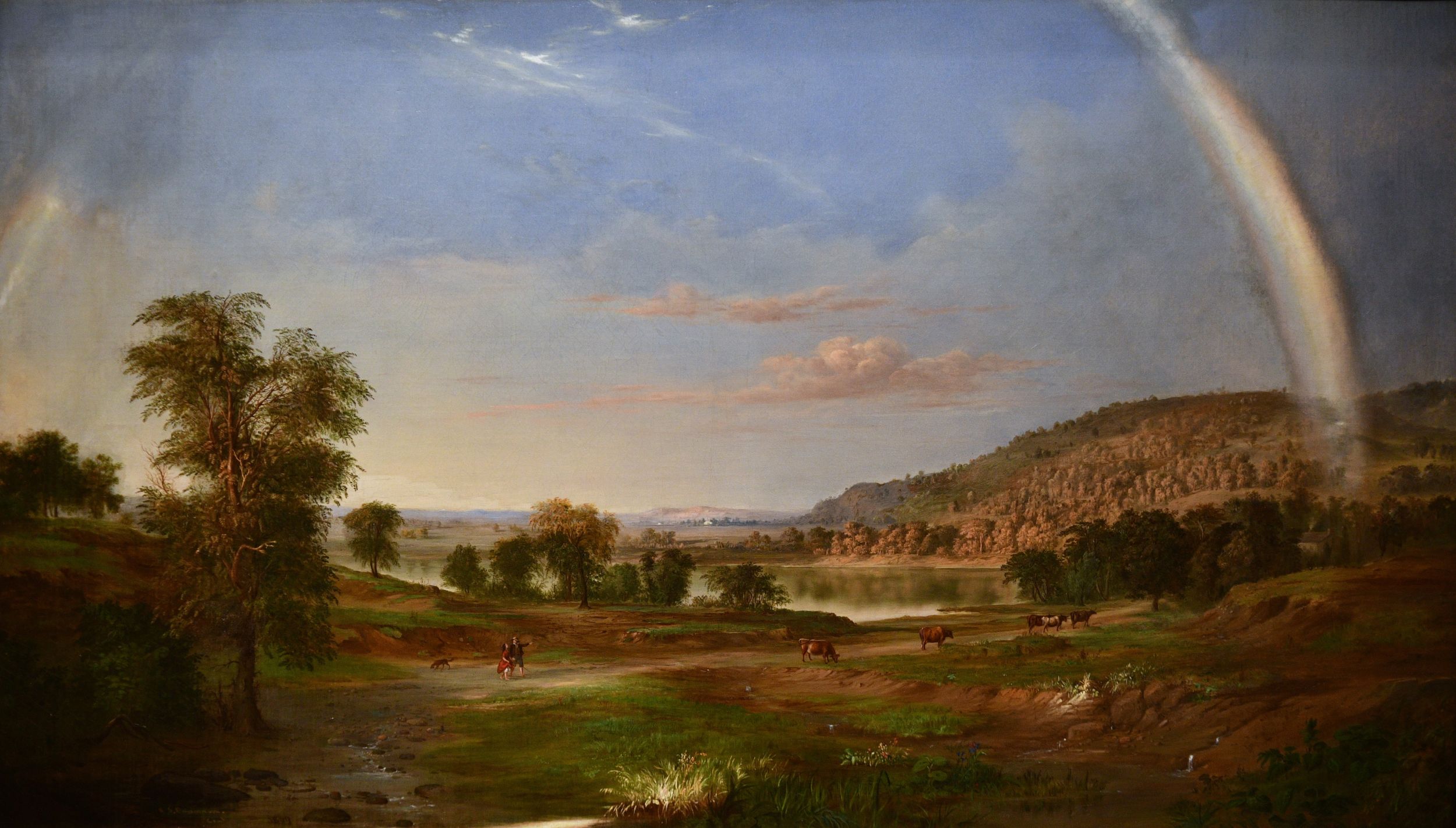
Gets better, I felt given his later Canadian phase, I theorized he had something to do with the Underground Railroad. Art dealers and art historians laughed at me. Until 2019 when I discovered deep in the archives of the NYC public library a copy of a pamphlet describing his largest known work, but not seen since 1859, called The Mammoth Pictorial Tour of the United States comprising Views of the African Slave Trade, of Northern and Southern Cities, of Cotton and Sugar Plantations, of the Mississippi, Ohio, and Susquehanna Rivers, Niagara Falls & C. It was a giant panorama of 53 scenes, each 12 feet tall and thirty feet wide, showing the slave trade, plantations, auctions, and the escape of slaves going north to Canada and freedom. A coded symbol of crossing the border was the rainbow as seen from the bridge downstream of Niagara Falls. Period literature regarding the Underground Railroad described their coded references as “The Grapevine telegraph.” I forget whether it was Wilbur Siebert (b. 1866) or Peter Still (1801-1868) who used that term, but those were the best historians on the Underground Railroad who published in the late 19th century using first hand participants as sources.
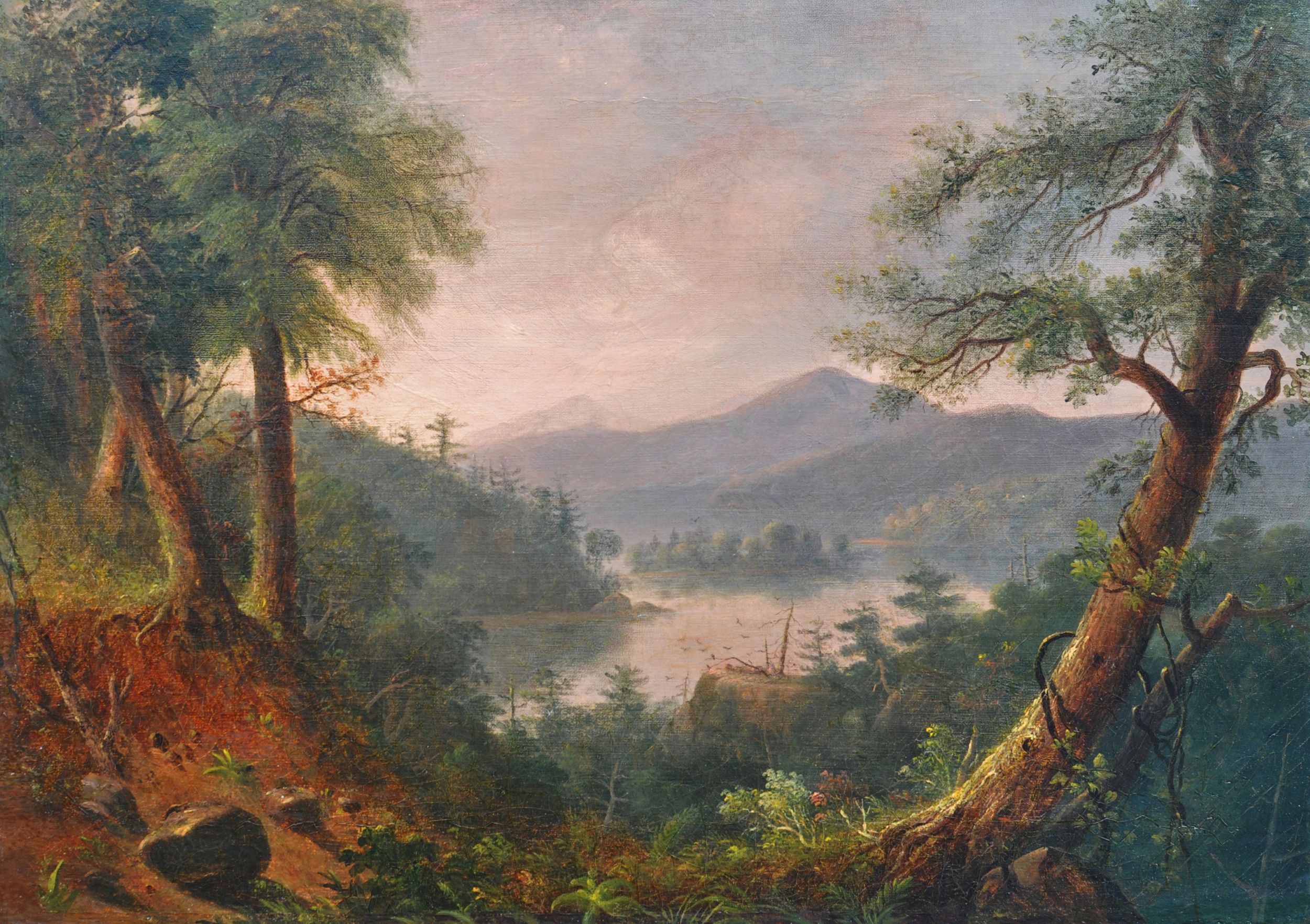
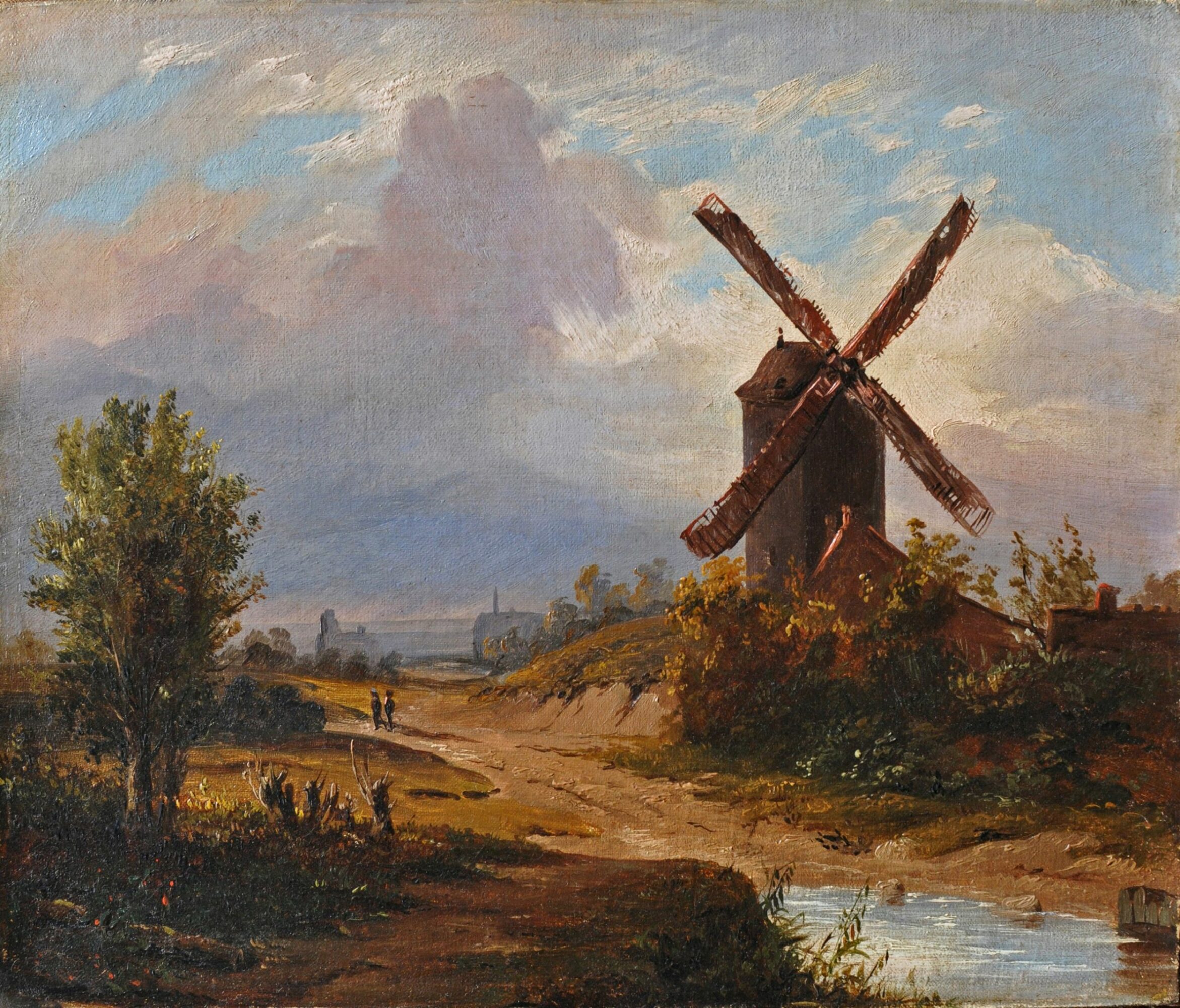
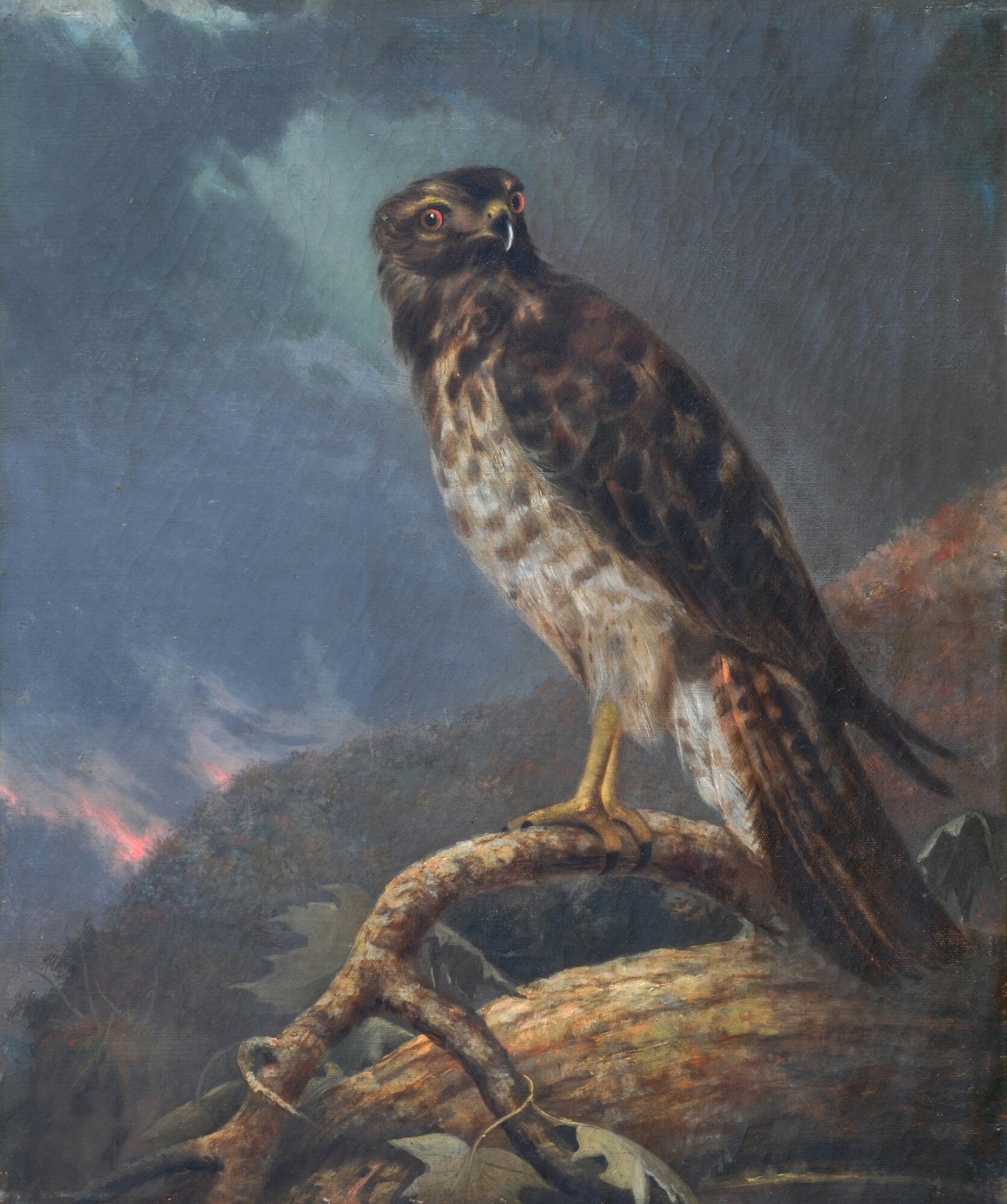
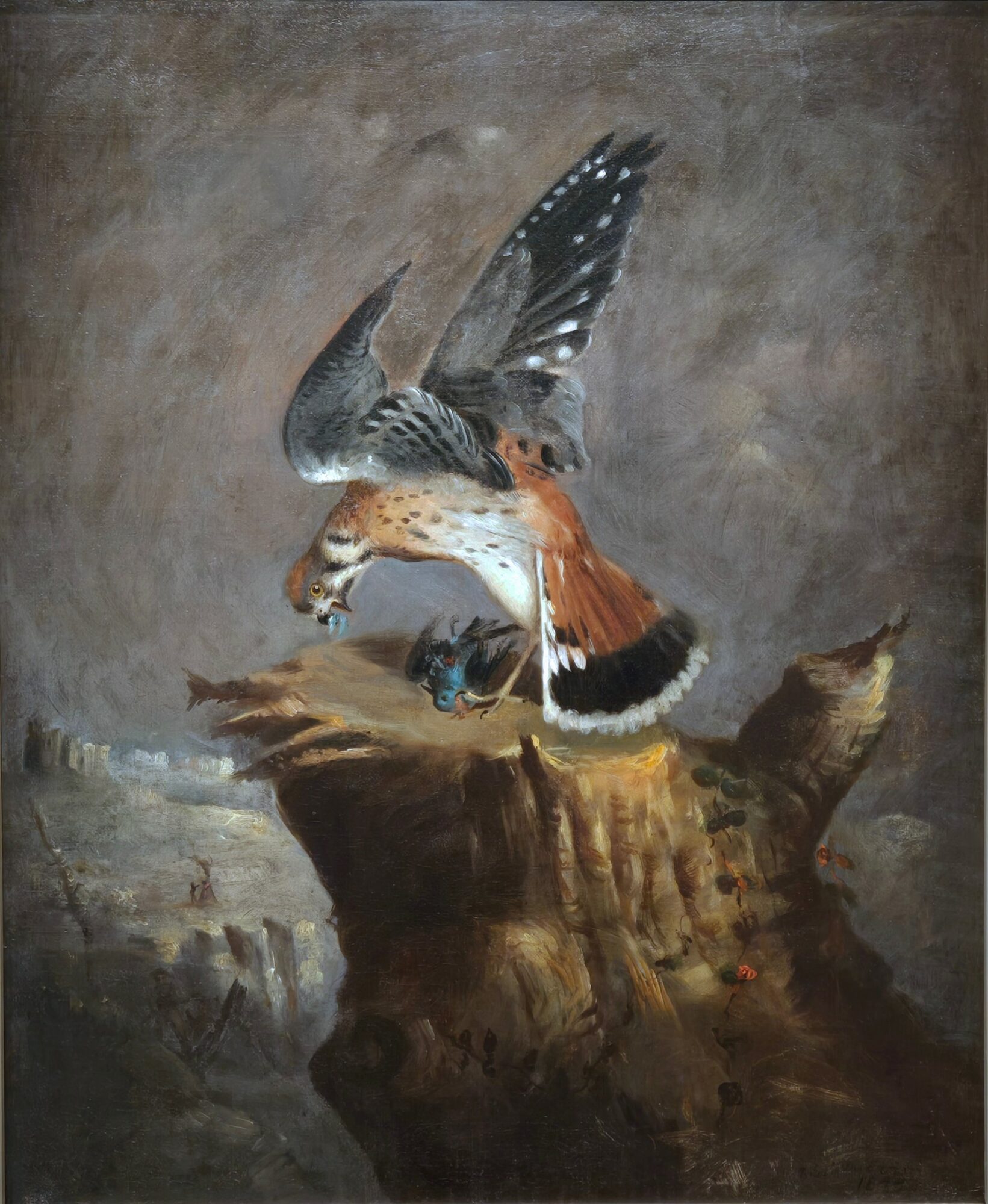
Duncanson often used cryptic allusions in his works, almost always facing north, birds flying north, birds next to a maple leaf (symbol of Canada), faces in clouds as if God was pointing the right direction, windmills to imply air and the freedom of movement, and in his most famous work from 1859, after the failure of John Browns raid, cattle headed to a rainbow. Abolitionist letters never referred to runaway slaves, period literature cited that as admitting to a federal crime, so they skirted around the forbidden topic when they asked about the safety of stray cattle hoping they arrived safely. A dangerous journey indeed.
I’m sure it wasn’t obstacle-free, but would you say the journey has been fairly smooth so far?
Obstacles along the way from less than well informed art historians who did not realize the best way to understand a painting is in the company of period literature and examples by their contemporaries
Alright, so let’s switch gears a bit and talk business. What should we know about your work?
Following the 19th century artists to the actual locations painted. When you look at the same location done by five different artists one really gets a handle on the brushwork of each painter. A stylistic ideosynchracy even more unqiue than an actual signature. Once I was able to separate these artists, see what Duncasnon different the cryptic code he inserted practically screamed underground railroad. An uniformed eye might see copy of Thomas Cole or Frederic Church but Duncason always pivots north to Canada. He is 80 degrees off in orientation from what his westerward looking peers want to paint
Can you share something surprising about yourself?
After being derired by my contemporaries for saying Duncanson’s work as about the Underground Railroad, then I found a long lost pamphlet decribing in minute detail a series of 53 mural sized paintings by Duncanson, 4 yards tall and 600 yards long, scenes depicting the slave trade then subsequent flight north of fugitives seeking freedom at the Canadian line Once that was found a torrent of clues emerged, in almost every work by the artist there are subtle clues to guiding freedom seekers north
Pricing:
- 25000
- 500000
Contact Info:
- Website: https://www.incollect.com/articles/robert-duncanson-painter-of-freedom
- Instagram: https://www.instagram.com/ralexanderboyle/
- Facebook: https://www.facebook.com/r.alexanderboyle
- Linkedin: https://www.linkedin.com/in/robert-alexander-boyle-a6700356/