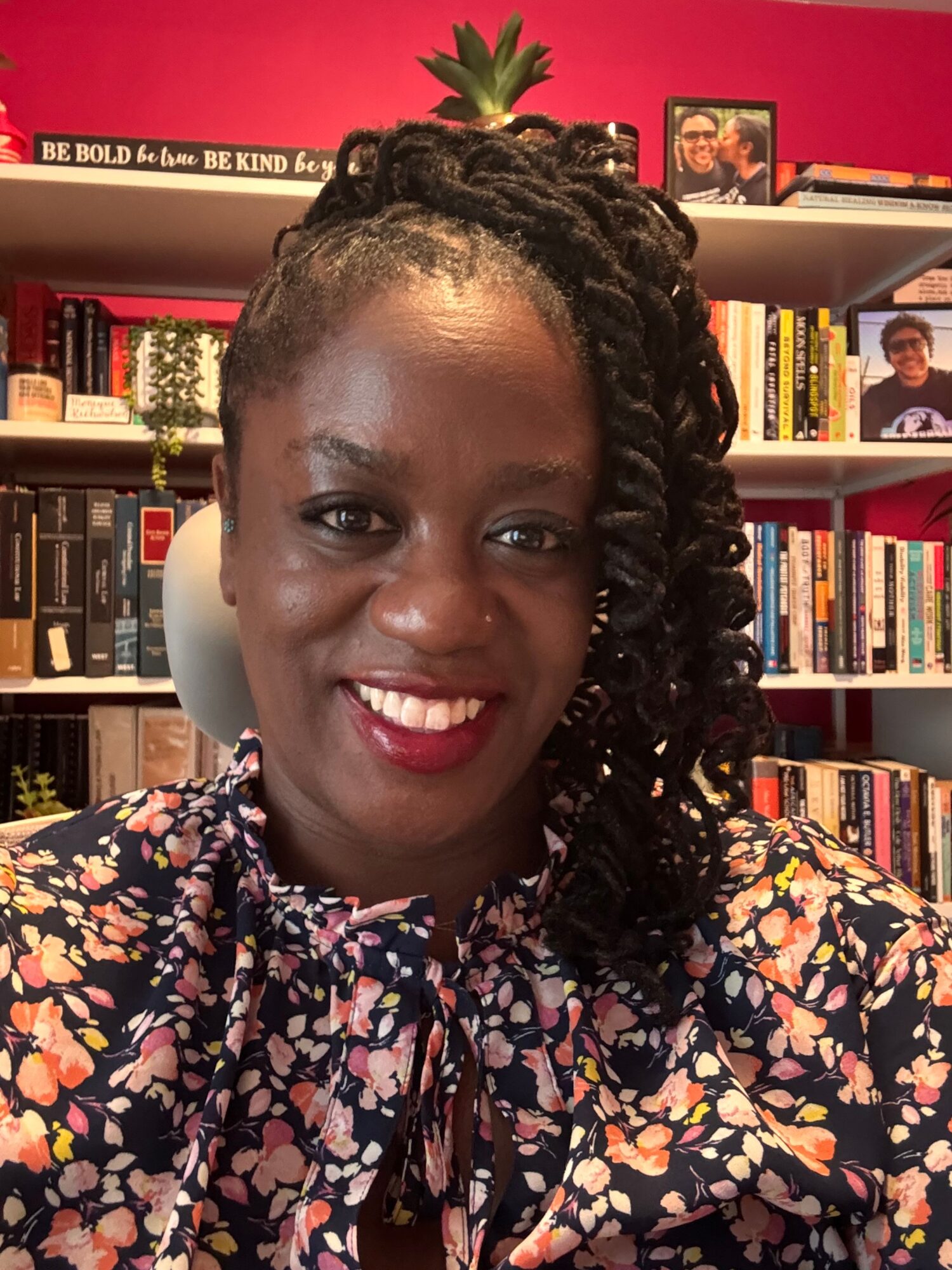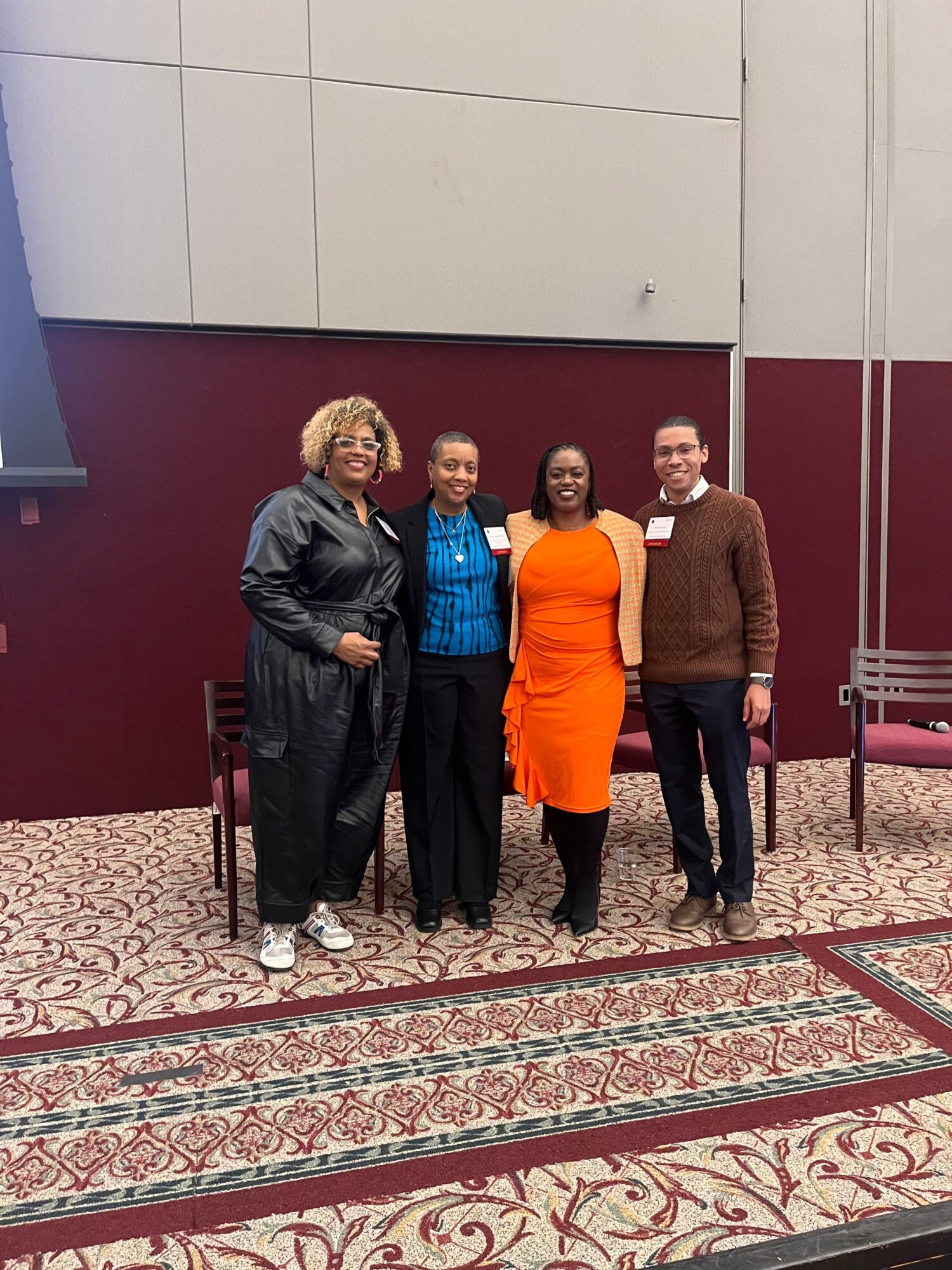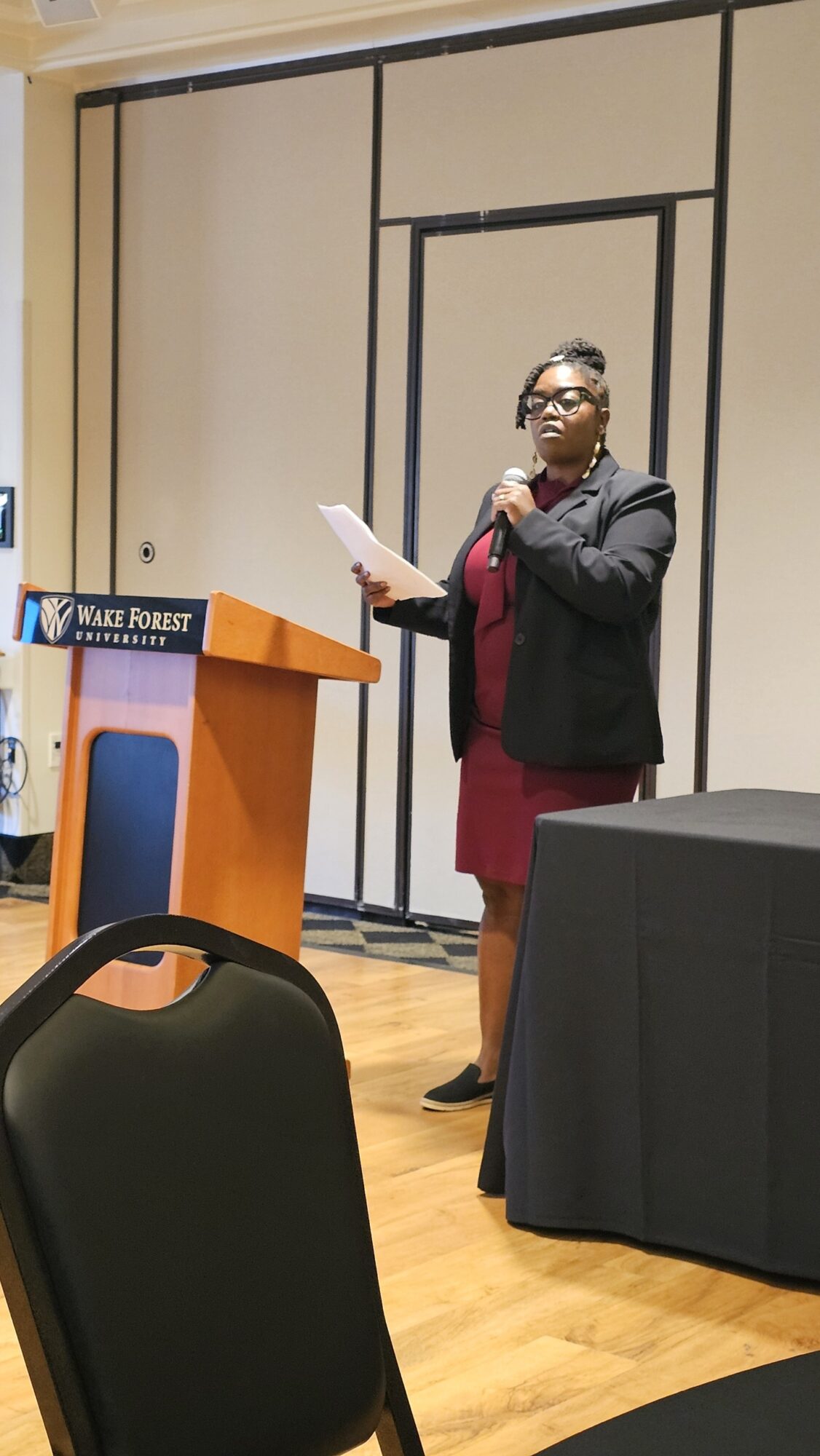





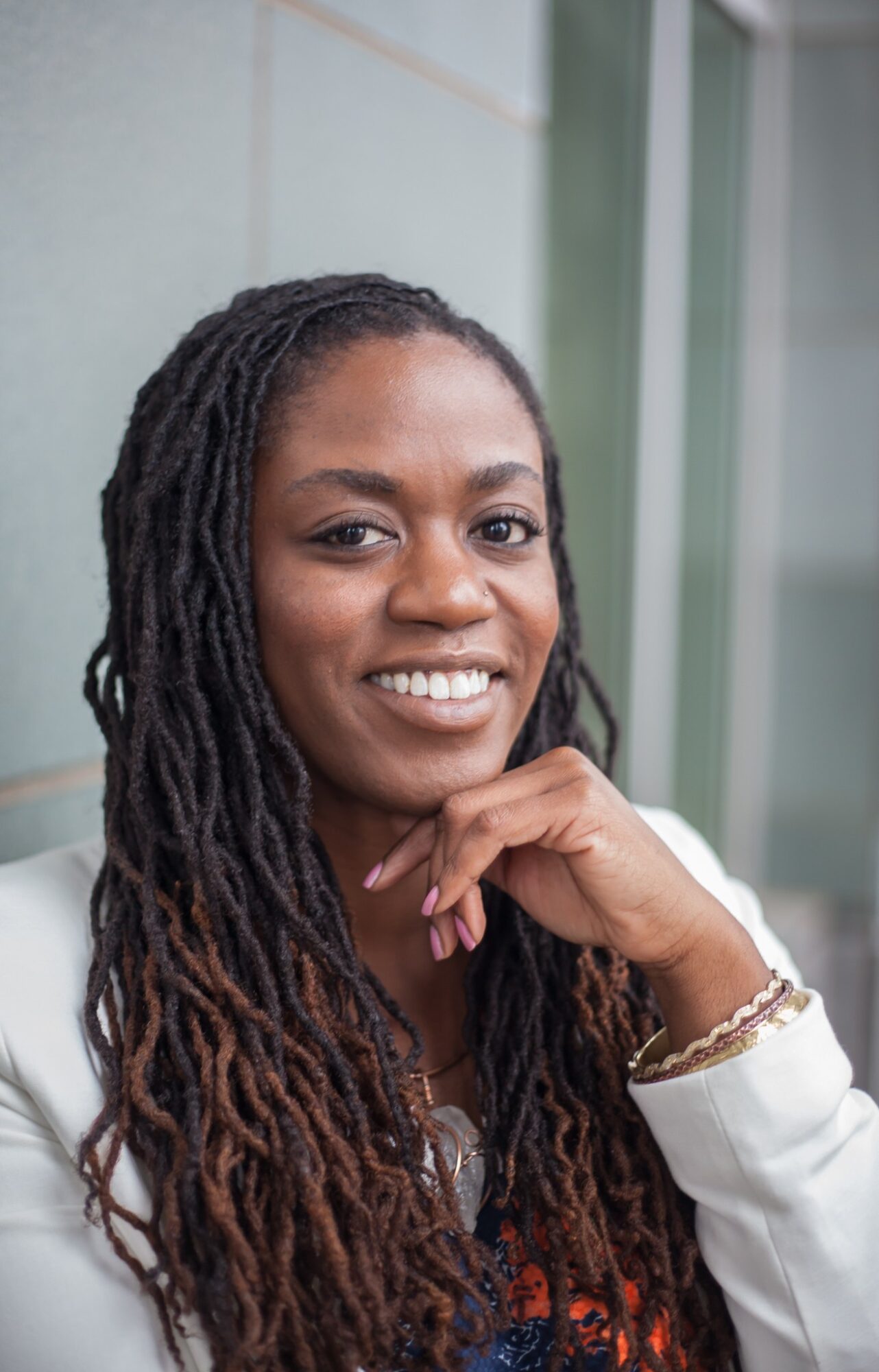
Today we’d like to introduce you to Crystal Richardson.
Hi Crystal, we’d love for you to start by introducing yourself.
I have wanted to be a lawyer since I was in the second grade.
I grew up in a Black Southern family, and from a very young age, I understood that my family wanted something different for my life. My grandmother had an eighth-grade education, and my grandparents were sharecroppers in Danville, Virginia. Many members of my family later worked at Dan River Mills or in other blue-collar jobs. They worked hard, and they encouraged me throughout my life to pursue opportunities they had not had themselves.
So when I learned what a lawyer was during career day in elementary school, and I decided that was what I was going to become. At that age, I was drawn to the prestige of the profession, but I was also carrying something bigger: the idea that becoming a successful attorney could represent hope, opportunity, and a different kind of legacy for my family.
By high school, I was already beginning to understand that wanting a law degree and knowing what kind of lawyer I wanted to be were two very different things. During my senior year, I participated in an internship where we met with attorneys practicing in approximately 12 different areas of law. I remember leaving that experience thinking, “I still want to be a lawyer, but I do not want to do any of these things.” I did not see myself as a prosecutor, litigator, or traditional business attorney. For many years, I struggled to figure out where I belonged in the legal profession, but I never gave up on the dream of earning that law degree.
My path was not traditional. I worked full time while attending law school at night in Charlotte, North Carolina. I attended Charlotte School of Law, graduated in 2011, and passed the North Carolina Bar Exam in 2013, when I was in my early 30s.
Getting licensed was an enormous accomplishment, but it also began another chapter of uncertainty. I was finally a lawyer, but I still did not know exactly what kind of lawyer I wanted to be.
To pay the bills, I worked on document review projects for various companies. Eventually, I found my way into nonprofit work and became the Director of Political Advocacy for a North Carolina organization. I remained in that role for nearly six years. That experience taught me how laws and public policy affect communities in very real ways, and it gave me opportunities to work on advocacy, coalition-building, and policy change.
Over time, however, I realized that I did want to practice law. I simply wanted to practice in a way that felt meaningful and somewhat nontraditional.
I had difficulty finding my place in larger firms or in traditional solo-practice environments, so eventually I created my own place. A mentor introduced me to estate planning and estate administration and helped me begin learning the practice. As she wound down her caseload, I had the opportunity to take on some of her matters. From there, my practice grew through word of mouth, relationships in the community, and work with legal insurance companies providing estate planning services to their members.
As I practiced, I also began learning more about heirs’ property and the legal problems that arise at the intersection of estate planning, estate administration, real property, and business law. That work immediately resonated with me because it was not simply about documents. It was about families, land, history, ownership, legacy, and what happens when families do not have access to legal planning across generations.
That area of practice eventually brought my legal career full circle. My background in political advocacy gave me the opportunity to advocate for public policies affecting heirs’ property owners, including the Uniform Partition of Heirs Property Act in North Carolina. I was able to combine the policy work I had spent years doing with the legal practice I had worked so hard to find.
Now, almost seven years into running my own law firm, I practice in areas of law that I genuinely love. I help families plan for the future, administer estates after a loved one dies, address complicated inherited-property issues, and protect family land and generational wealth.
It took me a long time to find my place in the legal profession, but I think that journey ultimately made me a better lawyer and a more intentional business owner.
The little girl who decided in second grade that she was going to become a lawyer could never have imagined exactly what that would look like. But I think she would be proud that I kept going until I found a way to practice law that feels true to who I am, honors where I come from, and allows me to make a meaningful difference in my community.
Would you say it’s been a smooth road, and if not what are some of the biggest challenges you’ve faced along the way?
t has not been a smooth road.
Unlike many of my colleagues, I did not have the opportunity to participate in internships or externships during law school that would have given me early exposure to the actual practice of law. When I eventually opened my own firm, I had to learn much of what I needed to know by studying books, attending continuing legal education programs, asking more experienced attorneys for guidance, and identifying people I could trust who were willing to share their knowledge and experiences with me.
I also had to learn how to be comfortable being uncomfortable. There have been many rooms where very few people looked like me, and there have been moments when I was spoken to or treated in ways that made it clear that others questioned whether I belonged there. I had to learn to keep showing up anyway, to trust my own judgment, and to make the decisions that I believed were right for me, my clients, and my practice.
Building the business itself required sacrifice. There were times when I worked full-time jobs while also trying to grow my law practice because I still needed to pay my bills. I volunteered in the community, attended events, built relationships, and continually put myself out there, all while looking for paid work and trying to establish a sustainable practice.
There have been a lot of late nights, early mornings, difficult decisions, and moments of uncertainty. I have had to learn not only how to practice law, but also how to run a business, manage clients, build systems, develop confidence, and create opportunities when they were not always readily available to me.
And the truth is, I am still working through many of those things.
But every stage has taught me something. The challenges forced me to become resourceful, intentional, and willing to ask questions. They also taught me the importance of community and mentorship, and how valuable it is when someone is willing to open a door, share what they know, or simply remind you that you belong in the room.
It has not been easy, but it has been worth it. And I am proud that I kept showing up, learning, building, and creating a practice that reflects both who I am and the kind of lawyer I wanted to become.
As you know, we’re big fans of The Law Office of Crystal M. Richardson PLLC. For our readers who might not be as familiar what can you tell them about the brand?
The Law Office of Crystal M. Richardson PLLC is a North Carolina law firm focused on estate planning, estate administration, heirs’ property, and related real property matters.
At the heart of my practice is helping individuals and families protect what they have built, plan for the future, and navigate what can often be complicated legal issues involving property, inheritance, and family legacy.
My estate planning practice includes wills, trusts, powers of attorney, advance directives, and other planning tools designed to help clients make intentional decisions about their assets, their families, and who will make decisions for them if they are unable to do so themselves. I also assist families with estate administration after the death of a loved one, helping personal representatives understand and carry out their legal responsibilities.
One area of my practice that has become especially important to me is heirs’ property. These matters often involve family land or inherited property that has passed through multiple generations, sometimes without formal estate administration or clear succession planning. The legal issues can overlap with estate law, real property law, business law, and family history, so the work often requires careful investigation before a solution can be developed.
I think that is one of the things that sets my practice apart. I do not approach these matters as simply a matter of preparing documents. I spend time understanding the history of the property, the family structure, the client’s goals, and the legal issues that may affect ownership before recommending a course of action. Sometimes that means working through several generations of ownership before we can even begin discussing the best way to move forward.
I am also very intentional about education. I want my clients to understand what we are doing and why. Estate planning and inherited-property issues can feel intimidating, particularly for families who have not historically had regular access to attorneys or sophisticated legal planning. My goal is to make those conversations understandable without oversimplifying the legal issues involved.
Brand-wise, I am most proud that my firm has grown into a practice that reflects both my personal history and my professional experience. My work sits at the intersection of law, family, property, community, and legacy. It allows me to combine my legal practice with my background in public policy and advocacy, particularly around issues affecting heirs’ property owners and the preservation of family land.
I want people to know that estate planning is not only for wealthy families, and that inherited-property problems do not have to remain unresolved simply because they have existed for generations. Sometimes the first step is simply understanding what you own, how it was inherited, and what options are available.
Ultimately, I want my firm to be known for thoughtful legal guidance, careful analysis, and helping families make informed decisions about the property and legacy they want to protect.
What do you like best about our city? What do you like least?
What I like most about High Point is its small-town feel and sense of community. There are so many locally owned businesses, familiar faces, and opportunities to build genuine relationships, while still being close to larger cities like Durham and Charlotte. I really appreciate having that balance.
If I had to identify something I like least, it would probably be that, like many growing communities, High Point is still figuring out how to balance growth and change with maintaining the character that makes the city feel like home. I would love to continue seeing more investment in local businesses, community spaces, and opportunities that bring people together and help all parts of the city thrive.
Contact Info:
- Website: https://www.crystalrichardsonlaw.com
- Instagram: @crystalrichardsonlaw
- Facebook: https://facebook.com/CrystalRichardsonLaw
- LinkedIn: https://www.linkedin.com/in/crystal-m-richardson-esq-a4748b40
- Youtube: @crystalrichardsonlaw