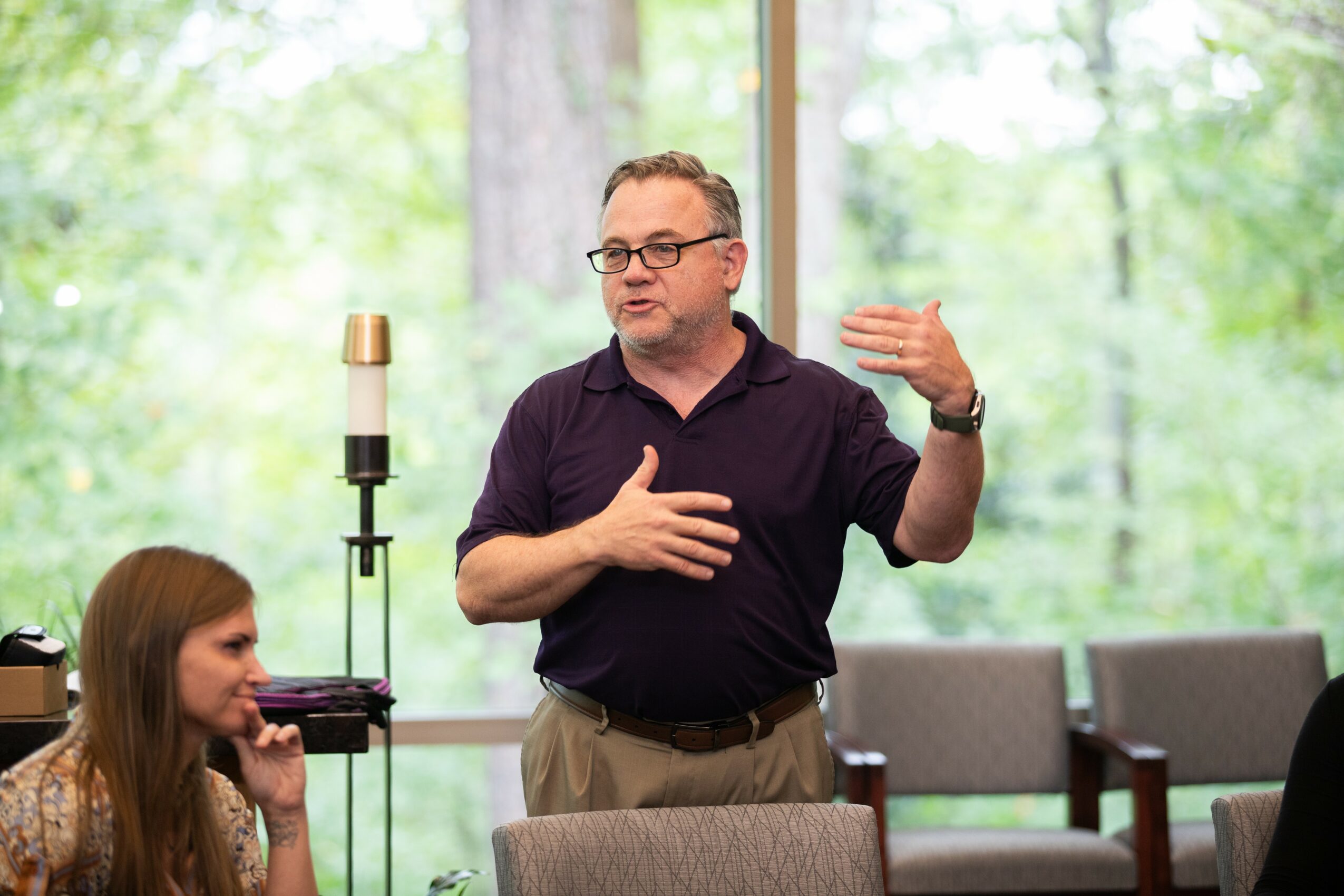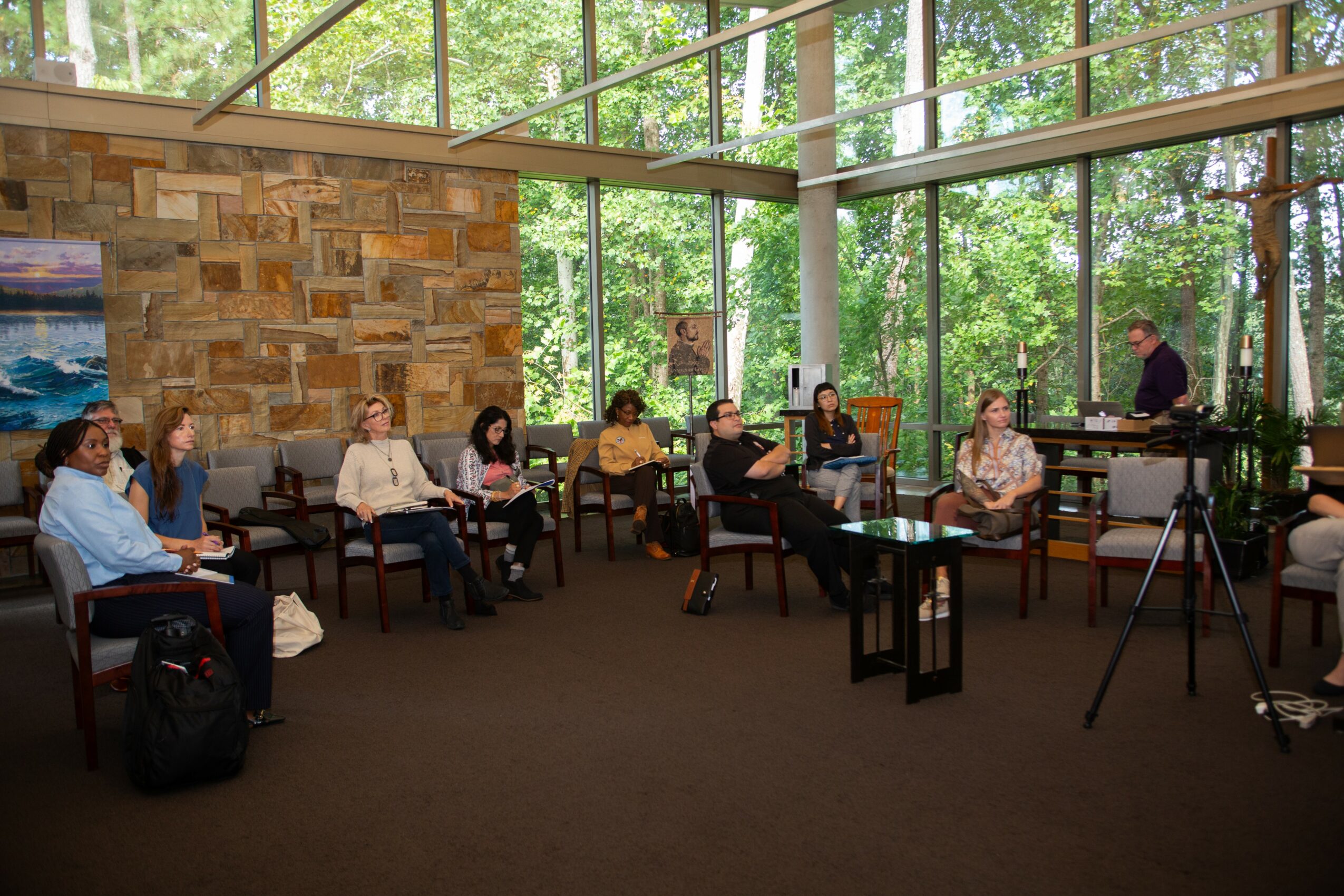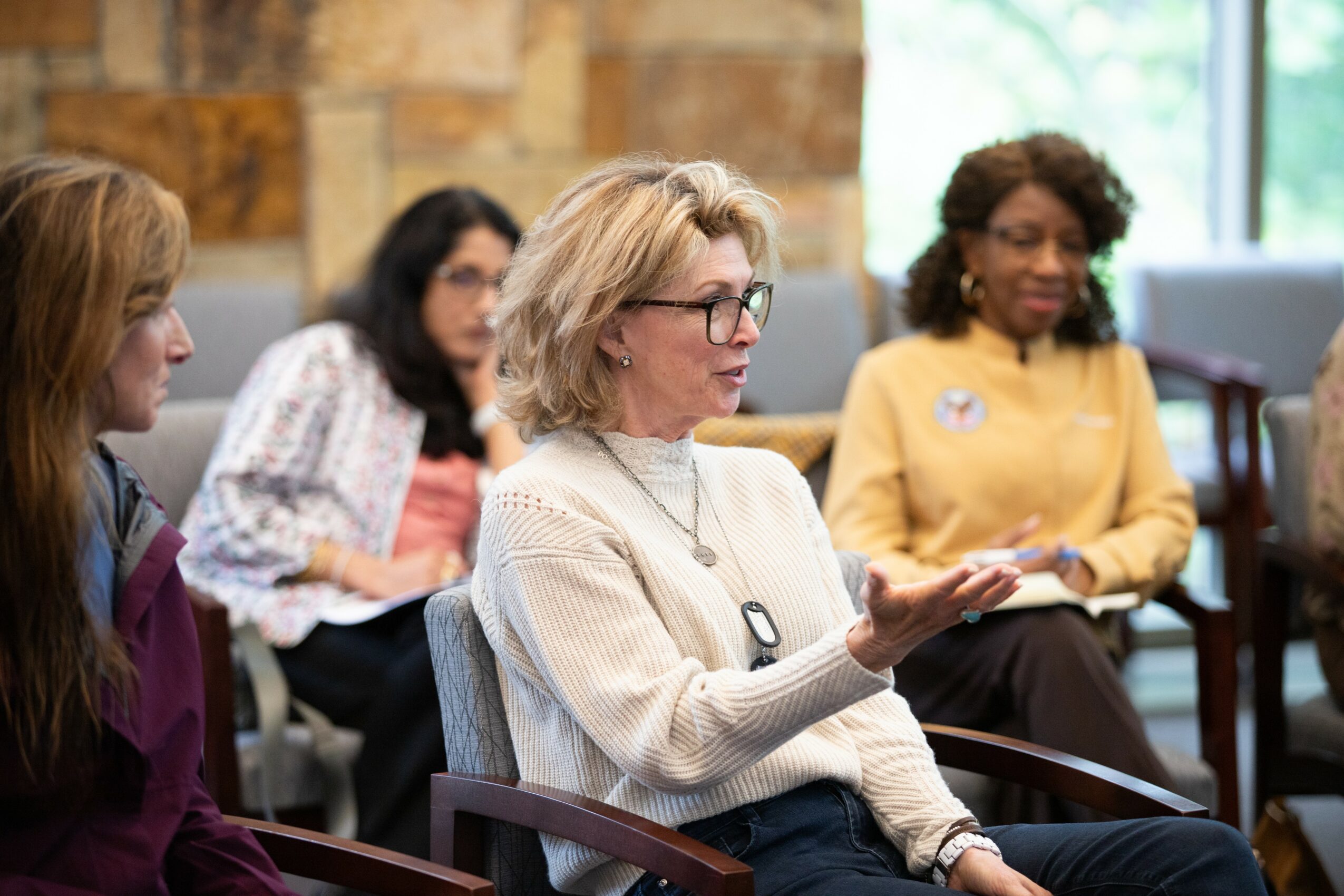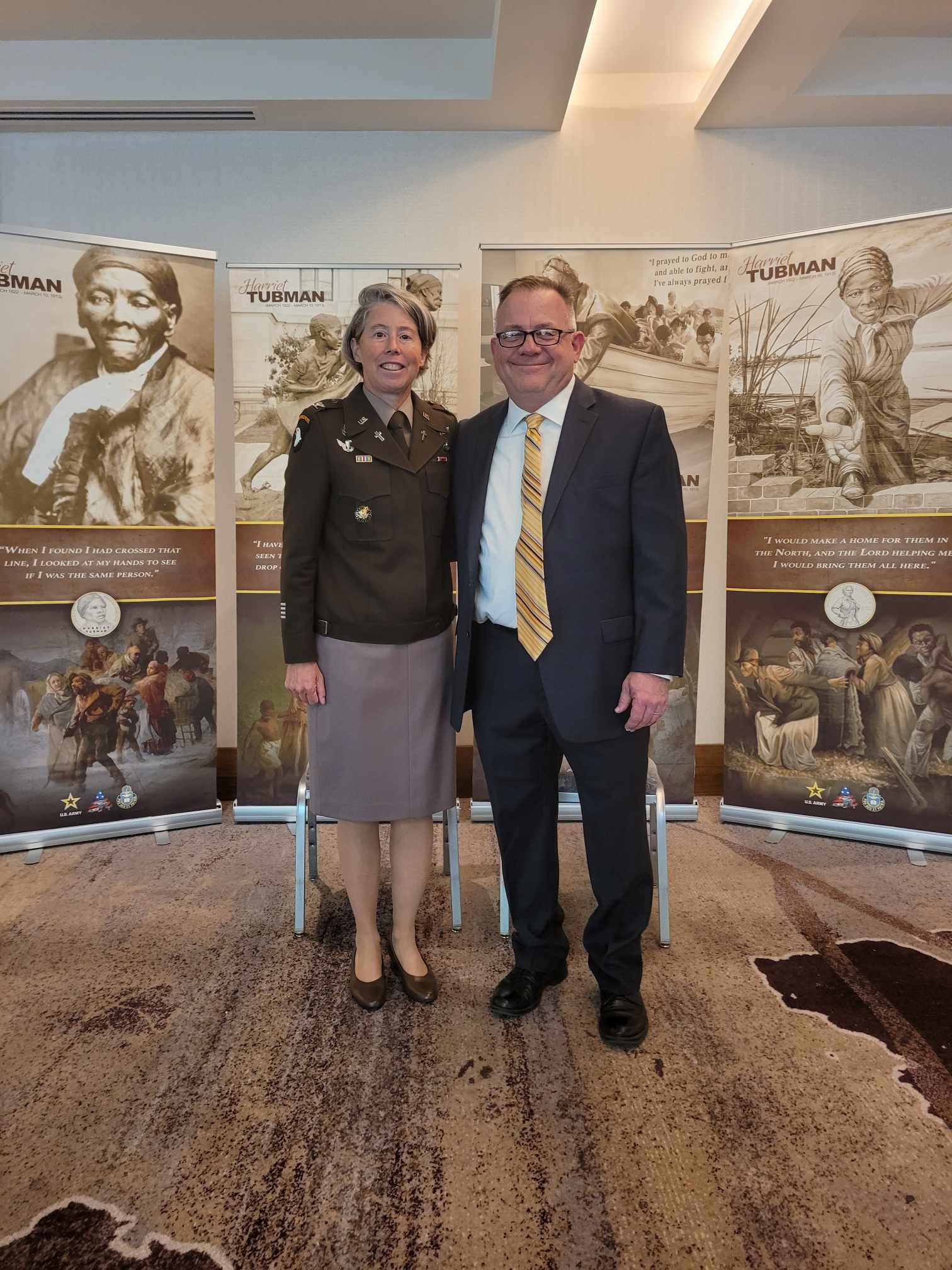




Today we’d like to introduce you to Daniel Roberts.
Hi Daniel, so excited to have you on the platform. So before we get into questions about your work-life, maybe you can bring our readers up to speed on your story and how you got to where you are today?
My journey is rooted in over 30 years of service in the U.S. Army, where I eventually achieved the rank of Sergeant Major—the highest enlisted rank possible. My first decade was spent in the trenches as a paratrooper and infantryman, leading soldiers through the pressures of both war and peace.
However, the second half of my career shifted my focus from the tactical to the personal. For 20 years, I served in the U.S. Army Chaplain Corps as a Religious Affairs Specialist. In this role, I worked directly with chaplains to provide emotional and spiritual support to soldiers facing some of life’s most difficult trials: abuse, neglect, military sexual trauma, and—the issue that became my life’s work—moral injury.
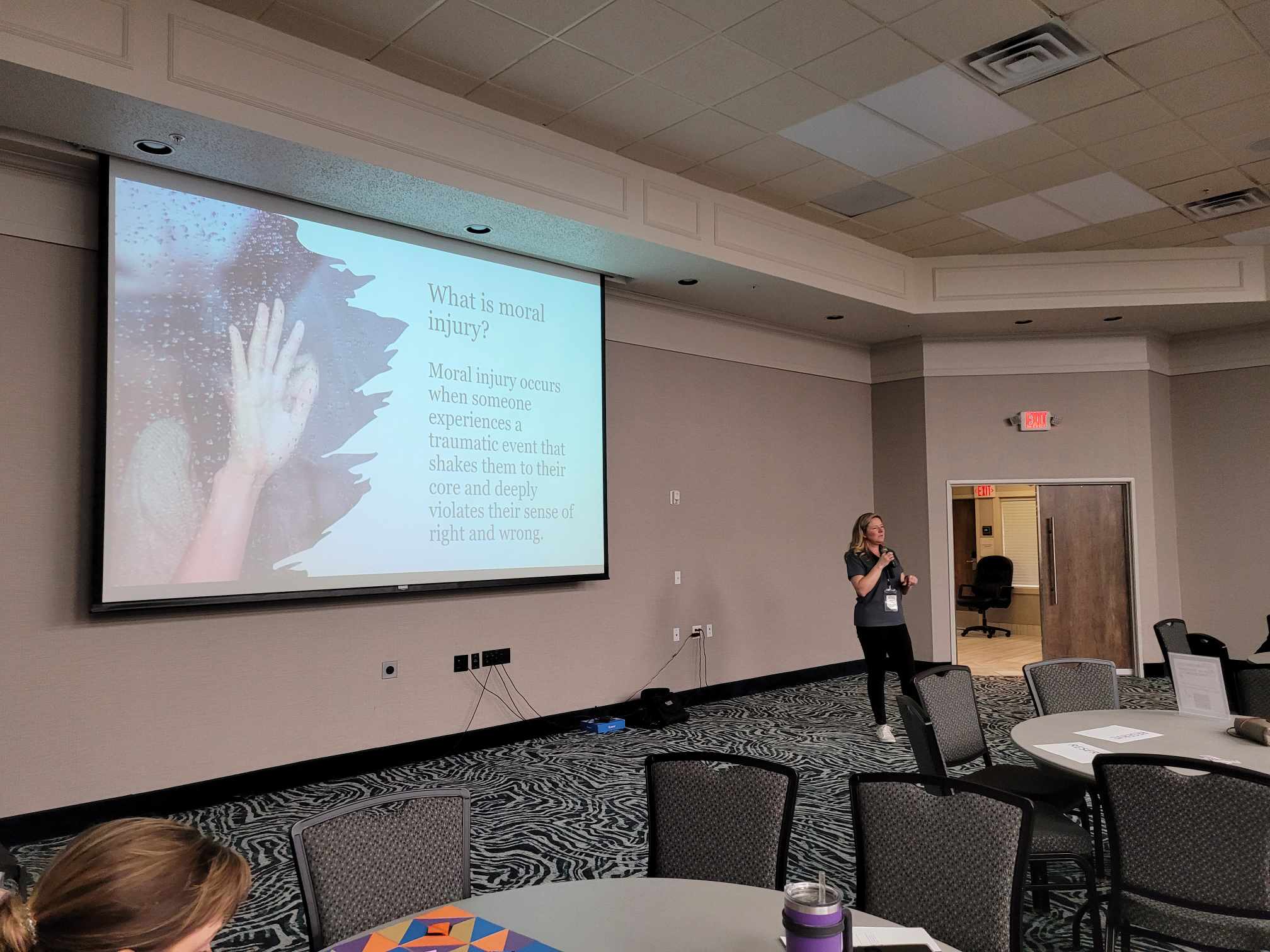
This “wound to the soul” is different from PTSD; while PTSD is often rooted in fear, moral injury is rooted in the deep psychological and spiritual impact of betrayal or the violation of one’s core moral beliefs.
While serving on active duty, I realized that while there was significant research on veteran mental health, the unique experiences of women veterans regarding moral injury were often overlooked. This led me to pursue my Doctorate in Management in Organizational Leadership, focusing my research on these “invisible wounds”.
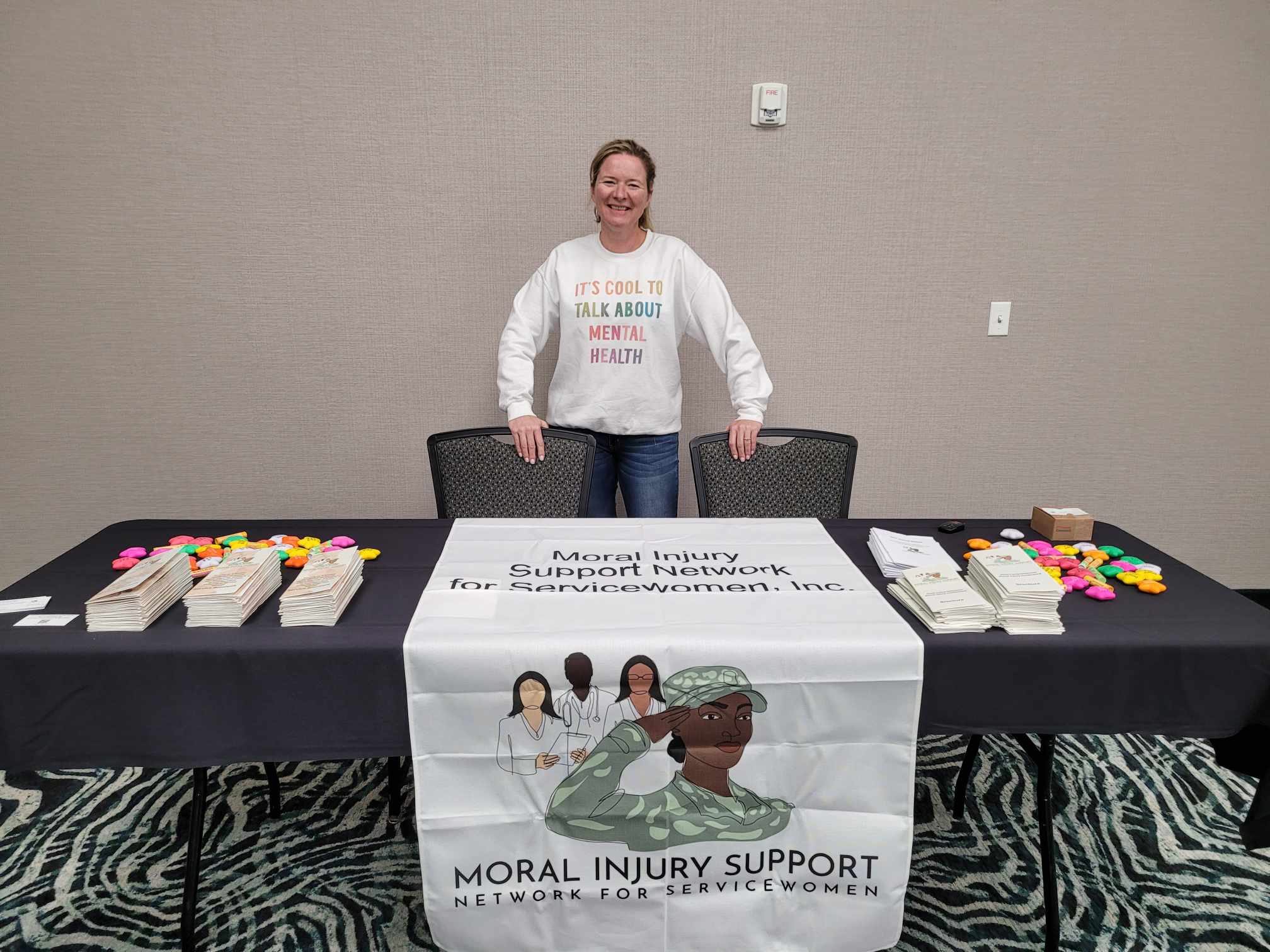
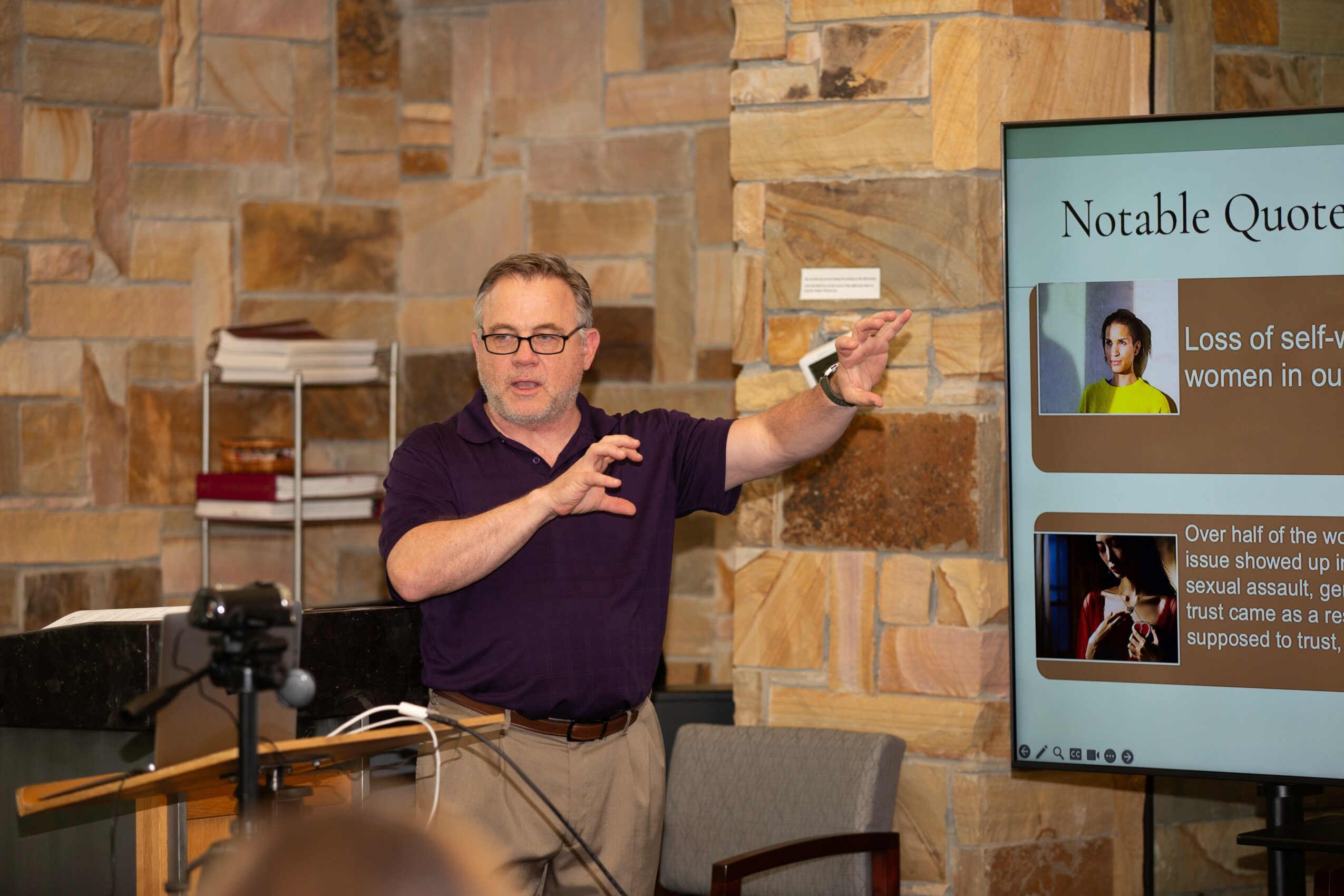
Today, I serve as the President and CEO of the Moral Injury Support Network for Servicewomen (MISNS). My mission is to act as a “Bridge-Builder”—translating academic research and lived military experience into real-world impact through global speaking engagements, specialized training for clinicians and chaplains, and direct advocacy for those who have served our nation.
We all face challenges, but looking back would you describe it as a relatively smooth road?
It has certainly not been a smooth road, though it has been a deeply rewarding one. Transitioning from 30 years in the Army to the civilian non-profit and academic world brought its own set of cultural hurdles, but the real struggles have been more profound.
The Weight of the Stories
Spending two decades in the Chaplain Corps meant being the person people came to on their worst days. I have sat with soldiers through the aftermath of military sexual trauma, deep betrayal, and the crushing weight of moral injury. The struggle here isn’t just professional; it’s emotional. Learning how to remain a “Bridge-Builder” who can translate that intense suffering into actionable research and support without burning out is a constant balancing act.
Advocating for the “Invisible”
One of the biggest uphill battles has been gaining recognition for the specific experiences of women veterans. For a long time, the conversation around moral injury was dominated by a male-centric perspective. Founding the Moral Injury Support Network for Servicewomen (MISNS) was born out of the struggle to find resources that actually spoke to the unique “invisible wounds” women face. Breaking through institutional biases to prove that women experience these moral violations differently required years of rigorous research and persistence.
The Complexity of the Wound
Finally, there is the ongoing challenge of “operationalizing” the soul. In the military, we like clear definitions and tactical solutions. But moral injury—dealing with themes like guilt, shame, and loss of identity—doesn’t fit neatly into a box. My work is a continuous effort to convince the clinical and military worlds that spiritual and emotional care are not just “soft skills,” but essential components of veteran health.
Alright, so let’s switch gears a bit and talk business. What should we know?
The Moral Injury Support Network for Servicewomen, Inc. (MISNS) is a 501(c)(3) non-profit organization dedicated to providing research, education, and support to women veterans, current servicewomen, and their families. We specialize in addressing moral injury, a “wound to the soul” resulting from the psychological and spiritual impact of trauma that shatters core moral beliefs.
What We Do & What We Specialize In
Our work is centered on pioneering women-focused education and research on moral injury, offering vital support to those who have served the nation. We specialize in:
Research & Advocacy: Conducting studies focused on moral injury and providing a voice for women veterans’ unique experiences.
Professional Training: Offering NBCC-approved continuing education for clinicians, educators, military leaders, and chaplains through programs like The Healing Path Project and Guiding Light.
Holistic Support: Bridging the gap between clinical mental health and spiritual reconciliation to address both the neurobiological and moral impacts of trauma.
What Sets Us Apart
Specific Focus on Women: While moral injury is a broad topic, MISNS is a leader in tailoring research and support specifically to the unique “invisible wounds” and experiences of women in the military.
The Bridge-Builder Approach: We translate complex academic insights into accessible narratives and real-world impact for organizations and caregivers.
Decisive Leadership Frameworks: Unlike generic theory, we provide military commanders with structured action plans to proactively improve their command’s ethical climate.
Brand Pride & Mission
Brand-wise, we are most proud of being recognized as a “Gold Standard” in moral injury education and being a mission-driven leader in advancing trauma-informed care globally. We want readers to know that our offerings are designed to move beyond trauma management toward post-traumatic growth and narrative reconciliation.
Whether through our specialized workshops or our support programs like the Veterans’ Hope Project, our goal is to foster healing, build resilience, and drive meaningful change for those suffering from moral injury.
Can you talk to us a bit about the role of luck?
In my experience, “luck” is often just what happens when decades of preparation finally meet a specific moment of opportunity. However, both good and bad luck have certainly shaped my path.
The “Good Luck” of Timing
I consider it a stroke of good luck that I began my deep-dive research into moral injury just as the global conversation around veteran mental health was shifting. For years, the focus was almost entirely on PTSD, but as I was finishing my doctorate, the clinical community began to realize there was a missing piece to the puzzle—the spiritual and moral dimension of trauma. Being ready with the research exactly when the world was finally ready to listen allowed me to become a global voice and take my work to places like the U.K., Africa, and New Zealand.
The “Bad Luck” of Discovery
On the flip side, much of my business was built because of what many would call “bad luck”—the unfortunate reality that women veterans were being overlooked in traditional care models. It wasn’t good luck that I discovered these gaps; it was the result of witnessing the systemic struggles and invisible wounds of the women I served alongside. However, this “bad luck” provided the friction necessary to spark the creation of the Moral Injury Support Network for Servicewomen (MISNS).
Turning Luck into Impact
Ultimately, I don’t believe in luck as a random force. When “bad luck” strikes—like a soldier experiencing a moral betrayal—I see it as my role to provide the “good luck” of a support system that didn’t exist before. My business is essentially the result of taking the “bad luck” of trauma and turning it into the “good luck” of post-traumatic growth and healing.
Pricing:
- We provide all of our support services to women veterans for free.
- In our continuing education courses for chaplains, clinicians, educators and military leaders, we charge $25/continuing education credit hour
Contact Info:
- Website: https://misns.org/
- Instagram: @misnsconsult
- Facebook: https://www.facebook.com/dr.danielroberts
- LinkedIn: https://www.linkedin.com/in/misns/
- Twitter: @DanielR92544092
- Youtube: https://www.youtube.com/@MI_SupportNetwork