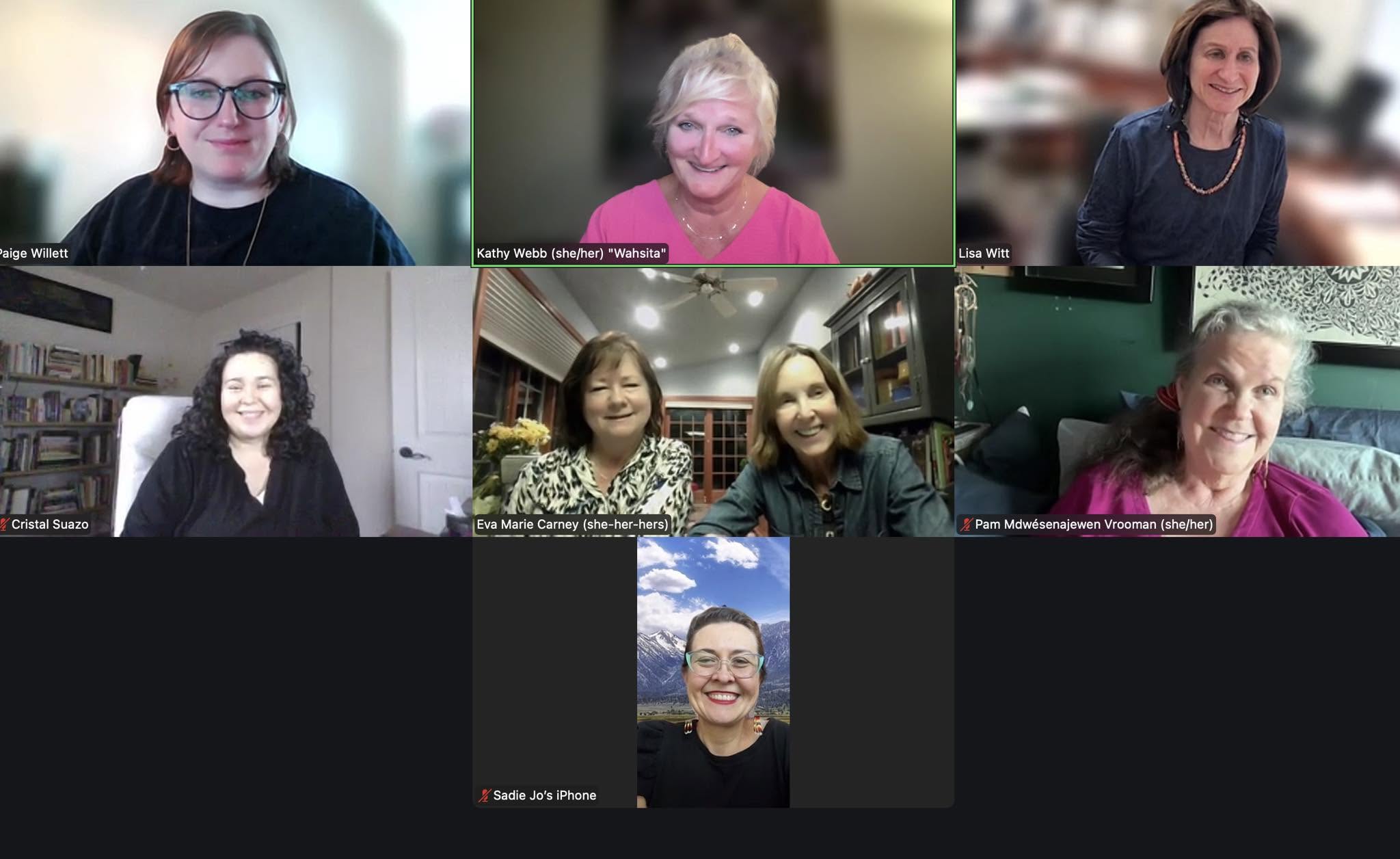
Today we’d like to introduce you to Eva Marie Carney.
Hi Eva Marie, it’s an honor to have you on the platform. Thanks for taking the time to share your story with us – to start maybe you can share some of your backstory with our readers?
I started this journey to end period poverty by sending several boxes of period care items to Pine Ridge Reservation in 2017, after learning about the shocking rate of period poverty on rural U.S. Indigenous reservations — more than 1 in 4 students are affected. I found it to be an untenable injustice that students were missing out on school due to a lack of access to period products. And this injustice resonated deeply with me as an Indigeous woman (enrolled with the Citizen Potawatomi Nation), and a human rights lawyer.
In 2018, we launched The Kwek Society with a particular focus on getting period care to U.S. Indigenous students and their peer without ready access to these expensive products. (“Kwe’k” means “women” in the Potawatomi language.) I believed that my Native roots and respect for tribal traditions would be integral to our success in recruiting schools of students that we could help, and in recruiting donors to fund the work. Thankfully, I was right! Fast forward to today and I now serve as our Executive Director, along with a ten-member board of accomplished women directors, most of whom are Indigenous and all of whom are passionate about ending period poverty.
The Kwek Society now supports menstruators across 26 U.S. states. We operate from the mindset that every person deserves sufficient supplies to maintain dignity and celebrate their strength during their moon time (period). No one should have to miss school, work, or activities of daily life when they are on their periods No one should suffer the indignity of stained clothing or use period supplies for longer than intended, risking their health due to insufficient supplies. And all menstruators should be in a position to feel good about their periods.
We all face challenges, but looking back would you describe it as a relatively smooth road?
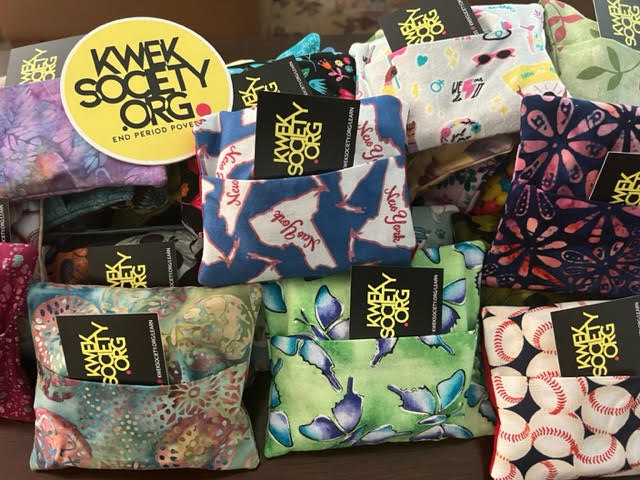
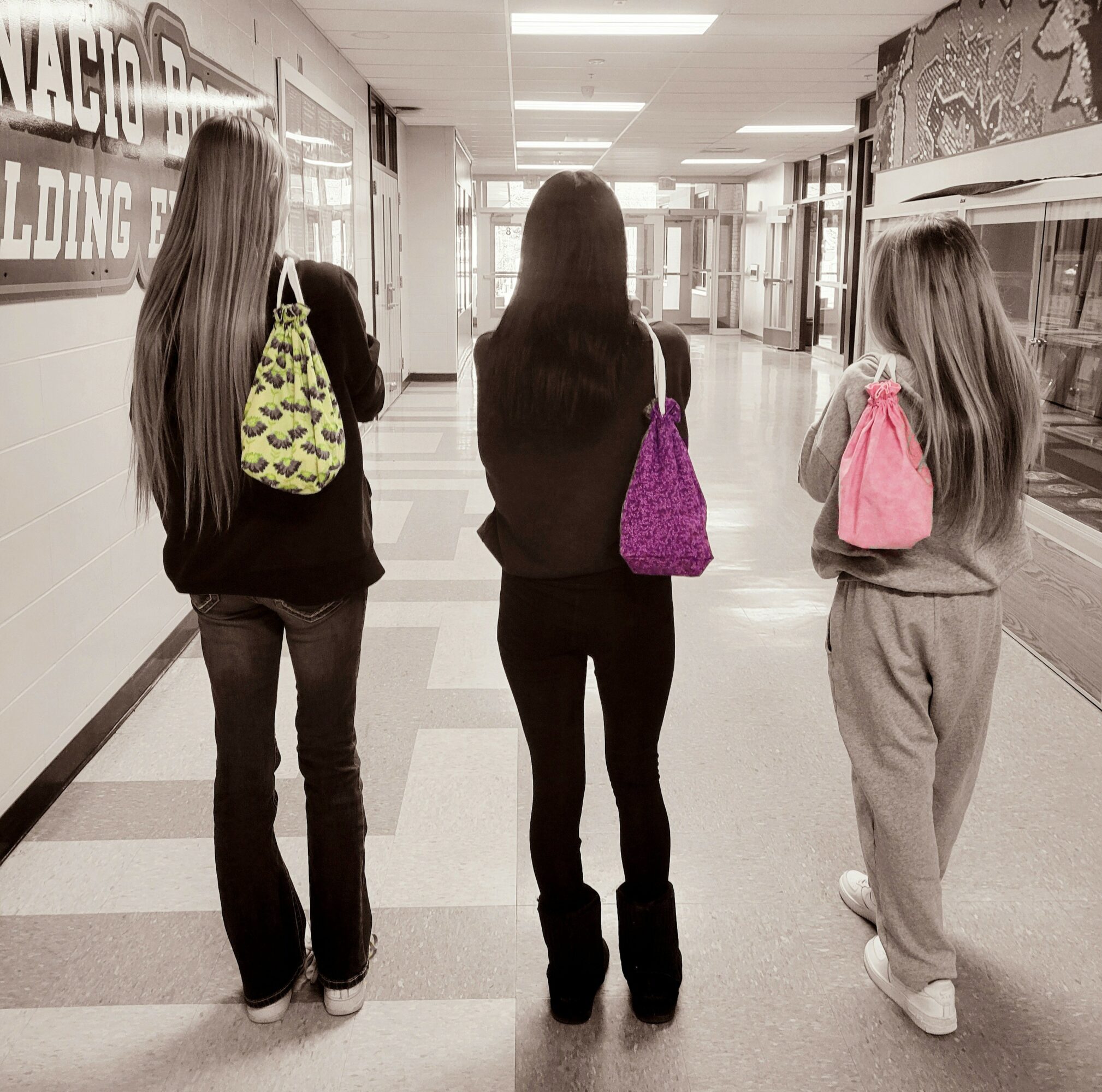
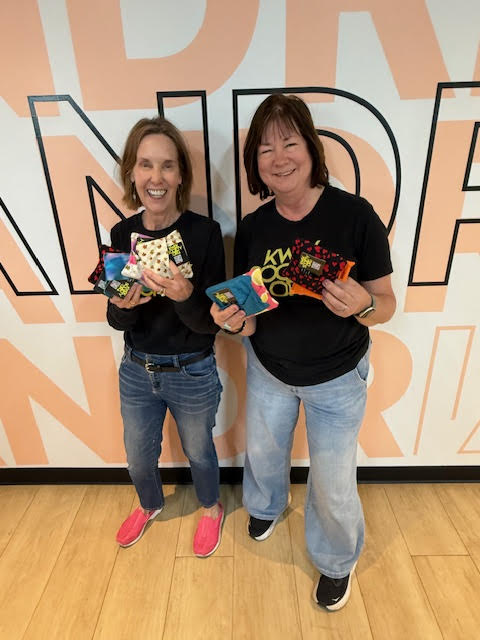
Have there been obstacles? It’s been a lot smoother and we have expanded more quickly to reach more menstruators than I ever would have imagined. That’s due to the many folks who have lent their support, whether through money or in-kind donations, purchases of period care items from our Amazon wish list (link: https://www.amazon.com/hz/wishlist/ls/UF1CUV0T12LN?ref_=wl_share), introducting us to foundations and other institutional funders, sharing our social media posts, sewing and filling our signature moon time and Auntie bags for us, and/or introducing us to schools with signficant Indigneous student populations who are at risk for period poverty and need our support.
But there have been bumps along the way, including (1) the COVID pandemic, which closed many schools, particularly reservation-based schools, halting our expansion for a time (and causing so much suffering and loss for so many); (2) tariffs and other polices that have resulted in our receipt of fewer in-kind donations of period care from the larger companies over the last two years — this has required us buy more product outright; and (3) as I’m sure your readers have seen as well, increasingly higher prices for period care items, and rising shipping costs.
Thanks for sharing that. So, maybe next you can tell us a bit more about your business?
Our day-to-day work consists of outreach to existing partner schools and community groups to determine products needed, coordinating donations of in-kind period care items from companies and individuals, purchasing items we cannot get donated, and shipping these, along with puberty education books when these
are requested by schools, to Indigenous students and their school peers at risk for period poverty.
We also work actively to gather high quality educational materials about puberty and periods, and traditional, celebratory teachings about moon times. We share these with those we support, so that they feel seen and safe. We also share these with the public, through our website. We network as much as we can to find new schools and groups with which to partner, and through our social media posts and newsletters, presentations and one-on-one contacts, we strive to attract and retain donors, office volunteers, and volunteer-sewists, and to educate the public about period poverty, menstrual equity, and the beauty of Indigenous cultures and people.
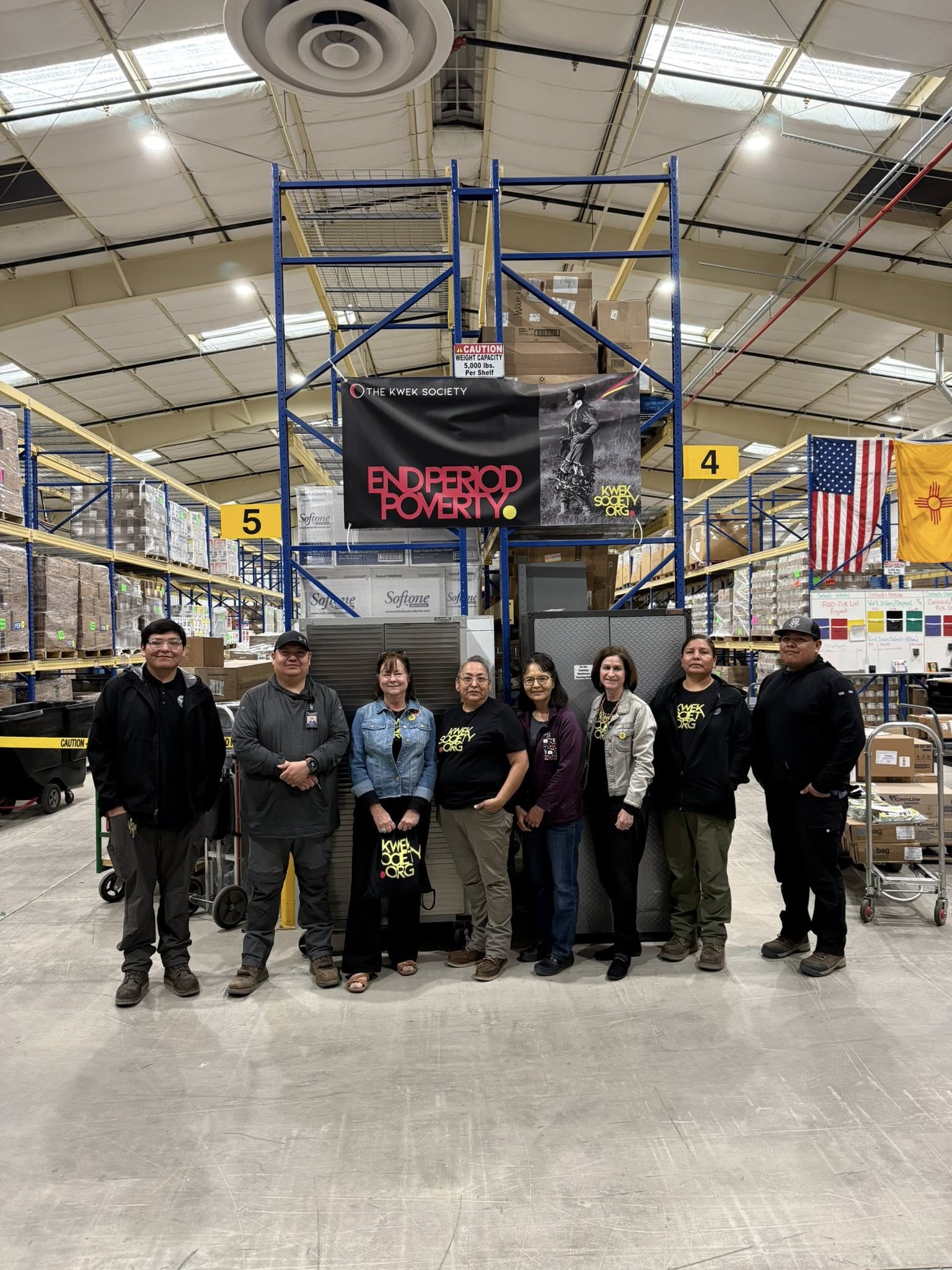
I do this work with a part-time Director of Operations and another lovely kwe’k (woman) who assists with our social media, along with our dedicated board of directors and many passionate donors and volunteers. Today, we serve schools, Native Nations, colleges, and select community-based organizations. Since our start in 2018, we have distributed 5.7 million period products and underwear, along with over 56,000 puberty education books and donor-sewn-and-filled moon time and Auntie bags (these are much larger than our moon time bags). We estimate that last year we supported some 32,000 persons with moon time care. We also offer quality sports bras through another nonprofit with which we collaborate, Bras for Girls (link: https://www.brasforgirls.org/) so that students don’t have to sit on the sidelines — through Bras for Girls, we have outfitted 12,000 students with sports bras to date.
We are beyond excited that we now operate coast to coast, but we know we are only getting started! Since ending period poverty is our core mission, we are always looking to partner with more U.S. schools. If readers know of any U.S. schools with sizeable Indigenous student populations, please reach out with solid contact details (trusted adults at the schools we support are key to our success), or even better, make an email introduction for us at thekweksociety@gmail.com!
One more note about our national reach — we are excited that it demonstrates to the public that we, Native people, are still here, even east of the Mississippi River! We use the hashtag #WeAreStillHere in many of our social media posts, highlighting that Native people live everywhere in the US, and we love that our program map shows that our work is coast to coast. You can view that map here (link: https://kweksociety.org/school-partners/).
If we knew you growing up, how would we have described you?
I was outgoing, but also studious. I liked to question authority, and still do! Ialways knew I would help people, but as a young person I thought that would be as a medical doctor. I loved history and writing and ultimately that led me to a History degree and then off to law school.
Contact Info:
- Website: https://kweksociety.org
- Instagram: https://www.instagram.com/thekweksociety/
- Facebook: https://www.facebook.com/KwekSociety
- LinkedIn: https://www.linkedin.com/company/28604091/admin/dashboard/
- Other: https://bsky.app/profile/kweksociety.bsky.social