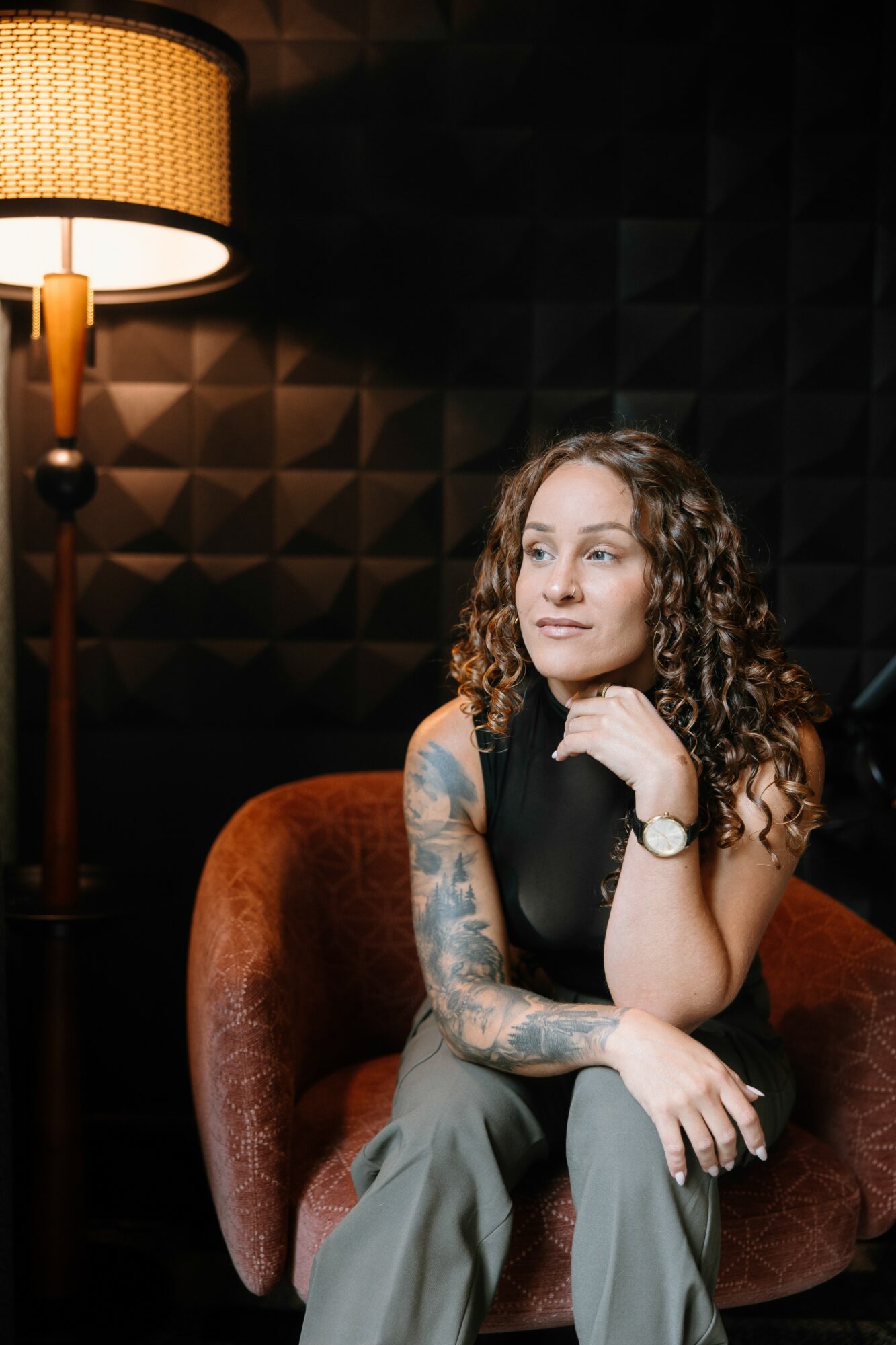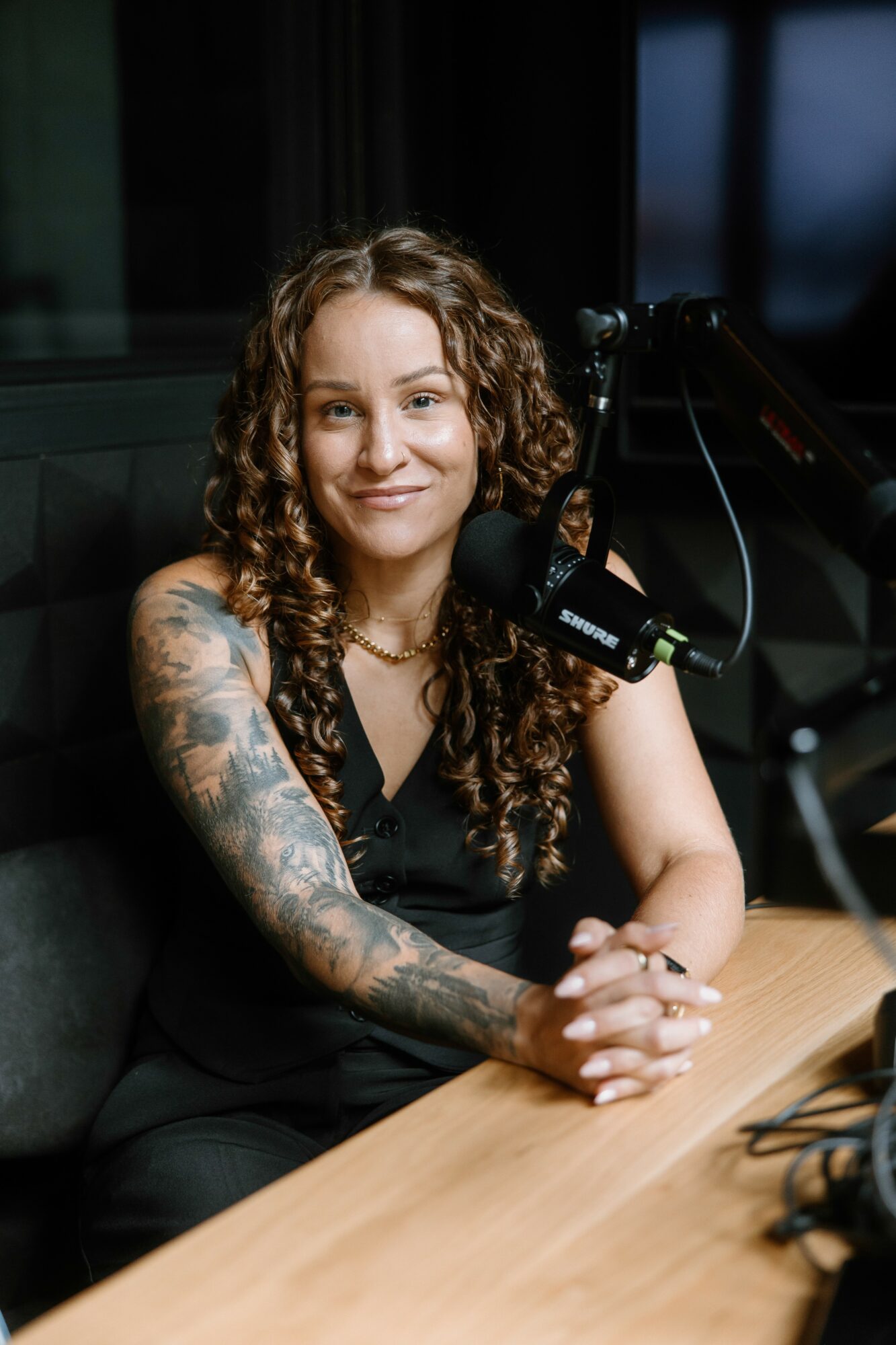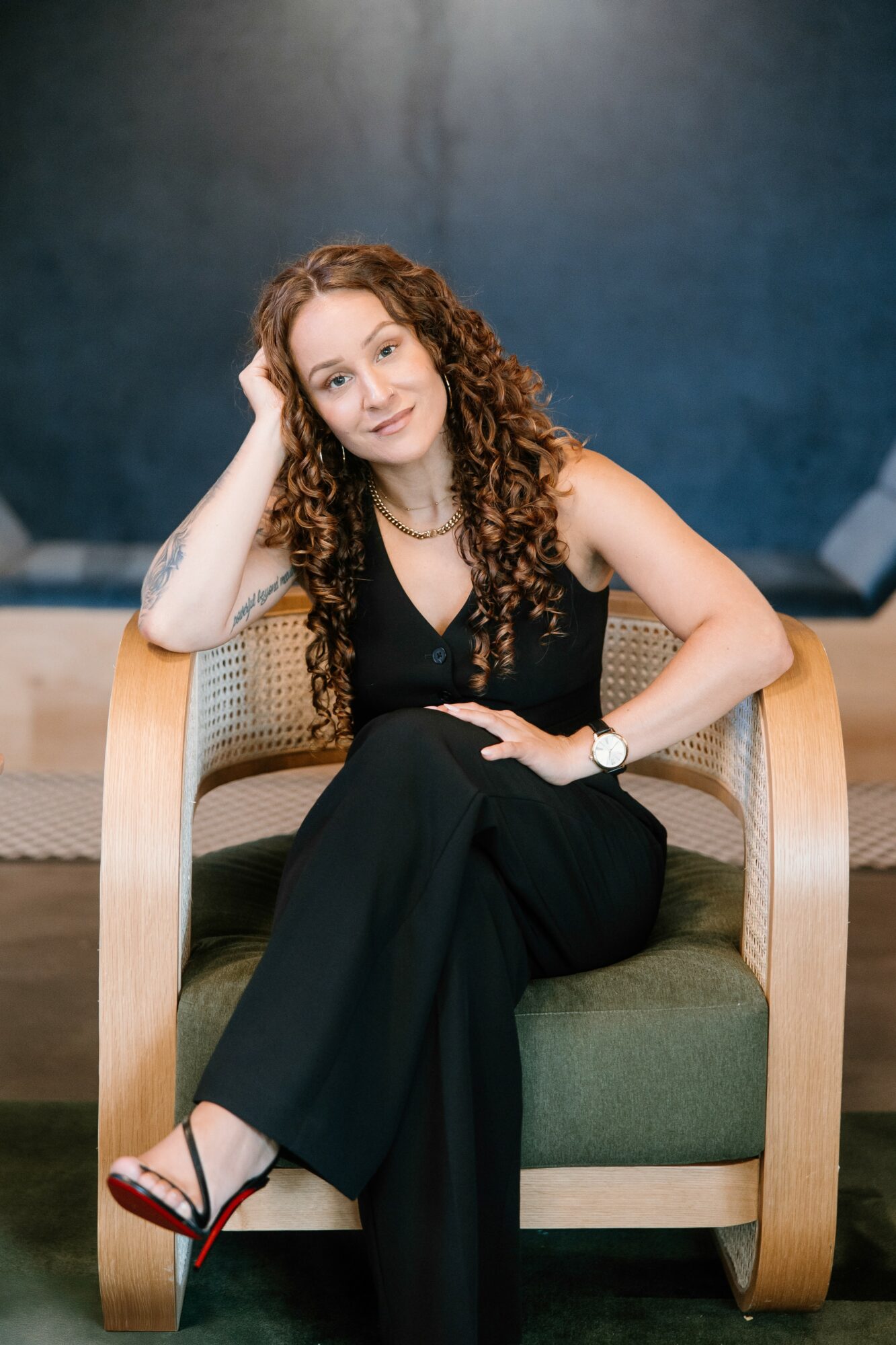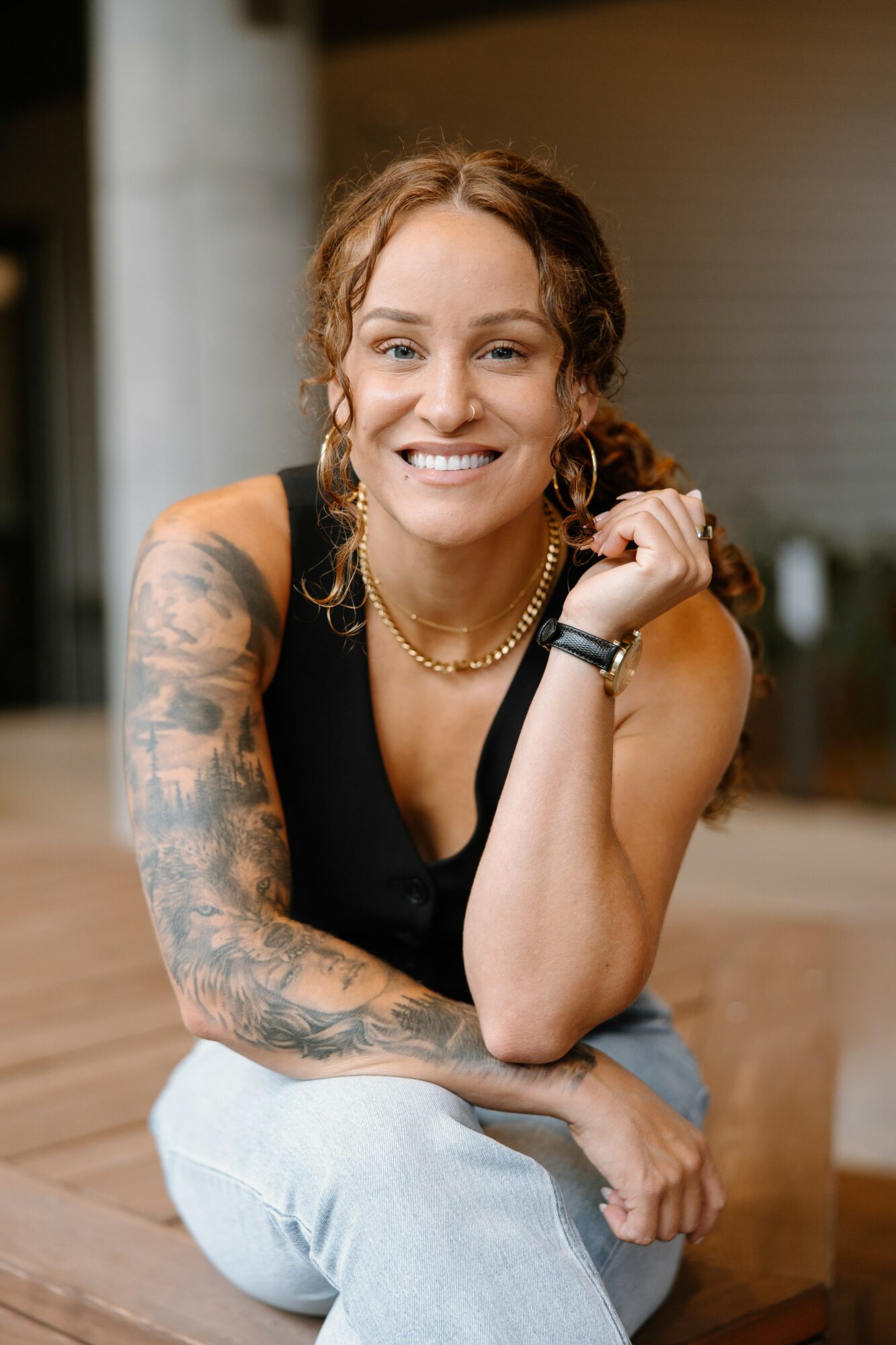






Today we’d like to introduce you to Jessica DeMarchis.
Hi Jessica, it’s an honor to have you on the platform. Thanks for taking the time to share your story with us – to start maybe you can share some of your backstory with our readers?
I’m a trauma survivor turned trauma therapist turned trauma-informed coach.
I grew up in Philadelphia and had a difficult childhood. Early on, I realized that education was my ticket to changing the trajectory of my life, so I poured myself into leadership, community service, and eventually social work. That path led me to graduate school, where I became a licensed trauma therapist specializing in working with undocumented women and children with complex trauma histories.
Over the years, I published research, designed organizational programs, taught at the graduate level, and spoke on trauma-informed care, self-care, and preventing vicarious trauma. I loved the work, but I also started noticing something in my own healing journey.
As someone who was highly self-aware and deeply motivated, I often felt frustrated by the pace of traditional therapy. At the same time, when I turned to coaching for growth, many coaches didn’t understand how trauma was shaping my patterns, decisions, and nervous system. Therapy often helped me understand why, while coaching pushed me toward what’s next—but neither fully bridged the gap I was looking for.
That realization changed everything. In 2018, I started my own coaching practice and began developing a blended, trauma-informed approach that combined the depth of psychology with the action and transformation of coaching. It wasn’t just effective for me but started helping hundreds of clients create meaningful, lasting change.
During my time in the coaching industry, I also noticed a much bigger problem: there was no standardized, evidence-based training for coaches working with people navigating trauma, behavior change, and personal growth.
That inspired me to launch The Art & Skill of Coaching podcast, where I teach practical, evidence-based coaching tools that go beyond surface-level self-help. The podcast eventually became the foundation for my trauma-informed coaching certification, where I now train coaches, leaders, supervisors, and service providers to confidently help people heal, grow, and create lasting change.
Today, our company has surpassed seven figures in revenue, we’ve certified more than 50 trauma-informed coaches, and we’re just getting started. My mission is simple: to raise the standard of coaching by making trauma-informed, evidence-based skills the norm, not the exception.
We all face challenges, but looking back would you describe it as a relatively smooth road?
Definitely not.
One of the biggest challenges was leaving community mental health to build a private coaching practice. My identity was deeply tied to serving underserved populations, and I wrestled with a lot of guilt about charging for my work and building a business. It took time to realize that impact isn’t determined by your setting but by the lives you change. And coaching allowed me to reach more people, create more sustainable change, and build a life where I could continue doing this work for the long term.
The second challenge was becoming an entrepreneur. There’s no graduate program that teaches you how to build a business. I had to learn marketing, sales, leadership, product development, hiring, and every other hat that comes with growing a company, all while trying to raise the standard in an industry that often lacks regulation and credibility.
And then there’s the human side that people don’t always see. I’ve built this business while navigating IVF, caring for family, experiencing heartbreak, a global pandemic, cancel culture, and managing the inevitable disappointments that come with entrepreneurship. Ideas fail. Launches flop. Income fluctuates. You make mistakes publicly. You face criticism.
But those experiences have made me a better leader and a better coach. They remind me that resilience isn’t about avoiding hard seasons, it’s about learning how build capacity, extract the value, and to keep showing up with integrity, even when life and business don’t go according to plan.
Great, so let’s talk business. Can you tell our readers more about what you do and what you think sets you apart from others?
I run a trauma-informed coaching company with two core missions: helping ambitious female leaders, founders and entrepreneurs create sustainable success through one-on-one coaching, and raising the standard of the coaching industry by training coaches to become truly skilled practitioners.
What sets my work apart is the combination of clinical expertise and evidence-based coaching. As a former trauma therapist, I bring the science of psychology, nervous system regulation, and behavior change into coaching in a practical, actionable way. I believe coaching is more than having great conversations or being a supportive presence, it’s a skill that can be learned, practiced, and mastered with proper training.
And because coaching is currently an unregulated industry, I’m passionate about helping coaches become more than well-intentioned. Before we’re solving a problem, we’re working with a person. That means understanding human behavior, recognizing the impact of trauma, and knowing how to facilitate change in a way that’s both safe and effective.
Everything we do reflects that philosophy. Whether I’m coaching a high-achieving founder or certifying the next generation of coaches, the standard is the same: high-quality, relationship-centered, evidence-based training that prioritizes real results over quick fixes.
I’m especially proud of the integrity behind our brand. We don’t chase trends- we teach timeless, research-informed skills that help people create lasting change. Our goal is simple: better-trained coaches, better client outcomes, and more sustainable success for the people they serve.
How do you define success?
My definition of success has evolved with every season of my life.
Early on, success meant being busy, fully booked, and hitting the next revenue milestone. Like many entrepreneurs, I equated growth with doing and making more.
Today, I define success by two things: impact and wealth.
Impact means the quality of transformation my clients experience and the contribution I’m making to the coaching industry by raising the standard of trauma-informed, evidence-based coaching. I’m far more interested in the lives changed than the numbers.
Wealth has also taken on a broader meaning. It’s not just business revenue, it’s building equity, creating long-term financial security, generating opportunities for my family, and being a good steward of the resources my business creates so I can give back in meaningful ways.
As I’ve grown into the role of CEO, success has become less about doing everything myself and more about leading well. It’s about protecting my energy and creativity, building a team, and creating a business that supports my life instead of consuming it.
I imagine my definition of success will continue to evolve, but I hope one thing always stays the same: building something that creates meaningful change while allowing me to live a full life.
Contact Info:
- Website: https://www.jessicademarchis.com
- Instagram: https://www.instagram.com/jess_demarchis_coaching
- Youtube: https://www.youtube.com/@JessicaDeMarchis
- Other: https://open.spotify.com/show/5MOu9joJSJIBNQoKl5TCCj?si=4b0cde688bb9496c