




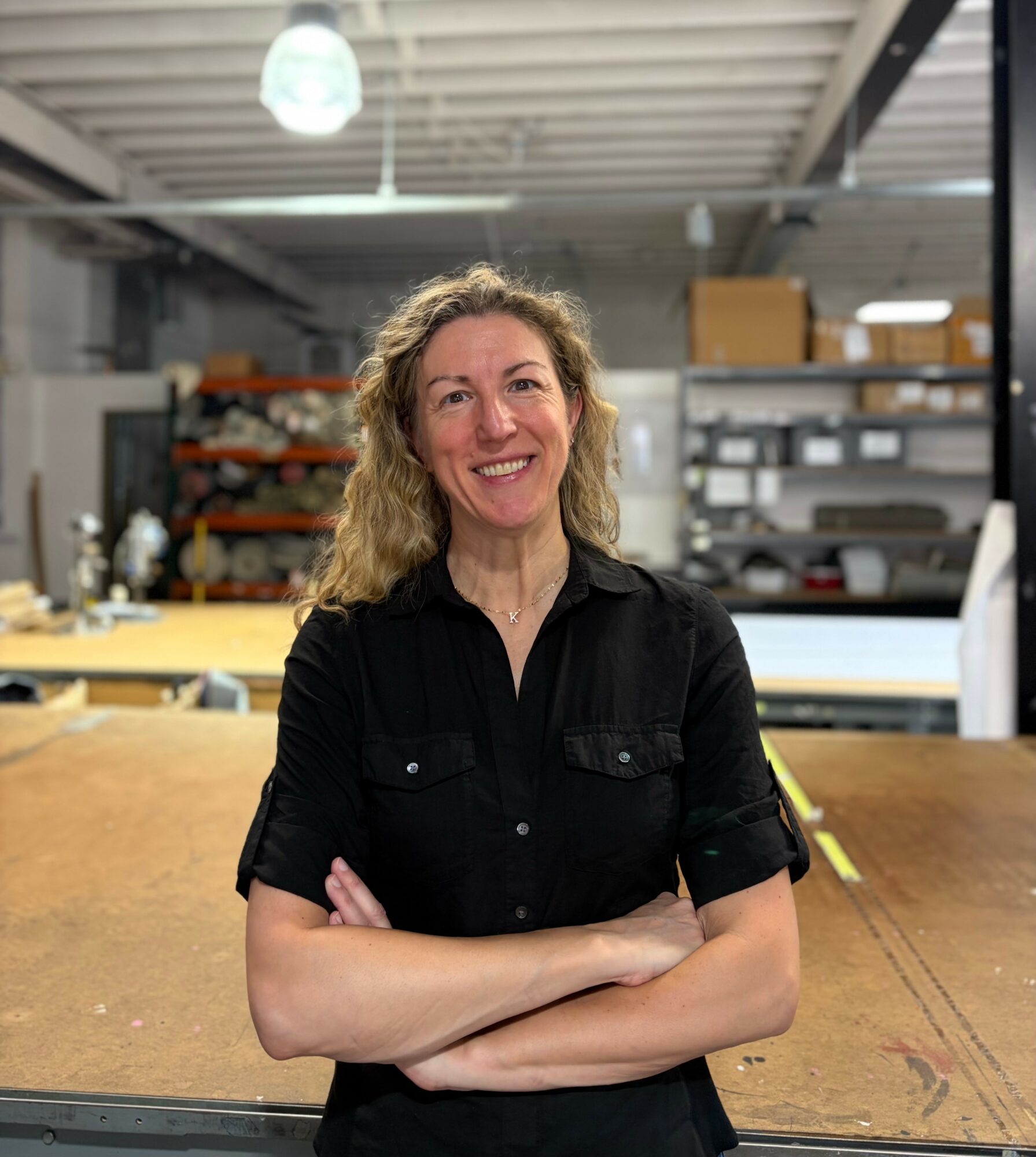
Today we’d like to introduce you to Kim Baker.
Hi Kim, can you start by introducing yourself? We’d love to learn more about how you got to where you are today?
For 25 years, I worked as a Physician Assistant in hospital medicine and critical care, including serving as a medical director. While I loved caring for patients, I reached a point where I was ready for a new challenge. I had always wanted to own a business, so I spent nearly a year and a half looking for the right opportunity.
I seriously considered more than 20 businesses before Raleigh Denim came along. I wasn’t looking to start from scratch. I wanted an established company with a strong foundation that I could grow. When I met the founder and visited the workshop, everything just clicked. It combined craftsmanship, creativity, and American manufacturing in a way that immediately resonated with me.
Timing mattered too. My daughters were already heading off to college, so it seemed like the right time to make the jump to something completely new and different from the world I’d previously spent so much time in. So, I made the leap, and that’s how I ended up here, owning and running Raleigh Denim!
Can you talk to us a bit about the challenges and lessons you’ve learned along the way. Looking back would you say it’s been easy or smooth in retrospect?
It hasn’t been a smooth road, but I expected that going in. I wasn’t just buying a business, I was stepping into an industry I knew very little about.
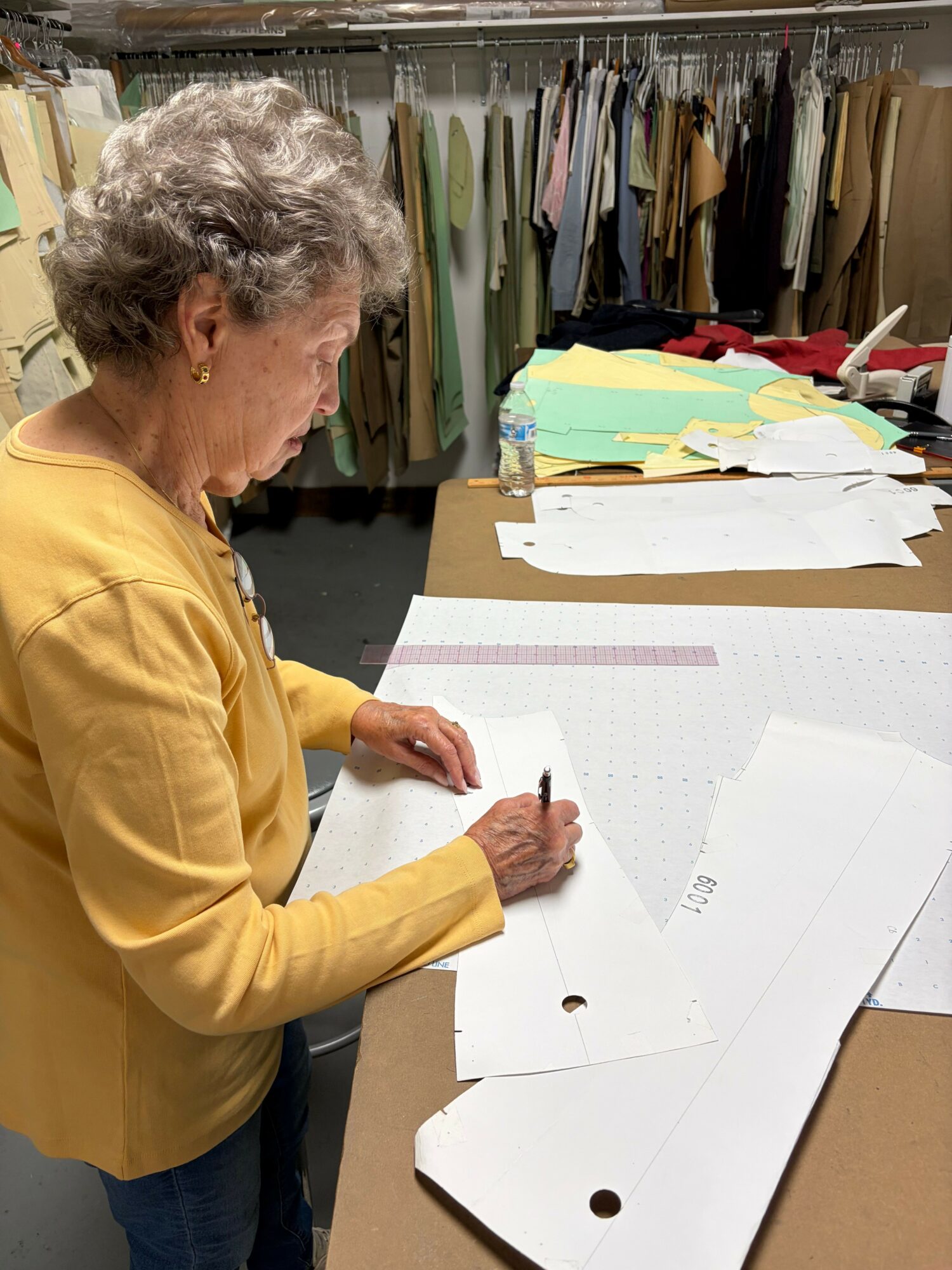
The biggest challenge has been learning how fashion and manufacturing actually work. In medicine, the path is fairly linear: diagnose, treat, care for the patient. Manufacturing is a completely different process. Every product starts as an idea, then moves through design, sourcing, pattern development, production, inventory, and marketing before it ever reaches a customer. There are a lot of moving pieces, and they all have to work together.
On top of that, denim has its own history, terminology, and traditions…and our customers know all of it! So a lot of my first several months has been immersion: listening to our team, learning from the broader denim community, and leaning on the people who’ve been doing this far longer than I have.
I inherited a genuinely talented group who care deeply about what they make, and I have tried to approach the business with curiosity rather than pretending I already have the answers. That’s still true today. I’m learning something new most weeks, and honestly, that’s part of what makes the work exciting!
Thanks – so what else should our readers know about Raleigh Denim?
Raleigh Denim is a small-batch American denim company built around craftsmanship, quality, and community. While we’re best known for our premium jeans, what really sets us apart is how we make them and the experience we create around them.
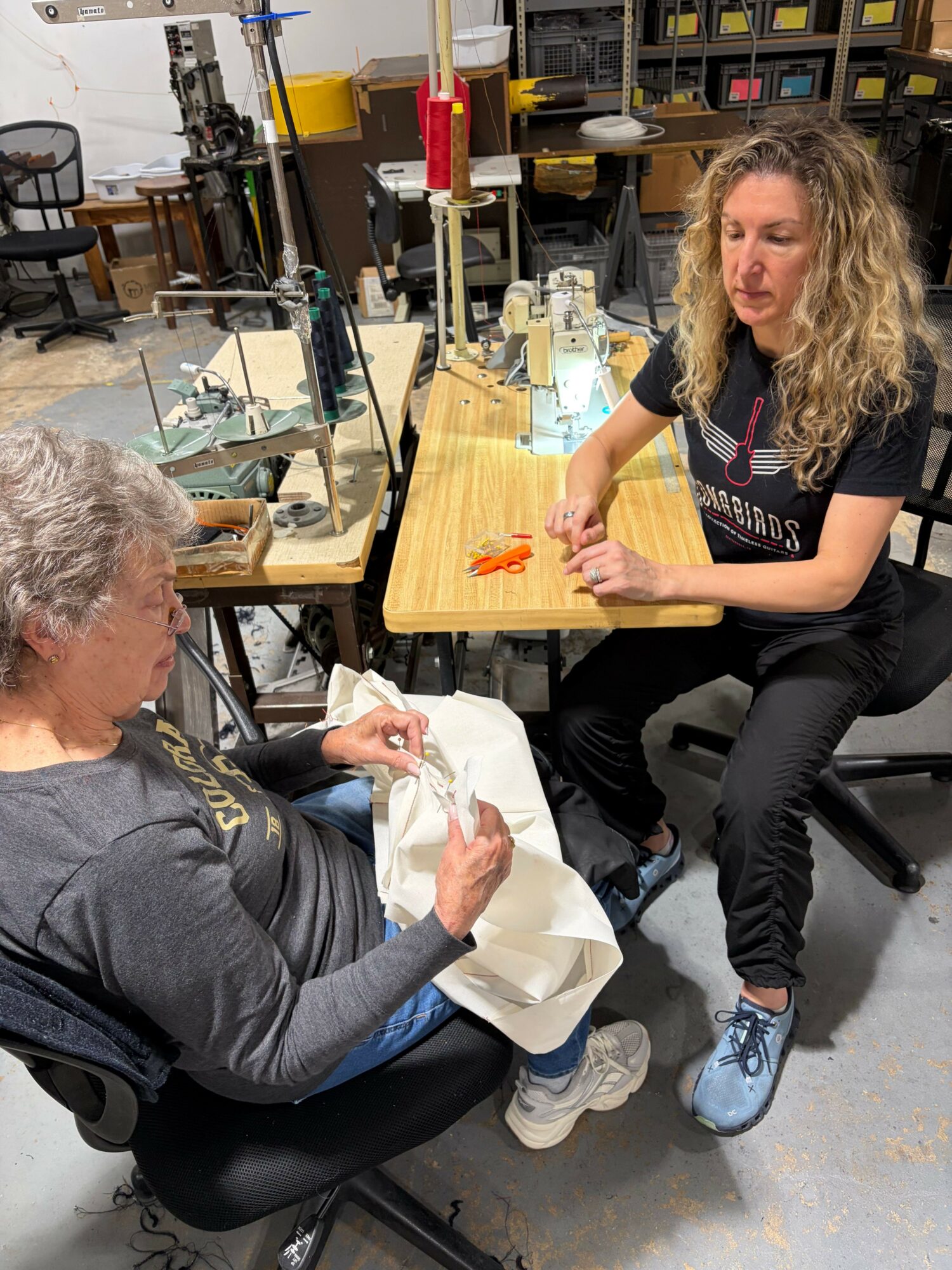
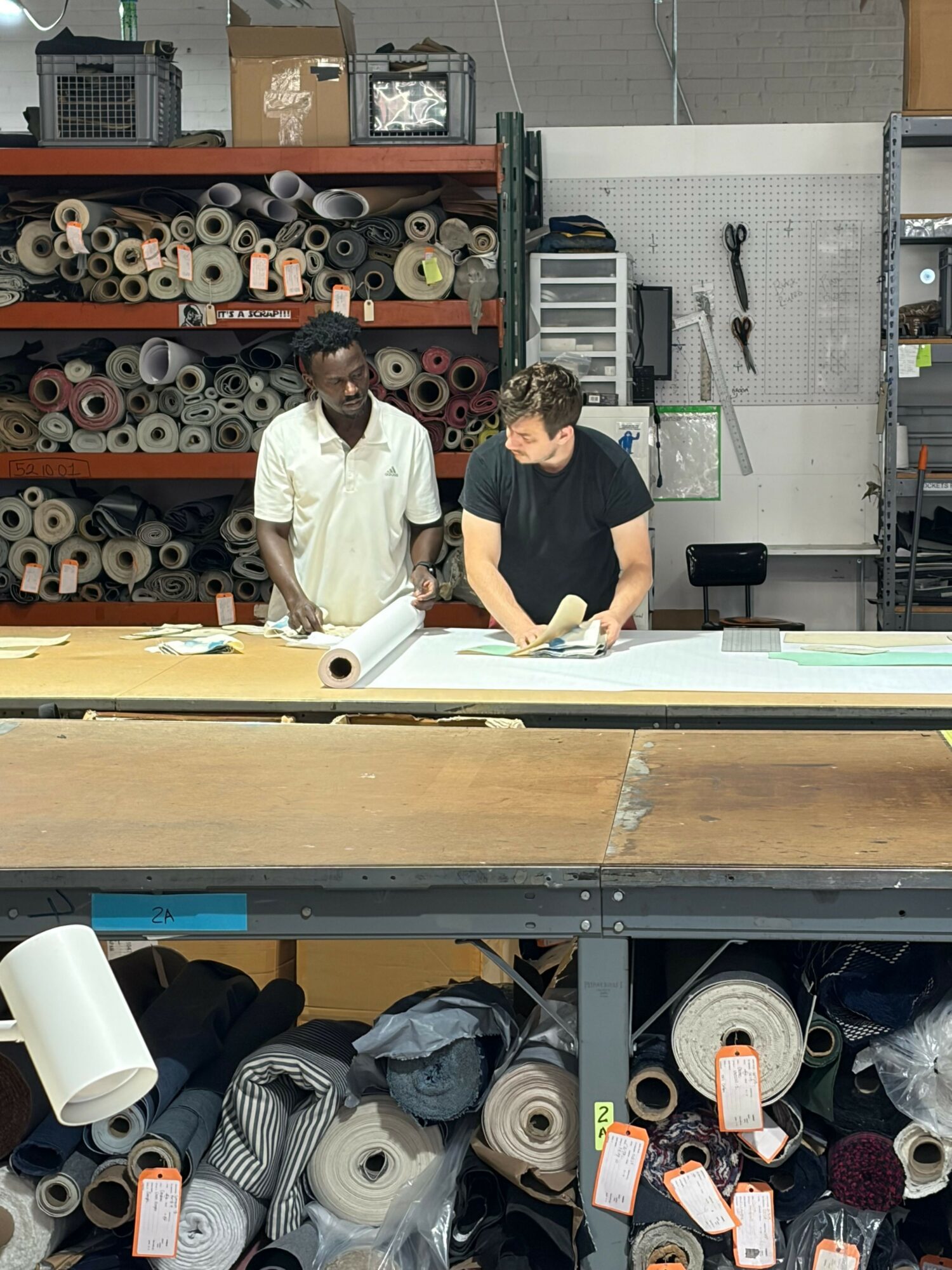
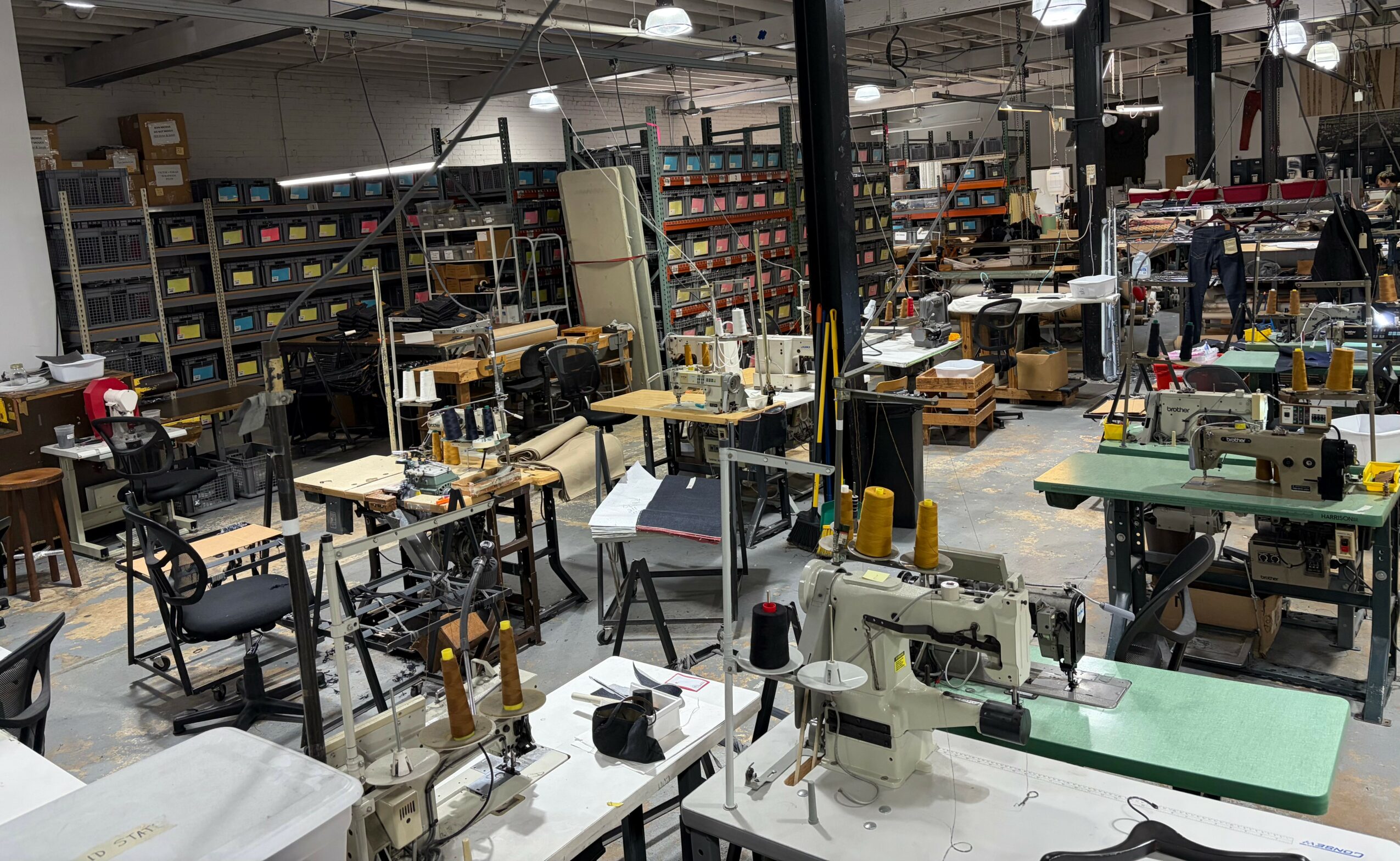
Much of our raw denim is cut and sewn in our Raleigh workshop, where our team focuses on the details that mass production often overlooks. We specialize in selvedge denim, which is a slower, sturdier style of weaving that most of the industry abandoned decades ago because it’s harder and more expensive to source. We work with a small number of mills, including Nihon Menpu in Japan, and still have a limited reserve of deadstock fabric from Cone Mills White Oak, the legendary North Carolina mill that closed in 2017. We intentionally produce in small batches because our priority has never been volume , but in making products that are built to last and worthy of the people who wear them.
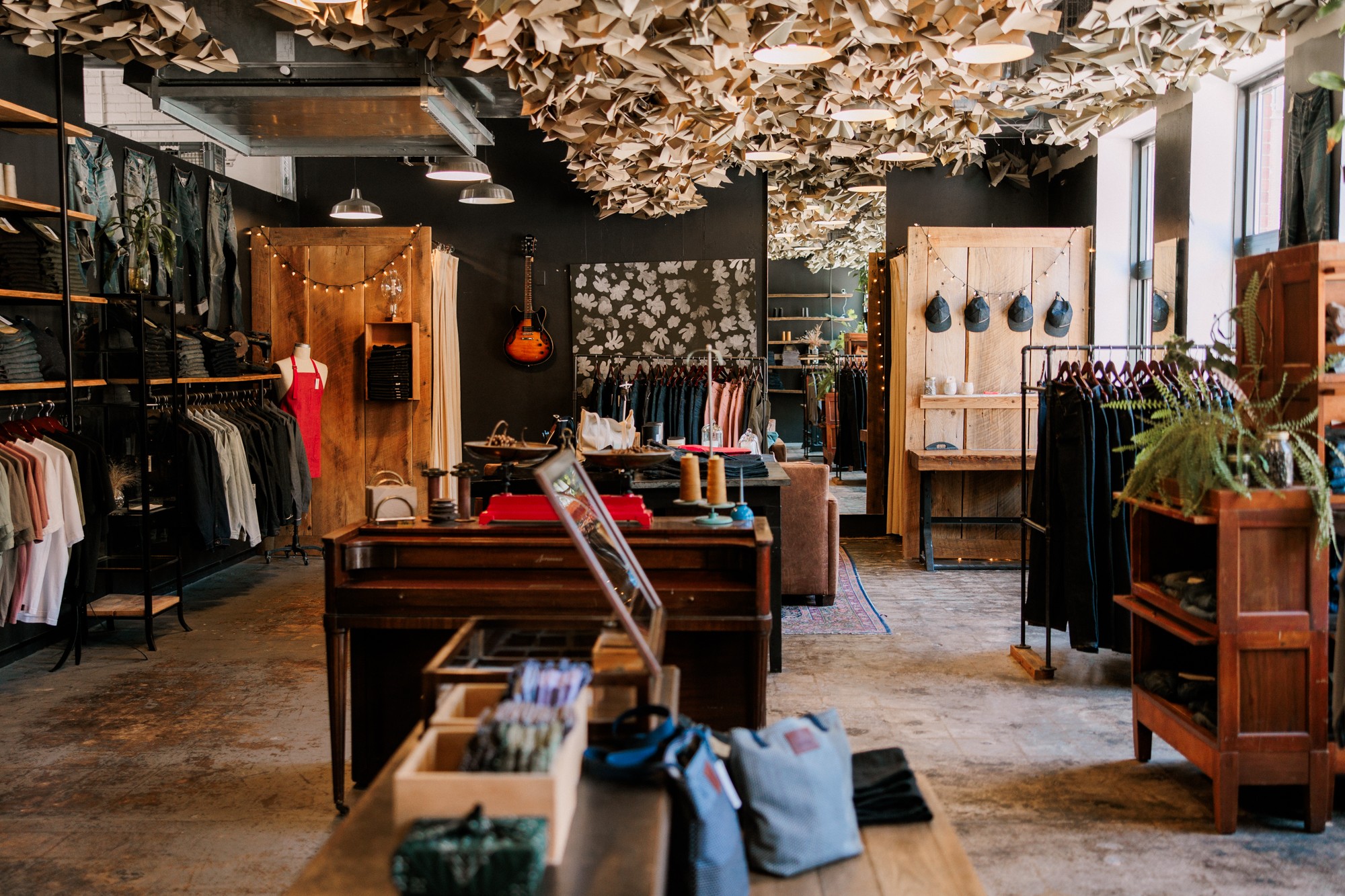
What makes Raleigh Denim unique is that customers can experience the process firsthand. We open our workshop for tours so people can see where and how their garments are made, meet the people behind the sewing machines, and gain an appreciation for the craftsmanship that goes into every piece. We also host corporate events, community gatherings, and live music, creating a space that’s about much more than shopping.
I’m especially proud that we’re helping preserve a tradition that is becoming increasingly rare. American-made denim manufacturing has declined dramatically over the years, and every garment we make represents a commitment to keeping those skills alive. We believe people value knowing who made their clothing, how it was made, and why it was made that way.
At the end of the day, we hope people leave with more than a great pair of jeans. We want them to leave with a connection to the craftsmanship, to the people who made it, and to the Raleigh community that makes this business possible.
If you had to, what characteristic of yours would you give the most credit to?
If I had to choose one quality, it would be curiosity.
It shows up in how I approach the business day to day — asking our team why we do something a certain way, asking customers what draws them to raw denim, asking other makers how they solve problems we’re still working through. I’ve found that the moment you assume you know the answer, you stop noticing the better one.
Curiosity also keeps me humble, which I think matters even more as a business owner. It’s easy to want to look like you have it all figured out. But the owners and leaders I admire most are the ones still asking questions, still willing to be surprised. That’s the mindset I hope I never lose, no matter how long I do this.
Contact Info:
- Website: https://raleighdenim.com
- Instagram: https://www.instagram.com/raleighdenim/
- Facebook: https://facebook.com/RaleighDenim