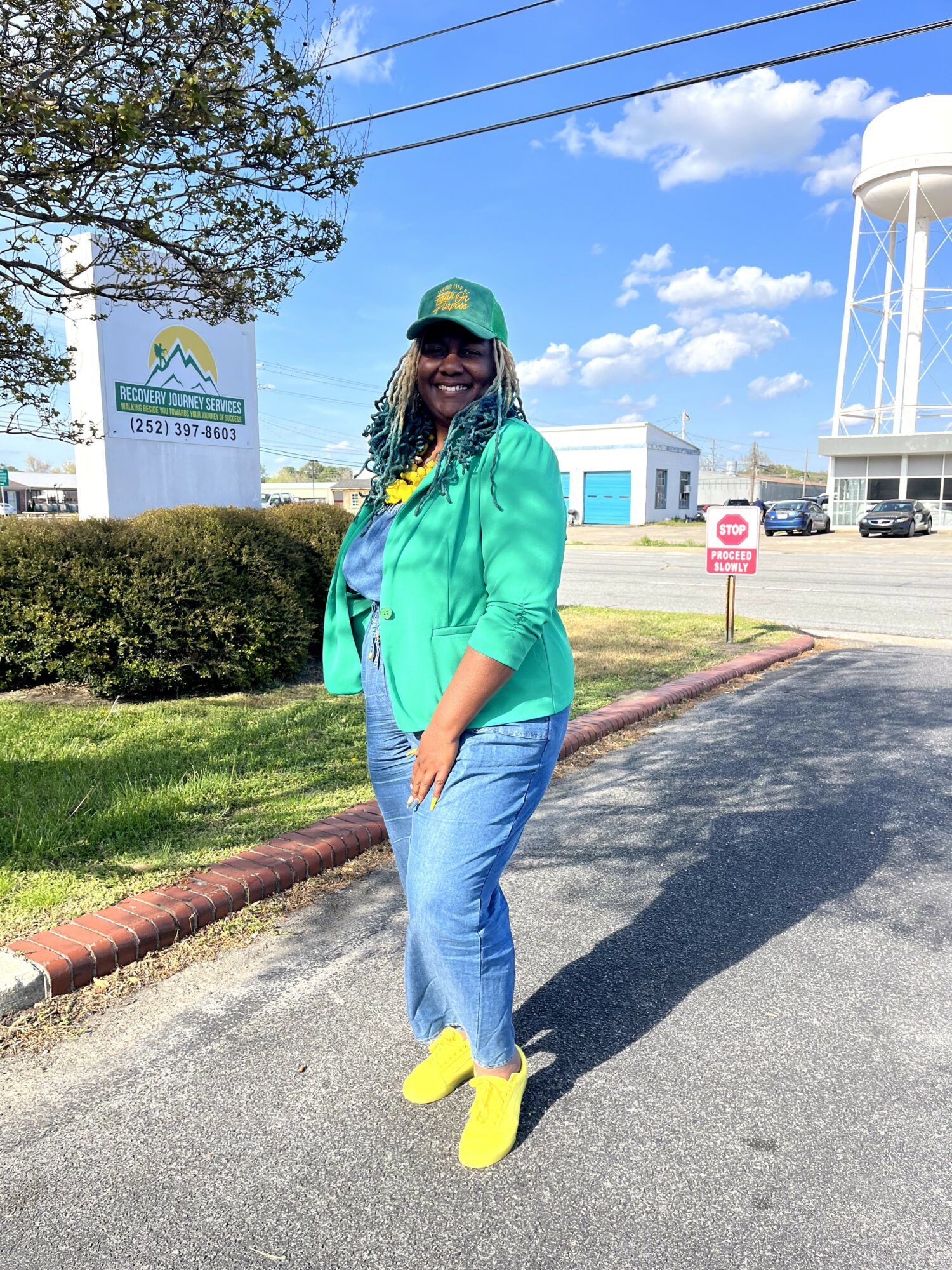





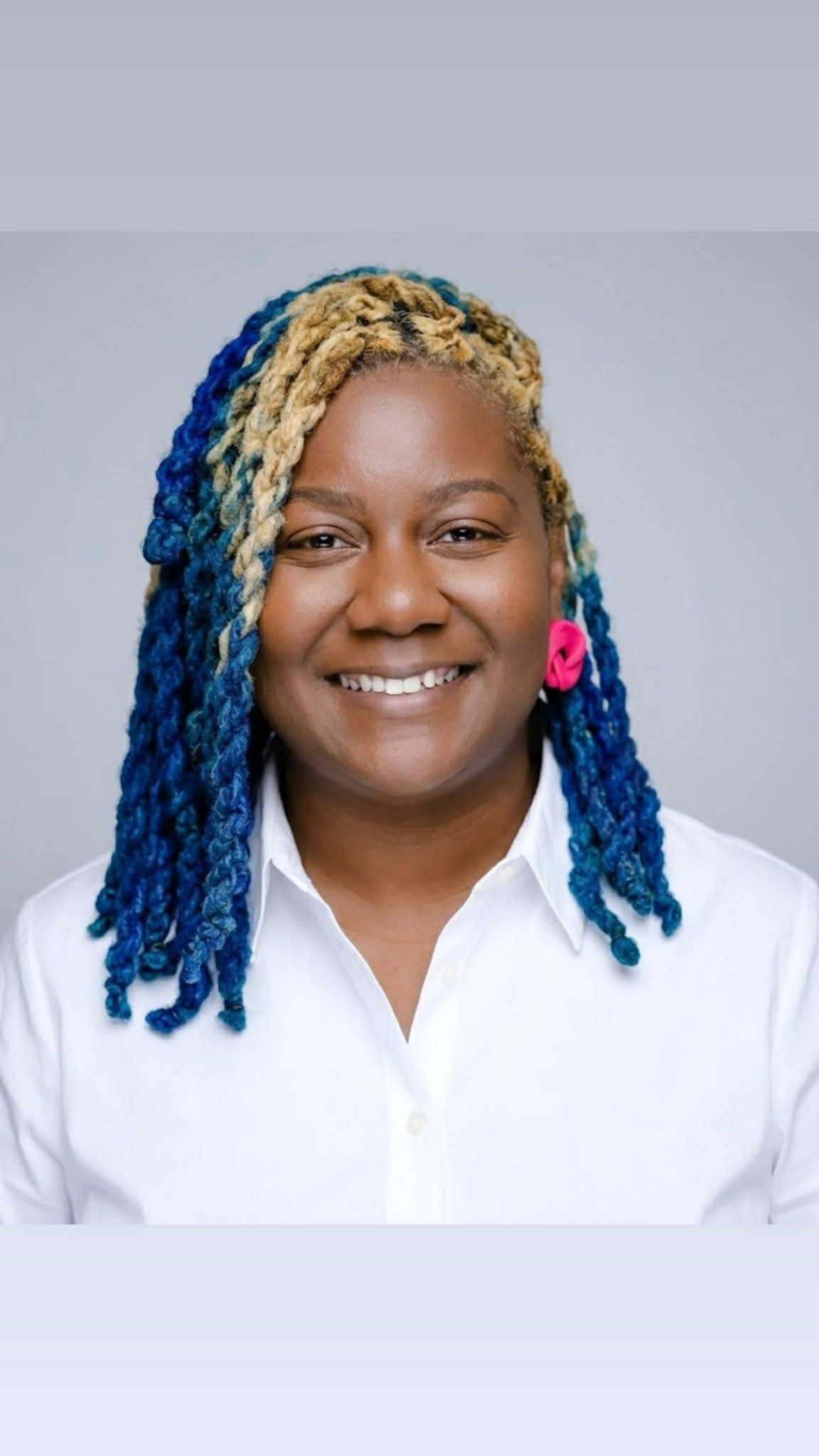
Today we’d like to introduce you to Dr. Tyeasia Dorsey.
Hi Dr. Tyeasia, so excited to have you on the platform. So before we get into questions about your work-life, maybe you can bring our readers up to speed on your story and how you got to where you are today?
I am the proud mother of an amazing daughter and have dedicated my life to serving others. My career in the helping profession began at the age of 16 as a Certified Nursing Assistant (CNA), where I developed a passion for supporting individuals in need and discovered my desire to make an even greater impact.
I earned my Bachelor’s degree in Rehabilitation Studies with a concentration in Addiction from East Carolina University. I then obtained my first Master’s degree in Conflict and Peace Studies from University of North Carolina at Greensboro, followed by a second Master’s degree in Addiction Counseling from Liberty University. Committed to advancing my knowledge and expertise, I continued my education at Liberty University, where I earned a Doctoral degree in Community Care and Counseling with a specialization in Trauma-Informed Care.
In addition to my academic and professional accomplishments, I am the author of three books and the founder of Recovery Journey Services, a mental health and substance use treatment agency located in Tarboro, North Carolina. I am also the founder of Margaret’s Safe House, an organization dedicated to providing safe, supportive independent living opportunities for men and women experiencing homelessness and facing mental health challenges.
My mission is to empower individuals, promote healing, and create pathways to recovery, stability, and personal growth within the communities I serve.
We all face challenges, but looking back would you describe it as a relatively smooth road?
My journey has been rewarding, but it has not always been easy. Like many professionals pursuing higher education while balancing family, work, and personal responsibilities, I faced numerous challenges along the way. Building businesses from the ground up also came with obstacles. Securing resources, navigating regulations, and earning trust within the community required persistence, resilience, and faith. However, I have an amazing support network and I always put God first.
Alright, so let’s switch gears a bit and talk business. What should we know?
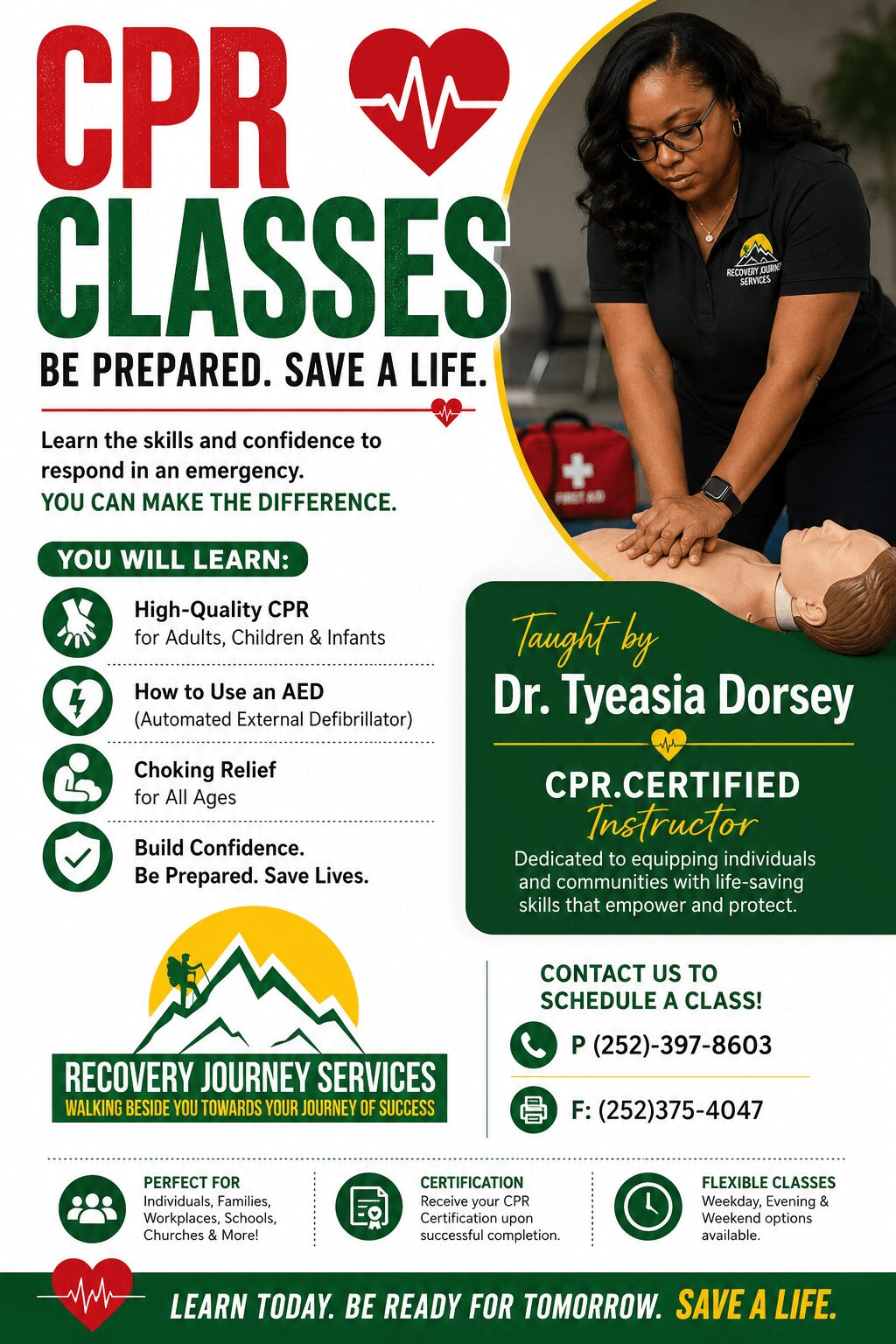
We are a mental health and substance abuse agency providing individual and group counseling. We are the only psychosocial rehabilitation service in Edgecombe County. We provide SAIOP AND SACOT treatment which are specialized intense services for those wanting to recover from addiction. Driving while impaired assessments and treatment are also offered. We are person centered and focus on the whole person. We also offer peer support services and CPR training.
Where do you see things going in the next 5-10 years?
Over the next 5–10 years, I believe the behavioral health industry will experience significant growth and transformation. One of the most important shifts will be the continued integration of mental health, substance use treatment, and primary healthcare services. Providers are increasingly recognizing that whole-person care leads to better outcomes, and I expect this trend to continue.
Another major development will be the expansion of trauma-informed care. As research continues to demonstrate the long-term impact of trauma on mental, physical, and emotional well-being, organizations will place greater emphasis on creating services that promote safety, empowerment, and healing. This is especially important for vulnerable populations, including individuals experiencing homelessness, addiction, and serious mental illness.
I also anticipate a growing focus on peer support services, recovery-oriented systems of care, and community-based interventions. Individuals with lived experience will continue to be recognized as valuable contributors to the recovery process, helping to reduce stigma and improve engagement in treatment.
Finally, I believe there will be increased attention to prevention, early intervention, and addressing social determinants of health. Factors such as housing, employment, education, and community support have a profound impact on mental health and recovery outcomes. As a result, behavioral health providers will need to work more collaboratively across systems to meet the complex needs of the people they serve.
Overall, I see the future of behavioral health moving toward more integrated, person-centered, accessible, and equitable care that prioritizes both recovery and long-term wellness.
This answer aligns well with your background as a behavioral health professional, agency owner, and advocate for trauma-informed and recovery-oriented care.
Contact Info: