




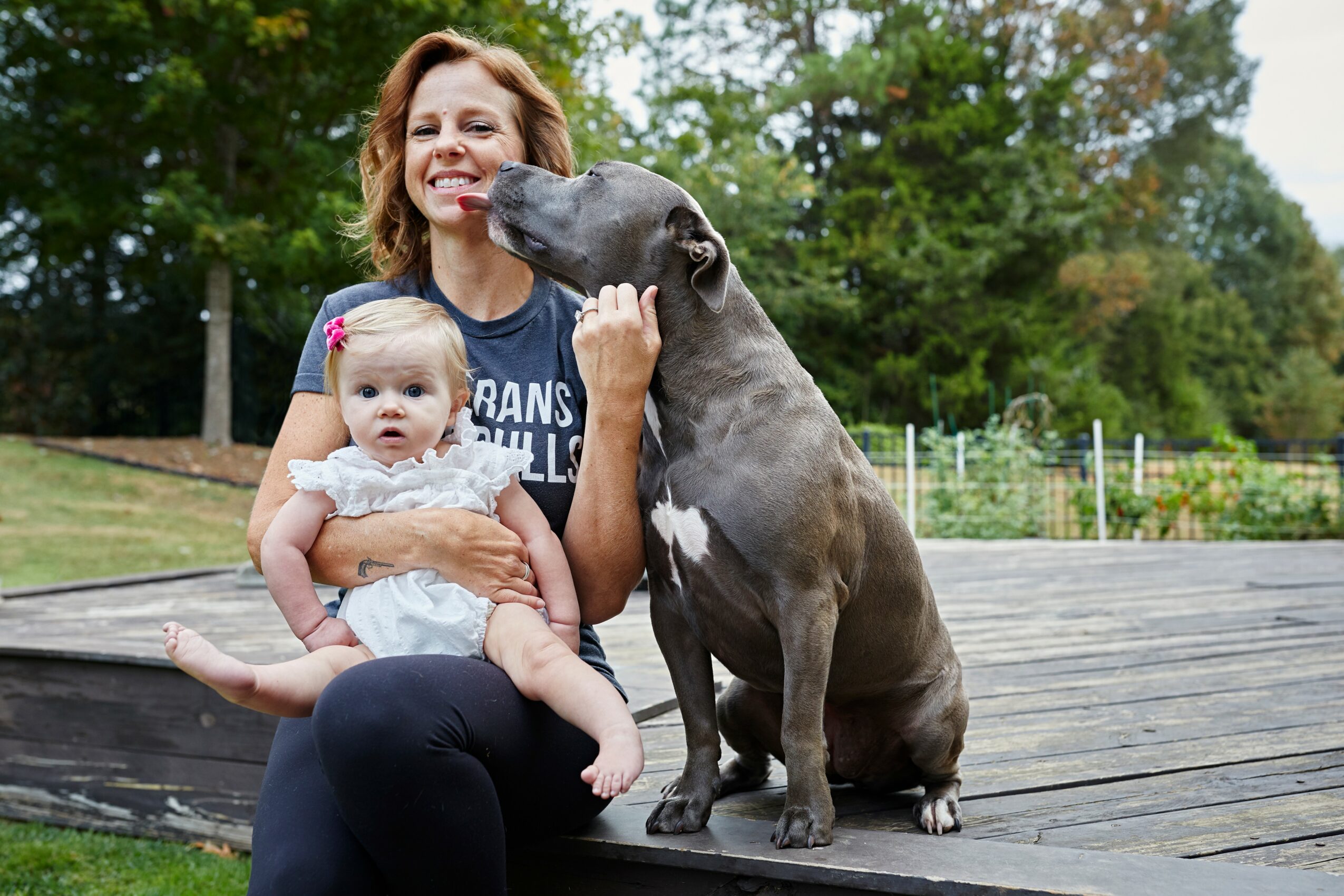
Today we’d like to introduce you to Sara Ondrako.
Hi Sara, it’s an honor to have you on the platform. Thanks for taking the time to share your story with us – to start maybe you can share some of your backstory with our readers?
I got my start in nonprofit work by doing things the wrong way at first, learning from it the hard way, taking a much-needed break, and then completely rethinking my solutions to a complex community problem before diving back in. In early 2004, I started a rescue organization for pit bull-type dogs- the most abused, neglected, and abandoned class of dogs- which were crowding shelters and being unnecessarily euthanized and stigmatized. Only a couple of years in, I was spending all of my money, my time outside of work and school, and my family resources to rescue, rehabilitate, and adopt out as many pit bull-type dogs as I could. I burnt out, and I burnt my family out, and came to the realization that it didn’t matter how many individual dogs I saved; the population in need was too great for rescue to be the answer. Rescue is necessary, but it will never solve the problem I set out to remedy. From there, the American Pit Bull Foundation was born as a long-term strategy to tackle community problems surrounding pit bull-type dogs and companion animals in general.
I’m sure it wasn’t obstacle-free, but would you say the journey has been fairly smooth so far?
Smooth is not an adjective in our lexicon 🤣 While helping people overcome unnecessary fears and turning them into advocates for pit bull-type dogs is incredibly rewarding, it’s also incredibly challenging. Most fears stem from ignorance, and through our Humane Education and Advocacy programs, we aim to dispel it and turn knowledge into power for animals and the people that love them. That said, fear is an emotional response and not everyone is brave enough to face it. This makes funding very difficult at times. For example, many people will donate to an organization like ours that pairs service dogs with veterans; however, many will also choose NOT to give to us because we specifically pair our veterans with pit bulls. We’ve been trolled, challenged publicly, and we didn’t start off with adequate funding – we had to fight for every dollar we’ve turned into something good for the communities we serve. We’ve had countless struggles – I think all nonprofits face their varying challenges – but like the dogs we represent, we were built with thick skin, unmatchable will, and unshakeable determination.
Alright, so let’s switch gears a bit and talk business. What should we know?
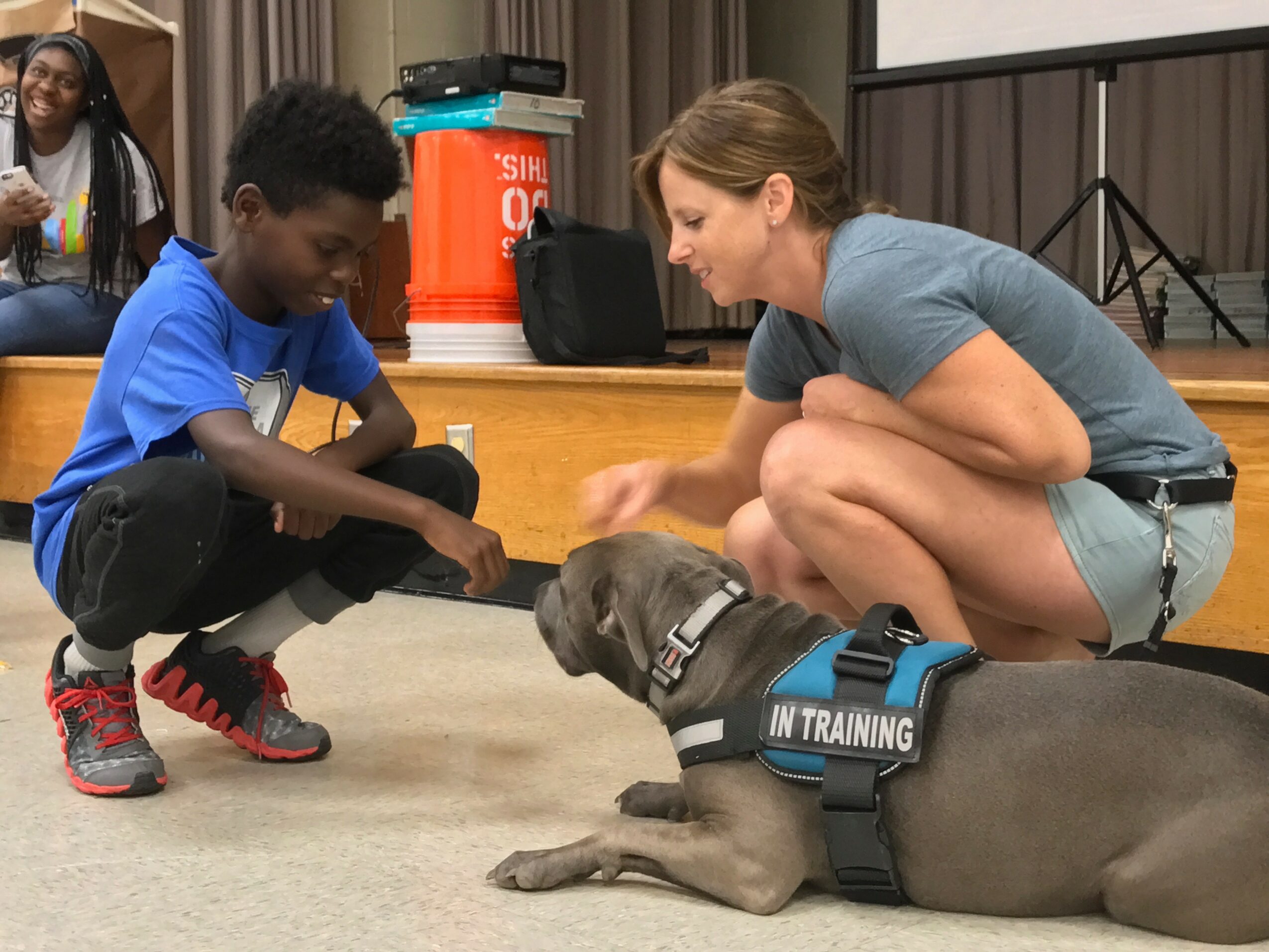
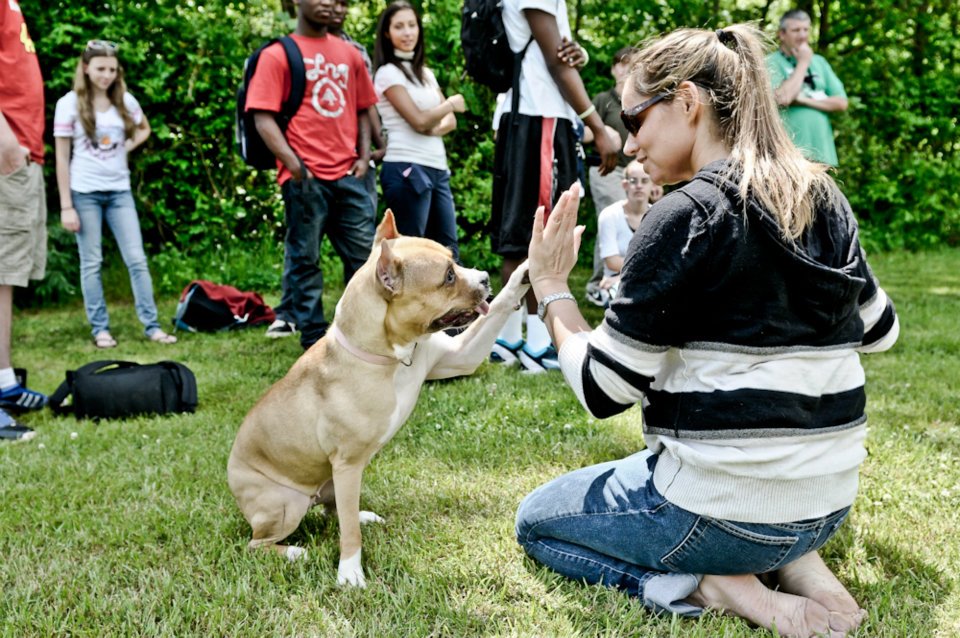
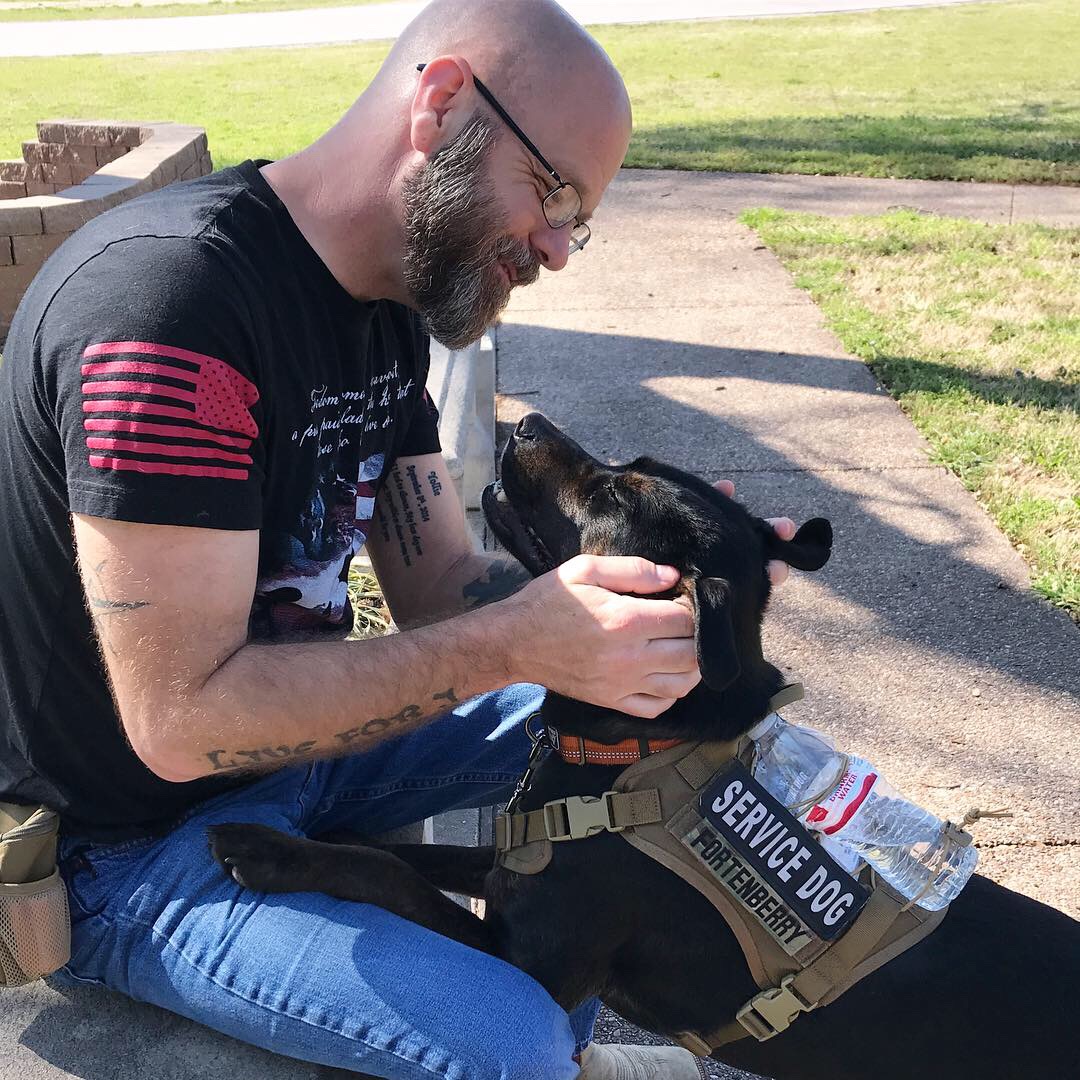
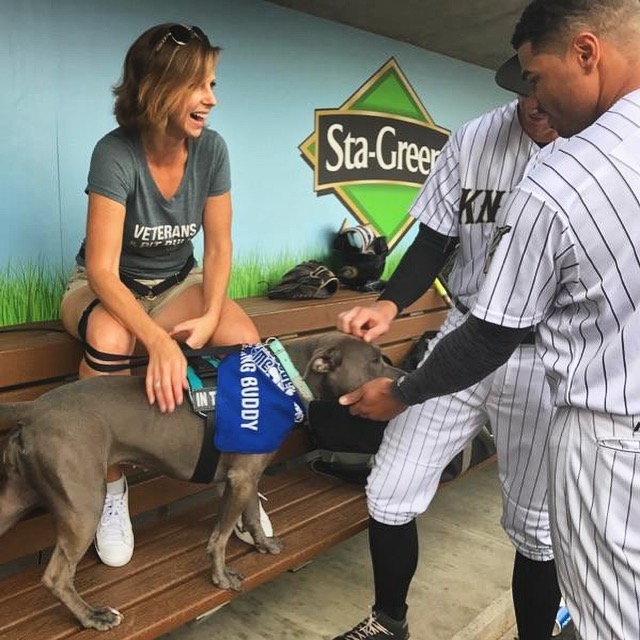
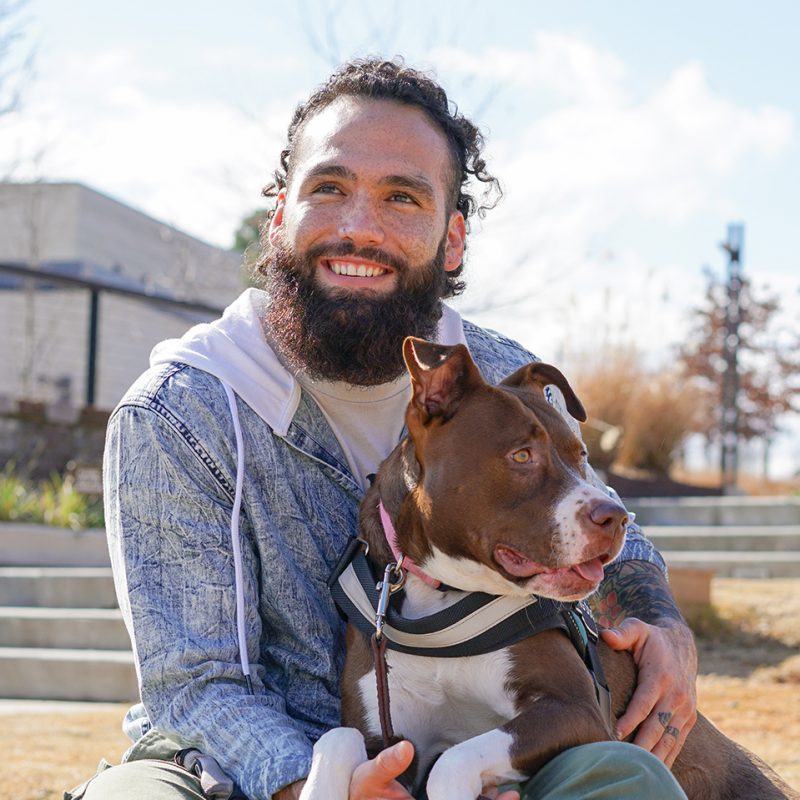
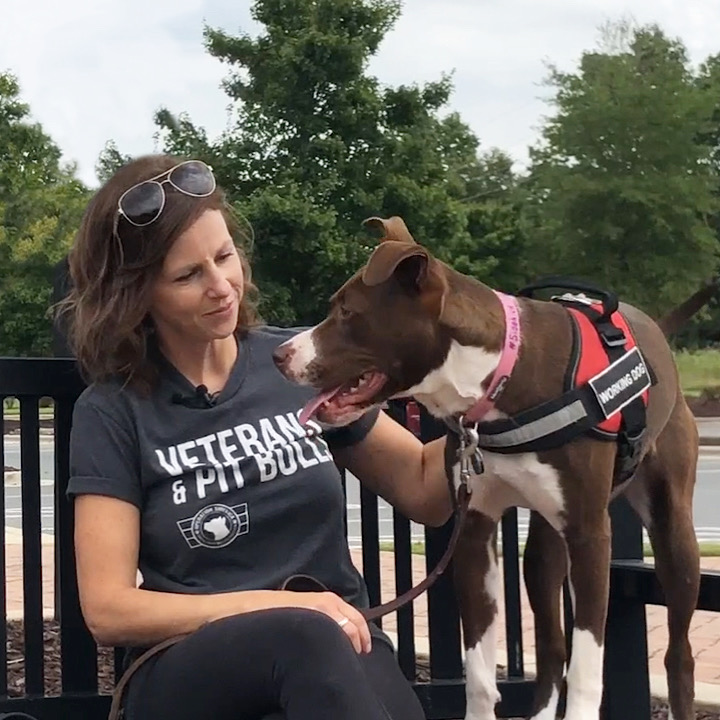
The American Pit Bull Foundation (APBF) hosts four community programs to promote responsible dog ownership through education, programming, and assistance. Through our Shelter Dog to Service Dog Program, Operation Sidekick, we create life-changing partnerships between veterans with PTSD and rescued, pit bull-type dogs trained for service work. Our Humane Education program empowers youth and families with the knowledge and skills to understand, care for, and advocate for dogs – fostering confident, responsible guardianship. Through our Outreach program, our volunteers help strengthen families in need by removing barriers to essential pet care and providing support to keep dogs in their homes and out of shelters. Our Advocacy program advances fair, humane treatment of pit bull-type dogs through evidence-based education, advocacy, and direct support for dogs and their people.
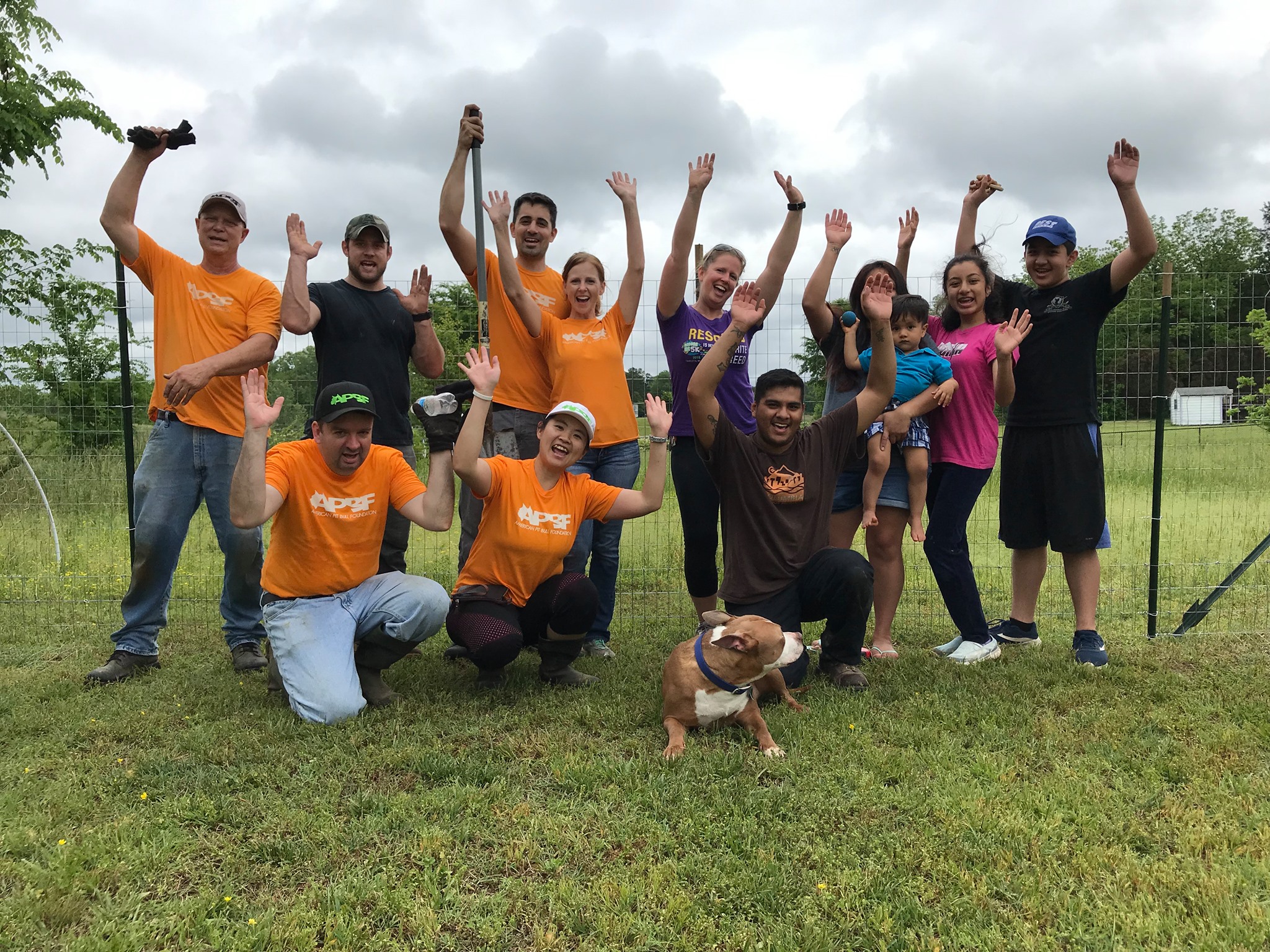
Our four programs make lasting change and impact an attainable goal, and our operations rely on public donations and passionate volunteers. We’ve developed a reputation as experts in the space and have become a go-to for journalists seeking answers to problems related to pit bull-type dogs, dog bite prevention, and animal welfare.
Alright, so to wrap up, is there anything else you’d like to share with us?
There are two common and detrimental misunderstandings among rescuers and the dog-loving community that need a megaphone to rectify: “It’s all in how they are raised” and “Save Them All.”
The phrase “it’s all in how they are raised” came from a desire to provide quick, concise education to dispel unwarranted fears about pit bull-type dogs, implying that if they are raised well, they’ll never have problems. This well-meaning intention leaves out half the equation: genetics. We are all a product of our environment AND our genetics, and dogs are no different. How they are raised matters immensely, but denying genetics is dangerous and can perpetuate the problem further when ignored. Rather than pretend that certain breed characteristics are wiped out by how a dog is raised, we should understand the purpose of behaviors, what to expect, and how to meet our dogs’ needs so that no genetic variant in any breed becomes a “problem.”
When it comes to “Save Them All,” a slogan first developed by a large, well-funded national organization, it of course sounded like a no-brainer to get behind and repeat as meaningful rhetoric. However, it’s not only completely unrealistic given the current state of affairs, but it’s also creating a dangerous situation as a misguided mantra. Funders allocate money to rescues and shelters with higher “live-release” rates, which in turn drives them to put more dogs into public hands, whether those hands are well-suited for those dogs or not (as a Certified Behavior Professional, I can tell you many are not). When pit bull-type dogs that have no behavioral concerns or medical issues are being euthanized simply due to space, while others are spending thousands trying to rehabilitate one dog with a bite history just to Save Them All, we are no longer looking out for what is best for the individual dog or the public, and that’s a real problem.
Pricing:
- $500 donation provides emergency medical service to a dog in need
- $10,000 sponsors a service dog through their first year of care & training for a veteran with PTSD
- $25 gets you some cool swag that raises brand awareness
- $225 covers Doggie Language books for 25 students in our bite prevention classes
- Any monthly amount when you join the PACK builds stability for our programs
Contact Info:
- Website: http://apbf.dog
- Instagram: http://instagram.com/apbfcharlotte
- Facebook: http://facebook.com/americanpitbullfoundation
- LinkedIn: https://www.linkedin.com/company/americanpitbullfoundation
- Youtube: https://www.youtube.com/@ApbfDog
- Other: http://rescueme5k.com