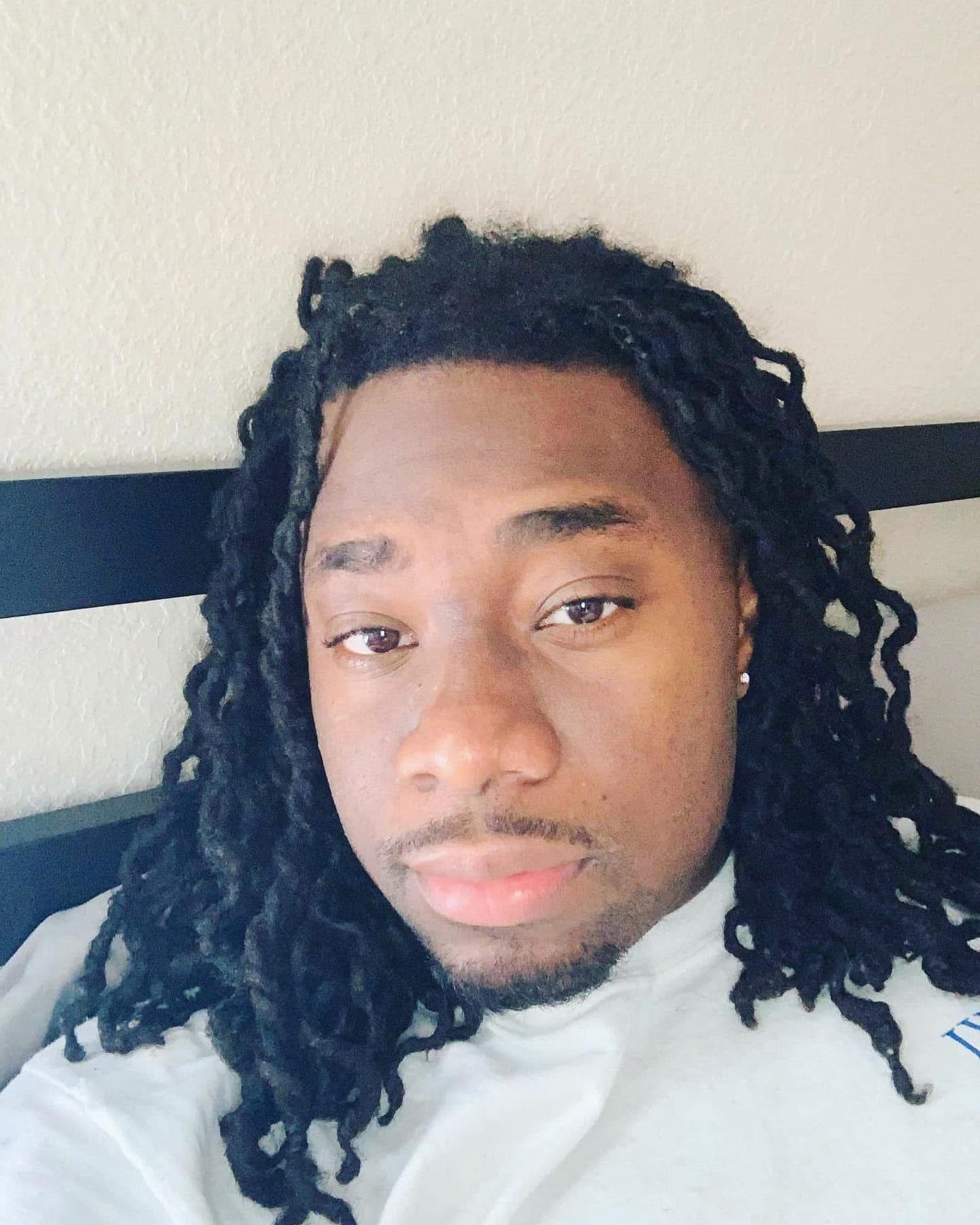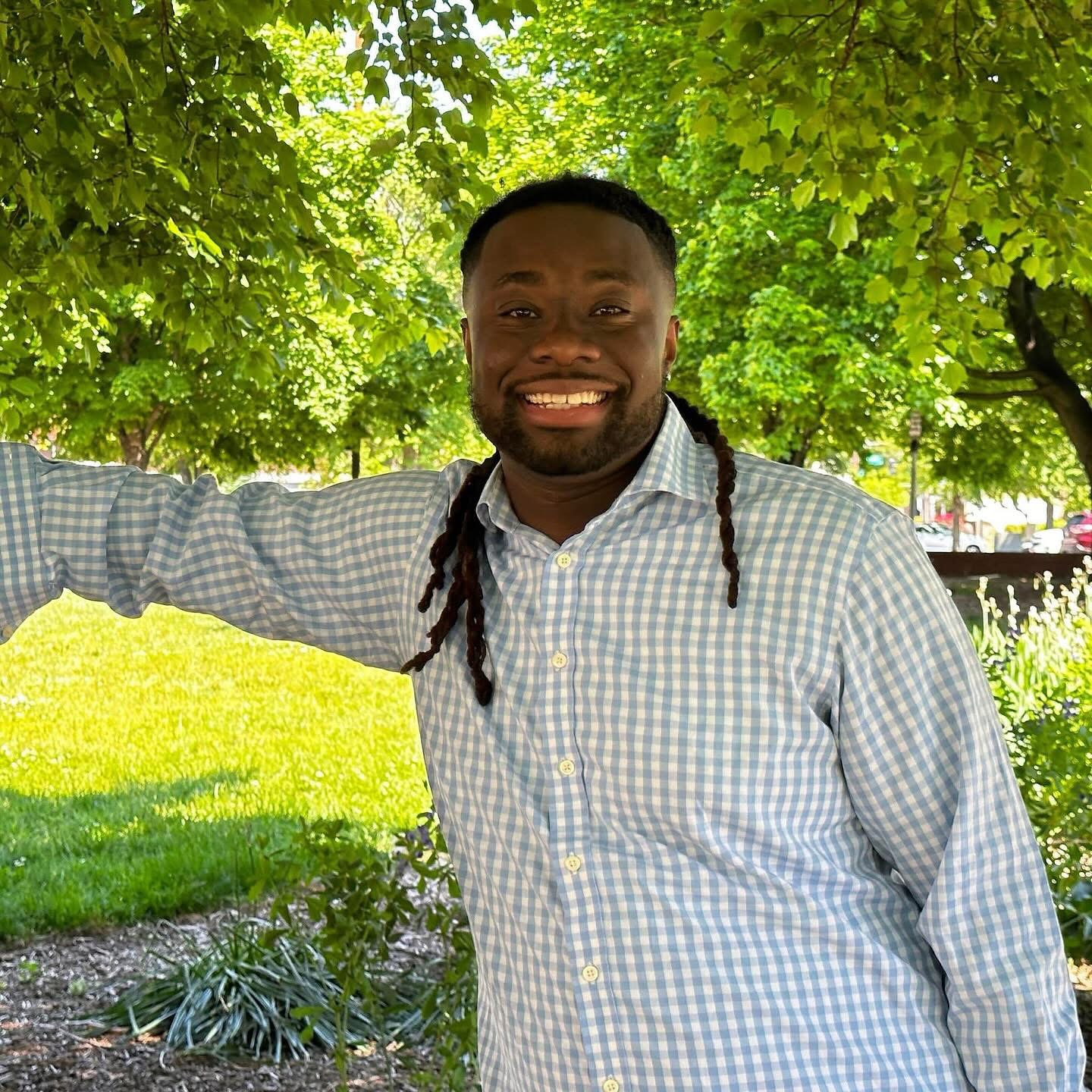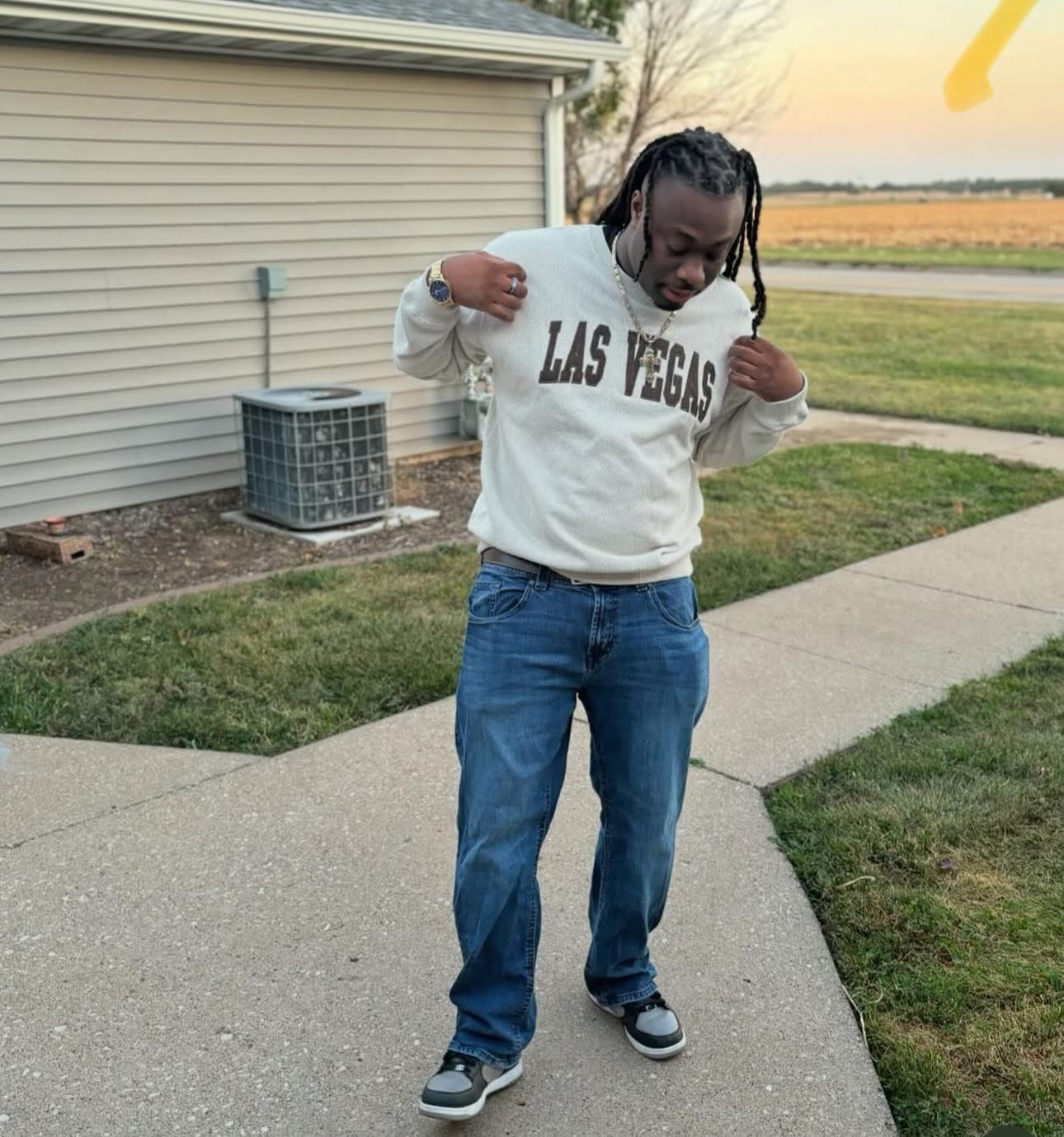




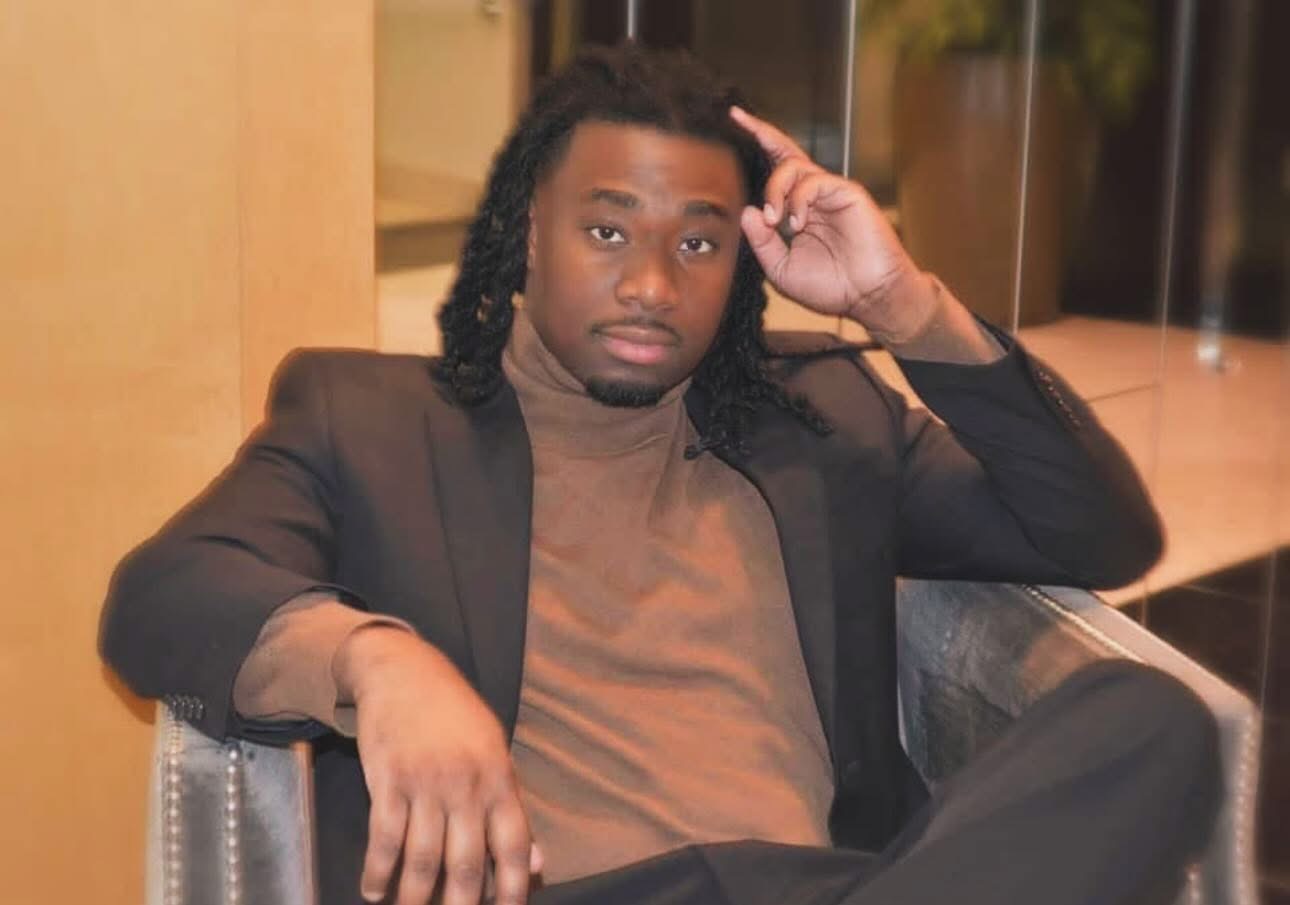
We’re looking forward to introducing you to Romeo Pough . Check out our conversation below.
Romeo , really appreciate you sharing your stories and insights with us. The world would have so much more understanding and empathy if we all were a bit more open about our stories and how they have helped shaped our journey and worldview. Let’s jump in with a fun one: What is a normal day like for you right now?
A normal day for me is a balance between creation and building. I might start the day working on content—reviewing projects, shaping stories, or refining ideas—but it quickly shifts into business. I’m constantly building, whether that’s developing Black Seed, mapping out platform features, or having conversations around growth and distribution.
Black Seed takes real focus, so a lot of my time goes into thinking strategically and making sure things are set up the right way from the ground up. I’m intentional about how things are built and how they grow over time.
I’m also very hands-on creatively. Horror, film, fashion, and media all overlap for me, and everything I work on connects back to a bigger vision. The big plan is to build my own Warner Bros., my own Disney—a fully digital studio run from my laptop, operating like a major Hollywood company but built to serve the people, give creators real opportunity, and still allow me to conquer the goals I’ve set for myself.
Can you briefly introduce yourself and share what makes you or your brand unique?
I come from real poverty, so everything I’m building is personal. I didn’t grow up with access, connections, or safety nets. I had to figure things out the hard way, and that experience shaped how I see the world and why Black Seed exists.
Black Seed is built for the people—for the single mothers, single fathers, and anyone who’s been overlooked or locked out of opportunity. It’s about creating something that serves, uplifts, and gives power back instead of taking from it. I’m not interested in building a platform that only benefits me; I’m focused on building something that changes lives while still allowing me to reach my highest potential.
I see my role as service through leadership. Not perfection, not worship, but responsibility. If I’ve been given the vision and the ability to build, then my job is to use it to help others rise too. That’s what makes Black Seed different. It’s not about ego, it’s about impact, legacy, and creating something meaningful that people can actually feel and benefit from.
Appreciate your sharing that. Let’s talk about your life, growing up and some of topics and learnings around that. What part of you has served its purpose and must now be released?
The part of me that had to move from pure survival. Growing up in poverty trains you to think small, move defensively, and carry everything on your back alone. That mindset kept me alive, but it doesn’t serve the vision I’m building now.
I’m releasing the belief that I have to do everything myself, that rest equals weakness, or that I can only expect scarcity. What I’m stepping into requires clarity, trust, and leadership—not just hunger. I can honor where I came from without letting it limit where I’m going.
Letting that go has made room for something bigger: patience, structure, and the confidence to build at scale while still staying grounded in purpose and community.
What have been the defining wounds of your life—and how have you healed them?
The defining wounds in my life came from growing up without stability—financially, emotionally, and structurally. Poverty teaches you early that the world isn’t built with you in mind. It creates a constant state of urgency, mistrust, and self-reliance, even when you’re still a child. Those conditions leave scars, especially around worth, security, and visibility.
Healing didn’t come from pretending those wounds never existed. It came from understanding them and building something that directly challenged what I lacked. Black Seed became part of that healing. It was born from the idea that people like me—and people I grew up around—deserve access, support, and ownership, not just charity or exposure.
Through building Black Seed, I healed by turning pain into structure. Instead of letting my experiences harden me, I used them to create systems that help single parents, creators, and underserved communities fund themselves, share their stories, and move with dignity. The wounds didn’t disappear, but they transformed into purpose. Black Seed is proof that what was meant to break me could be reshaped into something that helps others grow.
Next, maybe we can discuss some of your foundational philosophies and views? Whose ideas do you rely on most that aren’t your own?
I rely heavily on thinkers and figures who were moral architects more than just generators of ideas. Aristotle and Plato shaped how I think about structure, ethics, and purpose—especially the idea that a society is only as strong as the systems it builds for its people. Their work reminds me that vision without discipline doesn’t last.
From Martin Luther King Jr., I draw clarity of conscience. His thinking went beyond protest—it was strategic, ethical, and rooted in service. Malcolm X taught me about truth and self-determination. James Baldwin showed me the power of honesty and insight, and Marcus Garvey demonstrated the importance of institution-building. On the global side, I study figures like Abraham Lincoln and Nikola Tesla—people who turned ideas into structures that serve others.
Shakespeare reminds me of the depth of human nature, morality, and storytelling—the way stories can teach, challenge, and inspire generations. From mythology, I draw wisdom and guidance as well. Anubis, the Celtic gods, and other deities show lessons in protection, transformation, and vision—but Yahweh is above all, the ultimate source, and Jesus Christ stands as the living example of service, justice, and sacrifice. All other gods and spirits exist under that higher authority and inform my understanding in that context.
All of this flows directly into Black Seed. Black Seed isn’t just a platform—it’s a moral and mystical architecture. Everything I learn, study, and worship comes back to the same principle: build something that uplifts, empowers, and lasts, guided by Yahweh, inspired by Jesus Christ, and grounded in service, vision, and faith.
Before we go, we’d love to hear your thoughts on some longer-run, legacy type questions. Are you tap dancing to work? Have you been that level of excited at any point in your career? If so, please tell us about those days.
I wouldn’t call it tap dancing, but yeah—I wake up energized. What I’m building now feels aligned, and that kind of alignment creates momentum. When you’re working on something that actually reflects your values and your vision, the work doesn’t feel forced, even when it’s heavy.
I’ve felt this level of excitement before, usually in moments when an idea stopped being a dream and started becoming real. Early days of creating, the first time I realized I could build something from nothing, the first time people believed in what I was doing before it was proven—those days carried the same fire.
What’s different now is maturity. Back then, the excitement came from possibility. Now it comes from purpose. With Black Seed, I’m not just chasing wins—I’m building something that has weight, responsibility, and long-term impact. That makes the excitement deeper, more focused. It’s less about adrenaline and more about knowing I’m exactly where I’m supposed to be.
Contact Info:
- Website: https://blackseedfoundation.online/
- Instagram: Mr.RedhawkCrescent
- Facebook: https://www.facebook.com/share/1K4io5jkQf/?mibextid=wwXIfr
- Youtube: https://youtube.com/@cleopatrascoins?si=LWgATlkUd1YH5fM3