



Today we’d like to introduce you to Brett Blumenthal.
Hi Brett, it’s an honor to have you on the platform. Thanks for taking the time to share your story with us – to start maybe you can share some of your backstory with our readers?
My career has taken a number of unexpected turns, but every chapter has built on the one before it. I began as an architect before earning my MBA and spending more than 15 years in consulting, healthcare, and entrepreneurship. While those experiences shaped how I think and solve problems, I eventually realized I wanted to create something that was deeply personal and meaningful.
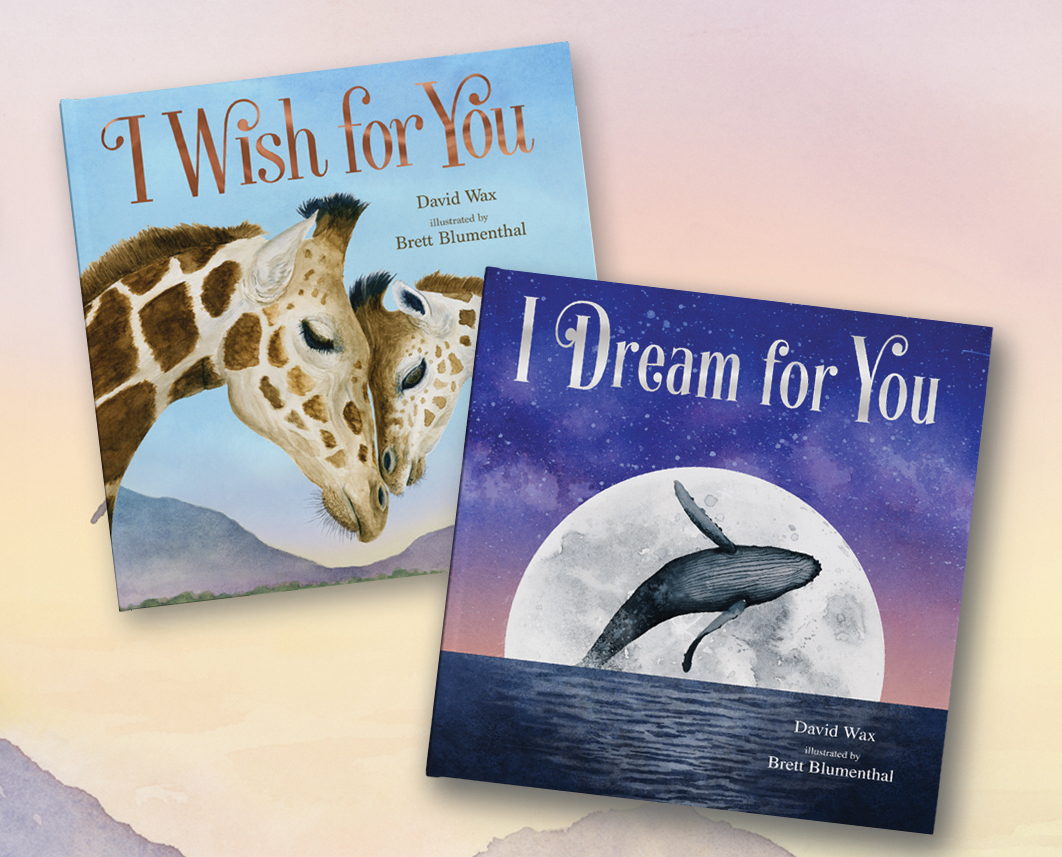
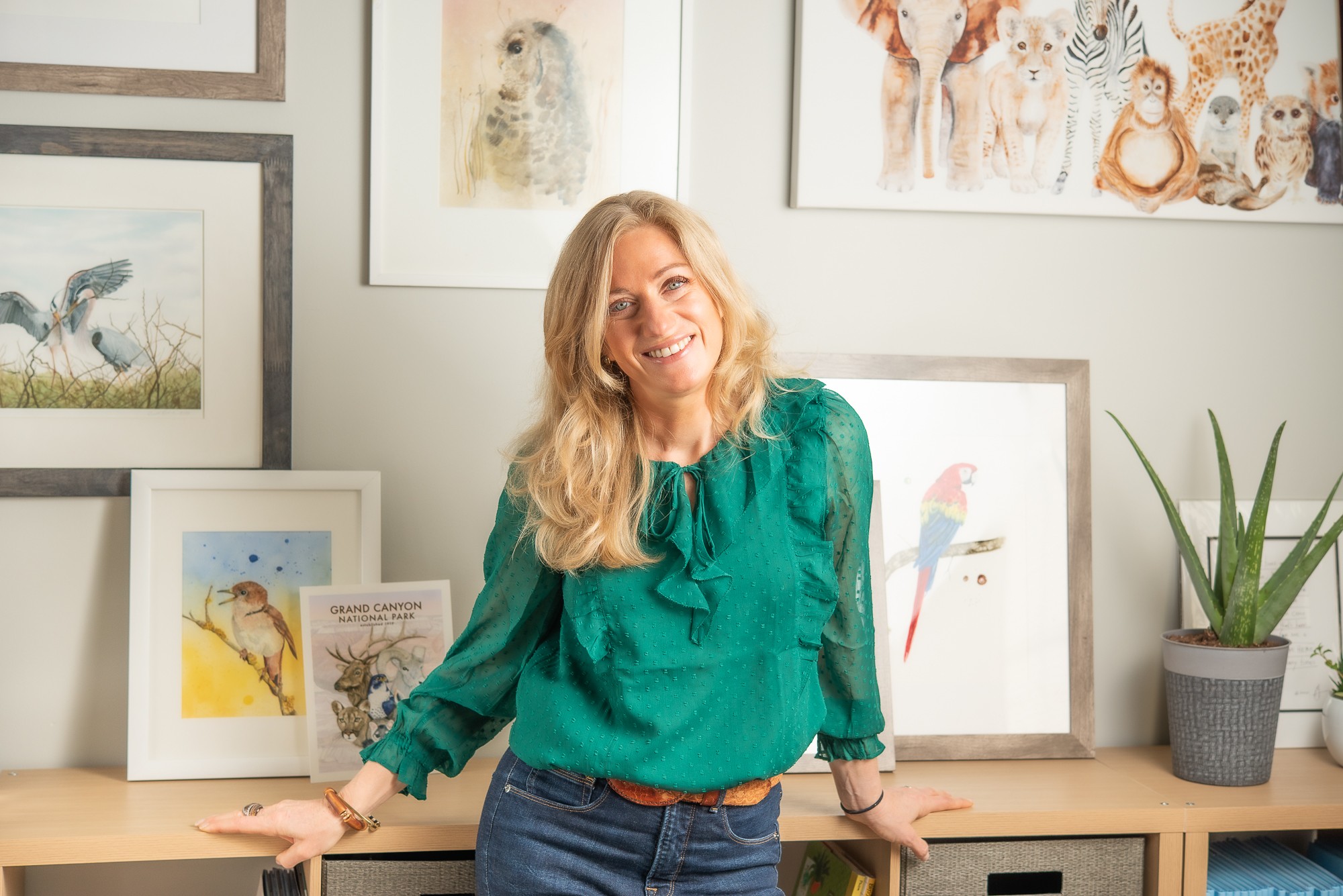
After my son was born, I struggled to find nursery art that felt timeless, artistic, and connected to the natural world. So I began painting my own. What started as artwork for his nursery grew into Tiny Toes Design, a collection of watercolor art, books, and gifts designed to help families create thoughtful spaces for their children. That work later expanded into award-winning children’s books celebrating the bond between parents and children.
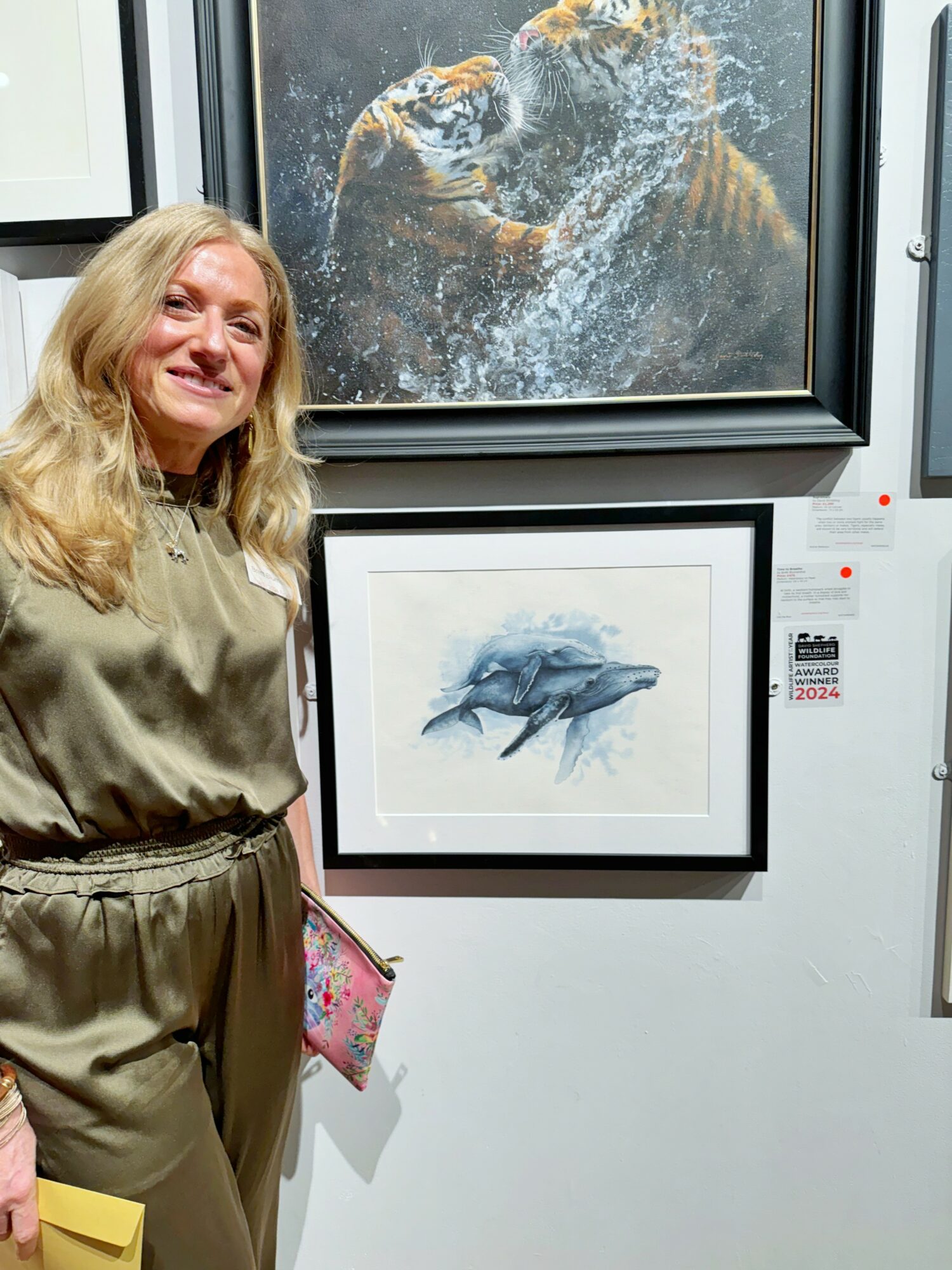
Throughout that journey, one thing never changed: my lifelong love of animals and the natural world. Over time, my art evolved from celebrating nature to advocating for it. Today, I work as an internationally recognized, award-winning wildlife conservation artist, creating paintings that reconnect people with species at risk from habitat loss, climate change, and other human-caused threats. My hope is that when people feel an emotional connection to wildlife, they’re more inspired to protect it.
Looking back, what once seemed like very different careers now feel connected. Whether through architecture, writing, children’s art, or wildlife conservation, I’ve always been driven by the same goal: using creativity to make a meaningful impact.
Alright, so let’s dig a little deeper into the story – has it been an easy path overall and if not, what were the challenges you’ve had to overcome?
No, it definitely hasn’t been a smooth road.
I’ve had to reinvent myself multiple times, and each reinvention came with uncertainty. Leaving a stable corporate career to become an entrepreneur was the first leap. Later, I made the difficult decision to step away from writing wellness books—something I’d spent years building—to focus on art. And then, after establishing Tiny Toes Design, I shifted again, this time toward wildlife conservation art because I felt called to create work with a larger purpose.
There have also been the day-to-day challenges that many artists face: the unpredictability of income, constant self-doubt, and wondering whether people will connect with your work. During the pandemic, the art market changed dramatically. An influx of new sellers and heavily discounted artwork made it more challenging to compete on price, and I had to stay committed to creating meaningful, high-quality work rather than chasing trends or racing to the bottom.
Looking back, those challenges forced me to become clearer about who I am and what I stand for. Today, I’m less interested in creating art simply because it’s beautiful and more interested in creating art that tells stories, sparks conversations, and helps people reconnect with the natural world. Every difficult decision ultimately brought me closer to that purpose.
As you know, we’re big fans of you and your work. For our readers who might not be as familiar what can you tell them about what you do?
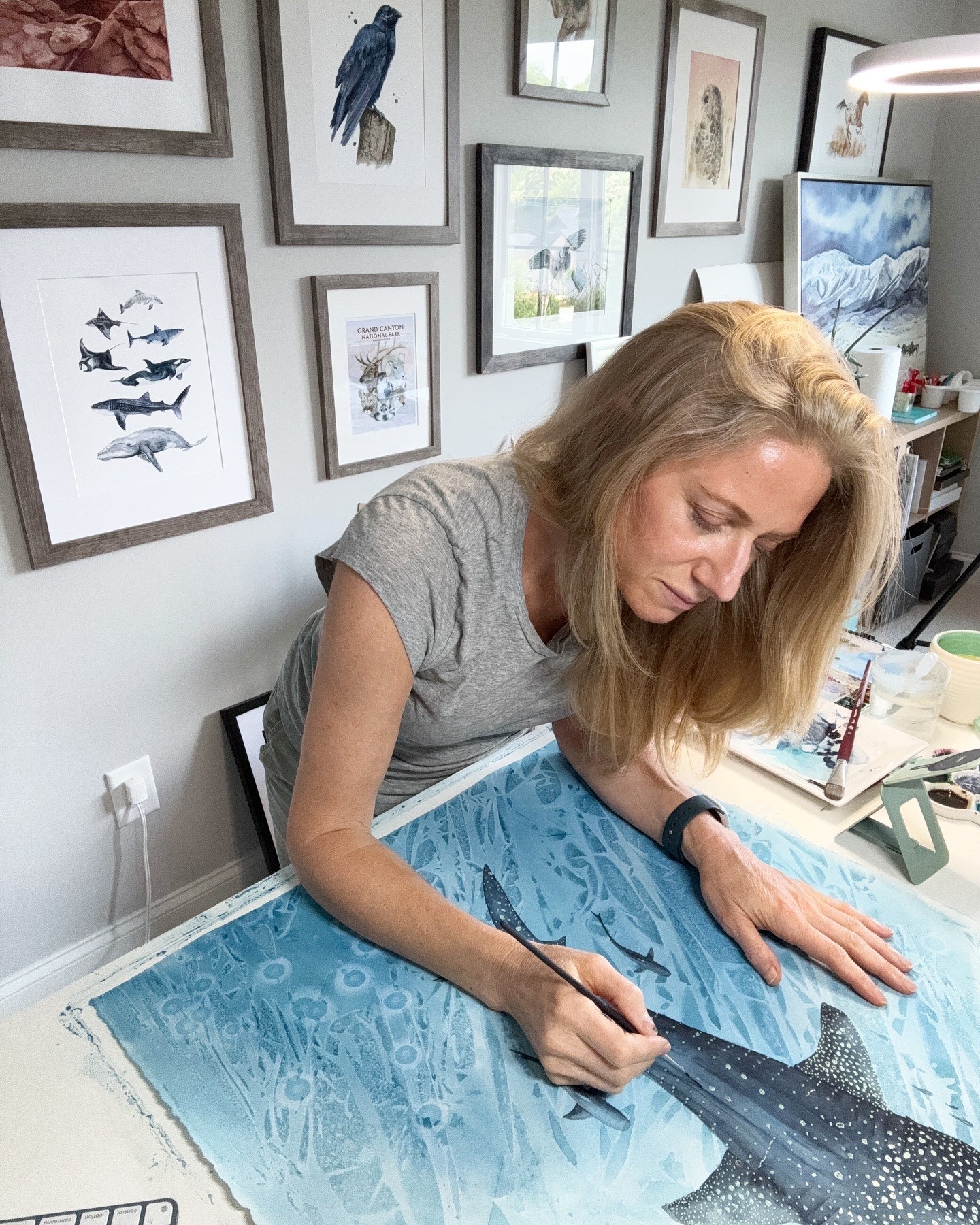
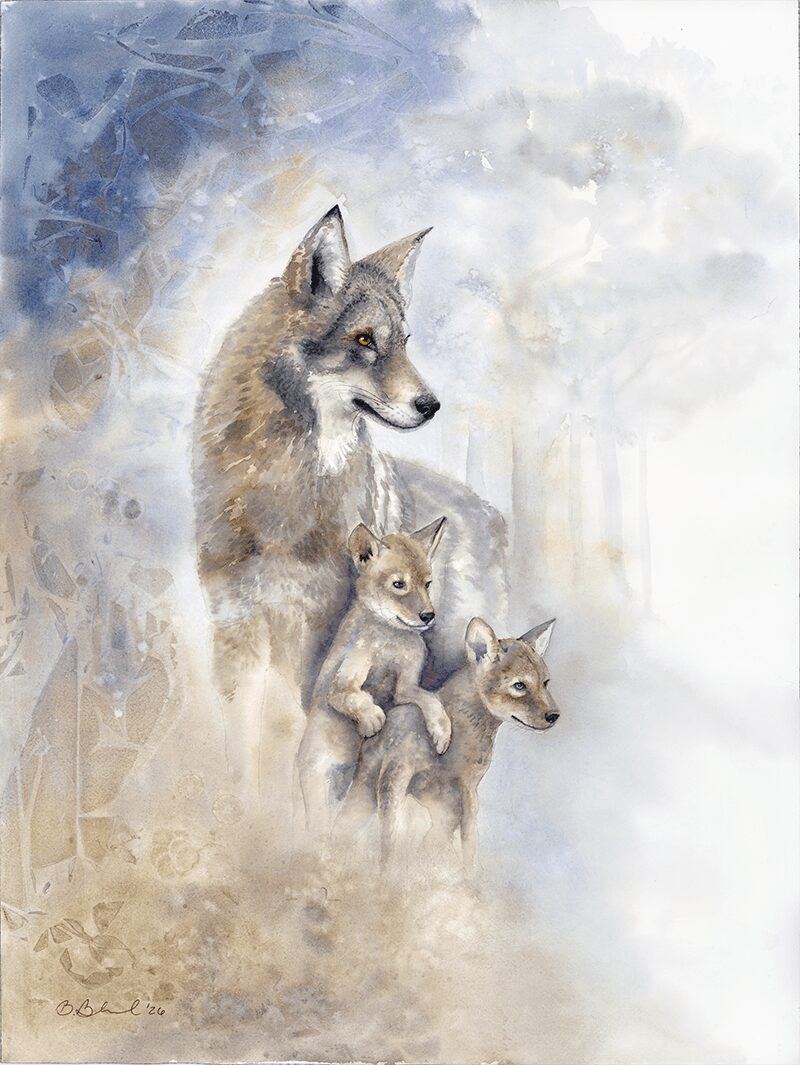
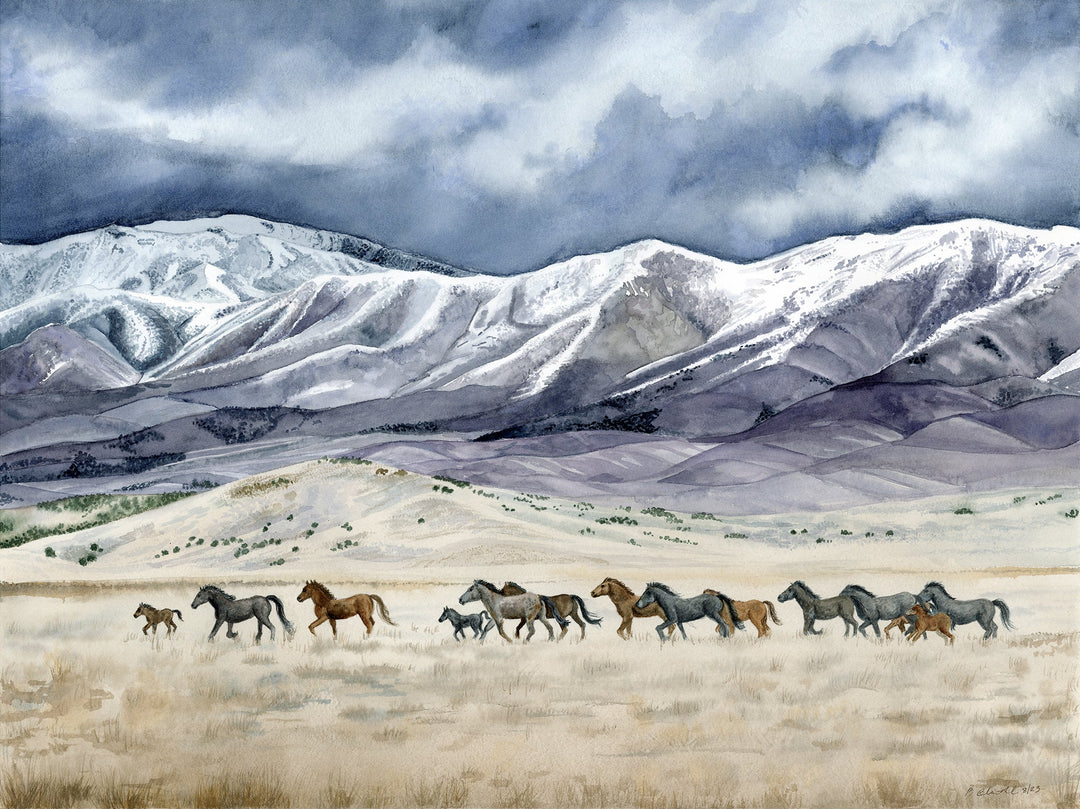
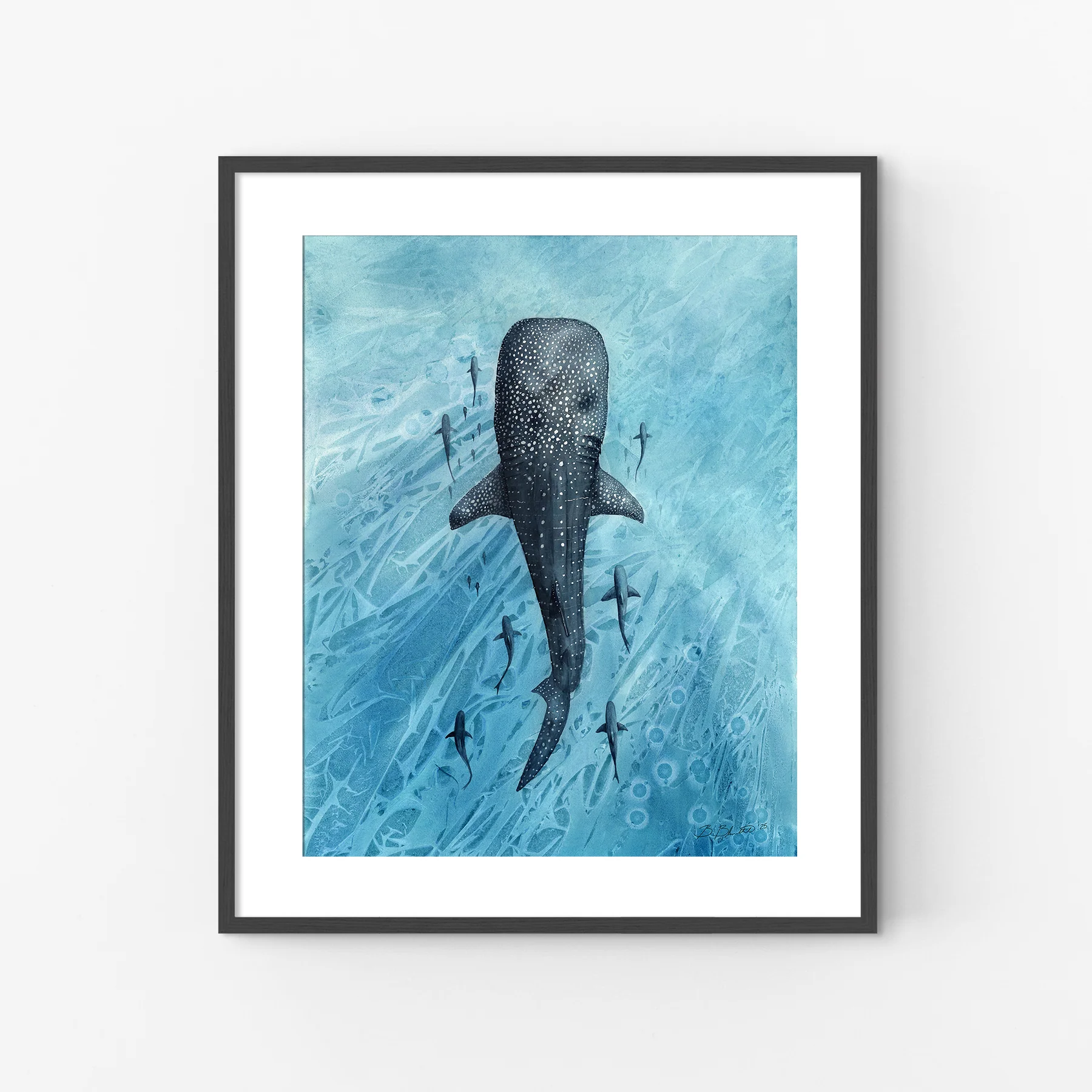
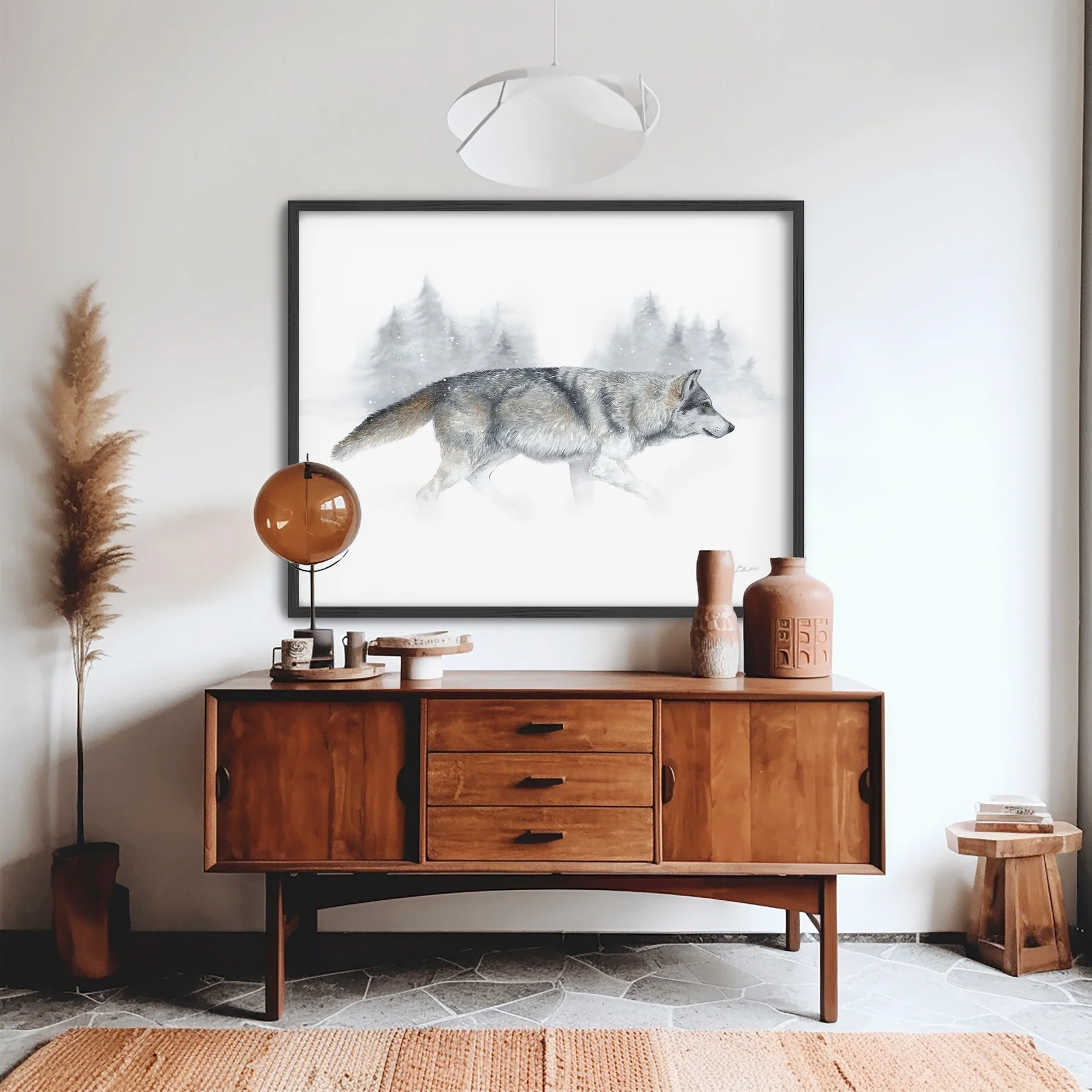
I’m a wildlife conservation artist who uses watercolor to tell the stories of species and ecosystems at risk. My work focuses on animals facing habitat loss, climate change, and other conservation challenges, with the goal of helping people feel a deeper emotional connection to the natural world.
Every painting begins with research into a species’ behavior, habitat, and conservation story. I don’t want to simply create a beautiful image of an animal; I want each piece to carry meaning and help viewers understand what is at stake. That combination of storytelling, science, and emotion is at the heart of my work.
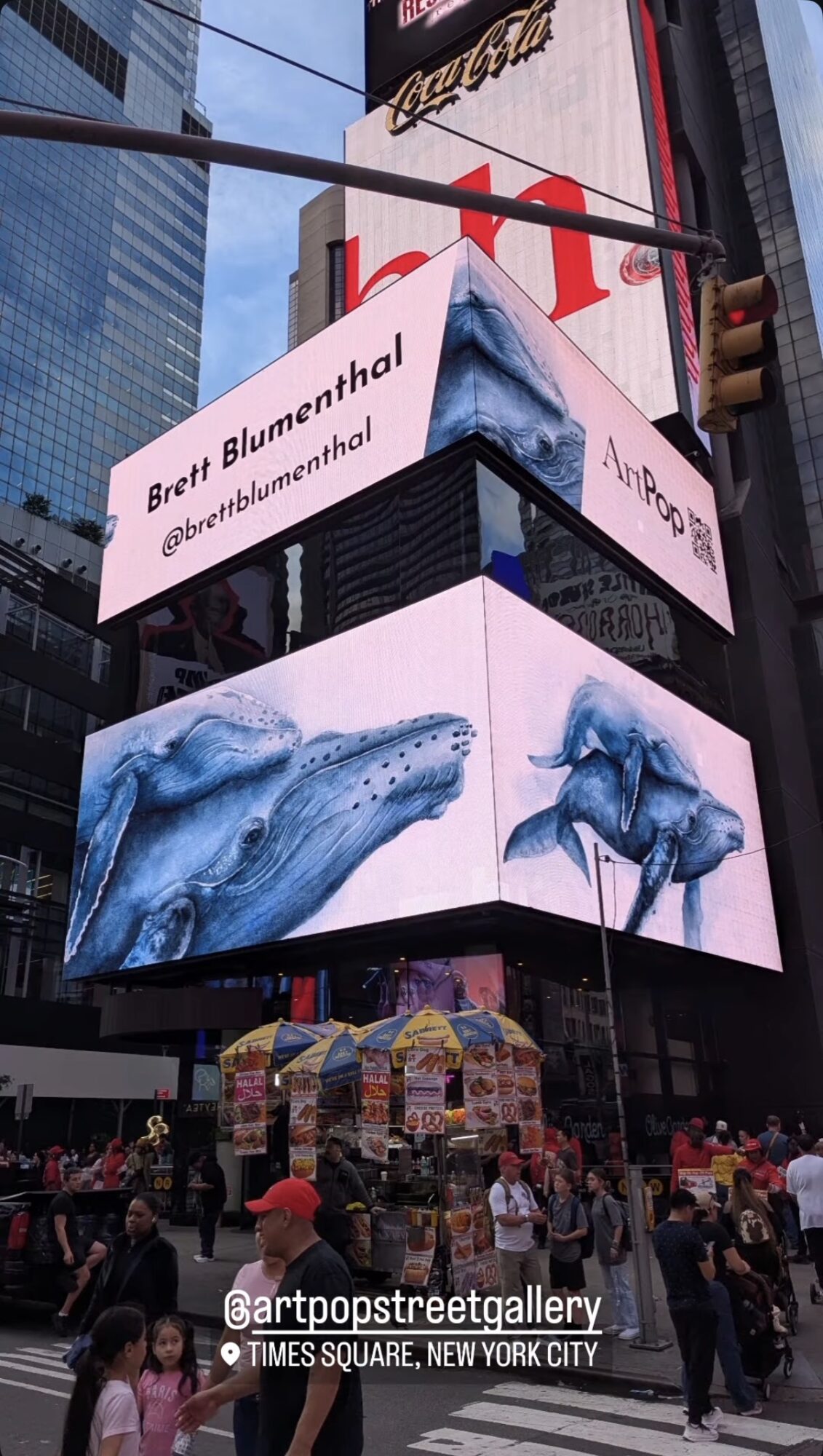
I’m proud to be an internationally recognized, award-winning artist and a Signature Member of Artists for Conservation, but what means the most to me is knowing that my work can reach people in meaningful ways. Through ArtPop (https://www.artpopstreetgallery.com/), one of my conservation paintings was displayed in Times Square during the FIFA World Cup, placing a message about wildlife conservation in front of thousands of people from around the world. Experiences like that reinforce my belief that art can reach people far beyond the walls of a gallery.
I also continue to create nature-inspired art, children’s books, and gifts through Tiny Toes Design, which helps families bring the beauty of the natural world into their homes from a child’s earliest years.
What sets my work apart is that it sits at the intersection of art, storytelling, and advocacy. Whether I’m painting, writing, or serving in the nonprofit space, my goal is the same: to use creativity to foster connection and inspire people to care more deeply about the living world.
Let’s talk about our city – what do you love? What do you not love?
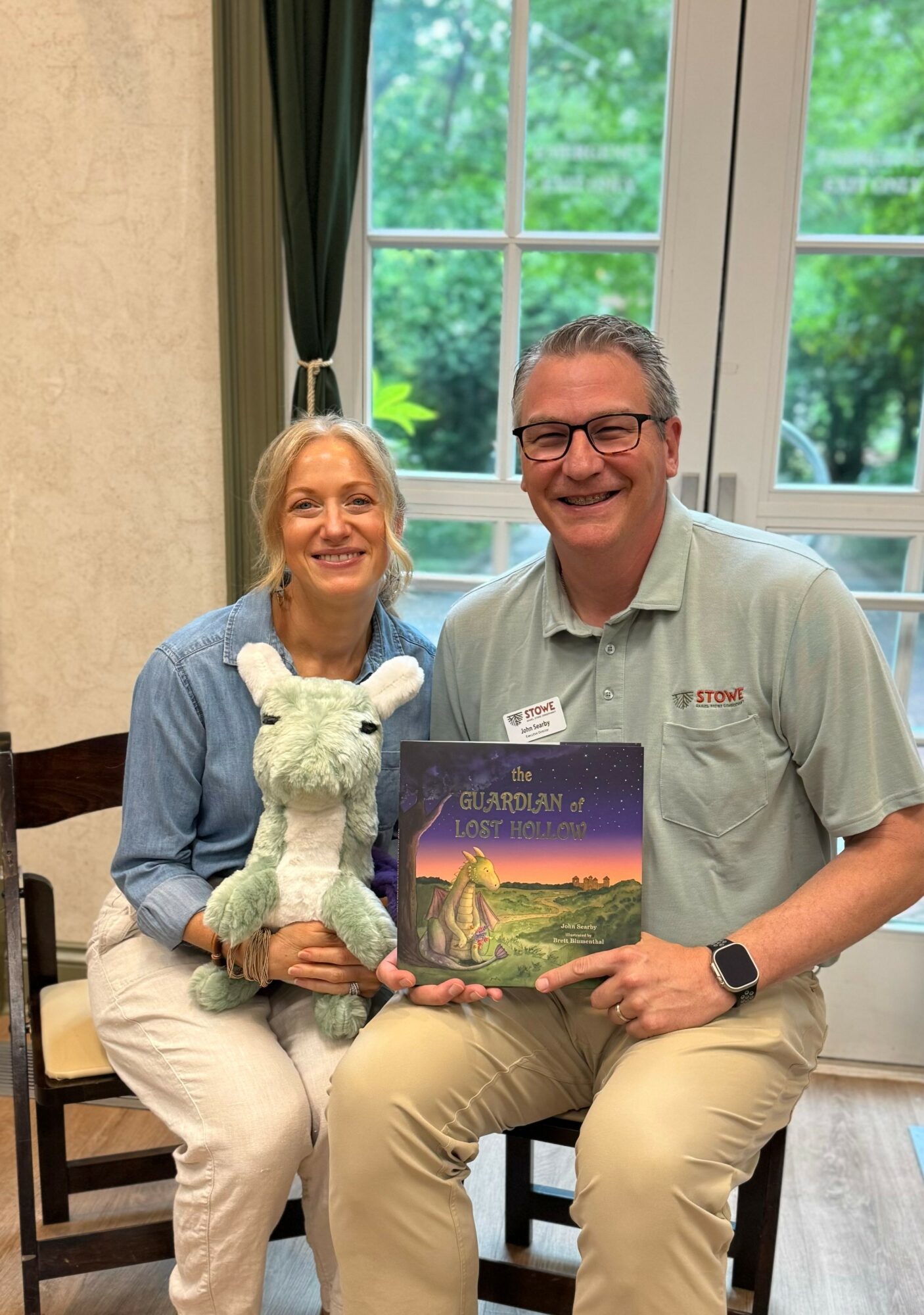
One of the things I love most about Charlotte is how approachable it is. It’s a city where it’s genuinely possible to get involved, build relationships, and make a difference. Since moving here in 2015, I’ve had the opportunity to sing with the Charlotte Symphony Orchestra as a member of the Charlotte Master Chorale, sing with Opera Carolina during two of Andrea Bocelli’s local concerts here in the Spectrum Center and the Belk Theater, serve on the boards of Charlotte Lab School and Stand for Animals, collaborate with local nonprofits—including illustrating a children’s book for Daniel Stowe Conservancy—and exhibit my work at the Mint Museum through the Guild of Charlotte Artists. Those experiences have given me a deep appreciation for how welcoming and collaborative this community is.
If I had one wish, it would be for Charlotte to grow without losing the qualities that made so many of us fall in love with it in the first place. We moved here because it offered a slower pace of life, a strong sense of community, and, admittedly, much kinder winters than the Northeast. Charlotte’s growth has brought exciting opportunities, but it has also created challenges as the city’s infrastructure works to keep pace. My hope is that as Charlotte continues to evolve, it holds onto the sense of connection and accessibility that makes it such a special place to live and create.
Contact Info:
- Website: https://www.brettblumenthalart.com/
- Instagram: @brettblumenthal
- Facebook: https://www.facebook.com/BrettBlumenthalStudio/
- LinkedIn: https://www.linkedin.com/in/brettblumenthal/
- Youtube: https://www.youtube.com/@brettblumenthalstudio
- Other: https://www.tinytoesdesign.com