




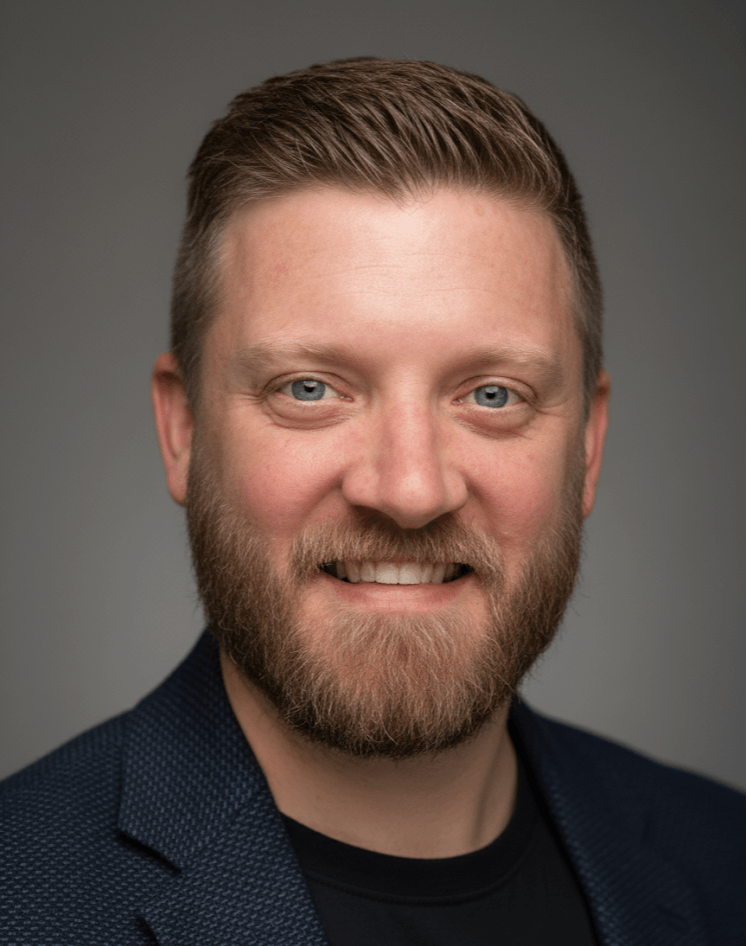
Today we’d like to introduce you to Chad Rychlewski.
Hi Chad, please kick things off for us with an introduction to yourself and your story.
My career journey has really been driven by curiosity, problem solving, and a desire to make a meaningful impact.
I started my career in consulting in 2009, right out of college. I did not have some perfectly mapped-out master plan, but I knew I was drawn to solving complex problems and working in environments where people, process, and technology, intersected.
Over the years, I built my career in cybersecurity and technology leadership by taking on increasingly complex challenges across industries, helping organizations navigate risk, modernize securely, and build resilience in a rapidly changing digital world. What kept me engaged was that cybersecurity is never static. The threats evolve, the technology changes, and the stakes continue to rise.
At the same time, while I was starting my own family with my amazing wife, I realized there was a major gap outside of the workplace. Families and parents were increasingly overwhelmed trying to protect their kids online. Questions about cyberbullying, scams, privacy, gaming, social media, and digital safety kept coming up, and many parents felt unprepared.
That led me to start Cybersecurity Parents LLC with my good friend Kae David, an initiative focused on helping families become more cyber-smart through simple, practical guidance. The mission is to make cybersecurity approachable for parents and to help protect kids online in ways that are realistic, understandable, and actionable.
Today, my work sits at the intersection of cybersecurity leadership, education, and community impact. I am passionate about helping public service organizations and education institutions strengthen security, while also helping families build safer digital habits at home. Looking back, the common thread through my career has been finding ways to solve hard problems and create trust in environments that are constantly changing.
Would you say it’s been a smooth road, and if not what are some of the biggest challenges you’ve faced along the way?
Definitely not a smooth road, and honestly, I think that is true for any meaningful career.
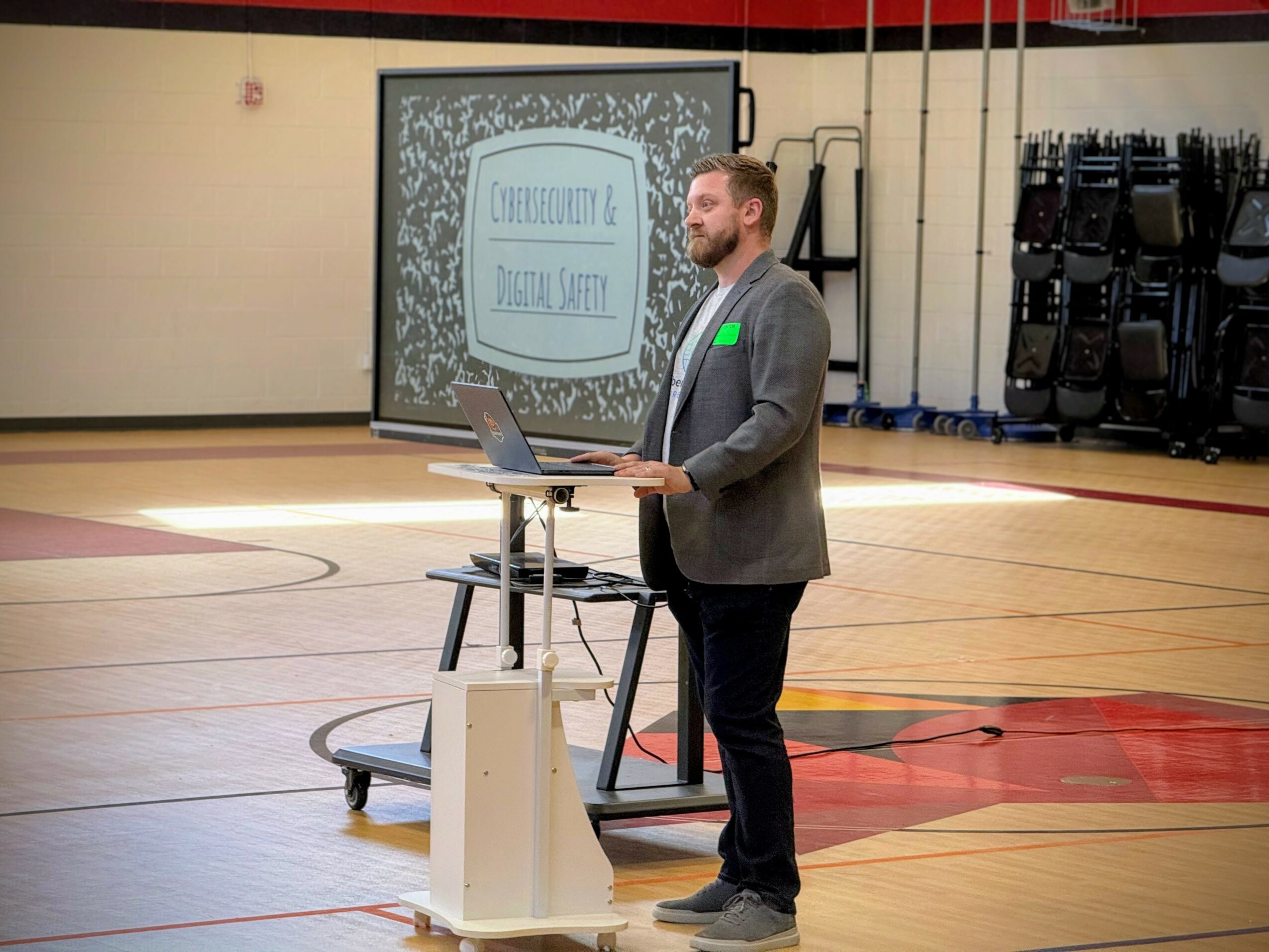
Early in my career, I had to learn how to become comfortable making decisions, communicating clearly, and building trust even when everything was not fully defined. Then came public speaking, which was a challenge in a completely different way. If you ever meet someone who is naturally great at it, it is impressive. For me, it took time, repetition, and finding ways to become more comfortable on stage. What helped the most was realizing I did not need to sound like someone else or try to fit a mold. I was most effective when I simply learned to be myself.
Another challenge has been balancing growth in a demanding career with being present for the things that matter most outside of work. As responsibilities increase, so do expectations. Learning how to prioritize family, personal growth, and professional ambition at the same time has been a continuous learning process that I am certainly not done with yet.
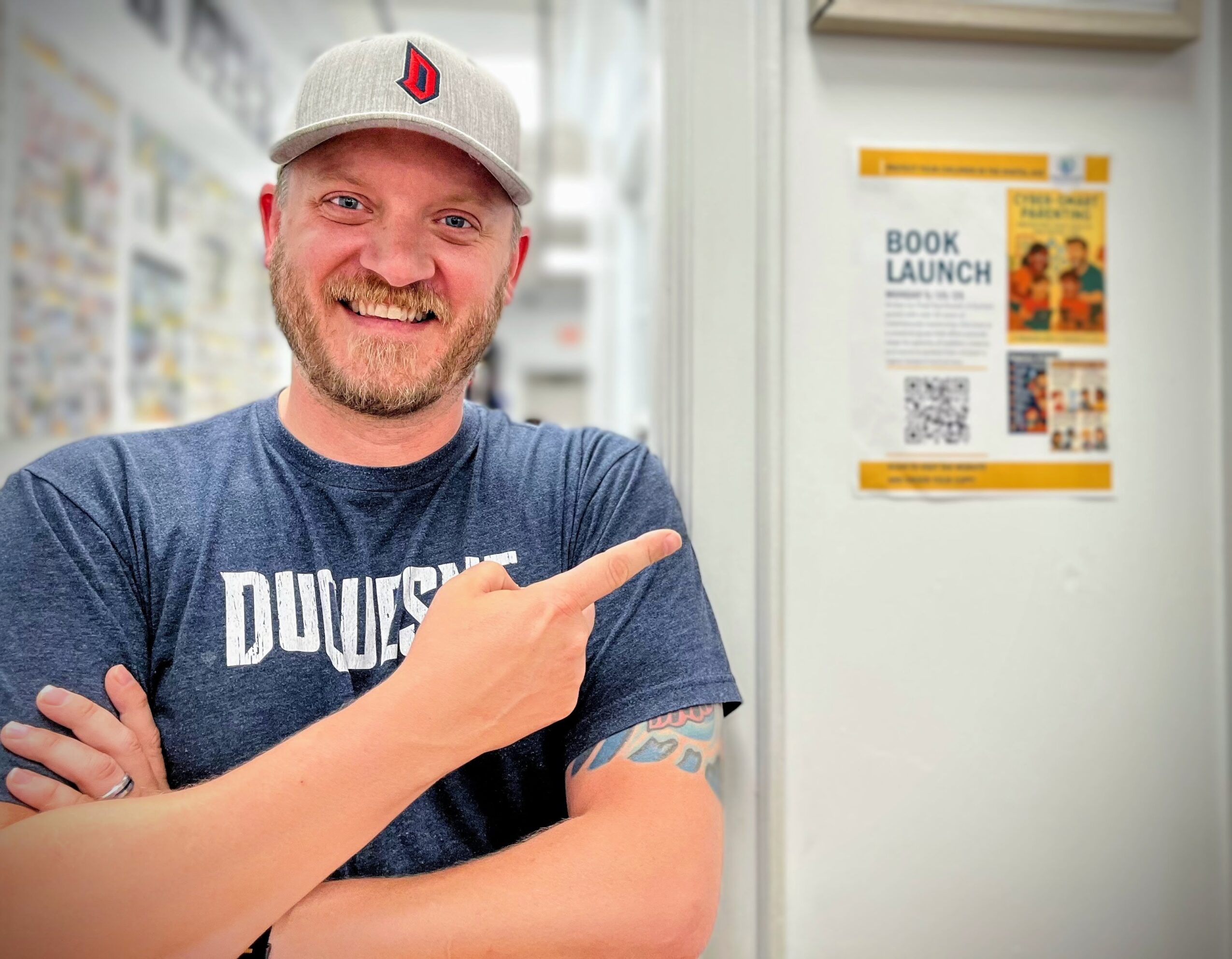
Cybersecurity itself can be a difficult field because it is constantly changing. The moment you think you have mastered something, the landscape shifts. That means constantly learning, staying curious, and being willing to evolve. Writing a book was a part of that evolution, which has been a really interesting and fun journey. So fun I decided to co-author a second book just a year after our first book launched.
Outside of work and all things cyber, I like to challenge myself to prepare for future unforeseen challenges. In 2025 I picked up Curling, that’s right the ice sport you saw on the Olympics. It’s fun, but also a team building and strategy driven lesson two hours every game. Thinking 10 steps ahead, playing with new people frequently, constantly testing your physical and mental abilities in a very slippery sheet of ice. Shoutout to the Triangle Curling Club for making such an amazing facility and club community right here in Durham, NC!
Can you tell our readers more about what you do and what you think sets you apart from others?
Today, my work is centered around helping organizations and families navigate cybersecurity in practical and meaningful ways.
A big part of what I specialize in is translating complex cybersecurity topics into something actionable. Whether it is helping leaders think through cyber risk or helping parents understand how to better protect their kids online, I have always been passionate about making difficult topics easier to understand and apply.
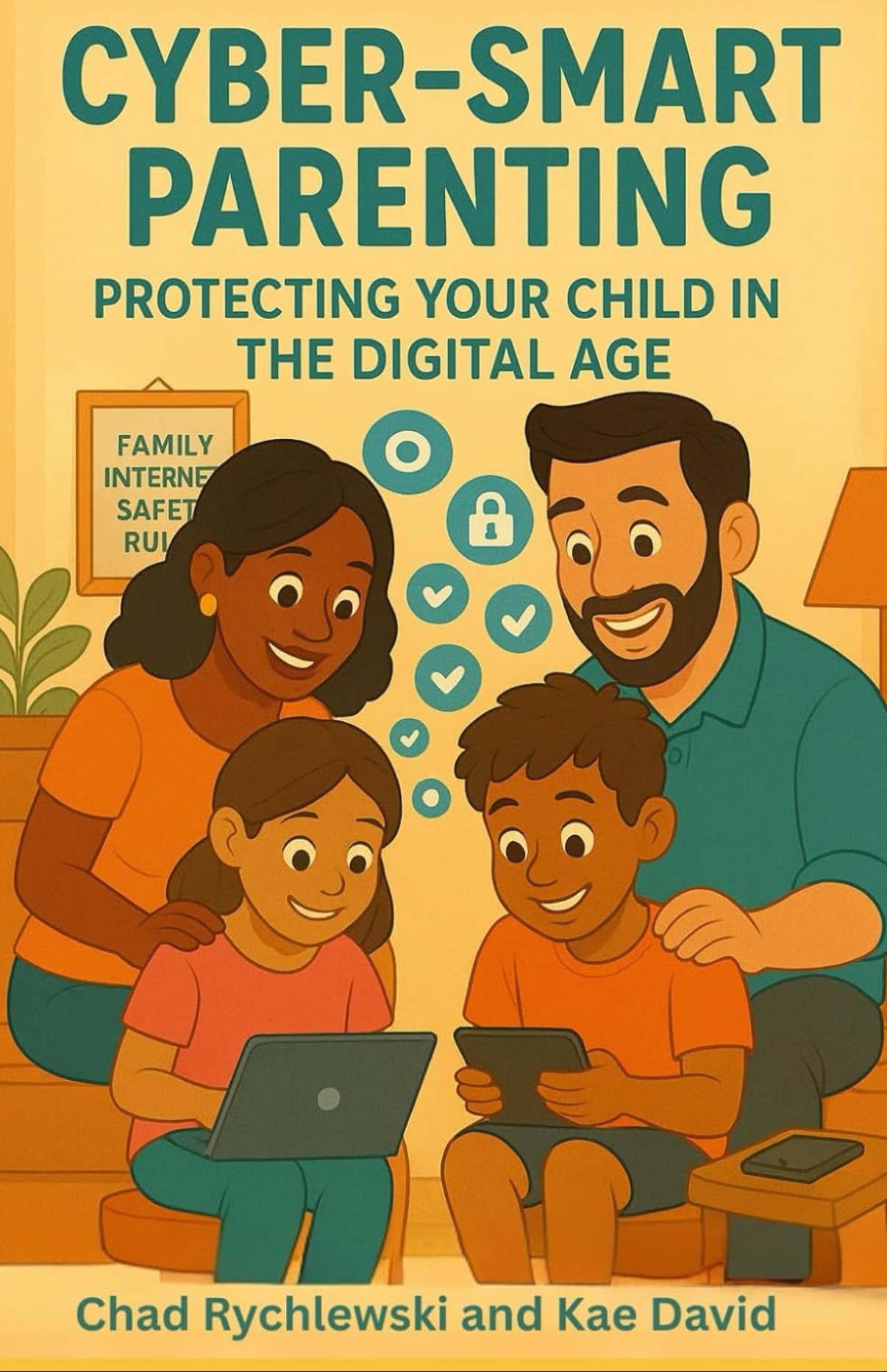
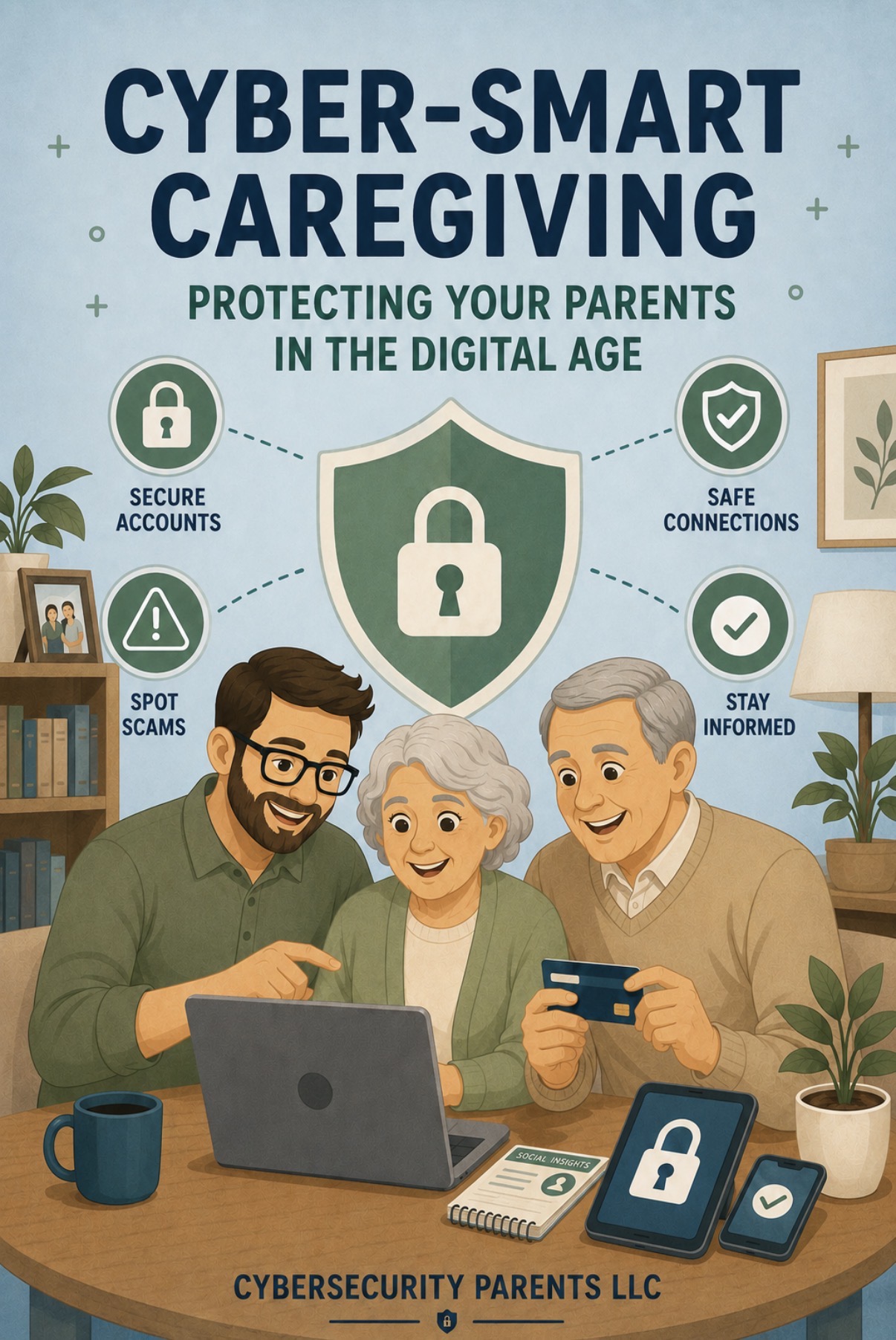
Outside of my professional work, I am deeply involved in Cybersecurity Parents, where we focus on helping kids and families stay safer online. One area I am especially proud of is the work we are doing through education. We have written books designed to make cybersecurity approachable for parents to talk to their kids and caregivers to talk to their aging parents, with the goal of helping families build healthier and safer digital habits without fear or intimidation.
I am also proud of the collaborations we have built with other like-minded organizations and community groups that care deeply about child safety and digital wellness. Protecting kids online is not something any one person or organization can solve alone. The best outcomes happen when educators, cybersecurity professionals, parents, schools, and community partners work together.
What I am probably most proud of is seeing real impact. When a parent says they finally feel confident having conversations with their child about online safety, or when families feel more equipped to recognize scams, cyberbullying, or risky online behavior, that matters.
If there is something that sets me apart, I think it is the ability to bridge technical cybersecurity with real-world human challenges. I care a lot about helping people feel informed and empowered, not overwhelmed. Cybersecurity is often talked about in technical language, but for most people, especially families, it is personal. It is about trust, safety, and protecting the people you care about most.
Where do you see things going in the next 5-10 years?
Over the next 5 to 10 years, I think we are going to see massive shifts in cybersecurity, many of them driven by artificial intelligence.
AI is already changing the game on both sides. Defenders are using it to detect threats faster, automate repetitive work, identify unusual behavior, and improve response times. At the same time, attackers are using AI to become more sophisticated. We are already seeing more convincing phishing attacks, faster social engineering, deepfakes, and scams that are harder for the average person to recognize. The barrier to entry for cybercrime is getting lower, which means the threats are becoming more scalable and more personalized.
I also think cybersecurity is going to become much more embedded into everyday life. Historically, cybersecurity was viewed as an IT problem or something only businesses worried about. Going forward, it is going to be a life skill. With the increased amount of technology in everyday life and our kids’ schools, families, educators, and kids will increasingly need to understand digital safety in the same way we teach things like financial literacy or stranger danger.
One area I think we need to pay especially close attention to is how AI is being introduced to children at a young age. Kids are growing up in a world where AI tools can answer questions, influence decisions, create content, and shape how they learn and interact online. That creates incredible opportunity, but also real risks around misinformation, privacy, manipulation, dependency, and critical thinking. We are working on a free toolkit for teachers to help them explain the dangers and mitigate risks children face using AI tools.
Because of that, I believe one of the biggest shifts we will see is a greater focus on digital literacy and cyber education for families. Parents will need help understanding not just the platforms their kids use, but also the role AI is playing in their lives. The conversations will evolve from “How much screen time is okay?” to “How do we help kids think critically, protect their privacy, and use technology responsibly?”
What gives me optimism is that awareness is growing. More schools, nonprofits, community groups, and parents are starting to recognize that keeping kids safe online is not just a technology issue, it is a shared responsibility. I think the organizations and leaders who succeed over the next decade will be the ones who focus not just on security, but on trust, education, and helping people adapt to a very different digital future.
Pricing:
- Cyber-Smart Parenting: Protecting Your Child in the Digital age = $17.99 on Amazon (Released May 2025)
- Cyber-Smart Caregiving: Protecting Your Parents in the Digital age = $17.99 on Amazon (Release date June 22, 2026)
- https://cybersecurityparents.com/resources-for-parents (for more information on services)
Contact Info:
- Website: https://cybersecurityparents.com
- Instagram: https://www.instagram.com/cybersecurityparents
- LinkedIn: https://www.linkedin.com/company/cybersecurity-parents/