




Today we’d like to introduce you to June Ni.
June, we appreciate you taking the time to share your story with us today. Where does your story begin?
I didn’t begin my career in art. My background is in technology, and for many years I worked in that world. When I began pursuing visual art seriously in 2021, I naturally started with digital tools and AI-assisted processes. I was comfortable there. I understood structure, iteration, and how to refine an image quickly.
Over time, though, I began to notice something missing. I could produce a clear, polished image almost instantly — but it didn’t feel fully lived in. It looked complete, but it lacked weight. There was no resistance, no trace of time.
That realization led me back to traditional materials. In 2025, I made the deliberate decision to return to watercolor and acrylic. I wanted the slowness of it — the way water moves unpredictably, the way layers settle, the way small imperfections remain visible. I’m drawn to a kind of quiet imperfection, influenced by wabi-sabi — the idea that subtle irregularities and restraint can carry more presence than perfection.
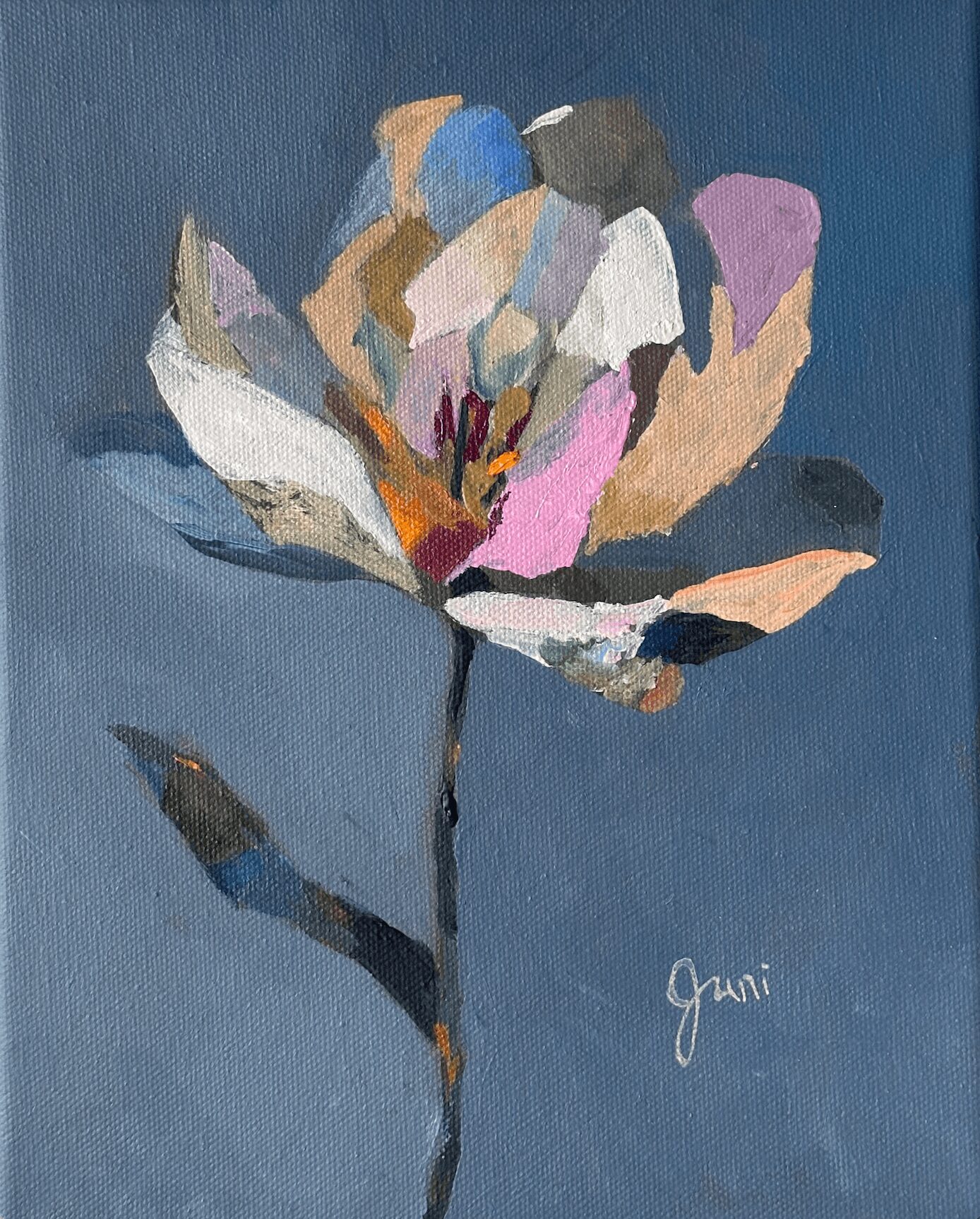
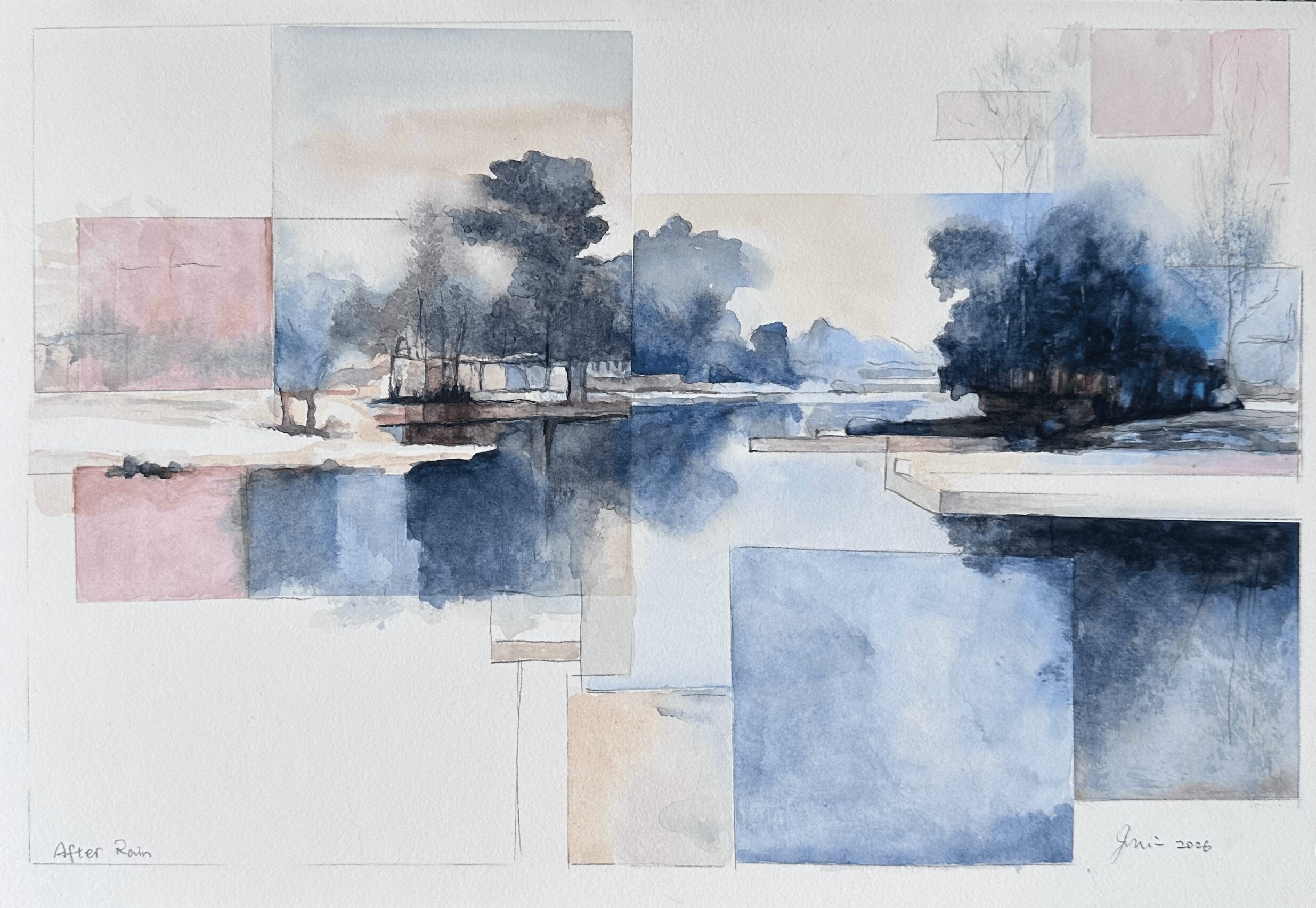
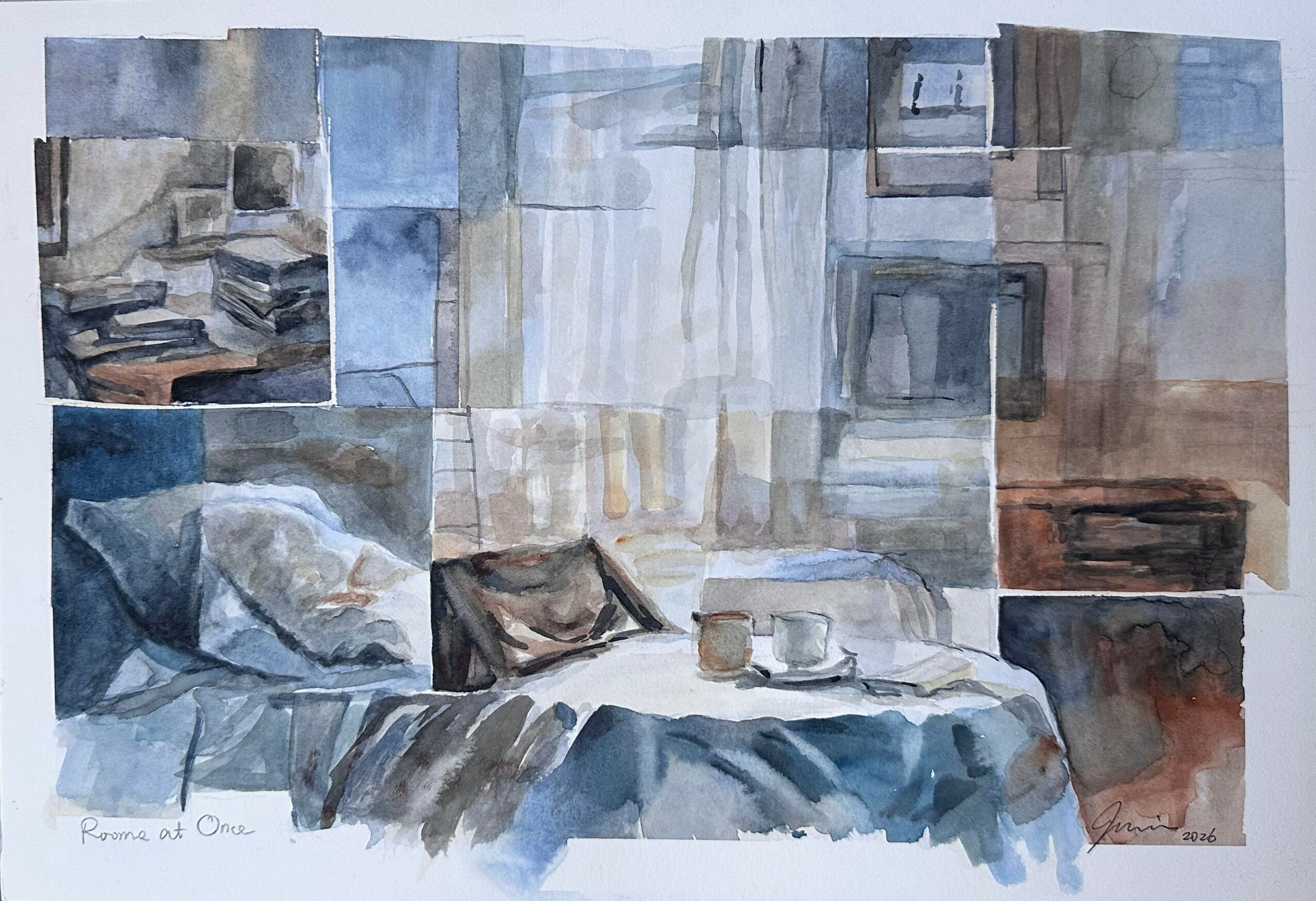
Today my work usually begins with something real: a flower, a room, a landscape. I don’t aim to document it exactly. I’m more interested in how memory softens edges, how atmosphere replaces detail, and how a place feels when you return to it in your mind. I try to leave space for ambiguity while still grounding the work in the physical world.
Over the past few years, my practice has shifted from exploration across many directions to refining a slower, more intentional way of working. I’m less interested in producing images quickly and more interested in creating paintings that feel settled — as if they’ve absorbed time rather than simply captured a moment.
We all face challenges, but looking back would you describe it as a relatively smooth road?
One of the more complex challenges has been understanding who I am. When I began making art seriously, I explored widely — different materials, subjects, and styles. Exploration was important, but over time I realized that building a sustainable body of work requires more than trying many things. It requires clarity about what actually resonates.
Because I tend to think analytically, I approached that question deliberately. I reflected on long-term patterns in my interests, personality frameworks, and the kinds of environments where I feel most grounded. Not to label myself, but to recognize recurring traits: a need for structure alongside a desire for openness, an attraction to ambiguity but also to tangible, physical reality.
That self-examination shaped my return to traditional materials and to a slower way of working. I’m drawn to subtle imperfections and restraint — ideas that resonate with wabi-sabi — where irregularities are not flaws but evidence of presence and time. Instead of aiming for polish, I’m more interested in creating work that feels lived-in and quietly aligned.
I’m still refining that understanding. But learning to build from who I am, rather than from what seems interesting or impressive, has been one of the most important and ongoing parts of my journey.
Alright, so let’s switch gears a bit and talk business. What should we know about your work?
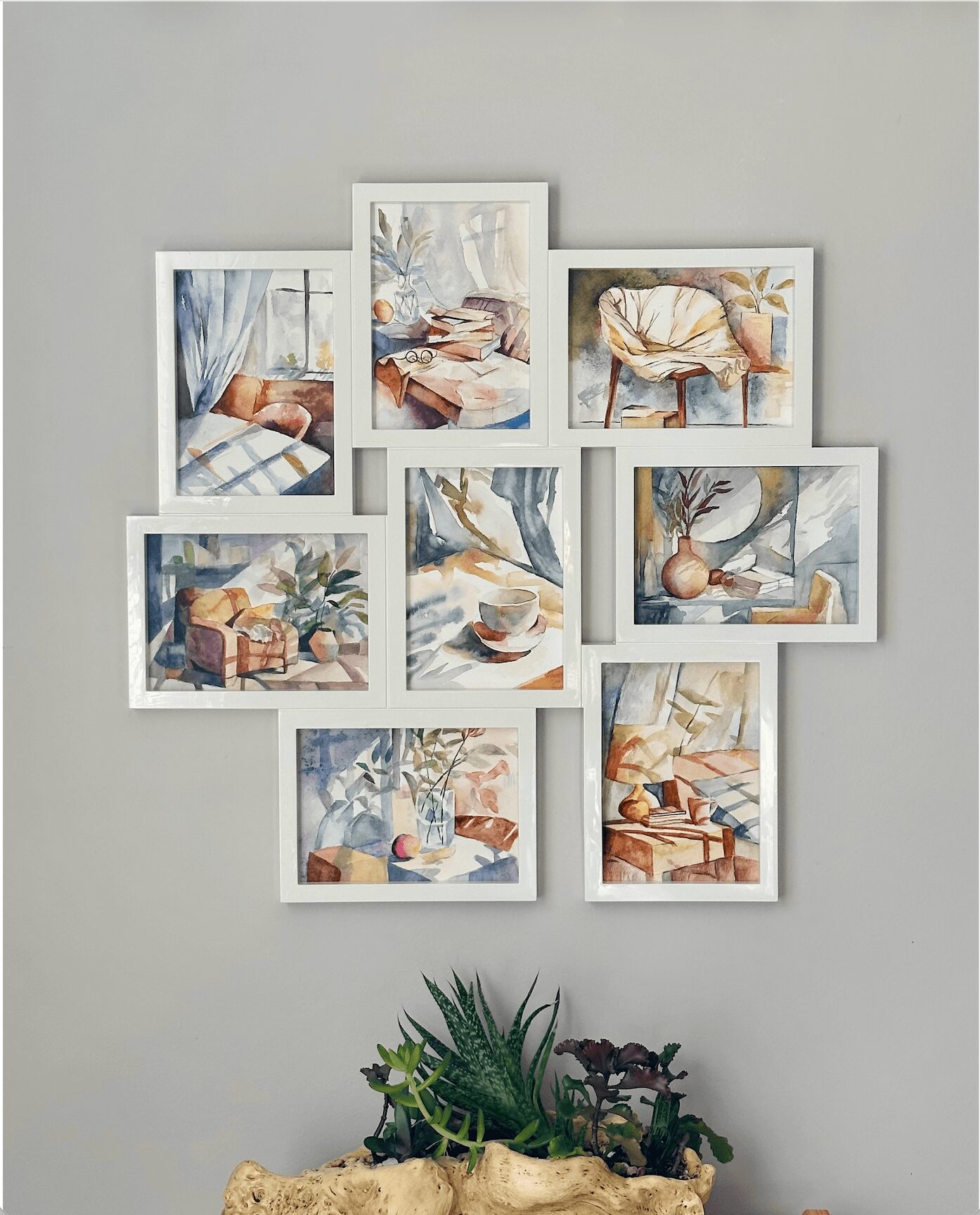
I work primarily in watercolor and acrylic, focusing on botanicals, landscapes, and quiet interior spaces. Although the subjects vary, they’re connected by the same underlying interest: how physical spaces hold atmosphere and subtle emotional presence. A single flower, a stretch of field, or a corner of a room can all carry a similar stillness.
I’m less interested in detailed documentation and more interested in how light, restraint, and small irregularities shape the experience of a place. My work tends to use controlled compositions and muted palettes, leaving space for air and ambiguity rather than filling every area with information. Whether I’m painting a botanical form or a landscape, I try to allow the hand to remain visible and the surface to retain traces of time.
What I’m most proud of is the evolution of my practice. I began working in digital media before deliberately returning to traditional materials. That decision reshaped my approach. I wanted a slower process — one that required commitment to each mark and allowed imperfection to remain. Building a body of work that feels cohesive across different subjects has been an important milestone for me.
What sets my work apart is the balance between structure and quiet imperfection. My background trained me to think analytically about composition, but my paintings resist over-perfection. I’m interested in creating work that feels grounded in the real world while still leaving room for interpretation — paintings that don’t demand attention loudly, but reward a slower, more reflective viewing.
Networking and finding a mentor can have such a positive impact on one’s life and career. Any advice?
I think the idea of mentorship has changed. The world feels much larger now, and mentorship doesn’t always require a formal relationship or even meeting someone in person. For me, learning has often happened through studying artists, writers, and thinkers whose work resonates deeply — spending time with their ideas, observing their discipline, and reflecting on how they approach life as much as how they approach craft.
Some of the most meaningful influence comes from sustained attention rather than quick networking. Reading philosophy, studying other painters’ bodies of work, and understanding how they constructed a life around their practice has shaped me more than any single conversation. I try to approach mentorship as a long-term dialogue — even if that dialogue happens through books, exhibitions, or essays.
In terms of networking, what has worked best for me is genuine engagement rather than transactional outreach. Showing up consistently in local art communities, participating in exhibitions, and having thoughtful conversations has been more effective than trying to force connections. When the work becomes clearer and more aligned, the right conversations tend to happen more naturally.
My advice would be: look for depth rather than access. Study widely, reflect honestly, and build relationships slowly. A mentor doesn’t have to give you answers — sometimes they simply model a way of thinking and living that helps you refine your own direction.
Pricing:
- Small works (5”x5” – 8”x10”) $50 – $250 depending on framing
- Medium works (9”x12” – 14”x14”) $175 – $345 depending on size and framing
- Large works (18”x18” – 24″x36″) $350 – $1050
Contact Info:
- Website: https://www.juneniart.com
- Instagram: https://www.instagram.com/juneniart