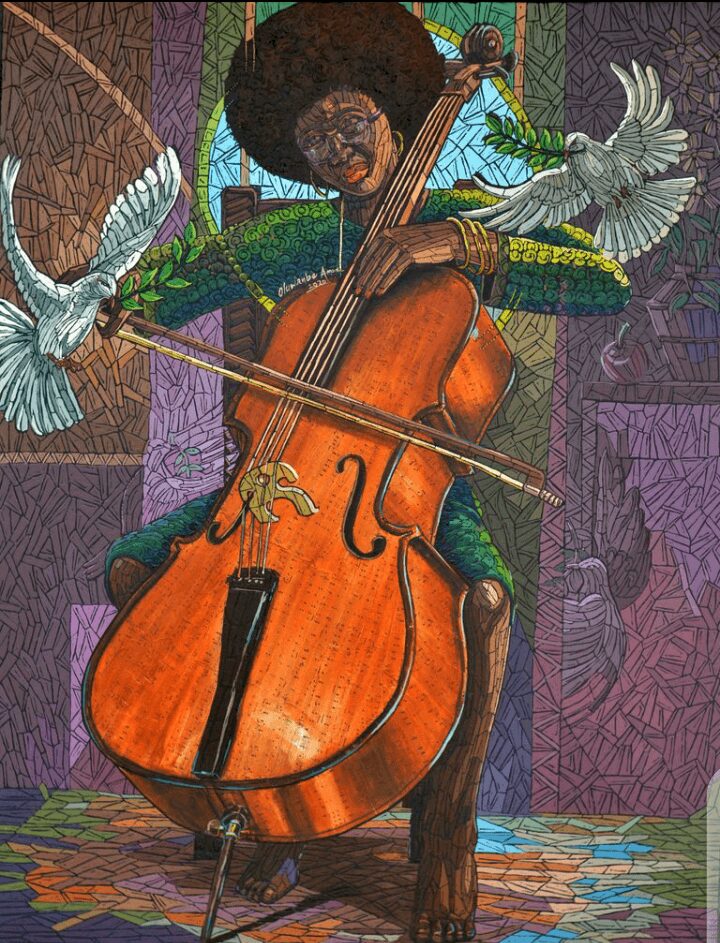






Today we’d like to introduce you to Oluwanbe Amodu.
Hi Oluwanbe, so excited to have you with us today. What can you tell us about your story?
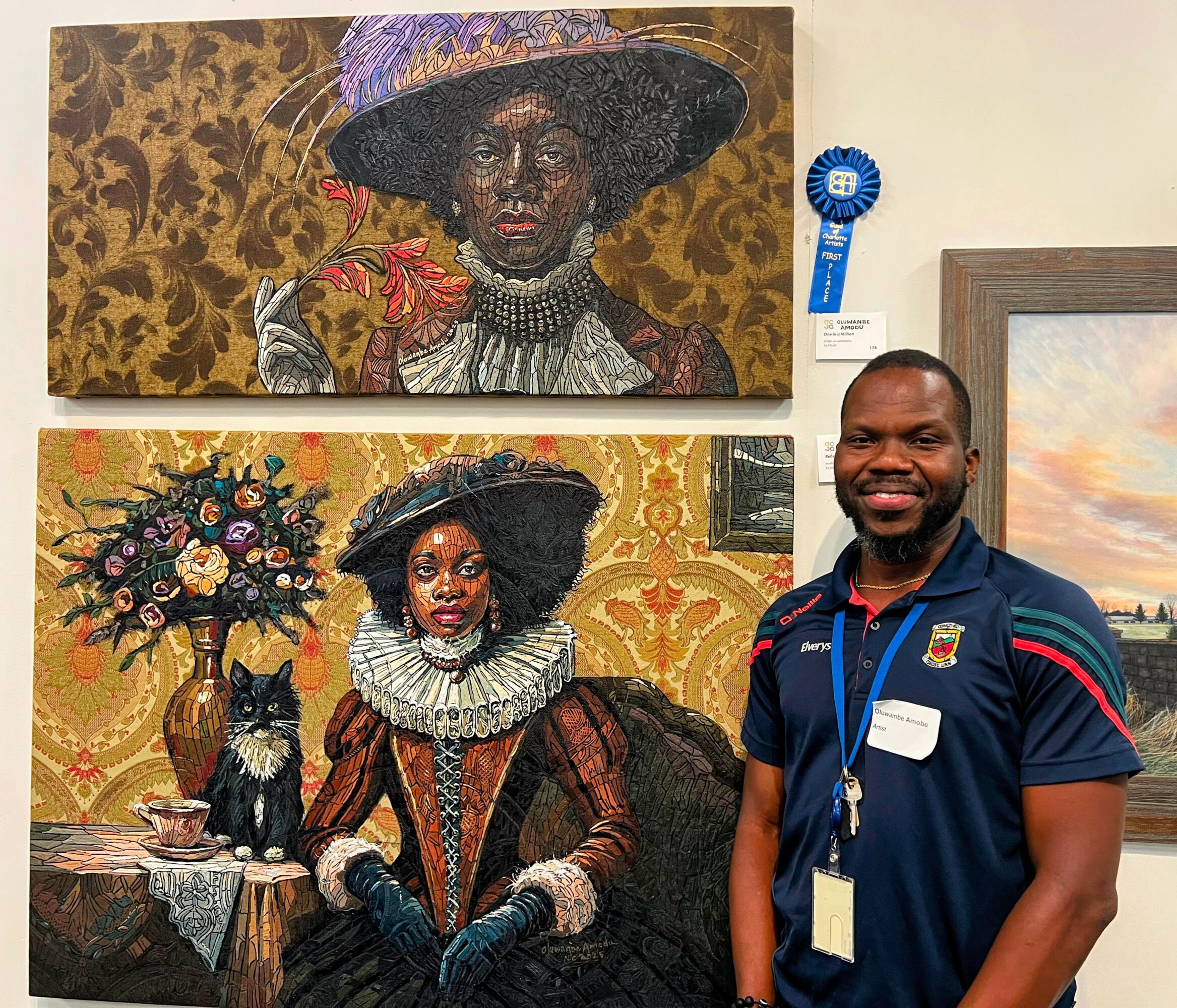
Oluwanbe Amodu, born in Lagos, Nigeria, has embarked on an artistic journey since childhood, refining his skills at Yaba College of Technology in Lagos. In 2007, he joined the esteemed Ara Studio, where he mastered the Araism technique—a richly textured, narrative-driven form of expression. That same year, he debuted within the movement, launching a dynamic career that has included international exhibitions.
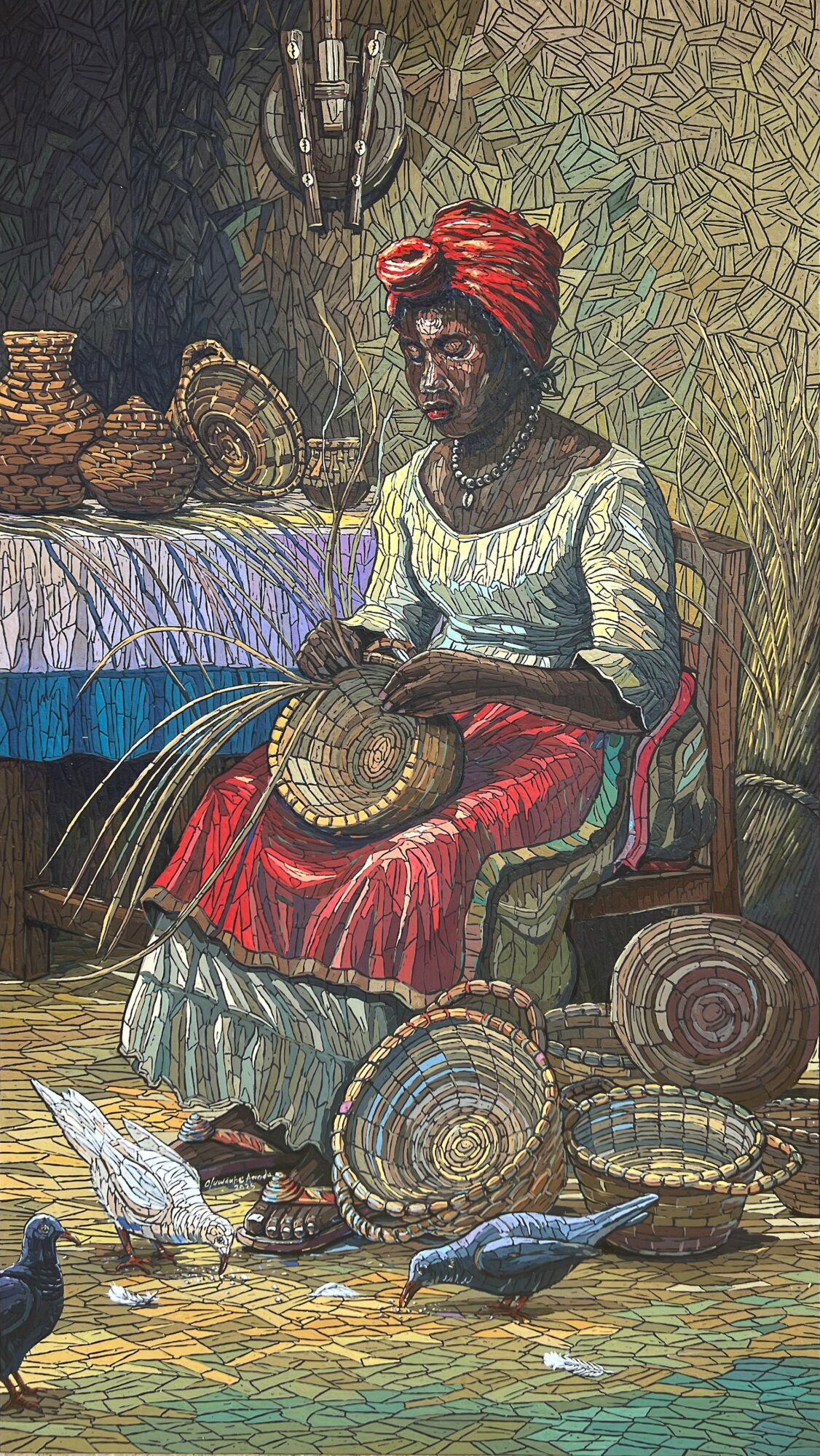
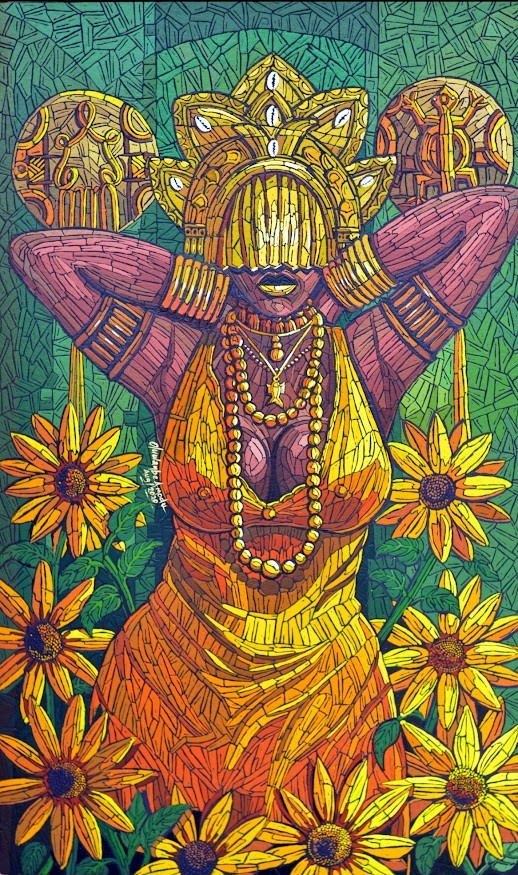
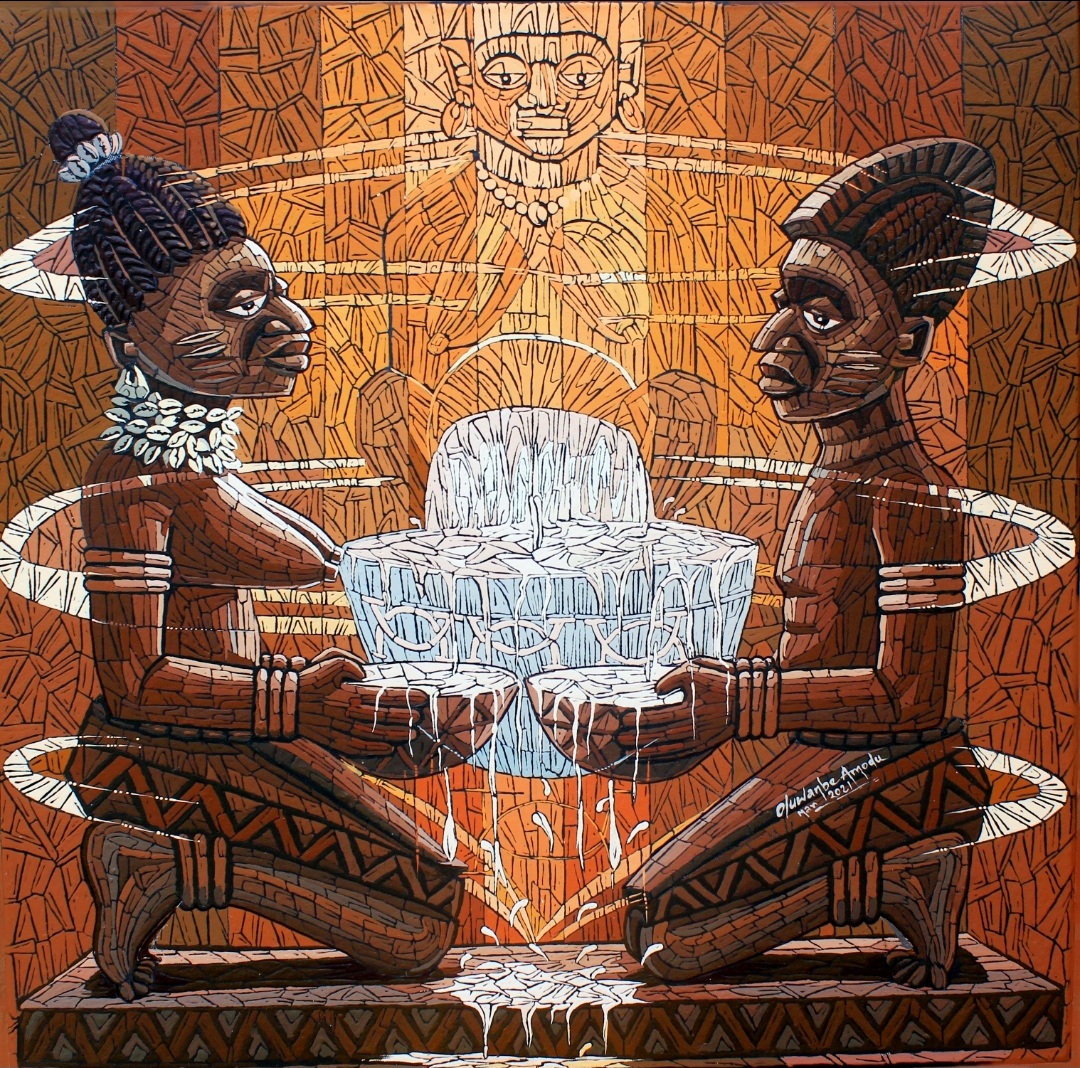
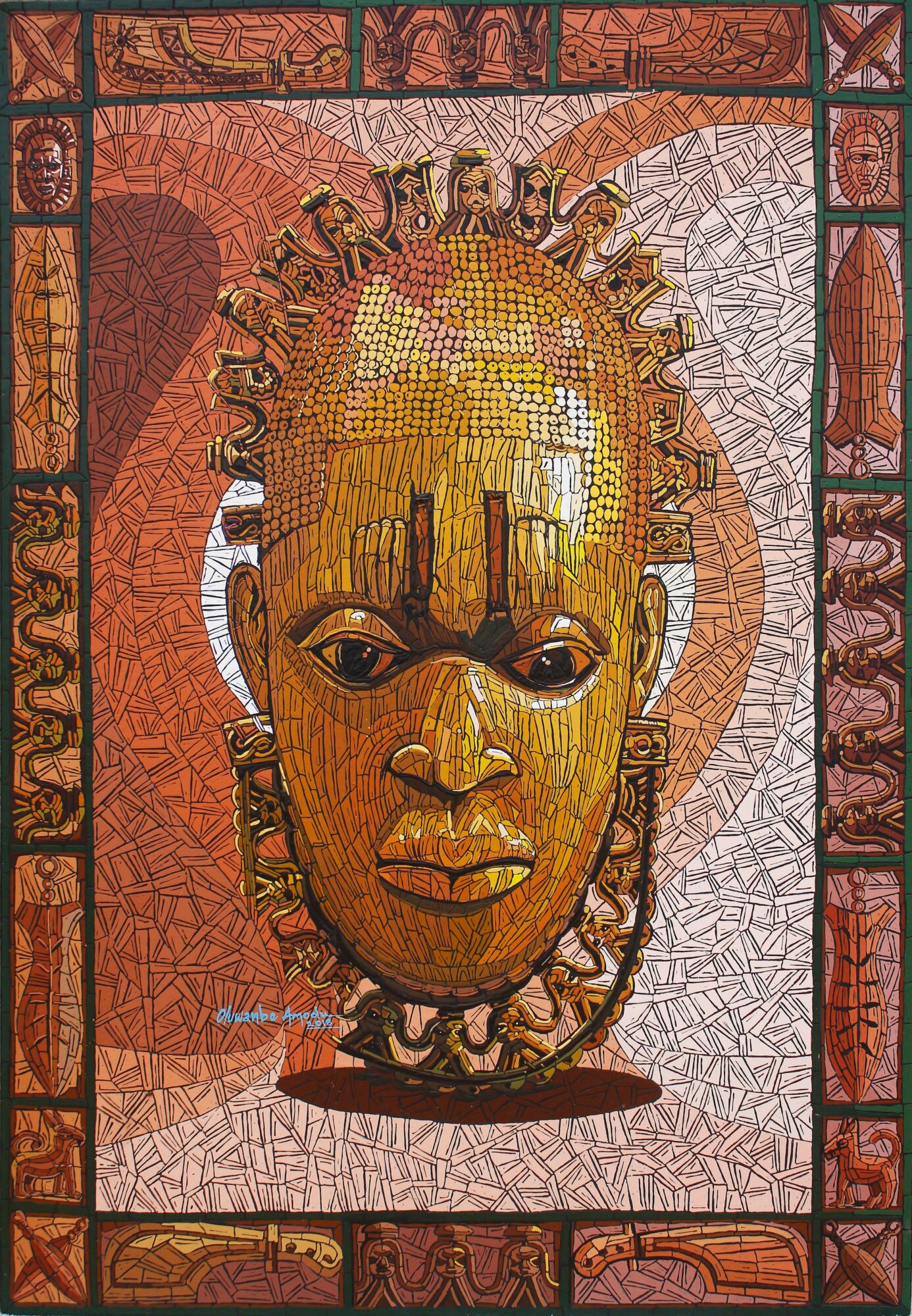
Amodu’s mixed-media practice, which utilizes acrylics along with paper, upholstery fabrics, electronic parts, leather, and found objects, imbues his work with depth and cultural significance, reflecting both personal and collective narratives. His contributions to contemporary art were recognized in 2010 when he was featured among 101 contemporary Nigerian artists in a notable publication by U.S.-based publisher Ben Bosha.
In 2025, Amodu’s work received top honors at the Guild of Charlotte Artists Exhibition, winning both Best in Show and the People’s Choice Award. This recognition underscores his influence and standing within the artistic community. Currently, Amodu is represented by Nine Eighteen Nine Gallery and is also a resident artist in the same gallery in Charlotte, North Carolina. He continues to exhibit his work across the United States and Nigeria.
In addition to his studio practice, Amodu is a dedicated mentor and philanthropist, actively leading empowerment programs and supporting humanitarian initiatives through his art.
I’m sure it wasn’t obstacle-free, but would you say the journey has been fairly smooth so far?
Oluwanbe Amodu faces challenges common to many contemporary artists, shaped by both his Nigerian roots and global ambitions. Limited access to international platforms initially made it difficult for his work to reach wider audiences, requiring years of self-promotion and personal investment. Financial instability remains a major obstacle, as the cost of materials, studio space, and exhibitions often outweigh unpredictable sales.
He also struggles to balance cultural authenticity with market expectations, resisting pressure to dilute African narratives for commercial appeal. Infrastructure gaps in Nigeria, such as weak institutional support and limited funding, have affected documentation and career growth. Relocating to the United States created new opportunities but demanded adaptation to a competitive art market and an unfamiliar audience.
Like all artists, Amodu confronts creative blocks and the need for constant reinvention. His perseverance and commitment to storytelling continue to sustain his practice despite these hurdles. Oluwanbe Amodu faces challenges that many contemporary artists encounter, influenced by his Nigerian roots and global aspirations. Initially, limited access to international platforms made it difficult for his work to reach broader audiences, necessitating years of self-promotion and personal investment. Financial instability is a significant obstacle, as the costs of materials, studio space, and exhibitions often exceed unpredictable sales.
He also grapples with balancing cultural authenticity and market expectations, resisting the pressure to dilute African narratives for commercial appeal. Infrastructure gaps in Nigeria, such as weak institutional support and limited funding, have hindered documentation and career development. While relocating to the United States created new opportunities, it also required him to adapt to a competitive art market and an unfamiliar audience. Like many artists, Amodu faces creative blocks and the need for constant reinvention. Nonetheless, his perseverance and commitment to storytelling continue to sustain his practice despite these challenges.
Thanks for sharing that. So, maybe next you can tell us a bit more about your work?
Improve it
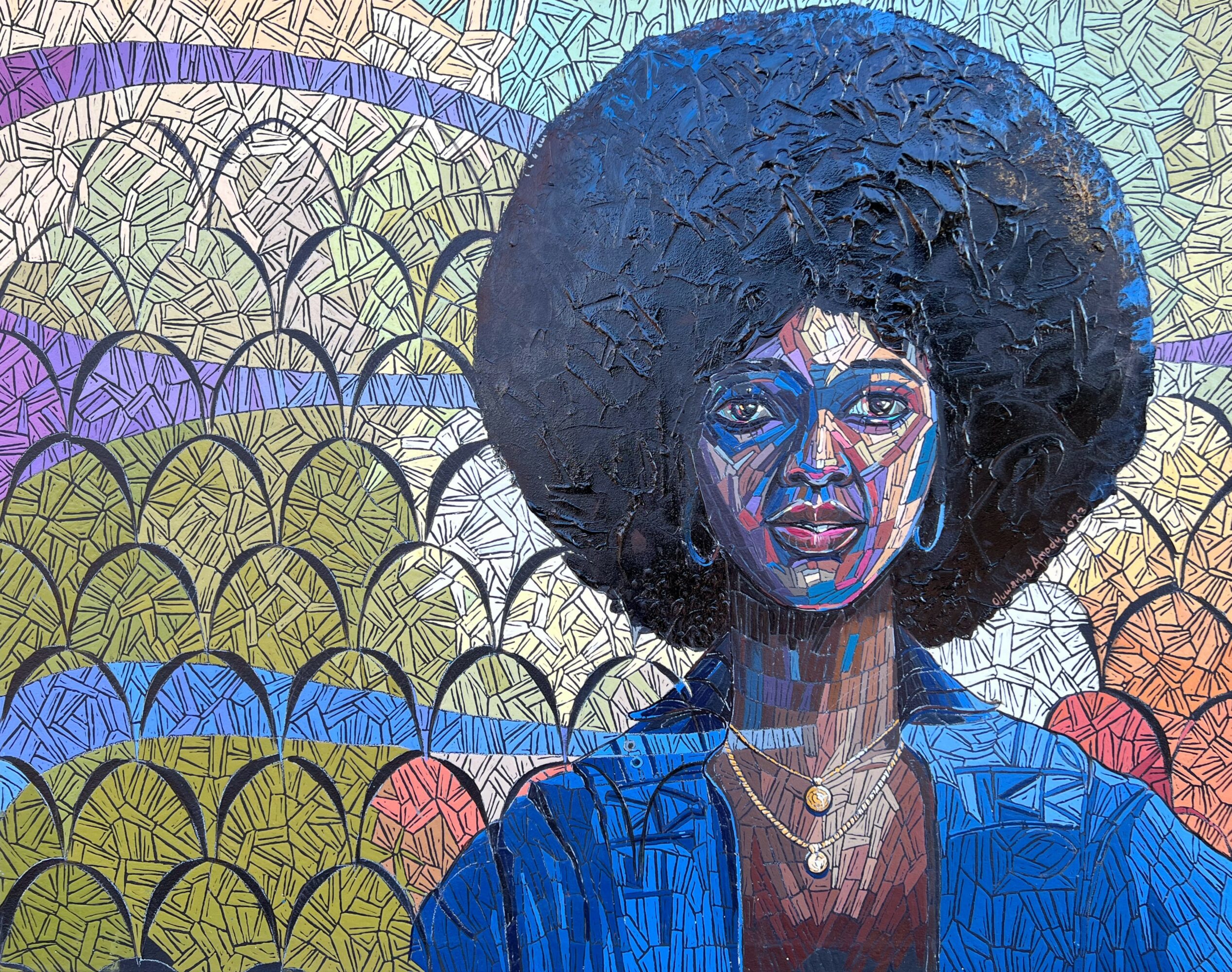
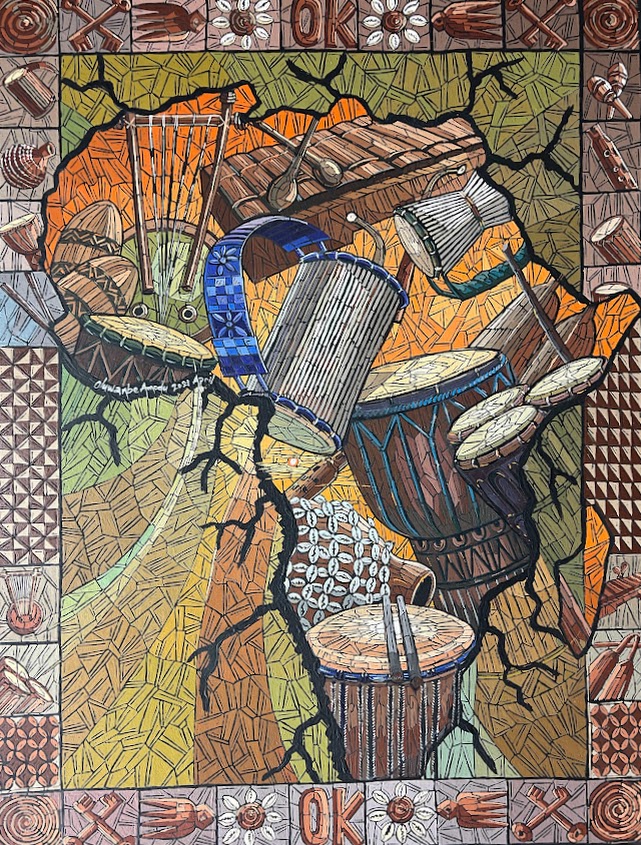
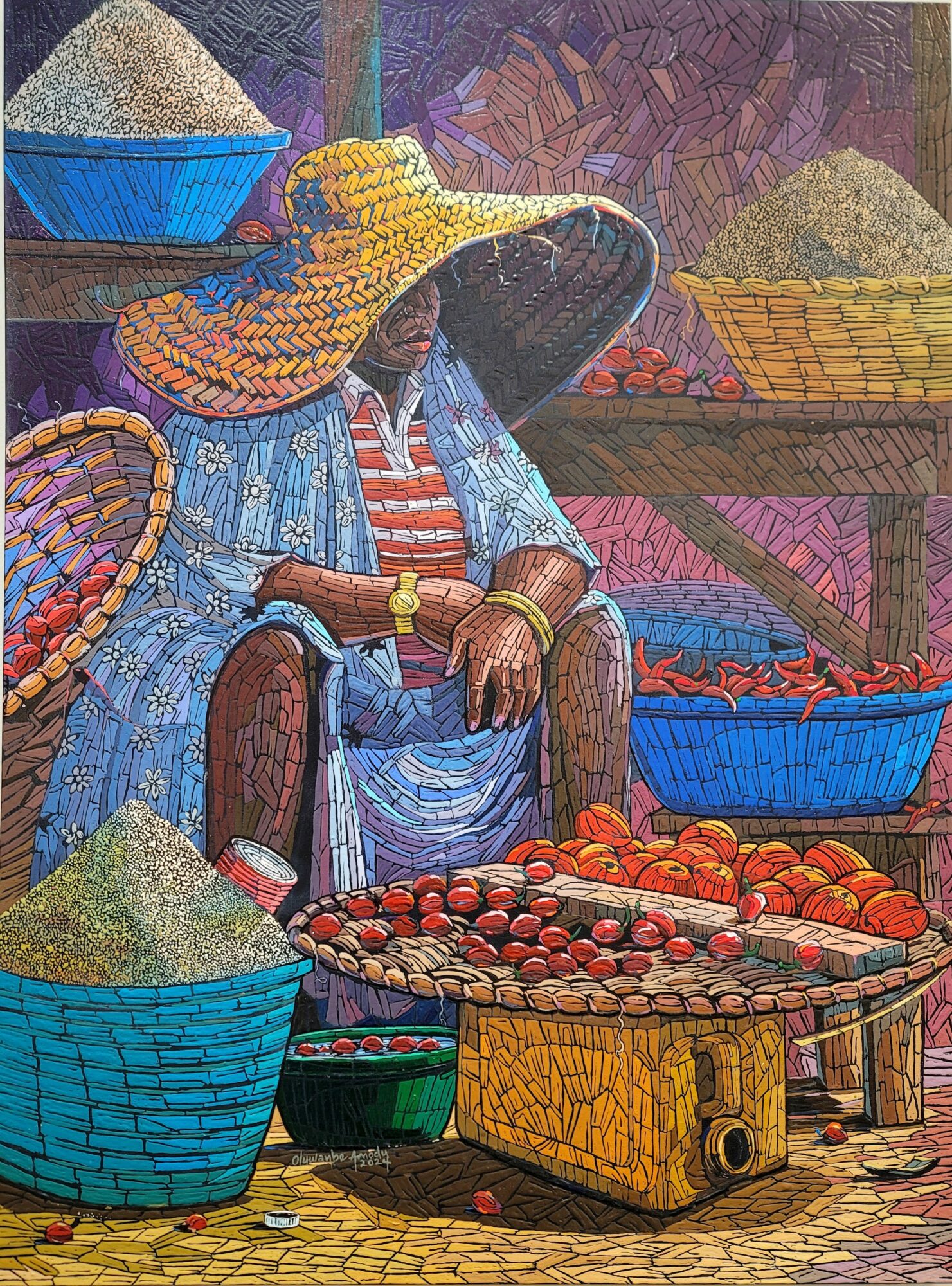
Oluwanbe Amodu’s art is distinguished by his innovative fusion of Araism painting with upholstery fabrics and textured materials. Unlike traditional canvas work, he uses a palette knife to paint, meticulously drawing each pattern to create beautiful masterpieces. He incorporates surfaces made from Ankara, leather, computer parts, and domestic textiles, allowing patterns from everyday African interiors to become part of his narrative. This approach gives his figures a sculptural presence and links personal memory to collective culture. The rhythmic lines of Araism guide his compositions, while the fabrics introduce themes of history, class, and migration, reflected in what people wear and live with.
His technique transforms portraiture into tactile storytelling, making each piece feel both intimate and architectural. Amodu continues to expand on these experiments, pushing beyond paint into layered assemblage. A major milestone in his career will be his upcoming solo exhibition in July of 2026 at Nine Eighteen Nine Studio Gallery in Charlotte N.C, where he plans to present new works that explore identity, survival, and diaspora through this evolving artistic language. In summary, Oluwanbe Amodu’s art is characterized by his innovative combination of Araism painting with upholstery fabrics and textured materials.
Do you have recommendations for books, apps, blogs, etc?
The Art Angle
Contact Info:
- Instagram: https://www.instagram.com/oluwanbeamodu
- Facebook: https://www.facebook.com/oluwanbeamodu