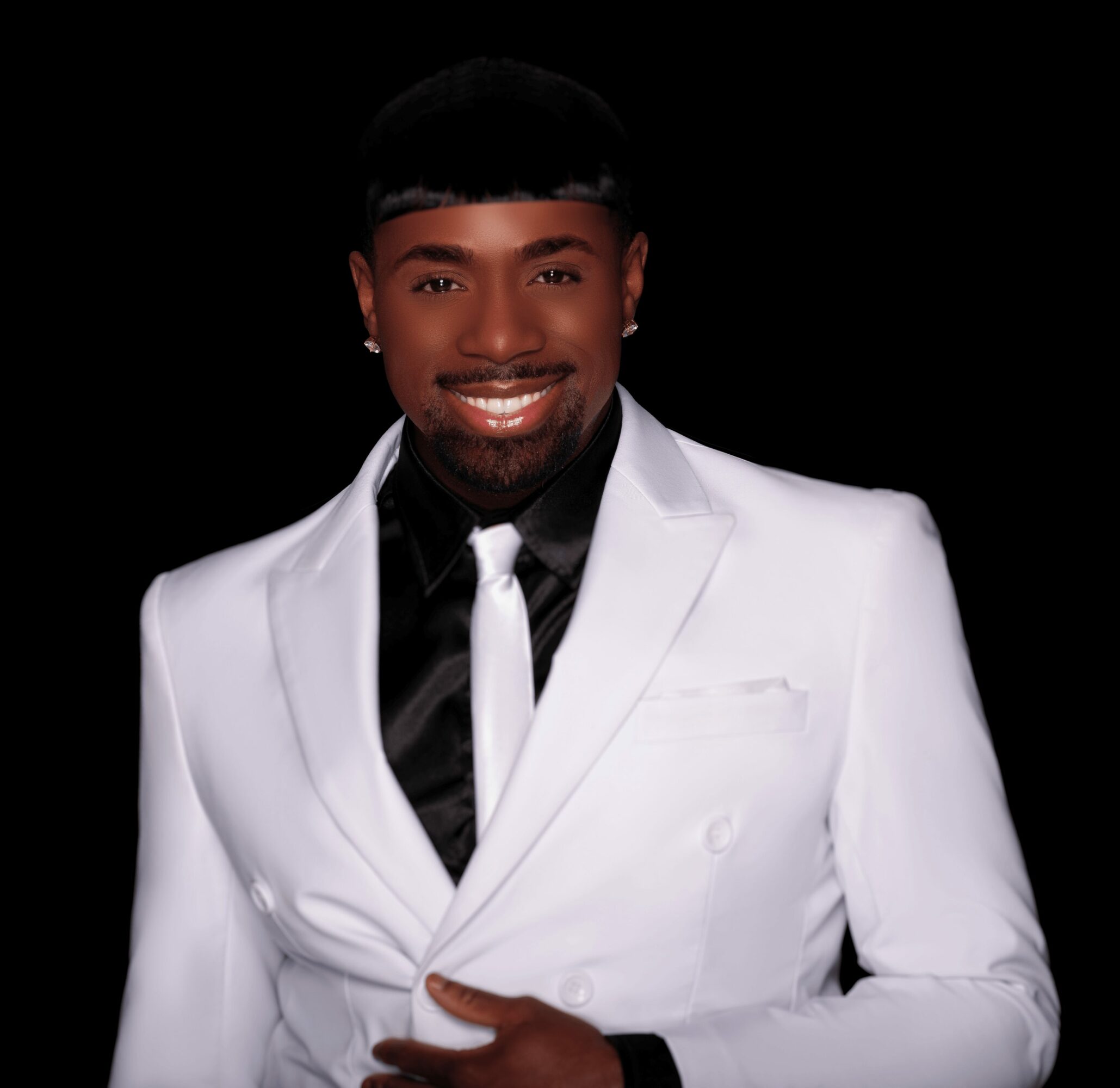

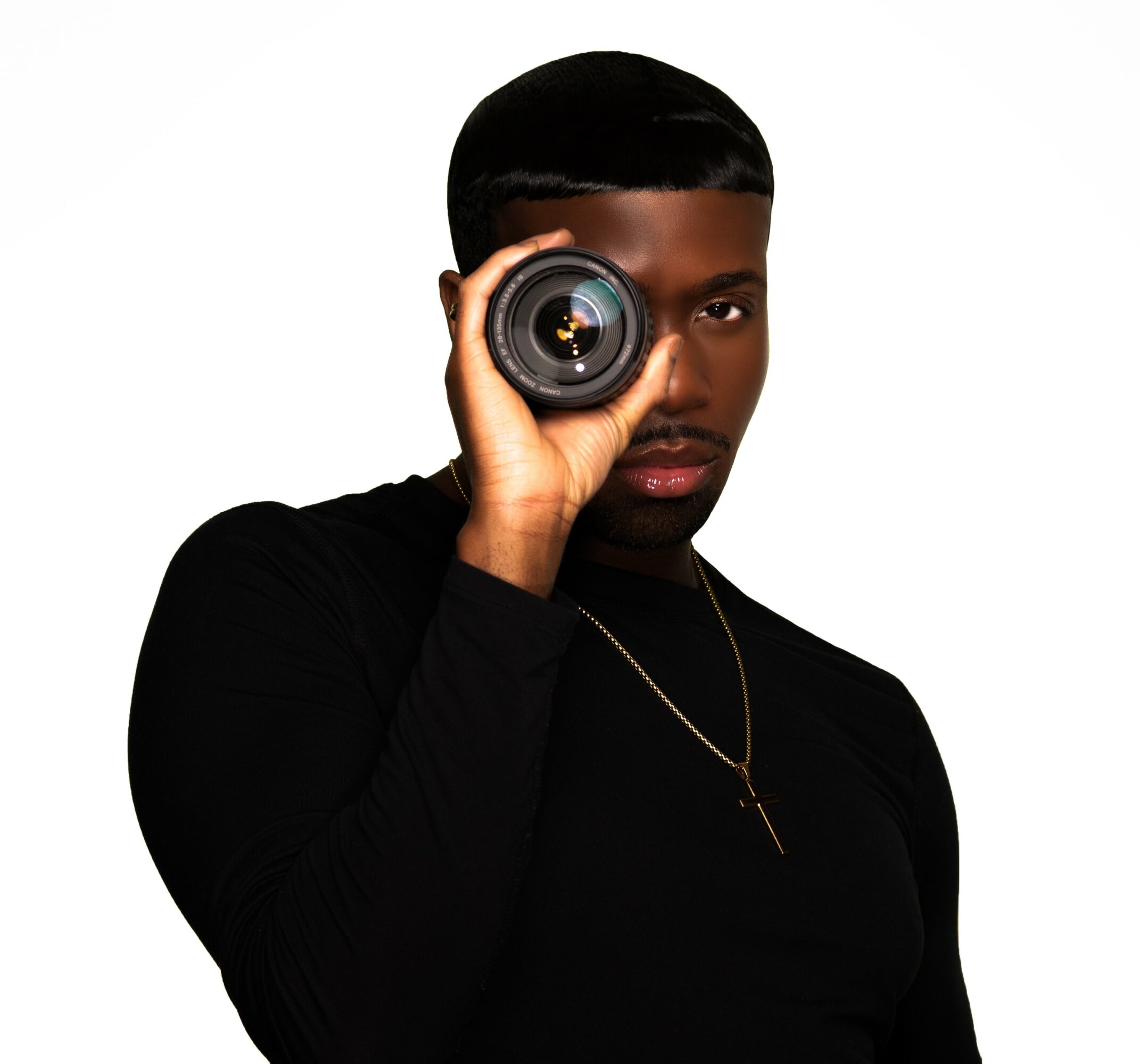
Today we’d like to introduce you to Raquez Rouse.
Hi Raquez, thanks for joining us today. We’d love for you to start by introducing yourself.
My name is Raquez (pronounced Rah-Kwez). I’m originally from Washington, North Carolina—a small coastal town with a lot of love and a deep, rich history—and I’m incredibly proud of where I come from. Growing up there shaped my values and taught me that you don’t need a whole lot to be happy, while still knowing that your life can be bigger than the place you started. My family moved to Raleigh when I was 9, but Washington will always be home to me, and I carry just as many strong memories from both places. That foundation, that sense of rootedness, is a big part of who I am and how I see people. I picked up my first camera as a teenager, and what started as curiosity slowly turned into a lifelong love for creating, storytelling, and honoring beauty in all its forms.
I got my first digital camera when I was about thirteen. It was a basic point-and-shoot—nothing fancy—but it changed everything. My uncle bought it for me, and from the moment I picked it up, I was hooked.
I actually started in video, not photography. I was obsessed with recreating music videos—shooting mini films around the house with my little sister, who’s nine years younger than me. She was my model, my talent, my muse. We’d dig through my grandmother’s closet, grab her old wigs, use lamps as lighting, and build worlds out of whatever we had. It was all instinct. All curiosity. I didn’t know the rules yet—so I wasn’t afraid of breaking them.
Around fourteen, I fell in love with America’s Next Top Model. Not just the fashion—but the storytelling. The way a photo could say something bigger than beauty. That pushed me deeper into portrait work, experimenting, emulating what I saw, and figuring out my own eye.
In high school, I enrolled in a photography program, and that’s where things shifted. One of my teachers—Mrs. Ricker—pulled me aside after class one day and said, “Out of everyone here, you’re probably the only one who’s going to walk away and do this professionally.”
I was sixteen or seventeen. That moment stayed with me.
She pushed me to submit work, enter competitions, take myself seriously. My photos were shown at the North Carolina State Fair, the Women’s Club of Raleigh, featured in student publications and forums. Even then, I wasn’t just shooting to make something “pretty.” I was always drawn to different kinds of beauty—the faces that didn’t usually get the spotlight.
After high school, I went on to study photography at The Art Institute of Raleigh. I learned everything—from photojournalism and editorial to fashion, film, and art history. I wasn’t just becoming a photographer—I was becoming an artist. I invested everything into my craft. Equipment. Time. Energy. “I can’t” wasn’t in my vocabulary—and still isn’t.
In 2016, one of my student films, Melanin, was selected for film festivals, including the BronzeLens Film Festival in Atlanta, and others in Durham and DC. That moment affirmed something I already knew: storytelling—especially visual storytelling—was my lane.
But the through-line in all of my work, from the very beginning, was representation. I was always drawn to people who didn’t fit the mold. Beauty that wasn’t considered conventional. Stories that were usually overlooked.
In 2021, I started seeing story after story of women—especially Black women—risking their lives for cosmetic procedures, traveling overseas, using underground clinics, and not coming back alive. All because of pressure to look a certain way. Combined with my own experiences growing up with body image and self-esteem issues, something snapped.
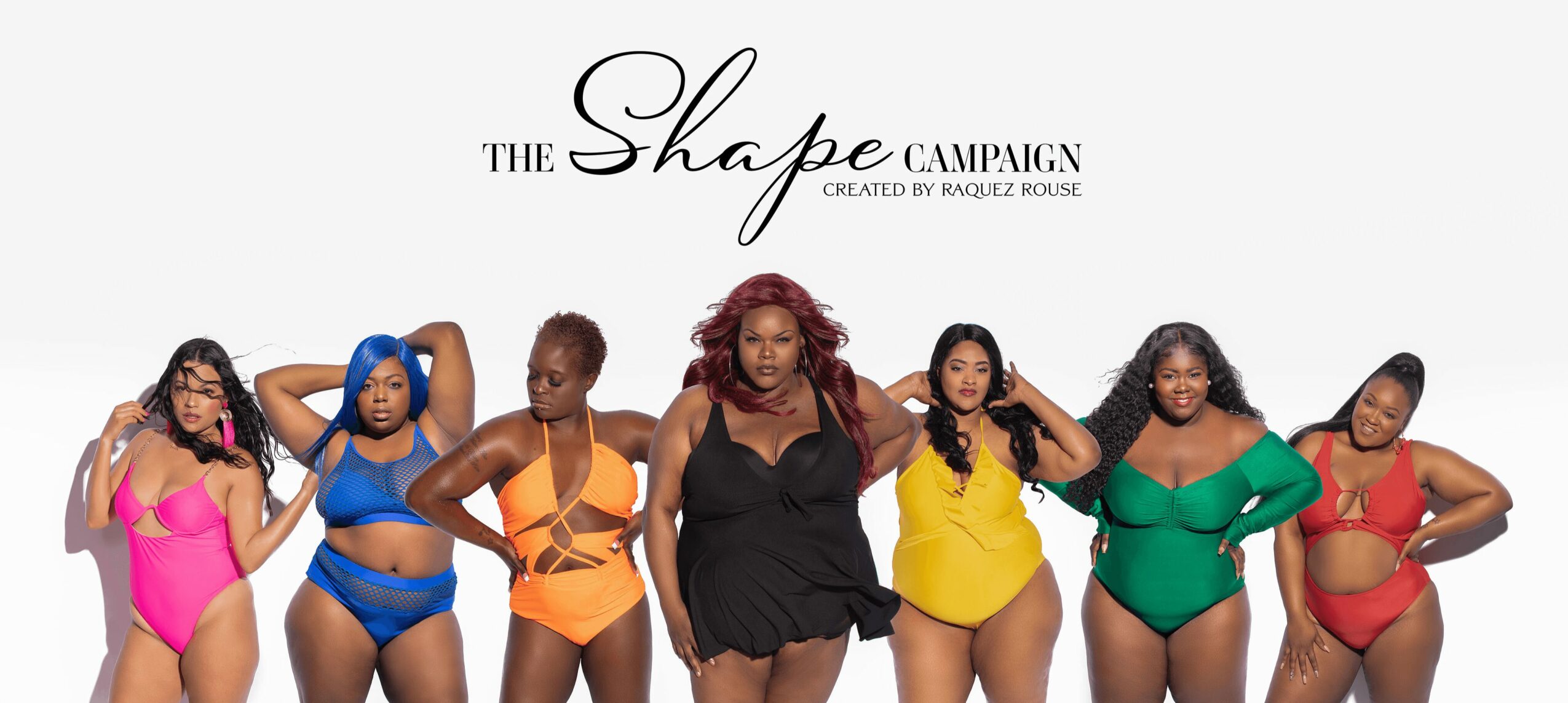

That frustration—that anger—is what birthed The Shape Campaign.
We launched the first season in 2022. At first, it focused on full-figure women, but it quickly evolved. I realized it wasn’t just about body type—it was about visibility. Short women. Tall women. Loud women. Soft women. Women who had survived abuse, betrayal, and heartbreak. Women who were always told to dim themselves.
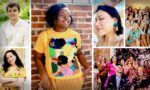
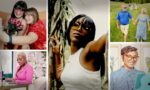
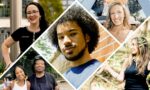
The Shape Campaign is more than a photoshoot. It’s a process. Women from all over the country—Alabama, Florida, DC, Kentucky, Virginia, Georgia—come together for months of preparation: virtual fittings, one-on-one conversations, creative direction. The final result is both a fashion editorial and a talk-show style interview—because I’ve never believed it’s enough to just see someone beautiful without knowing their story.
I host the show myself. It’s where photography meets conversation. Where America’s Next Top Model meets Oprah—because I’ve always loved talk shows that let people be seen, not just styled.
Today, that’s where I am. Building The Shape Campaign. Telling stories that matter. Creating spaces where people feel seen, powerful, and worthy. I’ve also expanded into new projects, like Rated Reflections, where I explore pop culture, music, film, and identity through the lens of self-esteem and representation.
I didn’t choose this because it was easy—I chose it because it felt instinctual.
Alright, so let’s dig a little deeper into the story – has it been an easy path overall and if not, what were the challenges you’ve had to overcome?
It has felt like walking straight into the wind—consistently. I’ve been moving forward, but it often feels like something is always pushing back.
The truth is, the challenges haven’t been one single obstacle repeating itself. They’ve changed as I’ve grown. Every stage has brought its own kind of resistance.
Early on, when I first started as a teenager, the struggle was simply learning the craft. Figuring out what I was doing with a camera. Understanding light, composition, editing, and restraint. When I look back at my early work, I see someone who wanted to push everything to the extreme. More color. More lights. Heavy retouching. Over-editing. Not because I didn’t care—but because I was learning. I was exploring the full range of what was possible.
Over time, that evolved. I started to understand that intention matters more than excess. That less really can be more. I still love pulling out all the bells and whistles when it makes sense—but now it’s a choice, not a reflex. Everything has to serve the story.
Right now, the biggest challenge is funding.
The Shape Campaign is about 95% funded by the participants themselves. The rest—whatever the budget doesn’t cover—I cover. And I’m okay with that. I’m not looking for a free ride. I’ve never been afraid to invest in my own work.
But the hard part is this: the women who need The Shape Campaign the most are often the ones who can’t afford it. Especially over the past year, so many women faced financial obstacles. They wanted to be part of it. They needed it. But they simply couldn’t make it work.
And that’s painful—because it goes against the heart of the mission.
So now the challenge is navigating how to grow sustainably: securing sponsorships, grants, partnerships—so access isn’t limited to who can afford it, but extended to who needs it.
Another ongoing challenge has been learning how to own being underestimated.
I used to shy away from the word “underdog,” but I’ve made peace with it. Being underestimated can hurt—but it also means expectations are low. And that makes it easier to surprise people. To move quietly. To build without noise.
There have been a lot of moments where I wanted to stop. A lot of heartbreak. Tears. Disappointment. Feeling like it wasn’t going to work. Feeling unseen. Feeling like I was pushing something uphill alone.
But I keep going.
Not because it’s easy. Not because it’s guaranteed, but because there’s something in me that simply won’t let me quit.
And every time I think about stopping, I remember why I started—and who this is for.
Appreciate you sharing that. What else should we know about what you do?
At my core, I’m a beauty-fashion photographer and visual storyteller, and my work lives at the intersection of cinematic imagery and emotional depth.
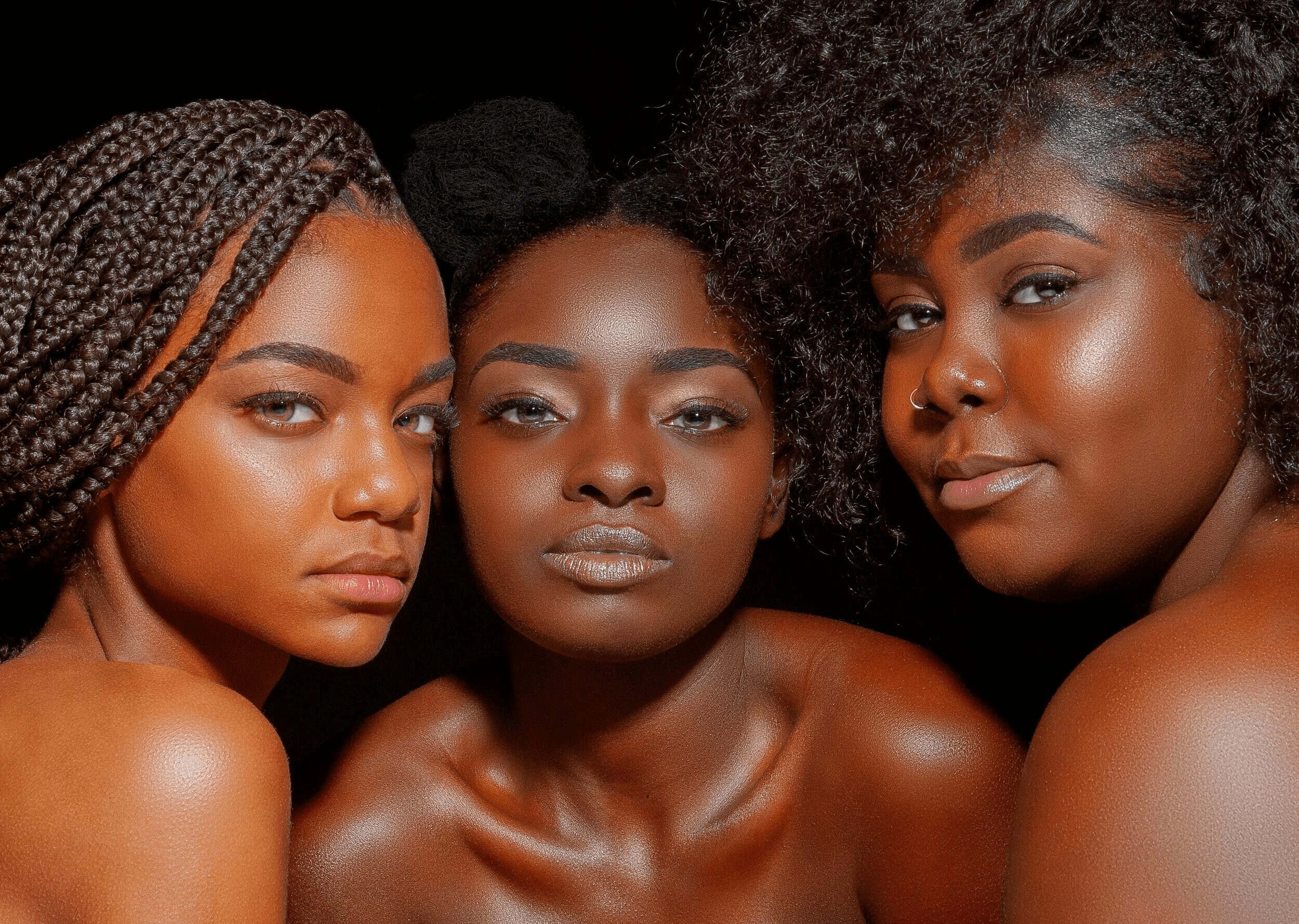
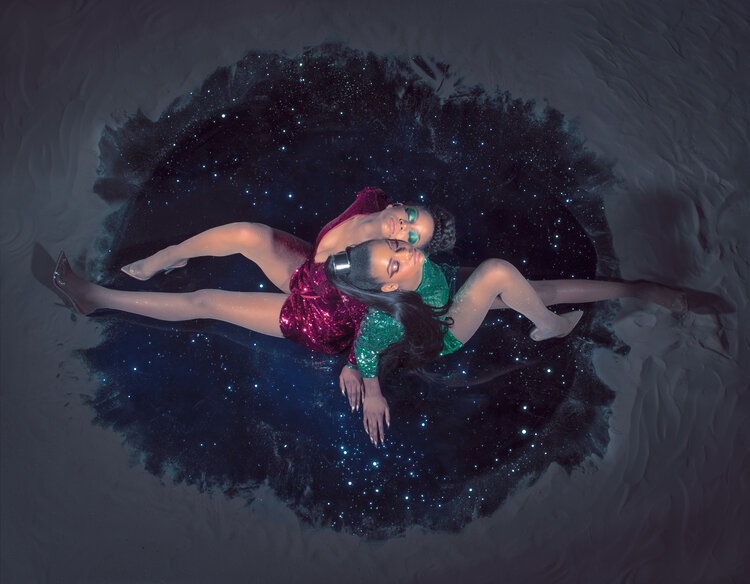
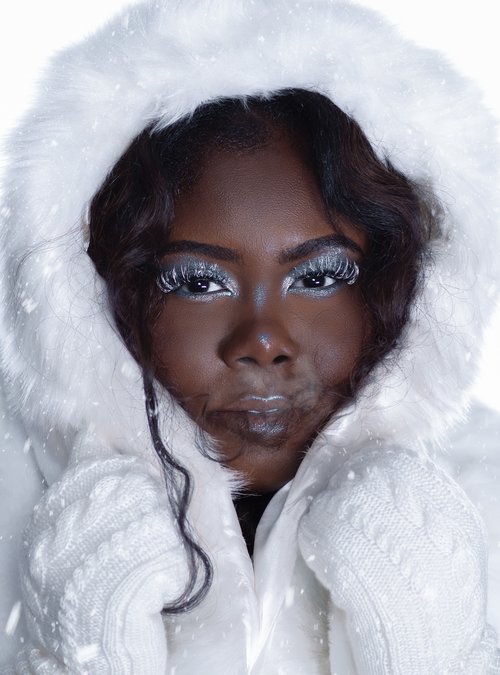
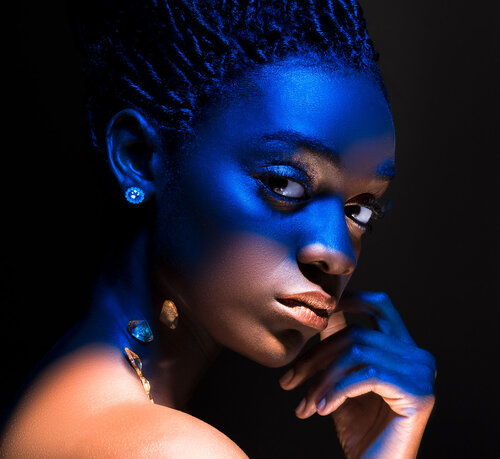
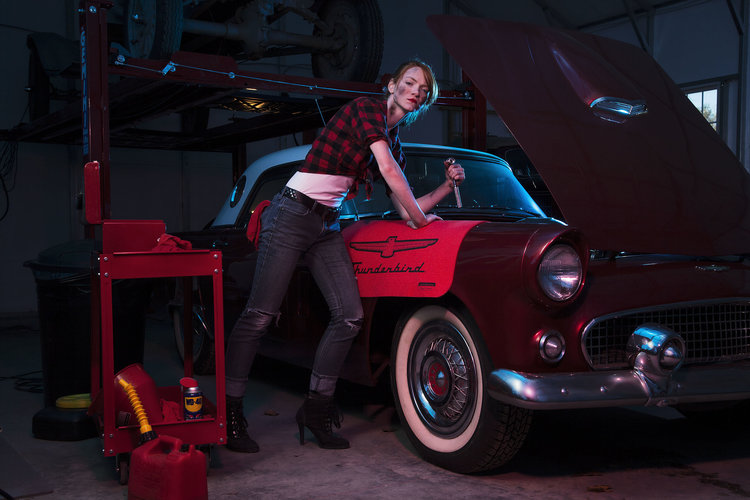
One of the things I hear most often about my work is that it feels like a movie still—sharp, intentional, and cinematic. There’s a theatrical quality to it, but it still reads as polished and commercial. I’m very particular about lighting, detail, and composition. Quality matters to me. I want every image to feel deliberate, not accidental.
I primarily specialize in working with women. That’s where my focus is, and that’s where my support has consistently come from. Not because I can’t photograph men—but because my work is purpose-driven, and women are at the center of that purpose.
Why women?
As a Black gay man, I see a lot of parallels between the experiences of women—especially Black women—and the queer community. There’s overlap in how we’re viewed, how we’re scrutinized, and how often we’re expected to shrink ourselves to be palatable.
Because of that, I naturally lean into being an ally and advocate through my work. Women make the world move. They carry stories, resilience, creativity, and power that often goes unseen. My work is about giving that power a visible, undeniable presence.
What am I most proud of?
I’m most proud of The Shape Campaign.
Not just as a photography project, but as a living body of work that stands for representation, diversity, and dignity. That commitment didn’t come from a trend or a buzzword—it’s something I’ve lived by my entire career.
The Shape Campaign isn’t about perfection. It’s about visibility. It’s about honoring women who don’t always see themselves reflected in traditional beauty spaces and saying, you belong here too.
I’m proud that I’ve been consistent in that stance—even when it wasn’t popular, profitable, or easy.
What sets you apart?
What sets me apart is intentionality.
I don’t just photograph people—I create experiences. I care deeply about how someone feels before, during, and after they step in front of my camera. I’m not interested in surface-level beauty without context. I want the image and the story behind it.
I bring together:
cinematic visual storytelling
editorial-level production
emotional honesty
and a long-term commitment to representation
And I’m not experimenting with that mission—I’m dedicated to it. This isn’t a phase or a side project. It’s work I’m willing to build my life around.
Who else deserves credit in your story?
This work has never existed in isolation, and there are several people who deserve real credit for helping shape both me and my business.
First and foremost, I always give honor to God. I genuinely believe this gift didn’t come from nowhere. My creativity, my vision, and even my persistence come from God, and I never separate my work from that truth.
The next person I want to acknowledge is my uncle, Carlo Rouse. He bought me my very first digital camera when I was around 13. At the time, he probably thought he was just giving his nephew a birthday gift—but that camera unlocked an entire world for me. That single moment changed the trajectory of my life.
I also owe a tremendous amount of gratitude to my mother, Cassandra Rouse. She was the one who pushed me to get involved in photography at school. I remember her sitting down with my guidance counselor and saying, “He needs to be involved in something.” That conversation is how I discovered my high school’s photography program. Without her advocacy, I may not have found that doorway when I did.
One of the most pivotal figures in my journey is Mrs. Ricker, my high school photography instructor from 10th through 12th grade. She saw potential in me early on and pushed me in ways that went far beyond the classroom. She told me—at a very young age—that I had what it takes to be a professional. That kind of belief stays with you forever, and I carry her encouragement with me to this day.
I also want to acknowledge my grandparents, Ella Mae and Tony (TR) Rouse, especially my grandmother, for allowing me to use their space while I was learning. She patiently let me take over her lamps, her rooms, and her house while I experimented and created. That freedom mattered more than she probably realized.
My little sister, Treeyana Rouse, deserves special recognition as well. She was my very first muse and one of my earliest supporters. She trusted my vision before it was fully formed, modeling for me in homemade shoots and music-video recreations. That kind of belief—especially when you’re just starting out—is invaluable.
I also want to recognize my longtime friend Ashleigh Golson. She’s been part of my journey since my school days and was featured in my short film Melanin. She later became one of the first models of The Shape Campaign in Season One and continues to support the project now, even into Season Five. Her consistency and belief in the work mean a lot to me.
Lastly, I want to acknowledge my makeup artist, Asia Thurston. She has been with me since the earliest seasons of The Shape Campaign and continues to show up whenever I need support on set. Having someone you can trust creatively and professionally is essential, and she’s been that person for me.
Every one of these people played a role—whether by opening a door, believing in me early, offering support behind the scenes, or consistently showing up. This work exists because of community, not just ambition.
Contact Info:
- Website: https://raquezrouse.com/
- Instagram: https://www.instagram.com/mr.raquezrouse
- Facebook: https://www.facebook.com/@mr.raquezrouse
- Youtube: https://www.youtube.com/@theshapecampaign