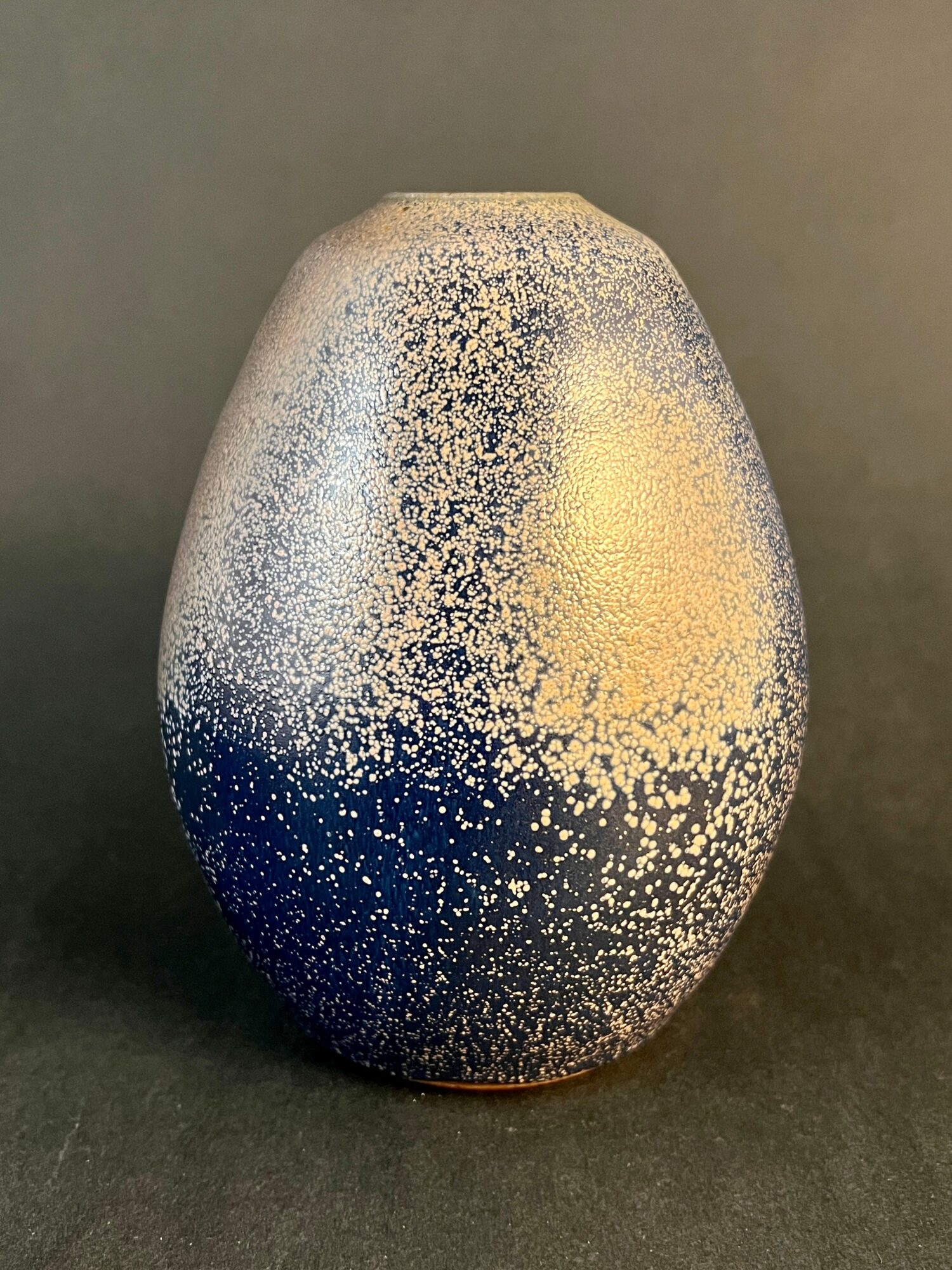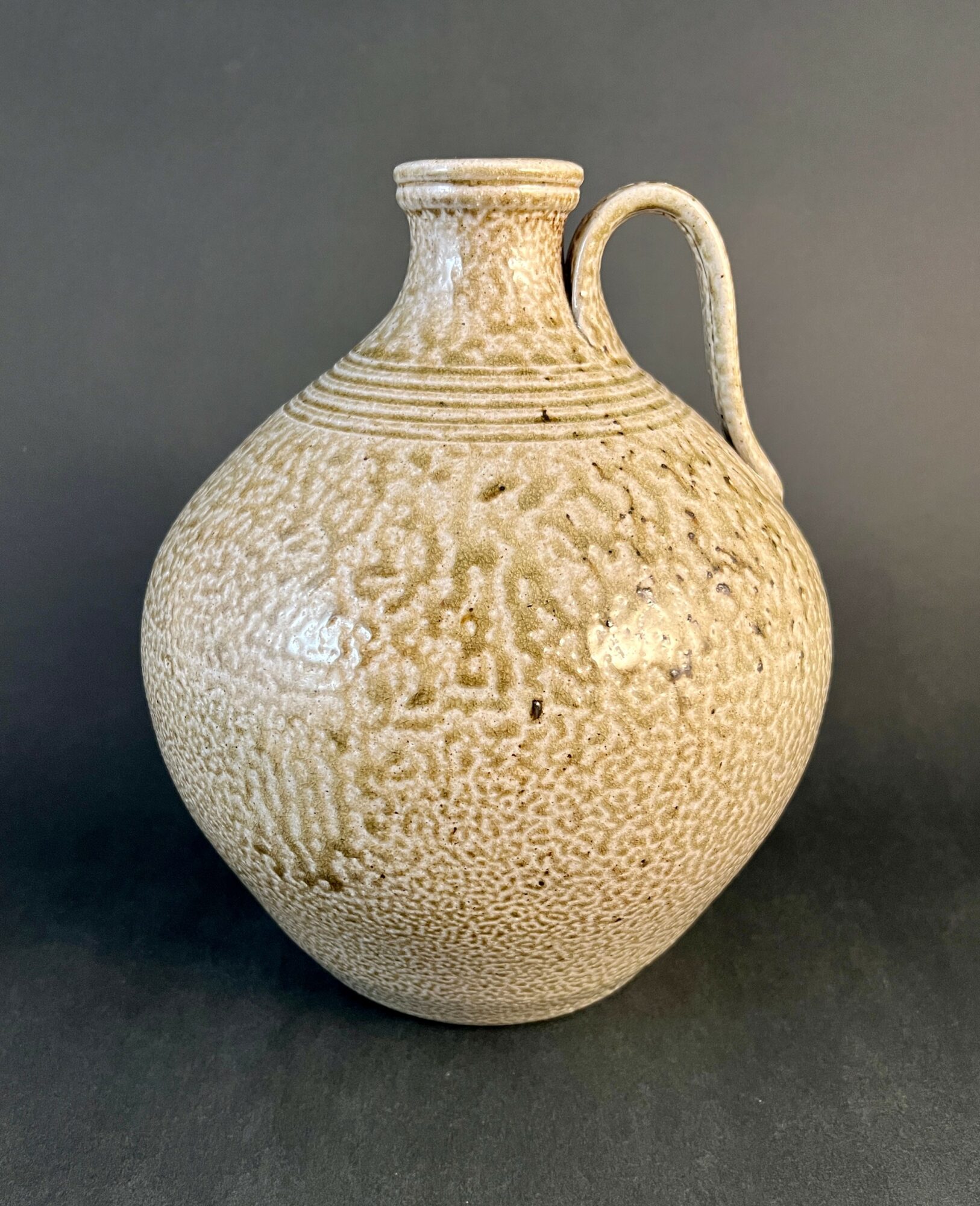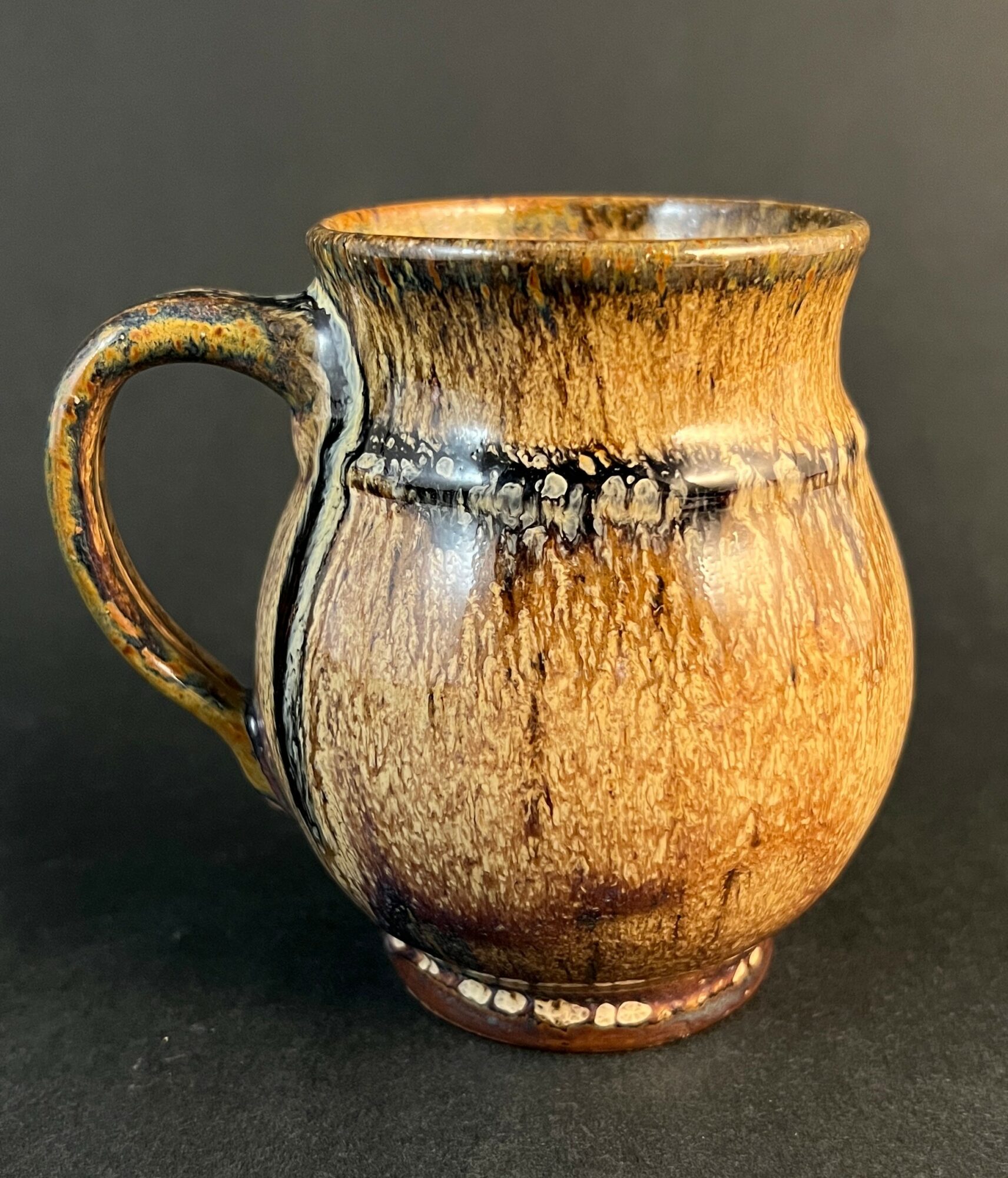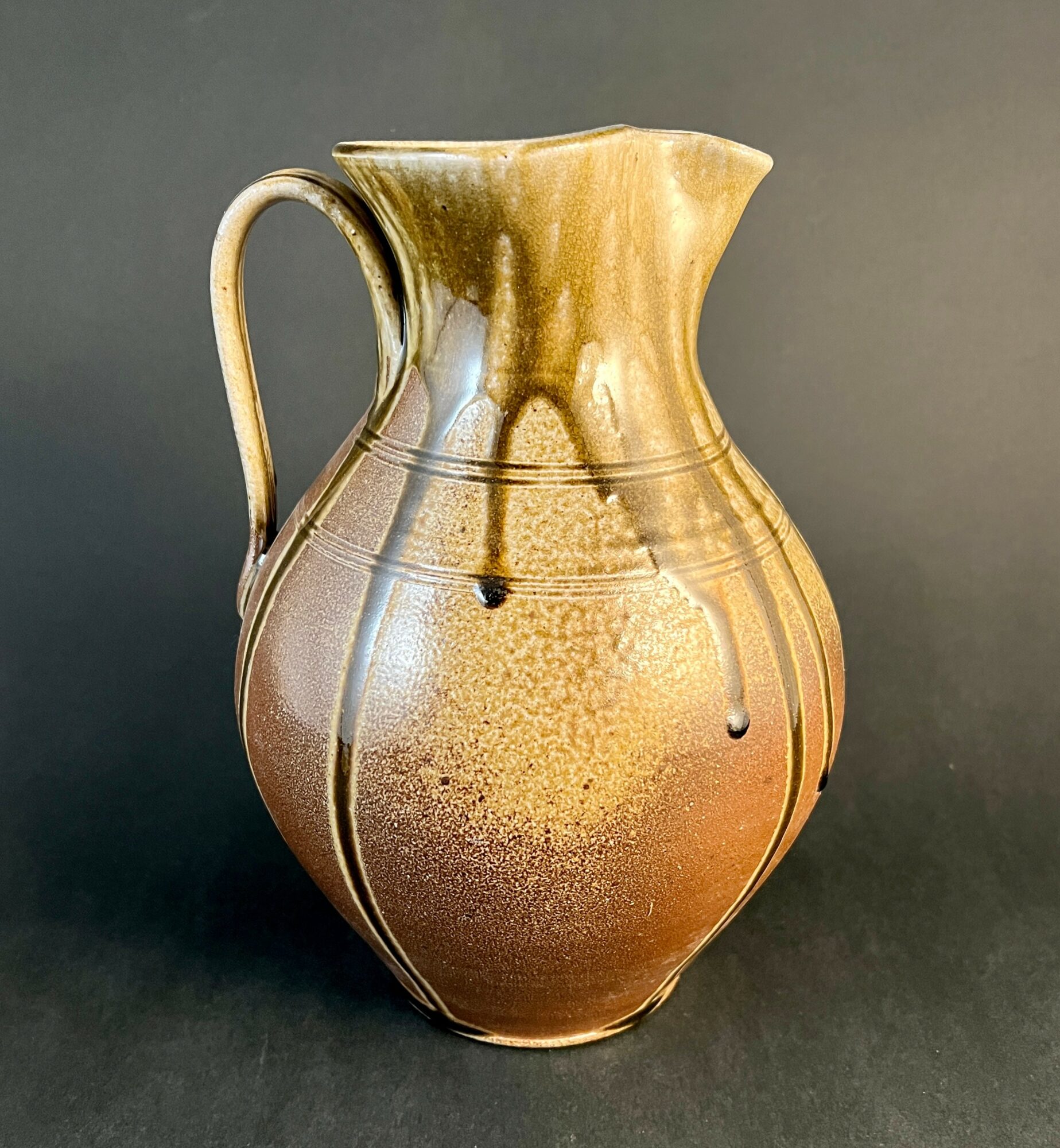





Today we’d like to introduce you to Travis Owens.
Travis, we appreciate you taking the time to share your story with us today. Where does your story begin?
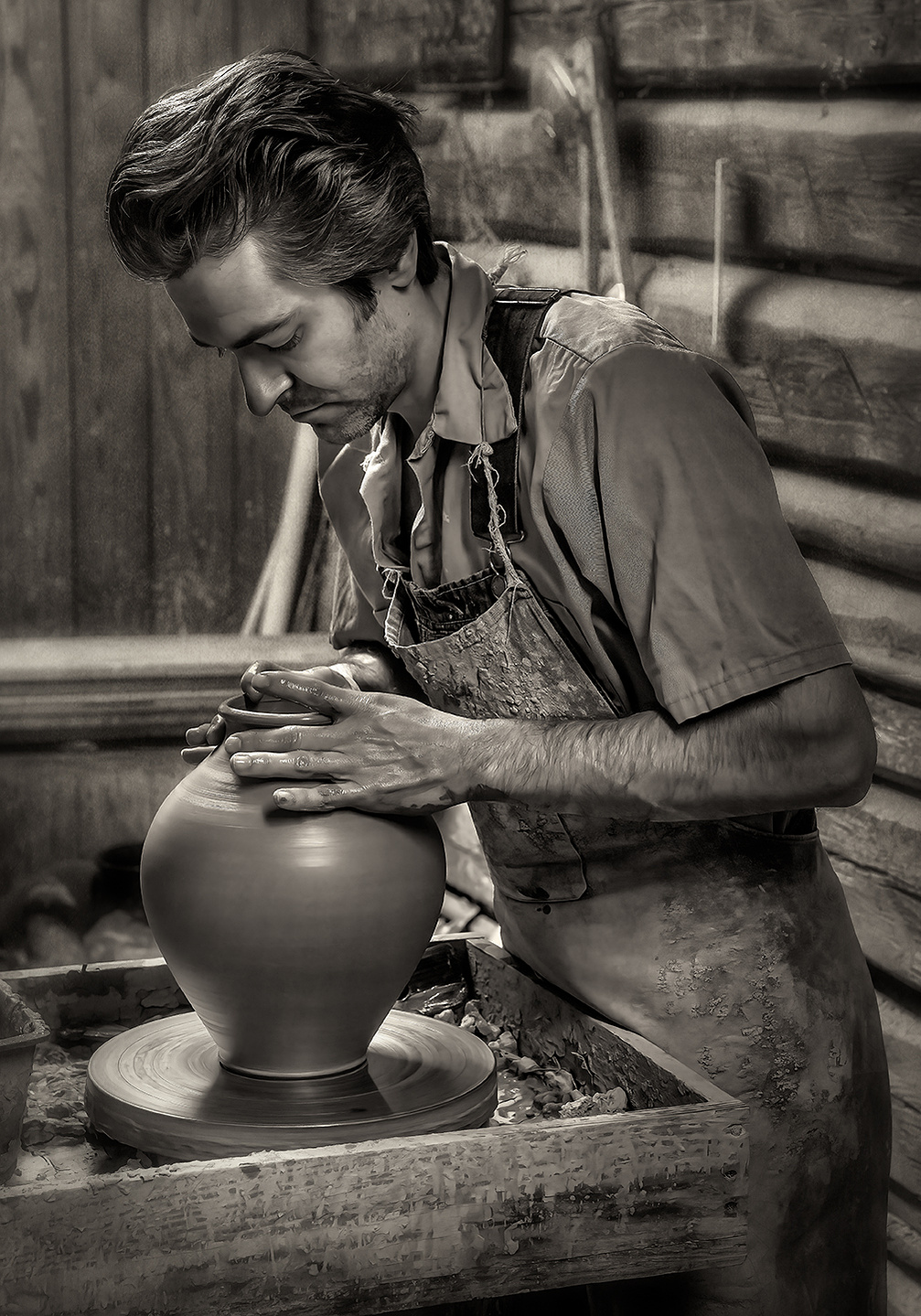
I grew up in a pottery making family in northern Moore County, about an hour and half from Raleigh. Our family – the Owen/Owens family have been documented potters in this community since the mid 1800’s. I learned to make pots by watching my parents, Vernon and Pam Owens. I was always interested in the process and felt a connection to what we do. I attended NC State University’s College of Design, which gave me a good foundation of design principles. The pottery we operate, Jugtown Pottery, has been in business since 1917, and form and design have always been paramount in the creation of pottery here.
Like most people who grew up in a small, family business setting, I wasn’t trained formally. I watched, asked questions, and practiced. That’s one of the unique things about learning from your family which isn’t seen much these days; absorbing knowledge from those around you as I did is just a natural thing, and it had a profound impact on how I make pottery.
When I graduated from NC State in 2007, I came back to Jugtown to be a full time potter. I’ve tried to study classic forms that have been inspirations to everyone at Jugtown as the basis for my work. I also spend a great deal of time working with the raw materials we use; namely clay. We have always used local clays here, and I am always gaining knowledge through testing, studying information from others, and discussions with other ceramicists, geologists, and ceramic engineers.
I’m sure it wasn’t obstacle-free, but would you say the journey has been fairly smooth so far?
Anything that you’re producing 100% by hand is going to have challenges. With clay, you’re taking material straight from the earth, so it’s not always going to remain constant. With things that we can’t source ourselves, mostly glaze materials, there’s always the possibility of changes in suppliers, changes in chemical composition, etc. All these things keep us on our toes!
Another aspect that changes is customers taste, and we work hard to remain vibrant and engage with our clientele, while making pots that have the feel of Jugtown. It has always been important to me that I make the best pots possible, during all the steps of the process. When I’m working on a pot, I have a plan going in, and I know what it should look like as a finished piece. I also know what a quality pot should be when it comes out of the kiln, and the technical side is just as important – I want to present the best possible piece of handcrafted pottery to the public. Educating customers about what to look for in a good piece of pottery is part of the process, and something that while it can be a challenge, is very important.
Alright, so let’s switch gears a bit and talk business. What should we know about your work?
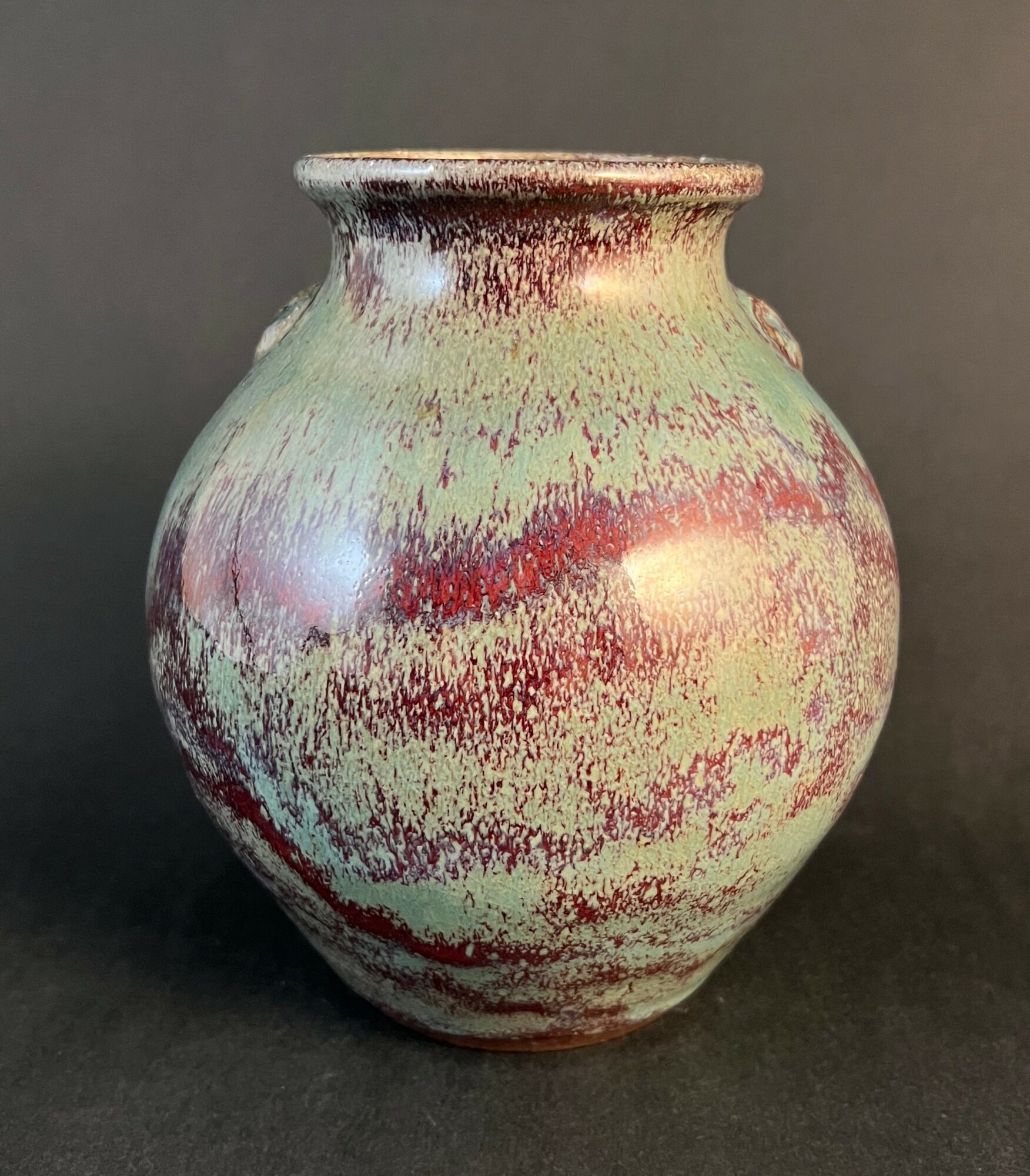
I am a potter at Jugtown Pottery. Jugtown has a reputation of making classic, understated forms, that have a timeless look and feel. I strive to make work that continues this heritage, while expanding the repertoire and creating pots that folks connect with, and will engage with on a daily basis. Whether it is a vase that is the centerpiece of a table, a jar on the kitchen counter that holds your favorite treat, a lamp that you read by, or a mug that you reach for each morning, it is inspiring and humbling to know the work becomes part of people’s lives. I’m pleased to have gained the knowledge from my family, and from others along the way, about how to make pottery from digging the clay, through to the pot coming out of the kiln and going to it’s new home. There is so much access to materials and products these days, for most potters it’s not necessary to understand how to formulate a clay body, or build a kiln, but I do those things, and much more, and I think it shows in the final product. I like to think that having a connection to the whole process gives the pots I make life, warmth, and purpose.
What was your favorite childhood memory?
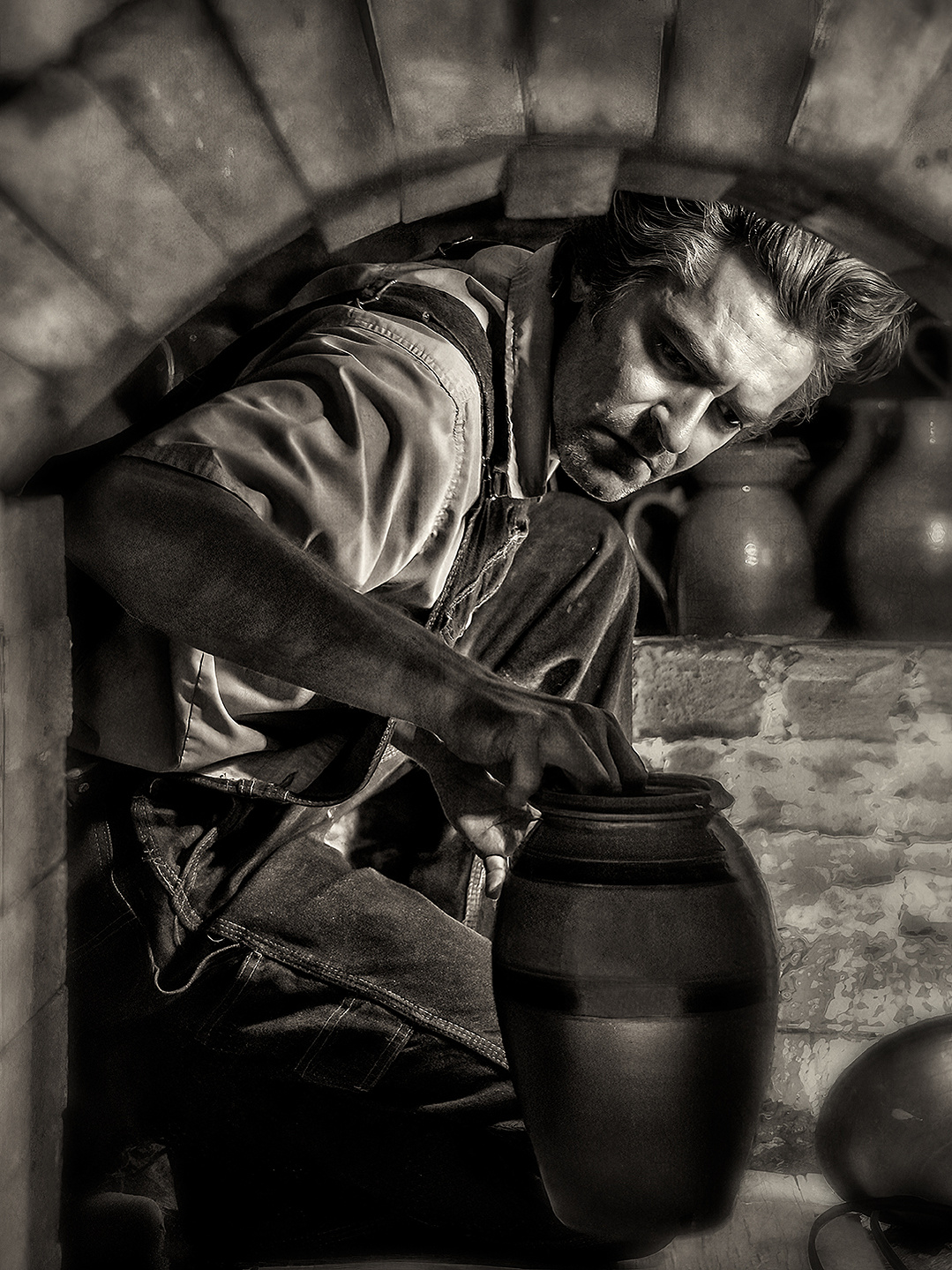
A core memory from my childhood is being near the kilns when we were firing, particularly the Groundhog kilns. These are the old style kilns used in our area for at least the last couple centuries. As a child, I was always part of the loading and firing process, and I can visualize the scenes and smell the smells that are only associated with those kilns.
Contact Info:
- Website: https://www.jugtownware.com
- Instagram: https://www.instagram.com/jugtownpottery/?hl=en
- Facebook: https://www.facebook.com/jugtownpottery/
- Youtube: https://www.youtube.com/@jugtownpottery