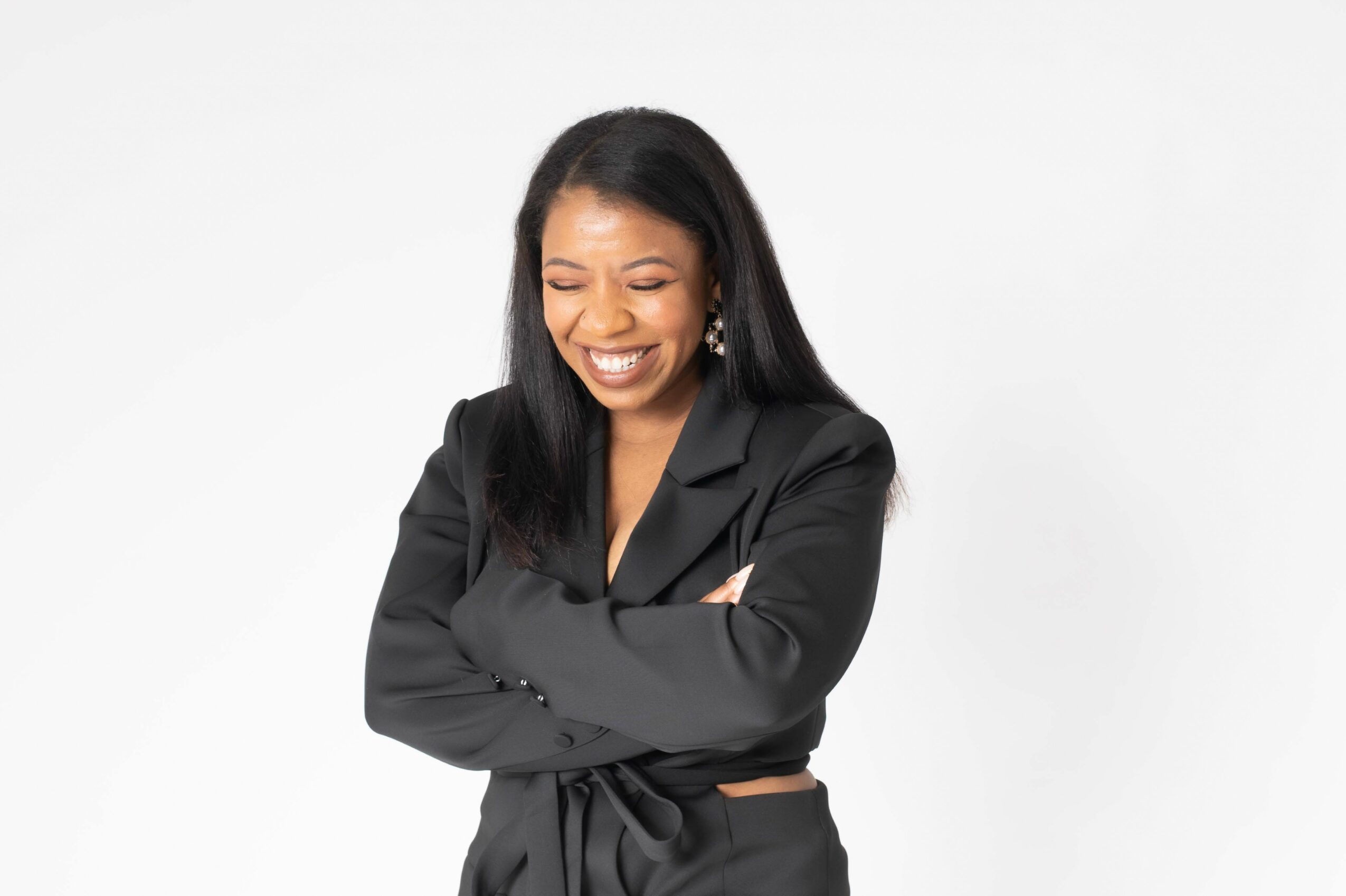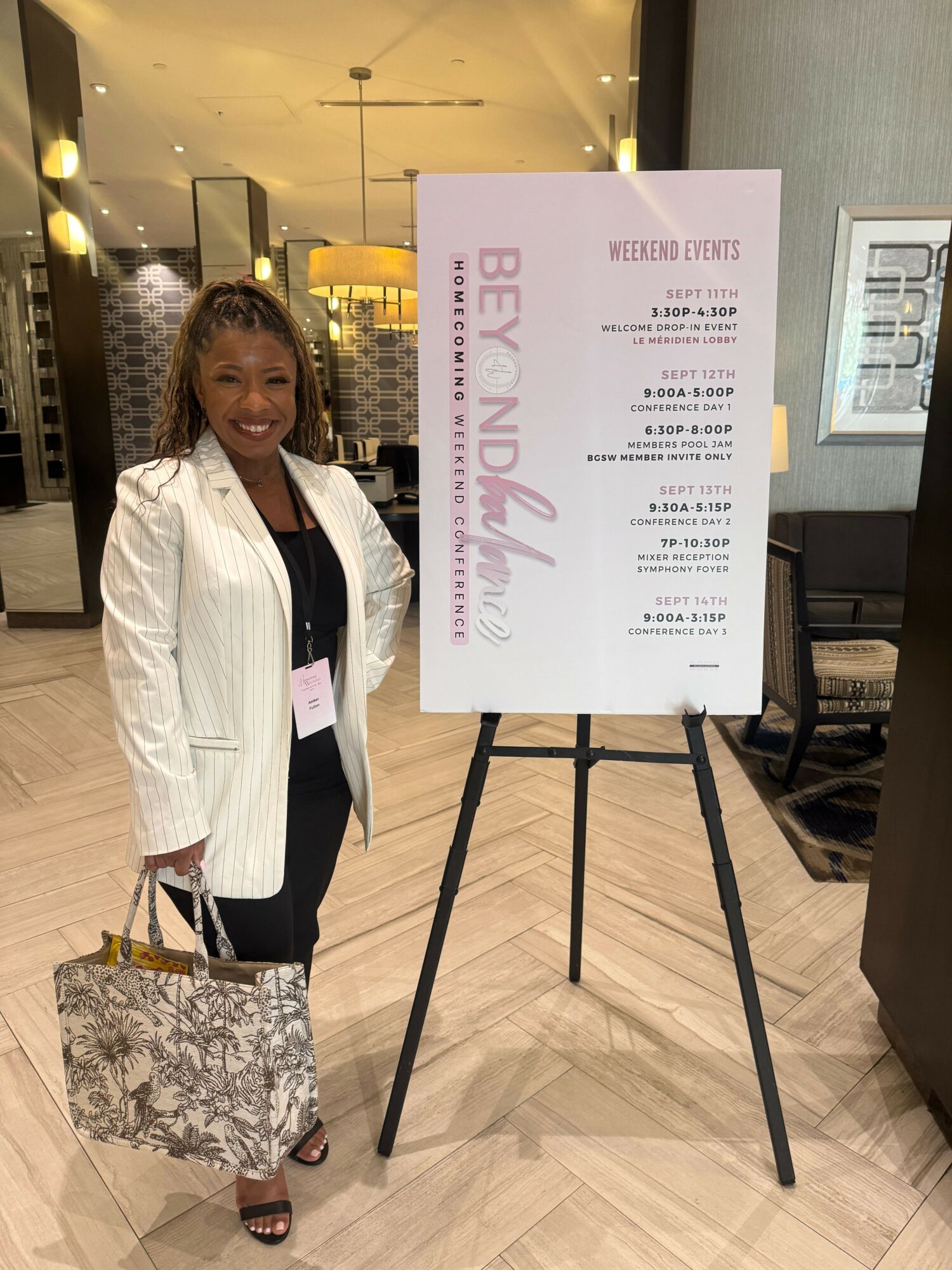






Today we’d like to introduce you to Amber Fulton.
Alright, so thank you so much for sharing your story and insight with our readers. To kick things off, can you tell us a bit about how you got started?
My path to this work was anything but linear, which looking back, was exactly the point.
I started out interested in early childhood development, then communications, then landed on psychology. Not because I had a clear career goal, but because I was genuinely fascinated by people and human behavior. The moment that shifted everything was almost accidental. I ended up in a DSM-5 class only because my original choice was full, and I remember being completely captivated. Our major assignment was watching a Virginia Woolf documentary and diagnosing her condition. I turned in a differential diagnosis, unprompted, because I genuinely couldn’t decide between two, and my professor was impressed. Something clicked that I didn’t yet have words for.
I still didn’t plan to become a clinician. I finished my degree, worked in banking, grew dissatisfied, and eventually decided to pursue a master’s in social work. What I didn’t expect was how deeply the program’s emphasis on systemic inequity and the real human cost of marginalization would resonate, particularly when it started connecting to my own story.
During my internships, including one in a Substance Use Disorder clinic at the VA, I kept seeing the same thing: trauma was at the core of so many struggles, and it was almost always unacknowledged. People were blaming themselves for pain that had roots far deeper than any personal flaw.
That understanding became very personal when I completed an ACEs questionnaire and scored an 8. Becoming aware of my own mother’s undiagnosed, untreated mental illness and how her unaddressed trauma had shaped my siblings and me, especially me as the oldest, gave me unexpected clarity. I wanted to use my experiences in a way that validated them but also made them useful. Healing became the goal. And I wanted to help others do the same.
Hence the creation of Divine Endurance.
It was the combination of personal, lived, and observed experience that cultivated into a sense of purpose. I started seeing a pattern where what could’ve broken people only seemed to make them stronger, but so many couldn’t see their own strength beyond the shame. Capturing the why behind that was where everything began. And only then could true healing begin.
Alright, so let’s dig a little deeper into the story – has it been an easy path overall and if not, what were the challenges you’ve had to overcome?
Smooth is a strong word. The road has had character, and by character I mean obstacles, detours, and more than a few moments of “is this really what I signed up for.” The work itself has always felt right, but the systems surrounding it? That has been a different experience entirely. One of the more significant challenges in my career was navigating institutional structures that weren’t always designed with the work, or the people receiving it, at the center. When you’re a clinician who genuinely believes in what you’re doing and you find yourself working within a system that measures success in ways that don’t always align with meaningful care, that tension is real. It doesn’t break you, but it does ask you something important about who you are and what you’re willing to compromise. For me, the answer was nothing. And that clarity came at a cost.
Layered on top of that, I’ve been building this work during one of the most disruptive seasons in modern history. COVID fundamentally changed how therapy is delivered and how people think about mental health. Then came the rapid emergence of AI, which is reshaping the field in ways we’re still trying to understand. And throughout all of it, insurance limitations and economic hardship have made therapy less accessible for the very people who need it most. Watching clients have to choose between a session and a bill is not something you get used to. It sharpens your sense of urgency around why this work matters and who it needs to reach. There were moments where I had to decide whether to shrink into what was expected or continue showing up the way my clients deserved. I chose the latter, consistently. And what I found on the other side of that friction wasn’t bitterness, it was purpose. The gaps I kept bumping into inside existing systems became the blueprint for what I wanted to build outside of them.
That’s really where Divine Endurance took on a life of its own. Not just as a philosophy for the people I work with, but as a lived practice for me. Endurance isn’t about tolerating what doesn’t serve you indefinitely. It’s about staying grounded in your values long enough to find, or build, something better. The road has had real obstacles. But I’ve stopped calling them setbacks. They were redirections.
As you know, we’re big fans of Divine Endurance Counseling . For our readers who might not be as familiar what can you tell them about the brand?
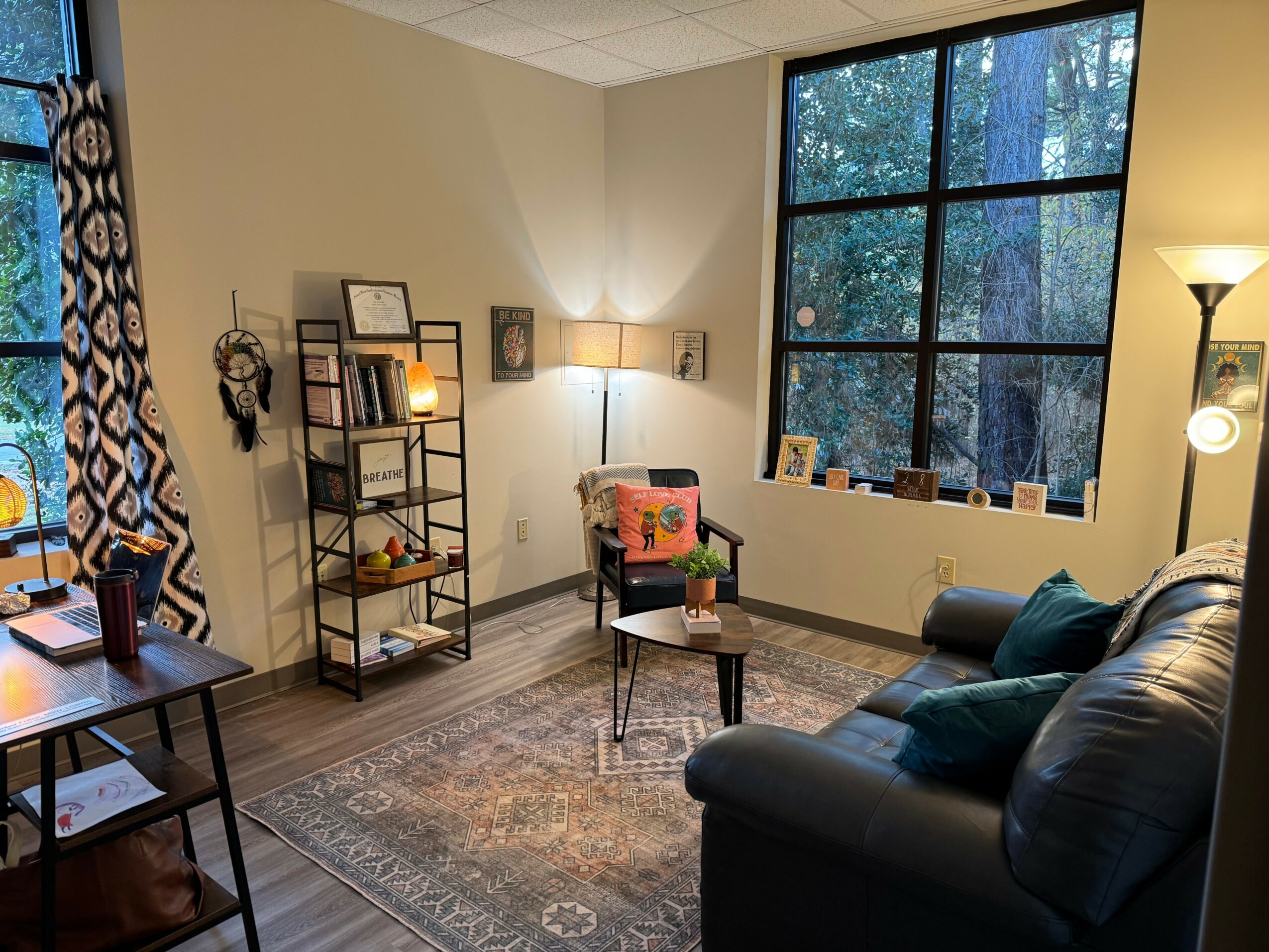
Divine Endurance Counseling is my private practice, but it has always been more than that. It’s a philosophy that grew out of everything I’ve lived, witnessed, and learned, and it exists to make trauma-informed care feel less clinical and more human. I work with individuals who are navigating some of the most complex and often misunderstood human experiences, including developmental trauma, attachment injuries, PTSD, mood disorders, and substance use. What connects the people I serve is usually the same thing. They’ve been through something significant, they’ve adapted in ways that made sense at the time, and now they’re trying to figure out who they are on the other side of it. My job isn’t to fix them. It’s to help them see what’s already there, the strength they’ve been using all along that they just haven’t had language for yet.
One thing I want people to know is that this work is not candles, yoga, and self care. Those things have their place, but healing is genuinely hard work. It gets harder before it gets easier. I think about it like CrossFit compared to a casual workout. Healing from trauma specifically requires a combination of insight, curiosity, and a willingness to sit with discomfort you can’t always resolve right away. It means confronting patterns that are deeply ingrained and thoughts and behaviors that feel protective regardless of how destructive they actually are. That’s not a comfortable process. But it is a worthwhile one.
What sets Divine Endurance apart is the philosophy that drives the clinical work. A lot of practices lead with their modalities. I lead with a framework and let the modalities serve it. Depending on who I’m working with and what their goals are, I draw from a combination of approaches including EMDR, ACT, CBT, IFS, and somatic methods, all customized to fit the individual rather than the other way around. No two people carry their experiences the same way, so no two treatment paths should look identical either.
At its core Divine Endurance was built on the belief that healing is a journey and not a destination. The emphasis here is never just on reducing symptoms. It’s on pattern recognition, on building behaviors that are more aligned with who you actually are and what you actually value, and on pacing the process in a way that allows the nervous system to truly regulate rather than just manage. The framework I’ve developed is designed to function almost like a compass, something that travels with you long after the therapy room. This brand was not built from a business plan. It was built from a belief that understanding why we endure is the beginning of everything.
Are there any important lessons you’ve learned that you can share with us?
The most important lesson I’ve learned is that healing is not linear, and neither is purpose.
I spent a lot of time early on believing that if I just worked hard enough, stayed committed enough, and followed the right path, things would unfold the way they were supposed to. What I’ve learned, personally and professionally, is that the unplanned moments, the detours, the closed doors, and even the painful ones, are often doing more work than the ones you actually planned for.
I see this in my own story. I didn’t plan to be a clinician. I didn’t plan to end up at the VA. I certainly didn’t plan to score an 8 on an ACEs questionnaire and have that become one of the most clarifying moments of my adult life. None of it was part of a strategy. But all of it was necessary. I see the same thing in the people I work with every day. The experiences they are most ashamed of are almost always the ones that built the most capacity in them. The question is never whether the hard thing happened. The question is whether they can learn to see it differently, not to minimize it, but to understand that it didn’t only take from them. It also gave them something.
That’s the lesson I keep coming back to on both sides of the room. Awareness is the beginning. Not fixing, not achieving, not arriving somewhere better. Just seeing clearly. Because once you can see it clearly, you can decide what to do with it.
And only then can true healing begin.
Contact Info:
- Website: https://divineendurancecounseling.com/
- LinkedIn: https://www.linkedin.com/in/amber-fulton-lcsw-lcas-a00b9096/