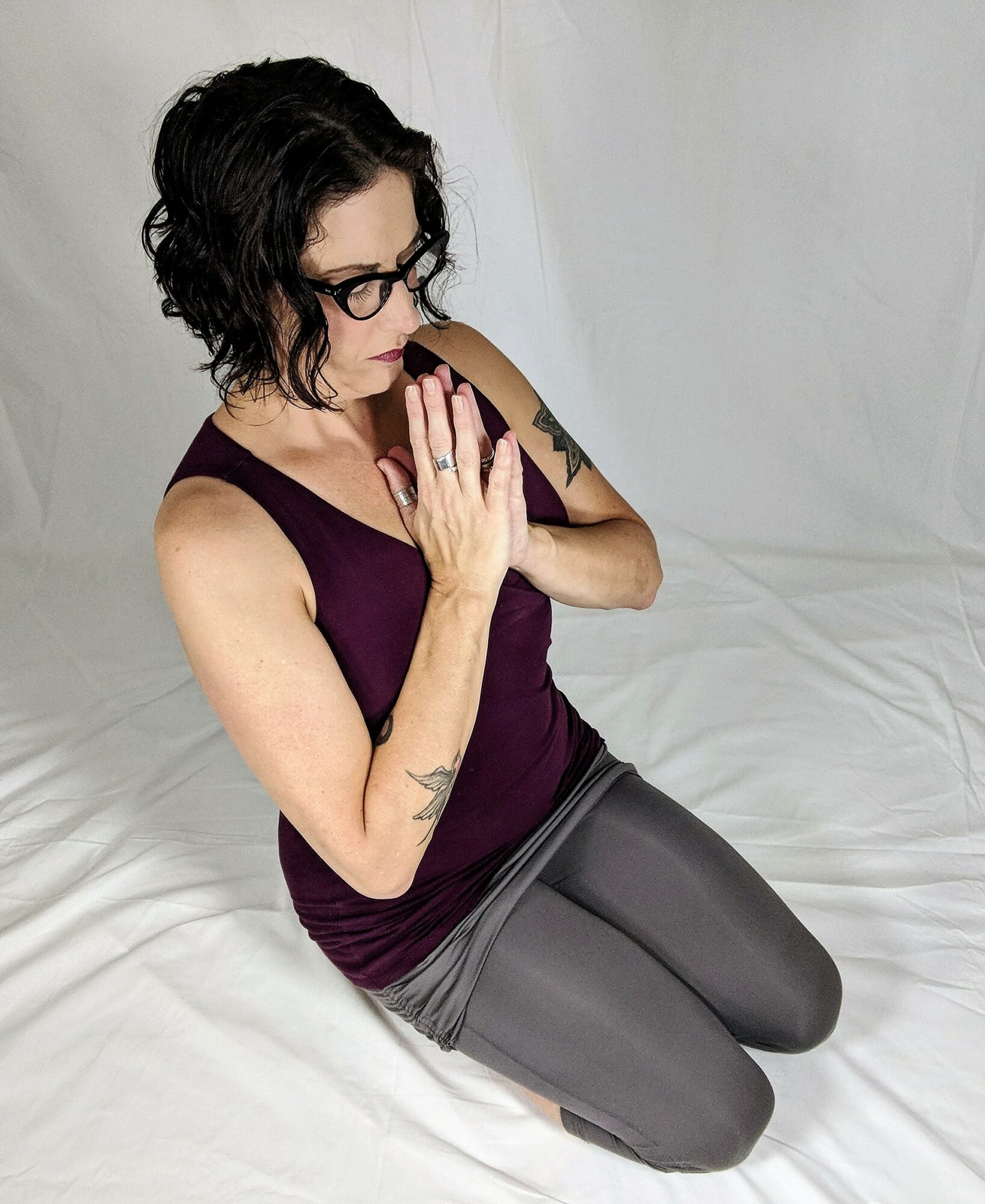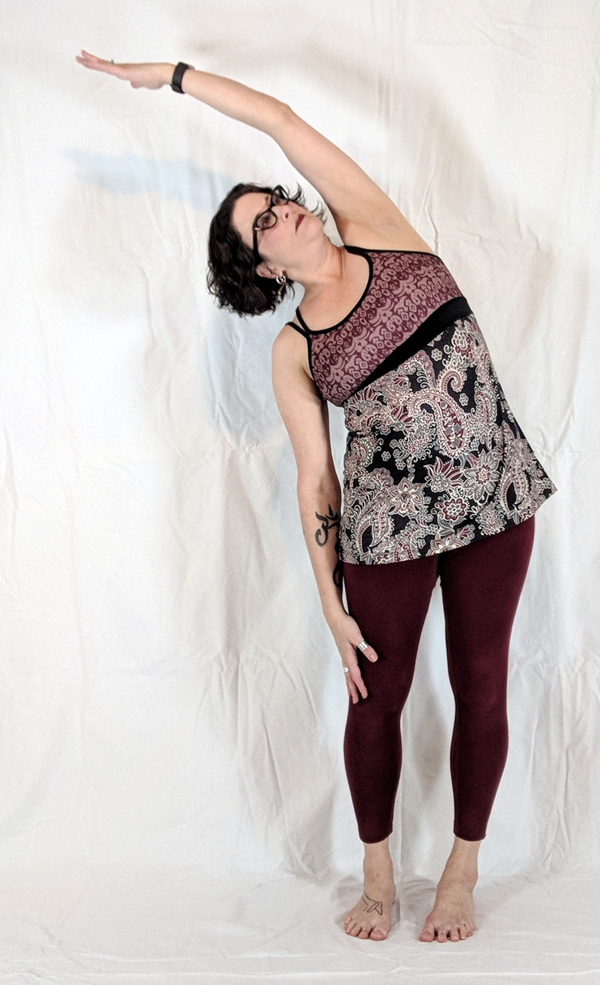





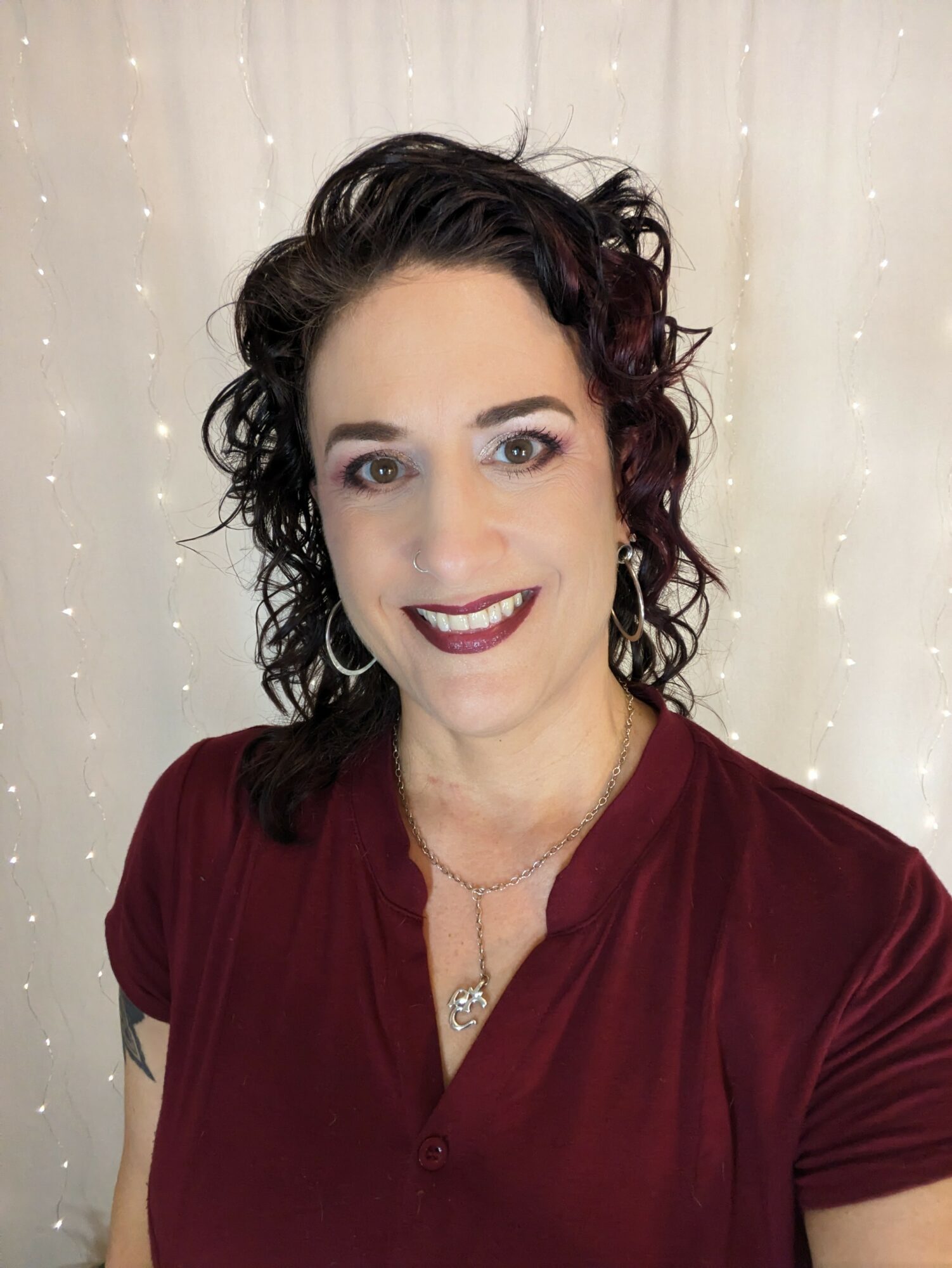
Today we’d like to introduce you to Cheryl Brown.
Hi Cheryl, thanks for sharing your story with us. To start, maybe you can tell our readers some of your backstory.
I have experienced back pain since a high school gymnastics injury, further complicated by scoliosis and a highly active youth. By the early 2000s, I was a traveling software trainer leading an unhealthy, hectic life. After 10 hours at my desk, I would go to the gym and use the stair machine while holding a book, earbuds in, with a TV nearby—any distraction from the very activity that should have promoted my health.
My first experience with yoga was challenging and I thought I’d never return. The Sanskrit terms puzzled me, and the set sequence seemed like an adult version of Simon Says. Over time, I discovered a welcoming yoga community in Oakland, CA, with teachers who genuinely understood yoga’s deeper meaning. I began to understand the peace that comes from focusing on one thing at a time, for example, standing and focusing on the feeling of bare feet on the mat. We are so distracted most of the time; yoga asks us to hone in on the internal sensations of the body and breath. This clarity was what I had been missing and had been seeking through less effective methods for years.
After losing my tech job in the Bay Area during the dotcom crash, I faced a decision. Should I return to a familiar role as a software trainer or explore a new path? I enjoyed teaching adults, but I yearned for a career that truly fulfilled my passion for helping others. To pursue this, I enrolled in Piedmont Yoga Studio’s teacher training program at age 30 to reinvent my career.
My initial teaching roles were in corporate settings, where I enjoyed sharing how simple yoga can relieve discomfort from prolonged desk work—a pain I knew well. Over time, I felt drawn to working with special groups, such as seniors, individuals with disabilities, and cancer patients. This interest inspired me to train as a yoga therapist at the Integrative Yoga Therapy school, where I could explore the more subtle aspects of yoga. I became captivated by the links between the body, breath, mind, and emotions.
Now, with two decades of teaching experience, I understand that yoga isn’t about the technical skill of doing poses a certain way, but a body-mind-spirit approach that helps us grow into our authentically aging selves. It changes how you relate to yourself, deepening self-compassion and self-acceptance. It is with us on the good days and the bad days, and even coming onto your mat in a simple resting pose is still yoga, and sometimes that is exactly what you need.
Can you talk to us a bit about the challenges and lessons you’ve learned along the way. Looking back would you say it’s been easy or smooth in retrospect?
My journey hasn’t always been smooth. After my husband and I relocated from Oakland to North Carolina in 2015, I soon realized yoga has different connotations on the West Coast than in the South. Typically, when people hear ‘yoga,” they imagine an Instagram-worthy picture of a fit young woman in a tropical setting doing an advanced pose, like standing with one foot behind her head. The yoga I teach is far from this performative image.
Most studios in the Triangle region offer “flow” classes, where students move through a prescribed sequence of poses, called Vinyasa. It took me several years to find homes for my gentle, over-50, and restorative classes. I learned that traditional yoga studios were not always the perfect place for me to teach. But I found success teaching in non-traditional places, offering classes to the underserved rural communities in North Durham and Bahama. I have held classes in living rooms, on farms, at Ruritan clubs, even in churches.
I also assumed that moving to “Medicine City” would benefit my oncology work. Sadly, that has not been the case. For a decade, I’ve been trying to establish a cancer program in Durham, and just as I seemed to be making progress, a new obstacle appeared, whether from the 2020 shutdown, leadership shifts, or funding shortages. The main challenge remains educating the medical community about how oncology yoga therapy differs from regular yoga. It’s remarkable how simple poses and breathing exercises can significantly help patients by reducing side effects and boosting their outlook. Progress is slow, but the International Association of Yoga Therapists continues to drive this change.
Thanks – so what else should our readers know about your work and what you’re currently focused on?
I am an integrative yoga therapist focused on oncology and senior populations. I teach classes for residents at the Forest at Duke in Durham, and I also teach and chair the Wellness area at the Osher Center for Lifelong Learning (OLLI) at Duke.
I am particularly recognized for my Oncology Yoga Teacher Training and other initiatives with cancer patients. What distinguishes me from other teachers is my comprehensive approach to yogic philosophy and practices. While many yoga teachers focus solely on the yoga poses (asana), I integrate all aspects of the practice, including gestures (mudra), breathing techniques (pranayama), sound (mantra), and guided meditation (yoga nidra). These elements work together to integrate the body, energy, mind, emotions, and spirit. Drawing on my college studies in philosophy, I honor yoga’s ancient roots while demystifying these teachings in ways that resonate with modern practitioners.
My work has been featured in Yoga Journal and Yoga Therapy Today, on Spectrum News, on Yoga U Online and the Yoga Therapy Hour, on Yoga for Healthy Aging blogs and podcasts, and in the 2022 book ‘Yoga Therapy Across the Cancer Care Continuum’. I have also presented at the International Association for Yoga Therapists’ annual conferences on both yoga therapy for cancer and social justice.
What quality or characteristic do you feel is most important to your success?
Compassion has been key to my ongoing success, especially working with the cancer population. Many clients come to me who are deeply suffering and afraid of what lies ahead. My 30 years as a Reiki healer have also taught me the importance of maintaining healthy emotional and energetic boundaries.
As I grow older and encounter more ailments and joint problems common among my senior clients, I gain valuable understanding of arthritis and age-related limitations. For instance, after undergoing a total hip replacement five months ago, I learned to modify my yoga practice, which helps me better support students facing similar challenges.
Pricing:
- I offer a series of three 60-minute private yoga therapy sessions via Zoom for $375. Additionally, I hold a weekly Yoga Nidra class on Thursdays on Zoom; visit https://www.yogacheryl.com/students for the latest schedule and topics.
- If you prefer to practice independently, I have created many online courses, including a 7-Day Yogic Self-Care Course, Introduction to Yoga, Exploring Your Chakras, Healing Yoga for Cancer Survivorship, an on-demand Class Library, seasonal programs, and more.
- Yoga Teachers can also take continuing education credit courses such as my popular online Yoga Nidra Training and the Oncology Yoga Training that will begin in January 2027. Find out more at: https://www.yogacheryl.com/teachers
Contact Info:
- Website: https://www.YogaCheryl.com
- Youtube: https://www.youtube.com/@CherylFennerBrown108
- Yelp: https://www.yelp.com/biz/yoga-therapy-with-cheryl-fenner-brown-bahama-2?utm_campaign=www_business_share_popup&utm_medium=copy_link&utm_source=(direct)