




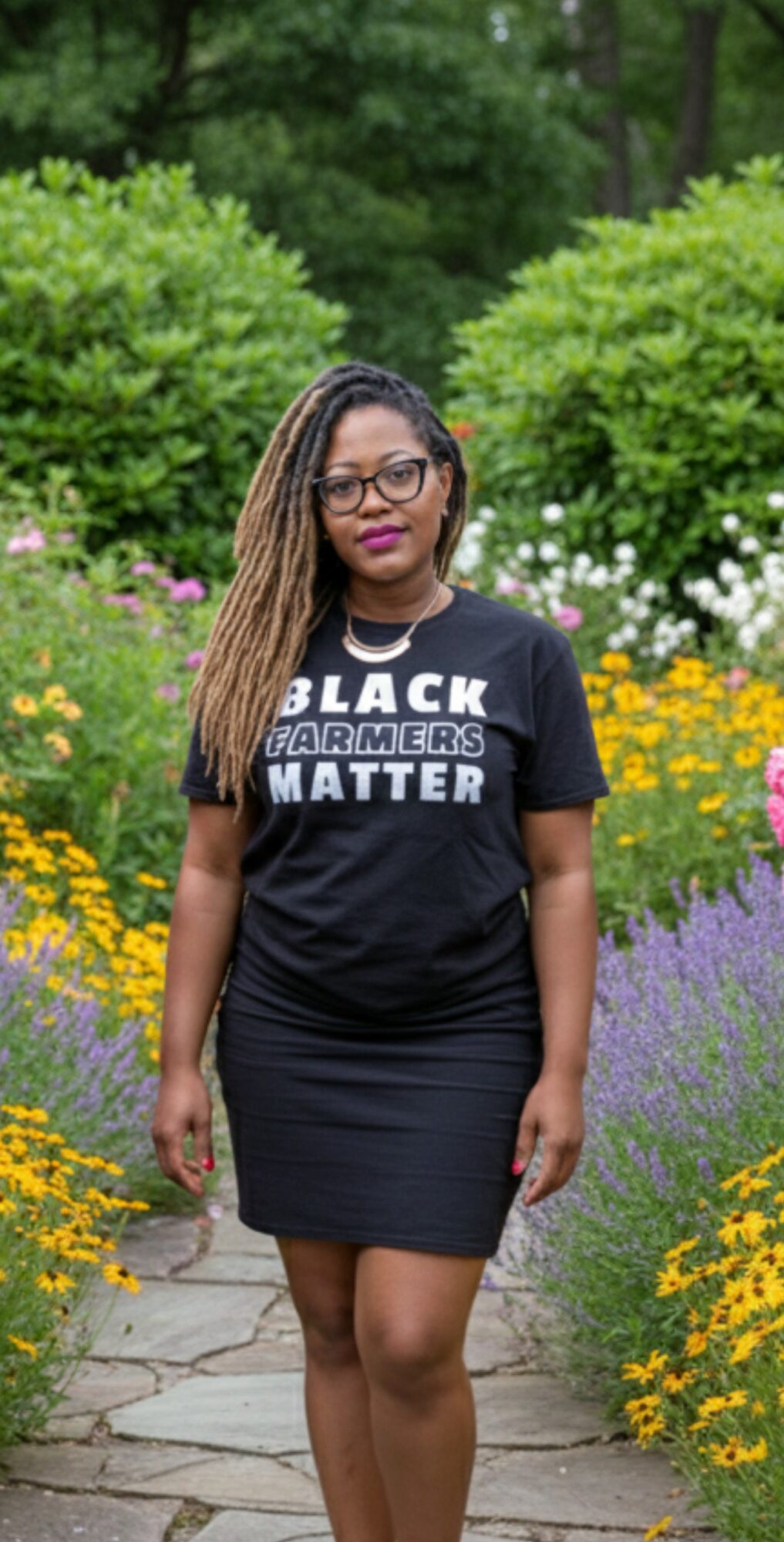
Today we’d like to introduce you to Demi Tucker.
Hi Demi, please kick things off for us with an introduction to yourself and your story.
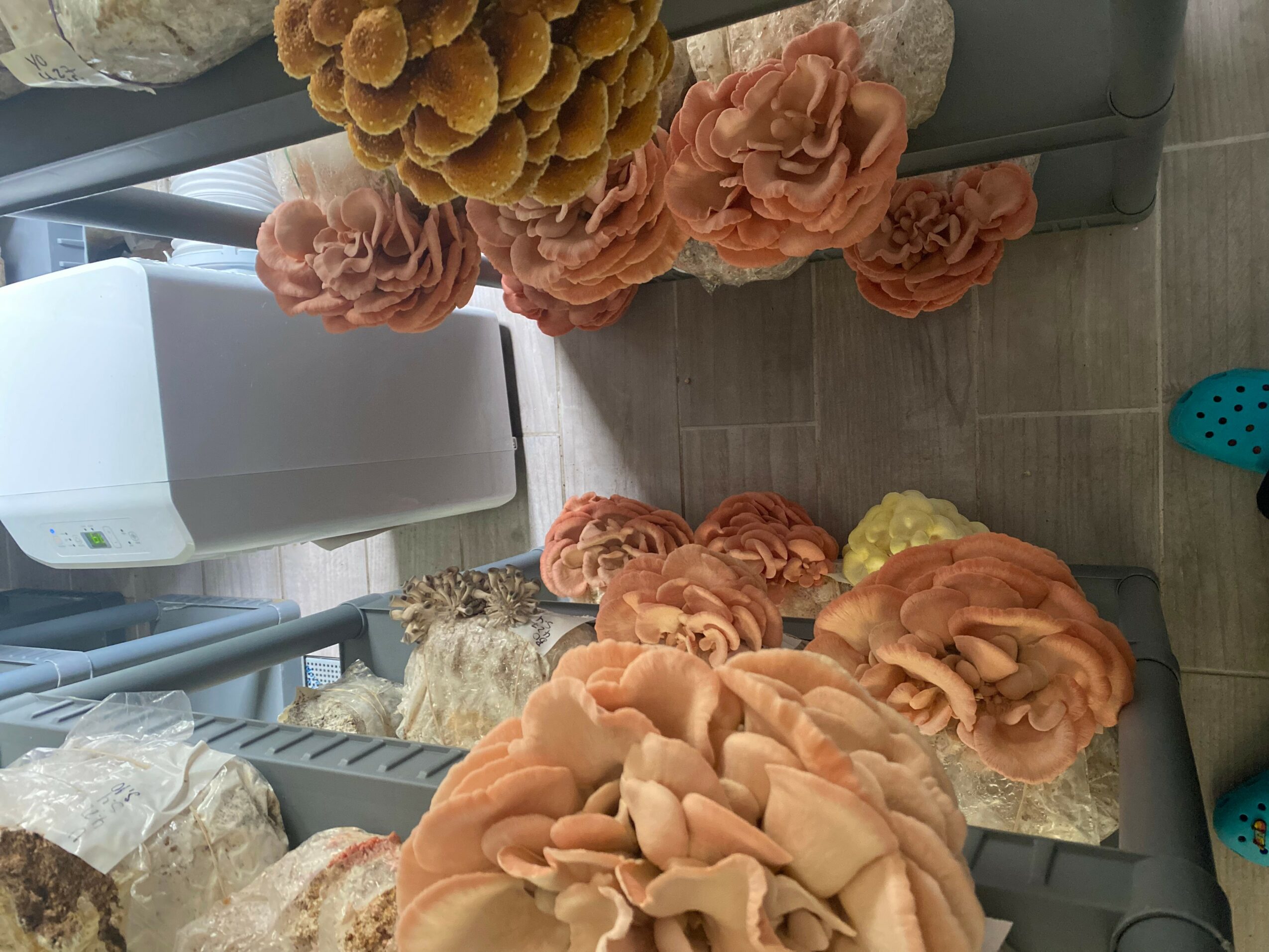
I began my career in nutrition science, graduating from the University of North Carolina at Greensboro (UNCG) with a deep understanding of how food shapes health and community. After working in the corporate sector, I made the intentional decision to leave and return to the land, continuing a five-generation farming legacy rooted in family stewardship since 1881. I had picked up a hobby of growing mushrooms at home in 2019, and created The Uyoga Farm in 2021.
As the founder of a mushroom farm, I cultivate a diverse range of gourmet and functional mushrooms while teaching nutrition education grounded in both science and lived experience. My work bridges ancestral knowledge and contemporary food systems, honoring land that has been held in my family for over a century.
Beyond cultivation, I’m committed to advancing food sovereignty and food security for BIPOC communities, queer people, and marginalized genders. I believe agriculture is more than food production. It is a pathway toward collective liberation, economic resilience, and self-determination.
Can you talk to us a bit about the challenges and lessons you’ve learned along the way. Looking back would you say it’s been easy or smooth in retrospect?
One of the initial challenges in my career journey was scaling up to build my first fruiting chamber, the controlled indoor structure required to properly fruit mushrooms. Designing it was one thing. Bringing it to life was another. I needed skilled support in plumbing and electrical work to execute the system the way I envisioned it, and finding the right people took time. The process stretched over several months, and as a grower, waiting can feel like standing still. In hindsight, it was foundational. That space became the backbone of my production.
Outside of that, my journey has been relatively smooth. I recognize that access to land is one of the most significant barriers in agriculture, and I don’t take for granted that I steward family land. That has been a tremendous advantage and responsibility.
Early on, I intentionally sought out community, mentorship, and grant opportunities. That decision opened doors. Some applications were funded, some were not. I don’t view that as a challenge. That’s simply part of the process. Overall, my path has been shaped more by persistence and relationship-building than by hardship. And I’m grateful for that.
Alright, so let’s switch gears a bit and talk business. What should we know?
The Uyoga Farm is housed on a family farm in Fayetteville, NC. on 68 acres of ancestral land our family has stewarded since 1881. What began as a transition from a career in nutrition science has grown into a working mushroom farm, educational offerings, and land stewardship project grounded in food sovereignty.
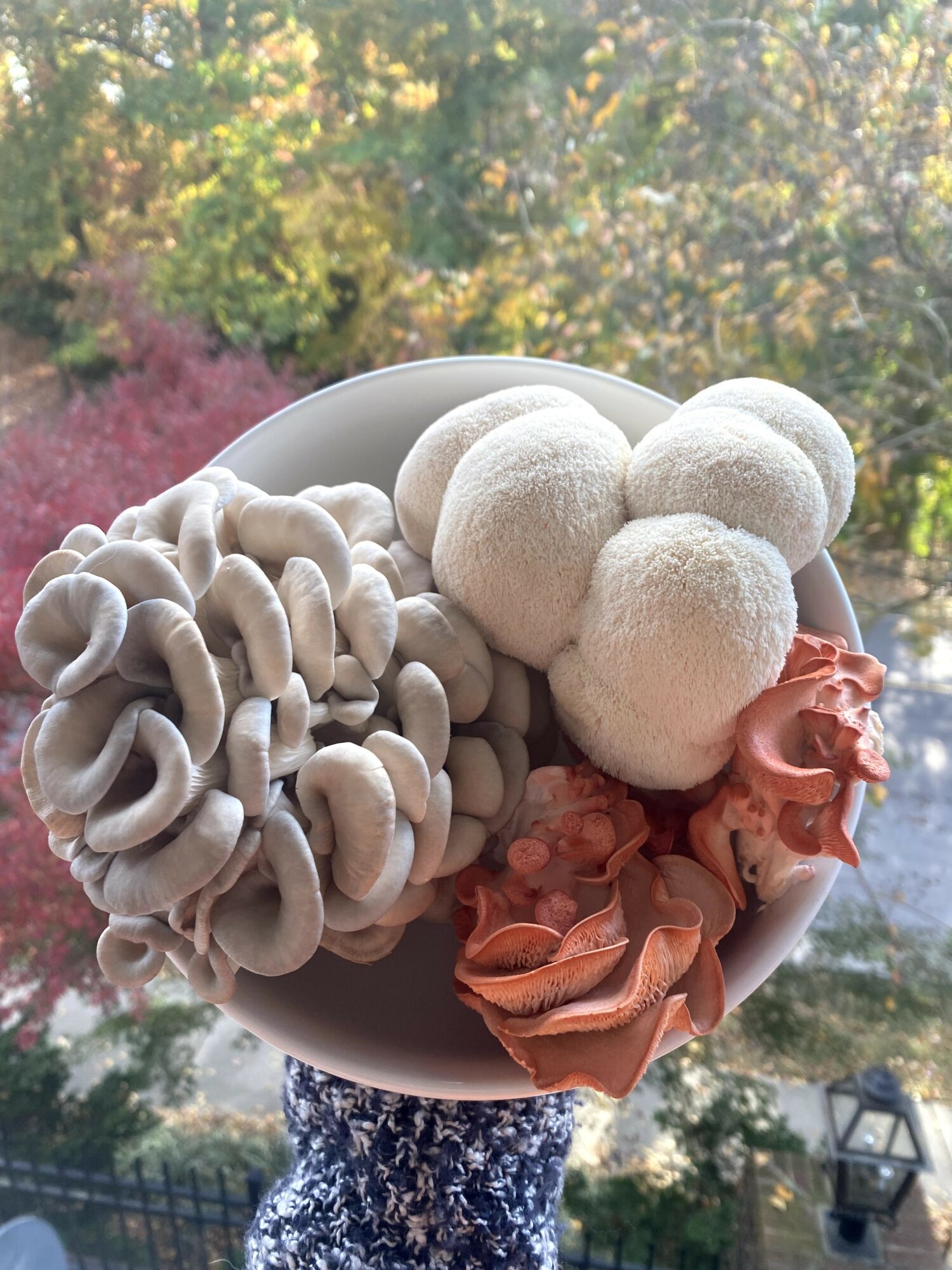
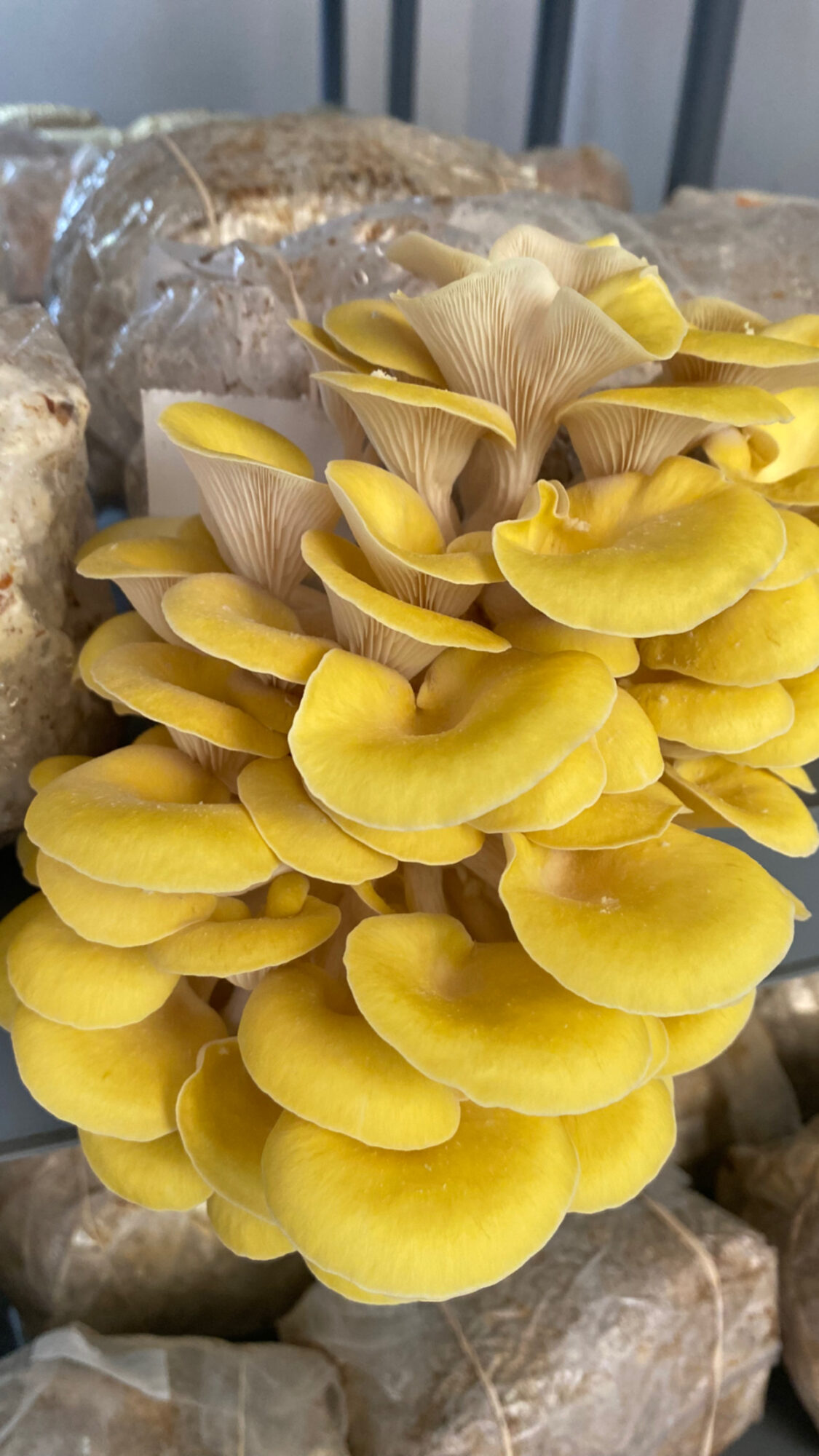
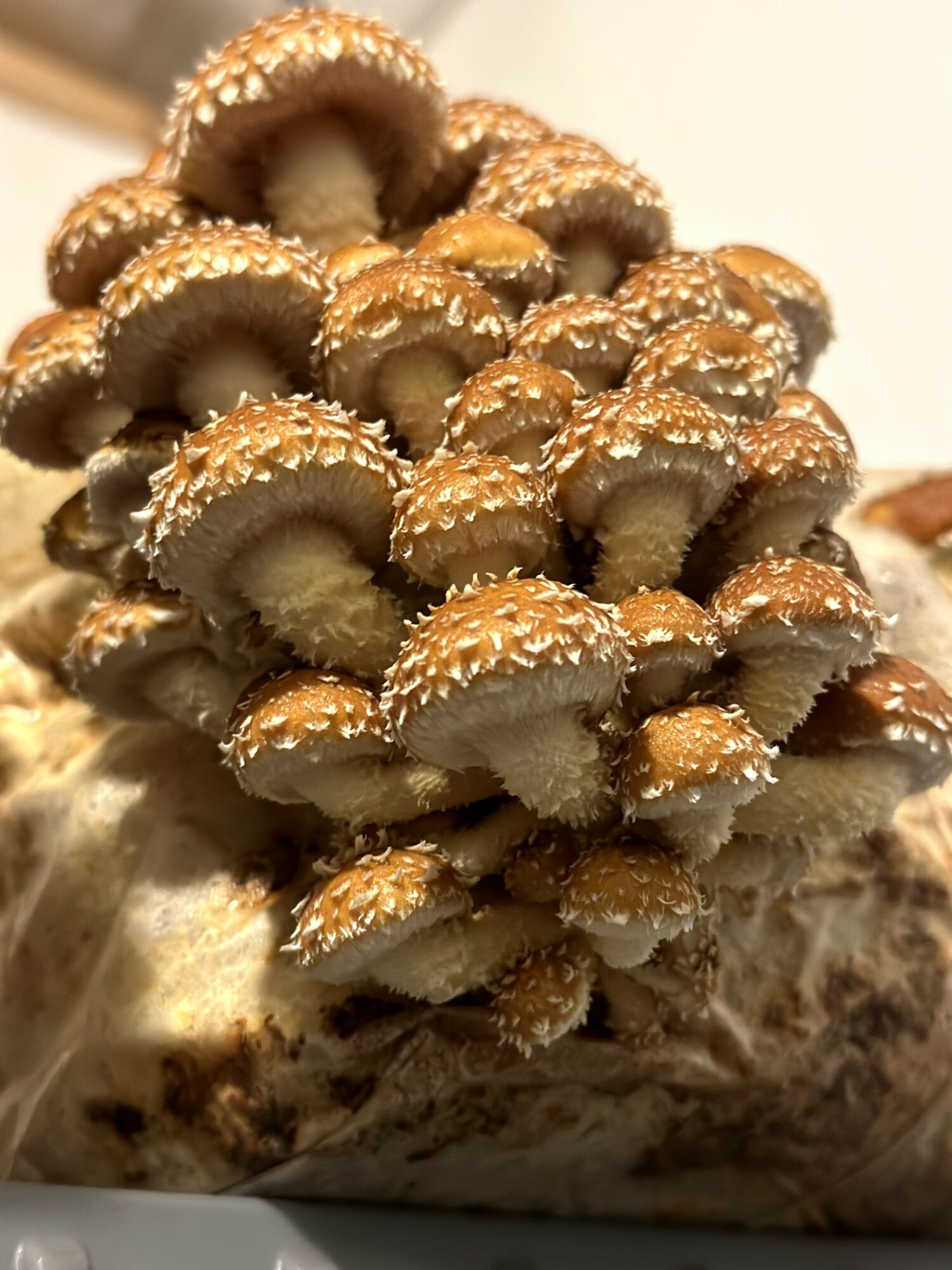
We specialize in gourmet and functional mushrooms, including lion’s mane, reishi, blue oyster, king oyster, and shiitake. Beyond fresh mushrooms, we create value-added products like dried powders, tea blends, and functional food offerings that make medicinal mushrooms accessible in everyday life. Because of my background in nutrition science from the University of North Carolina at Greensboro (UNCG), our approach is rooted in both research and lived agricultural practice.
What sets The Uyoga Farm apart is the intersection of legacy, science, and liberation. We are not simply producing crops; we are stewarding heirs’ property, rebuilding local food systems, and investing in food security for BIPOC communities, queer people, and marginalized genders. Agriculture, for us, is both nourishment and resistance.
Brand-wise, I am most proud that The Uyoga Farm feels aligned. The storytelling, the products, the land and the community work. It all speaks to one another. Our mushrooms are grown on land held by my family for over a century. Our education is informed by formal training in nutrition science. Our mutual aid and collective economics work reflects our belief that farming must serve more than profit. It must serve people.
What I want readers to know is this: We are building systems that make it easier for people to access nutrient-dense food, reconnect with land, and participate in collective resilience.
How do you define success?
Personally, I define success as reaching a place where you can live fully, however that looks for you, without financial barriers limiting your choices, your peace, or your ability to move freely in the world.
For my business, success is measured differently. It’s about impact. It’s about strengthening communities, teaching people how to actively engage with their local food systems, and providing access to both nutrition and education. If The Uyoga Farm helps someone better understand their food, grow something of their own, or feel more connected to land and community, that’s success.
Pricing:
- Tea Steepers $6
- Dried Mushrooms $10
- Lion’s Mane Powder $15
- Mushroom Coffee $18
Contact Info:
- Website: https://www.theuyogafarm.com
- Instagram: https://www.instagram.com/theuyogafarm/?hl=en