




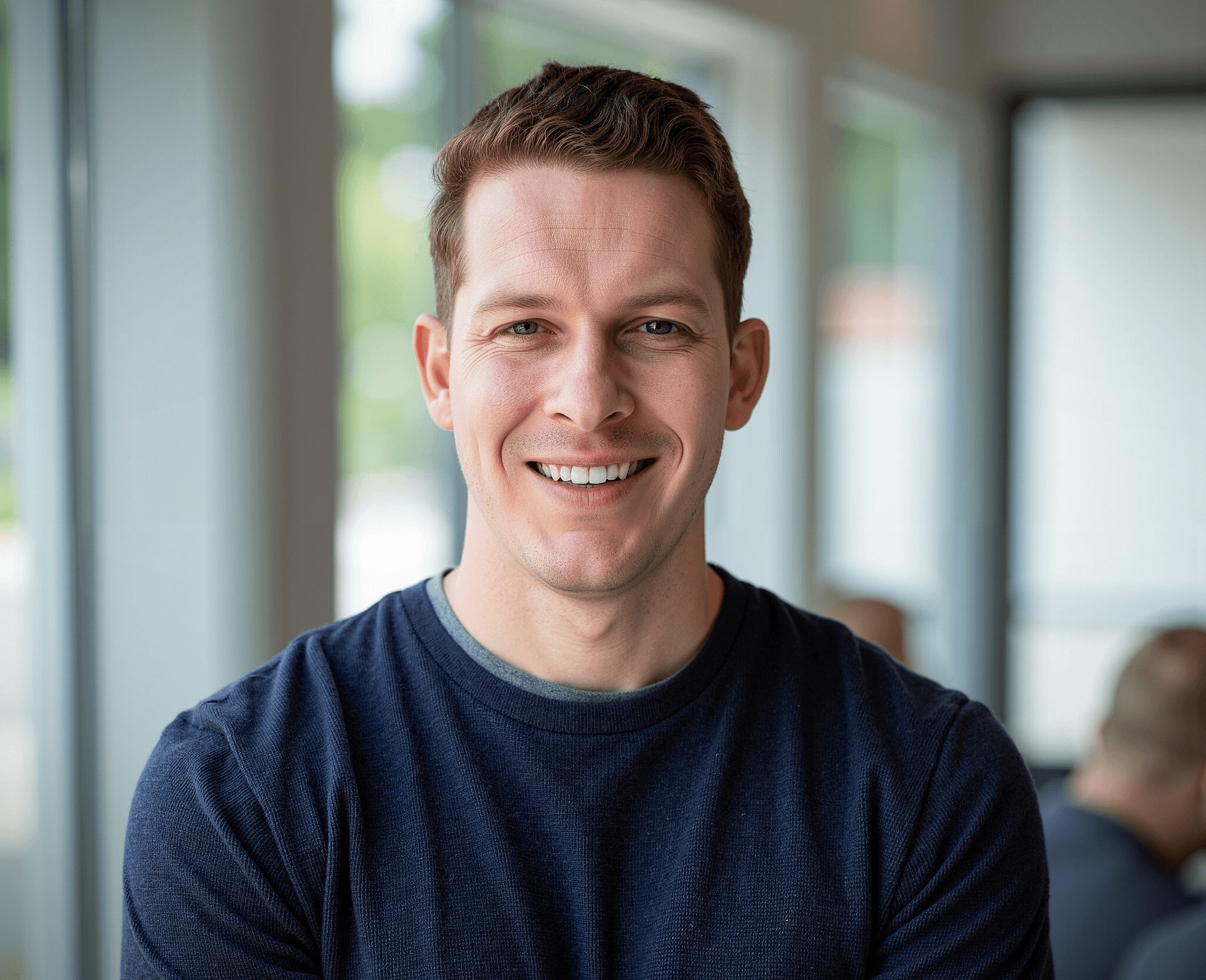
Today we’d like to introduce you to Garrett Corwin.
Hi Garrett, thanks for sharing your story with us. To start, maybe you can tell our readers some of your backstory.
That curiosity brought me to Duke University for a master’s degree, where I spent two years working on the Duke Farm. During that time, I also took a summer internship with Freight Farms, which exposed me to high-tech, controlled-environment agriculture and showed me what was possible when farming and systems thinking come together.
About halfway through my degree—and right in the middle of COVID—I started Piedmont Microgreens in the living room of the duplex I was renting at the time. For about nine months, the business operated entirely out of that space. After graduating, I bought a house with a detached garage and moved the farm there, where it stayed for the next two to two-and-a-half years. That was when I hired my first employees and began to understand what it really meant to run a business, not just grow plants.
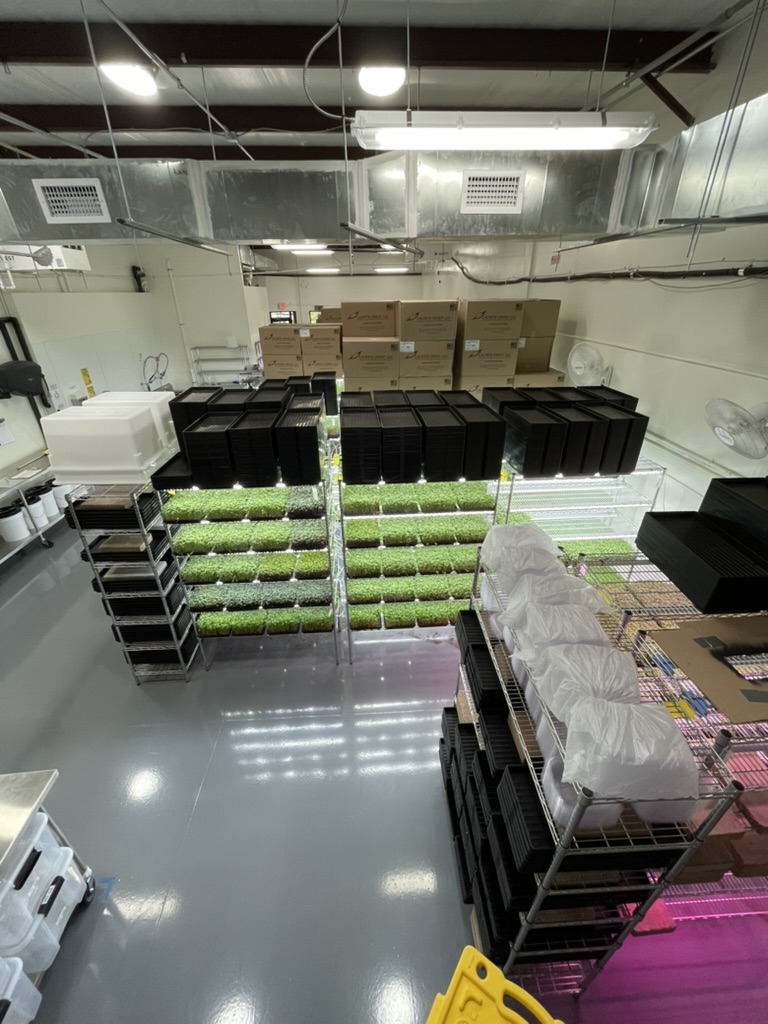
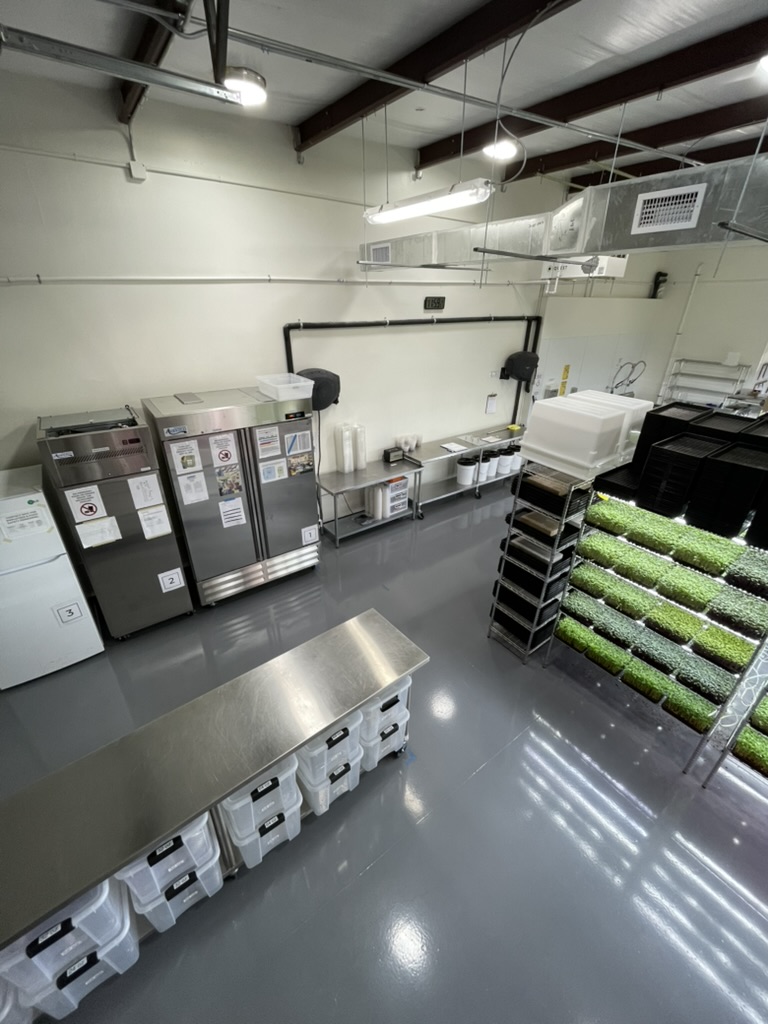
About a year and a half ago, we made the leap into a commercial facility. Since then, we’ve earned GAP certification and have been steadily scaling into the space—adding capacity, improving systems, and building a team that can support consistent, high-quality production.
Would you say it’s been a smooth road, and if not what are some of the biggest challenges you’ve faced along the way?
Overall, the road has been relatively smooth, but it definitely hasn’t been without challenges.
One of the biggest hurdles was finding suitable commercial space. Availability was limited to begin with, and on top of that, some property owners were hesitant to lease to an indoor farm because it didn’t fit their usual tenant profile. It took time, persistence, and a lot of conversations to find a space that worked for both sides.
Hiring has also come with a learning curve. Like many growing businesses, we’ve had situations where people weren’t honest during the hiring process, which led to difficult but necessary decisions early on. Those experiences forced me to get much more intentional about hiring, training, and setting clear expectations from day one.
We’ve also dealt with some very real, practical setbacks—equipment thefts, unexpected repairs, and the kinds of issues you don’t think about until you’re living them. One of the more memorable moments was when a deer actually ran through our glass front door a few months ago, which was equal parts frustrating and surreal.
None of these things stopped the business, but each one required adjustments—better systems, better safeguards, and better judgment. In hindsight, those challenges were less about setbacks and more about forcing the business to mature faster than it otherwise would have.
Appreciate you sharing that. What should we know about Piedmont Microgreens?
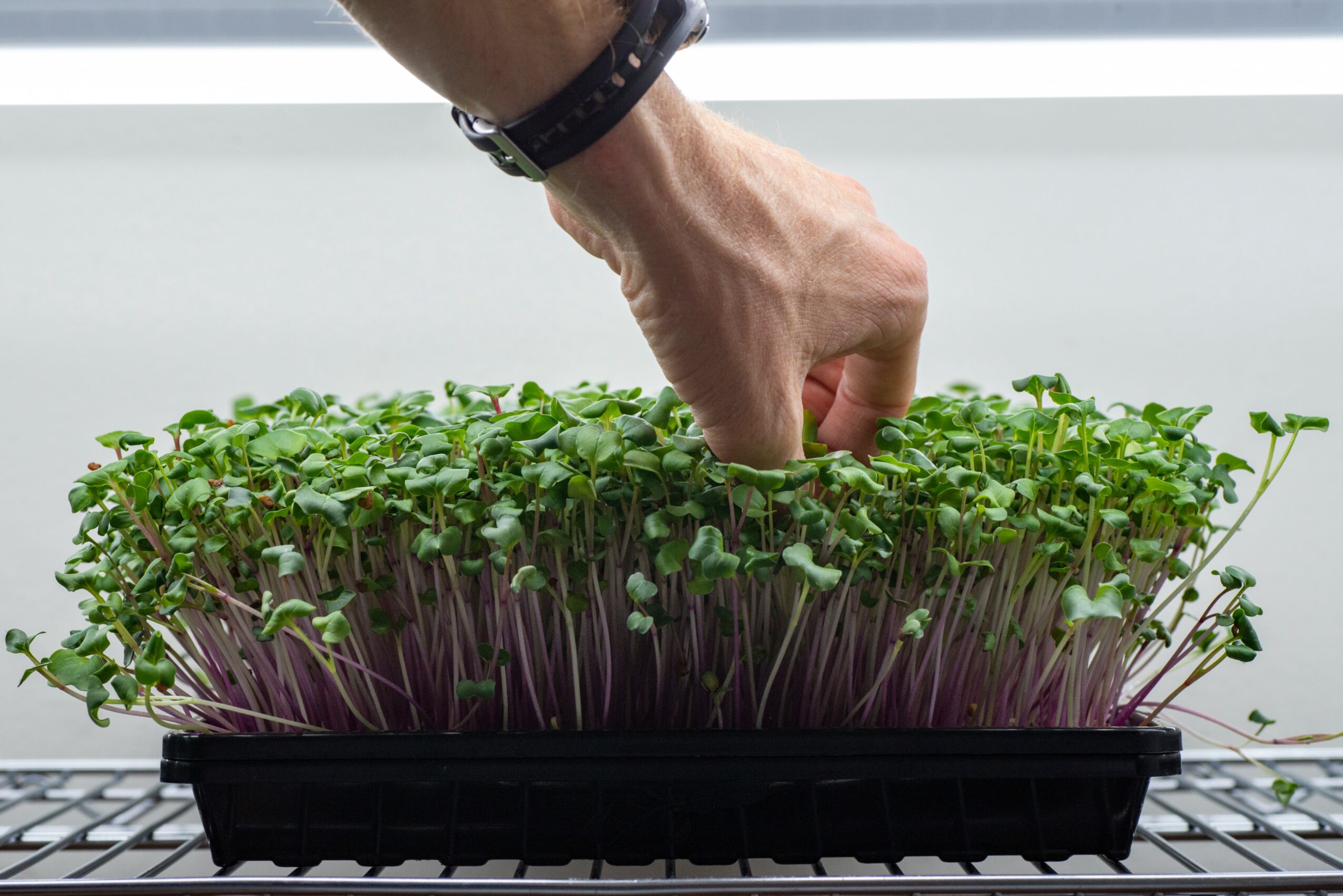
Piedmont Microgreens is a commercial indoor farm based in Durham that specializes in growing fresh, nutrient-dense microgreens for restaurants, retailers, and wholesale partners across the Triangle.
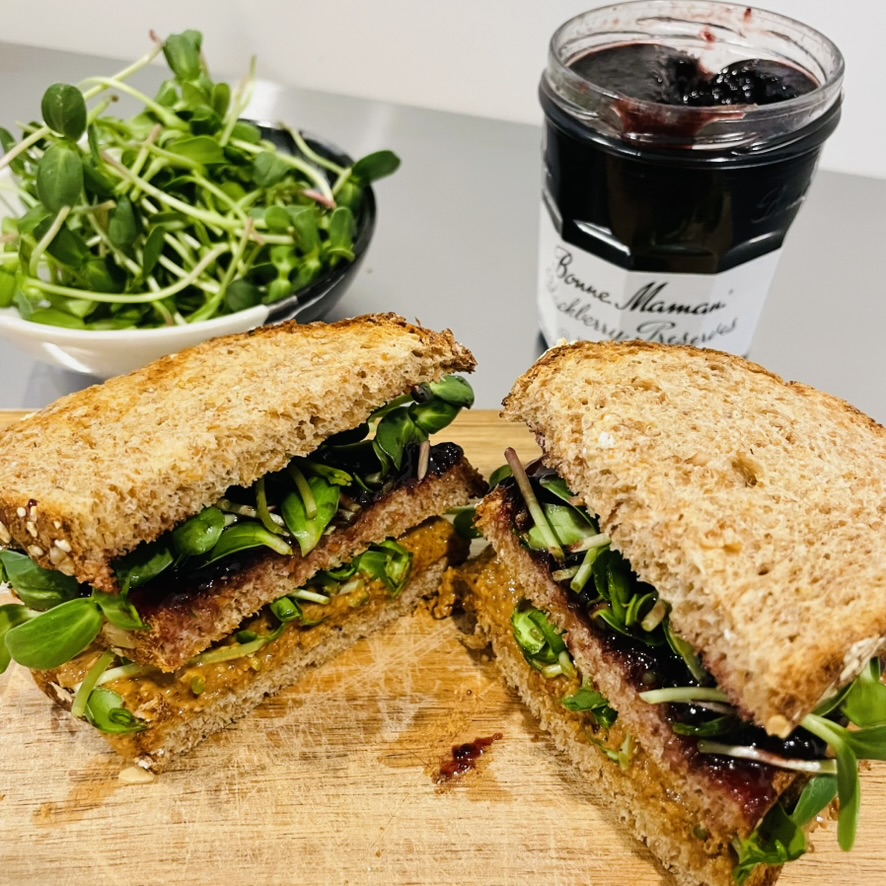
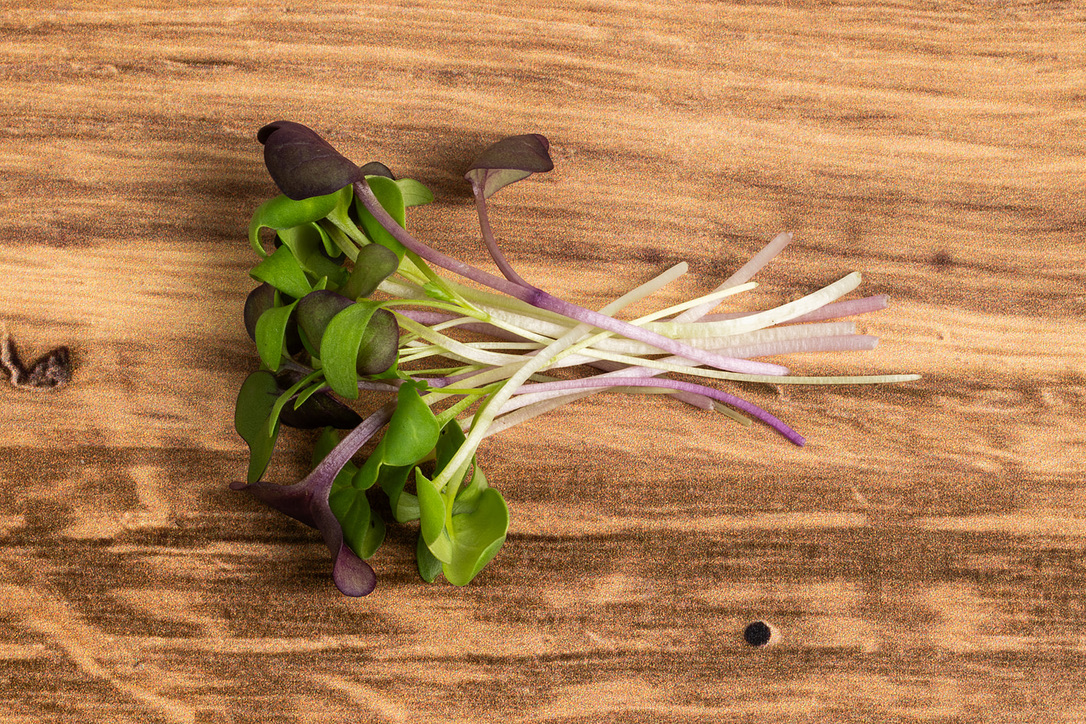
At a basic level, we grow young vegetable greens—things like broccoli, radish, pea shoots, and specialty blends—but what really defines us is consistency and reliability. Microgreens are only valuable if they show up on time, look great, and taste the same week after week. A lot of growers can do that occasionally; our focus has been building the systems and team that make it repeatable at scale.
We grow everything indoors using controlled-environment agriculture, which allows us to produce year-round and maintain tight quality standards regardless of season or weather. We’re also GAP certified, which reflects a serious commitment to food safety and opens the door to larger retail and distribution partners.
What sets us apart is that we’ve grown intentionally. The business didn’t jump straight into a big facility or outside capital—it scaled one phase at a time, which forced us to build strong operational fundamentals early. That shows up today in how we plan crops, manage labor, and support our customers.
Brand-wise, I’m most proud of the trust we’ve built. Many of our customers have been with us for years, and that’s not because microgreens are flashy—it’s because we make their lives easier. When someone orders from Piedmont Microgreens, they know exactly what they’re getting.
For readers, I’d want them to know that the brand is rooted in the idea that local food can be both high-quality and operationally professional. We’re not trying to reinvent food—we’re trying to execute it well, every single week.
We’d be interested to hear your thoughts on luck and what role, if any, you feel it’s played for you?
Luck has definitely played a role, especially early on.
I was fortunate to grow up with great parents who raised me well, encouraged curiosity, and gave me a lot of opportunities to explore different paths. Just as importantly, both of my parents are entrepreneurs in their own right, which meant I grew up around problem-solving, risk-taking, and the reality that building something from scratch is rarely clean or predictable.
That background didn’t remove the hard parts, but it gave me a strong foundation and a set of mental tools that I still lean on today. Having parents who are willing to brainstorm, sanity-check decisions, and help troubleshoot challenges has been an incredible advantage—especially during moments where there’s no obvious “right” answer.
At the same time, I’ve learned that luck tends to matter most at the starting line. What you do with it over time—how you respond to setbacks, whether you keep showing up, and how willing you are to learn—ends up carrying more weight in the long run. I’ve been lucky in many ways, but sustaining and growing the business has required consistency and a lot of deliberate effort.
Contact Info:
- Website: https://www.piedmontmicrogreens.com/
- Instagram: https://www.instagram.com/piedmontmicrogreens/
- Facebook: https://www.facebook.com/piedmontmicrogreens/