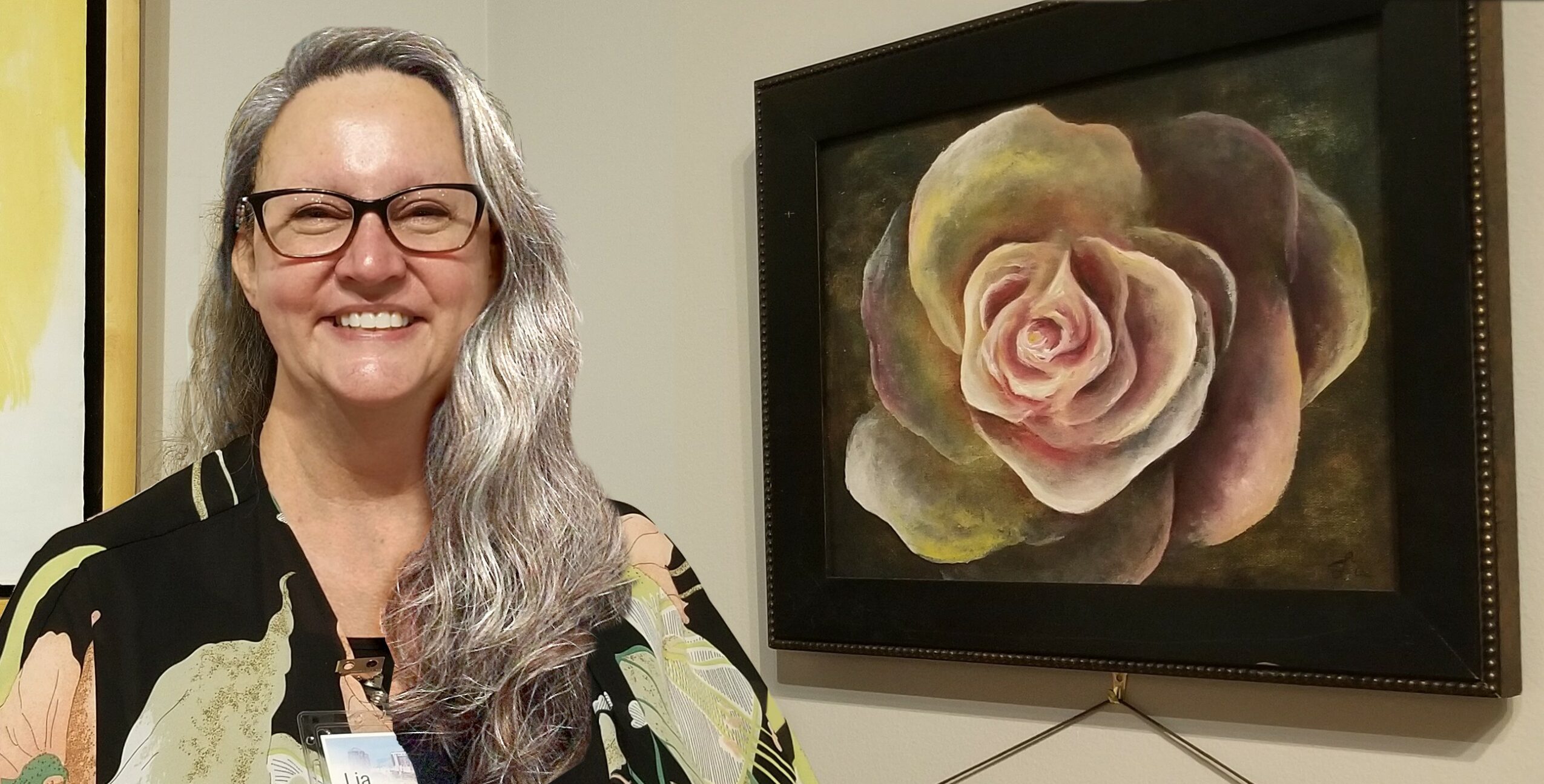




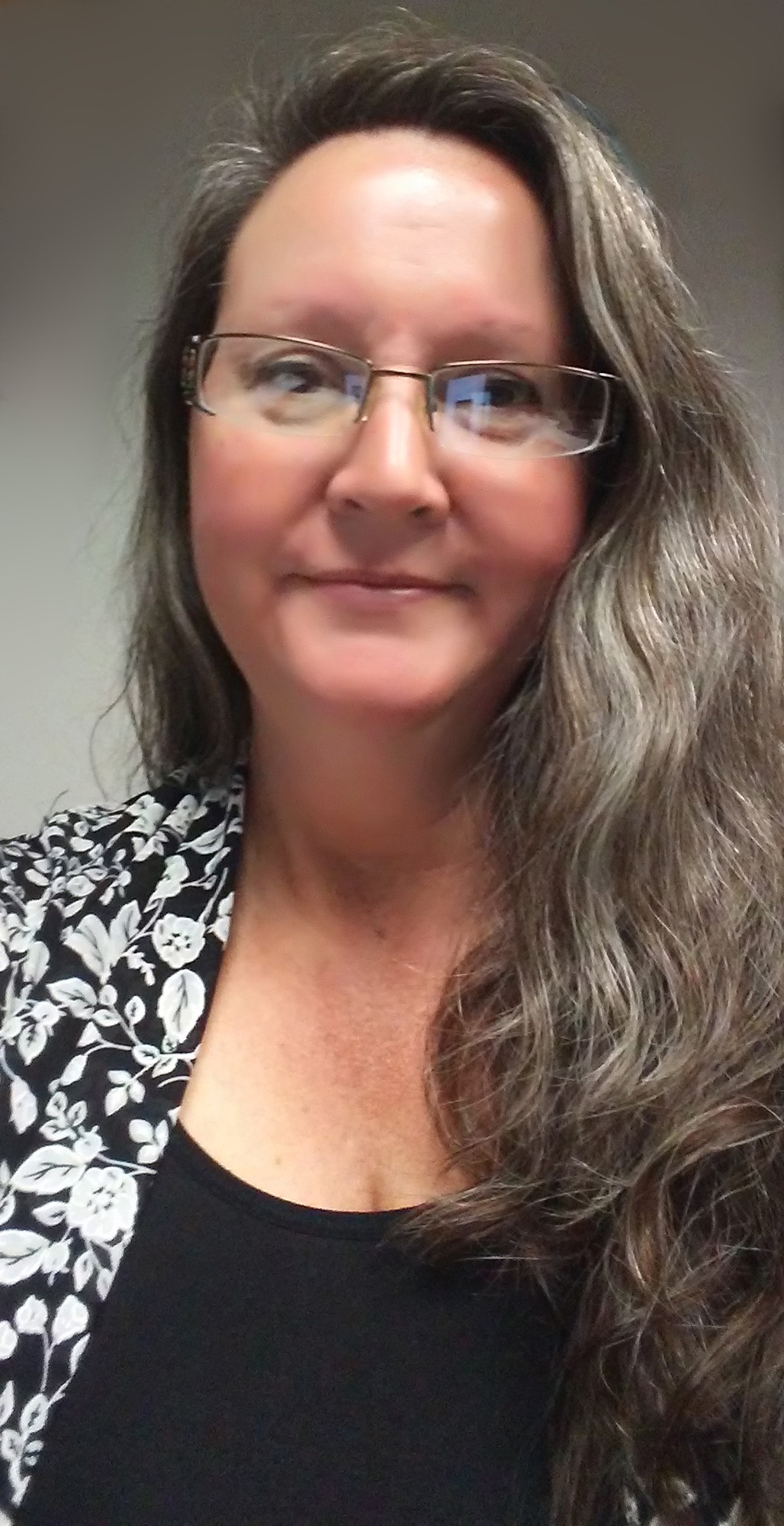
Today we’d like to introduce you to Lia Miller.
Alright, so thank you so much for sharing your story and insight with our readers. To kick things off, can you tell us a bit about how you got started?
The concept for Creative Aging Network-NC (CAN-NC) began in 2003 when co-founder Lia Miller was working in a Greensboro nursing home and helped develop the Evergreens Renaissance Program, an initiative designed to improve quality of life for its
residents through creative engagement and lifelong learning.
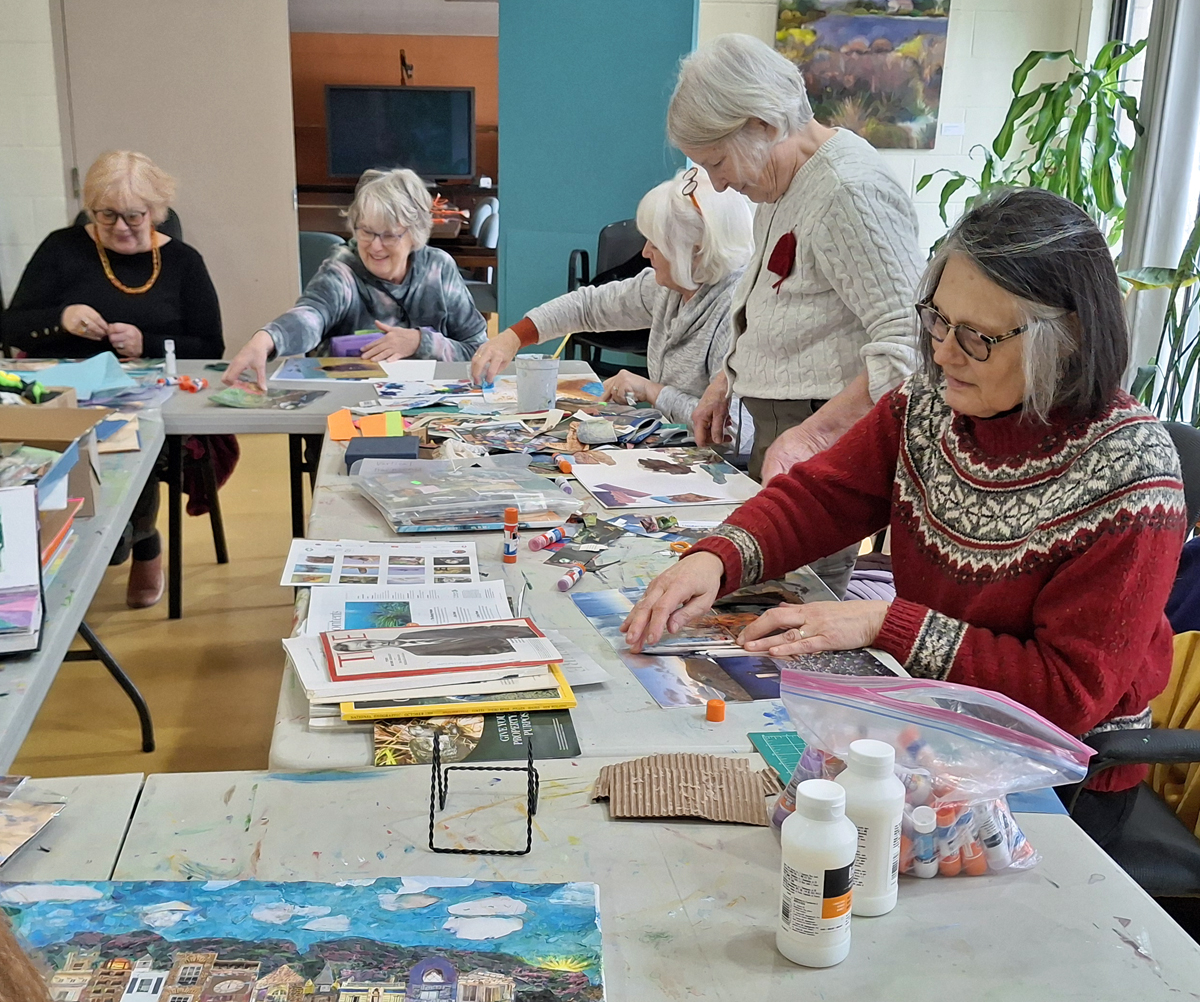
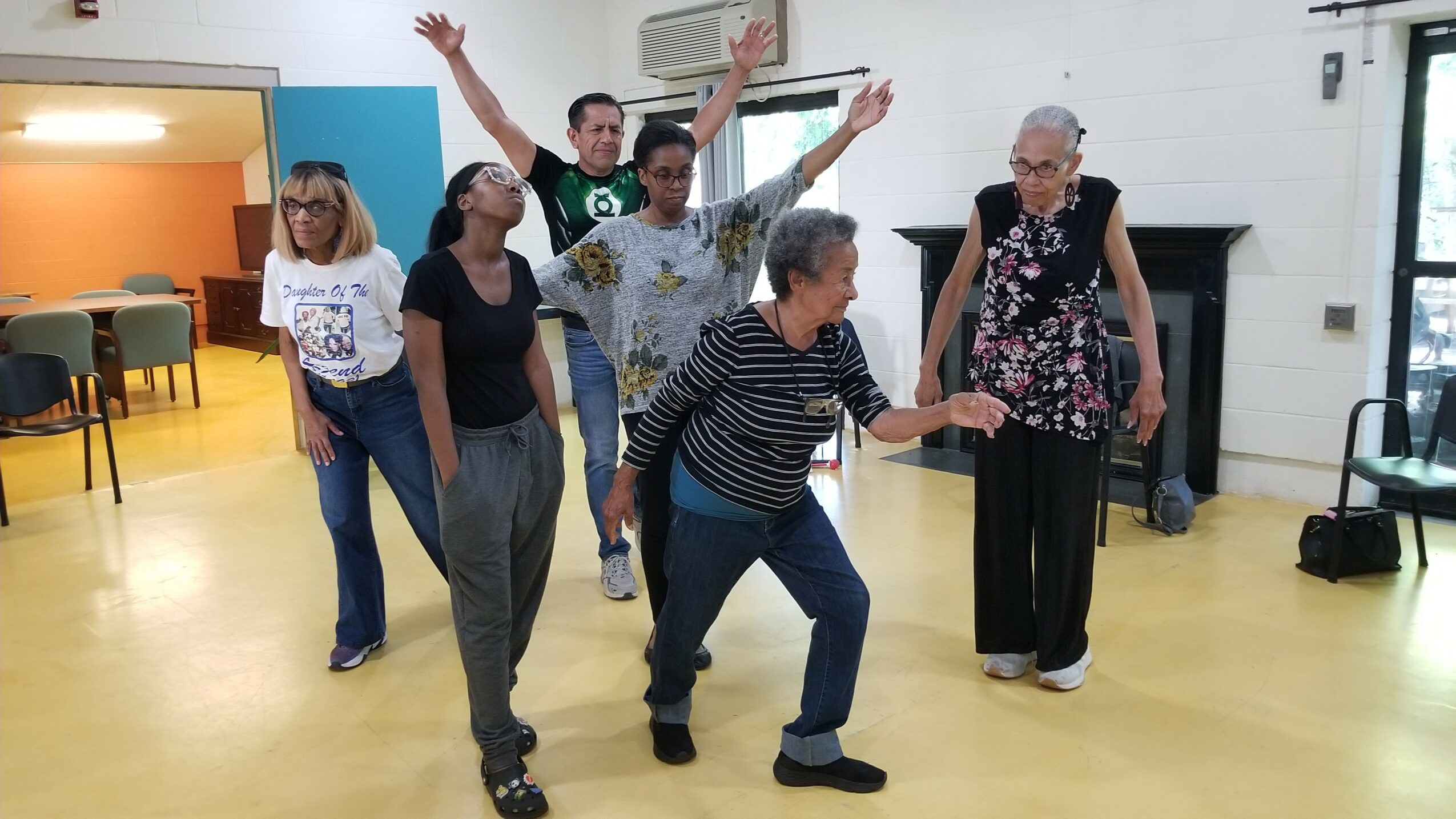
In 2004, the organization formally incorporated as the Center for Creative Aging North Carolina and received 501(c)(3) tax-exempt status in 2008. In 2012, the name Creative Aging Network-NC was adopted to better reflect the growing connection between the arts and healthcare. As CAN-NC expanded, programs grew beyond care facilities into senior centers, libraries, and other places where elders gathered. During this time, CAN-NC developed a wide range of arts-based and lifelong learning
programs including visual arts, storytelling, music, dance, and more, while also providing training for teaching artists, healthcare professionals, and aging-service providers.
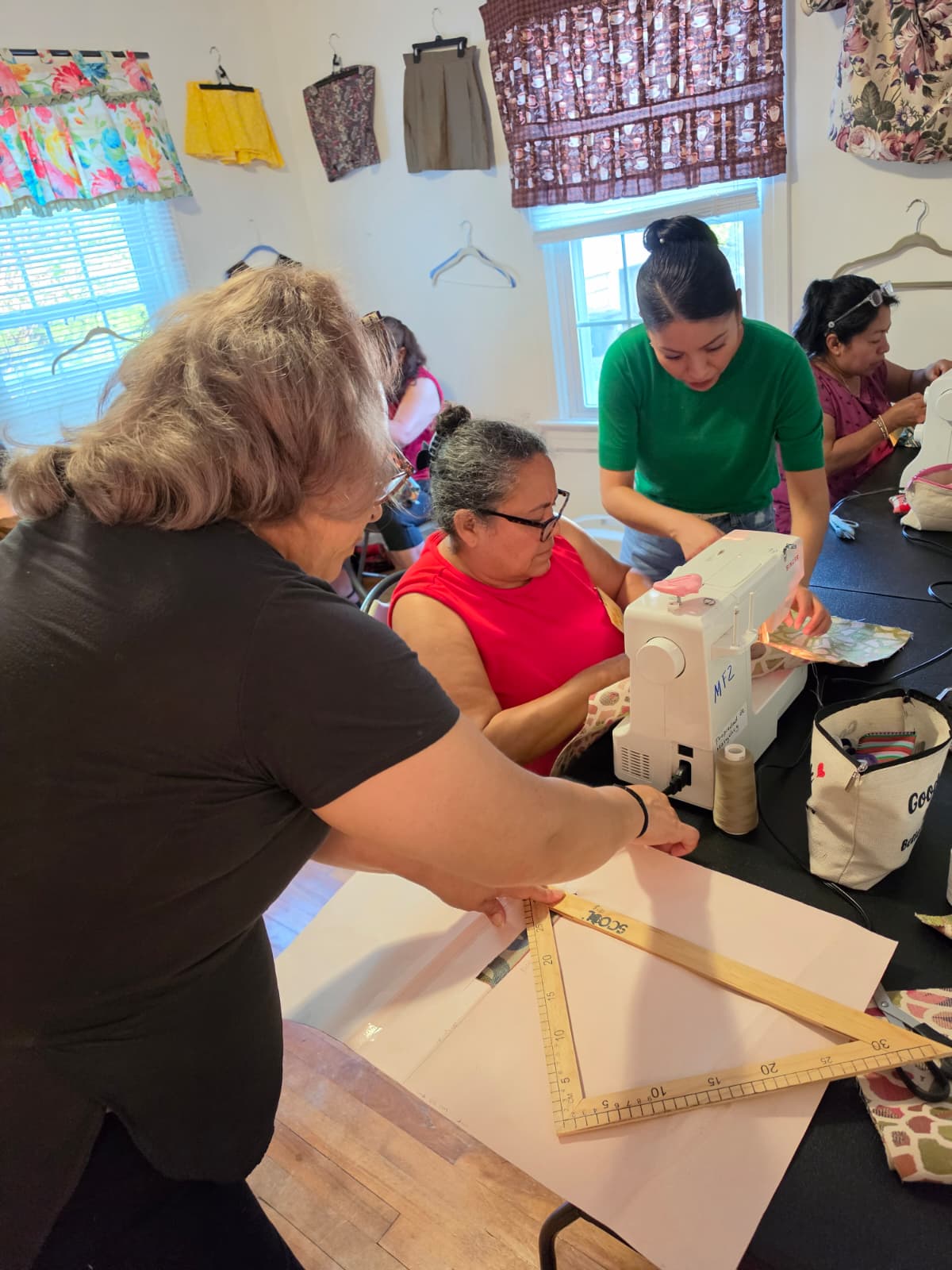
A major turning point came in 2019 when CAN-NC received a 10.47-acre former skilled care property in Greensboro. This accessible campus allowed CAN-NC to significantly expand its programming through the development of clay and podcast studios, classrooms, gathering spaces, rented artist and music studios, gardens, cooking programs, and nature-based activities such as gardening and nature walks. This expansion also enabled the organization to broaden its reach across sectors, serving low-income adults, immigrants, refugees, people with disabilities, and caregivers, while deepening its commitment to
multicultural and intergenerational programming.
Today, CAN-NC continues to build on more than two decades of work using creativity, lifelong learning, and community engagement to support healthy aging and connection across generations.
We all face challenges, but looking back would you describe it as a relatively smooth road?
It definitely hasn’t been a smooth road. Starting and sustaining a nonprofit is a lot like riding a roller coaster — there are exciting highs, difficult lows, and plenty of uncertainty in between. When my two colleagues and I incorporated the organization in 2004, we were full of excitement and optimism. Soon after, though, family challenges pulled them away from the work, and for a period of time I was carrying the vision forward largely on my own. During that time, I took nonprofit management and business classes to strengthen my skills and keep the organization moving.
In late 2006, we reconnected and came back together to continue building the organization. We received our tax-exempt status in 2007 — just as the Great Recession began. That timing created enormous financial challenges. Over the years, we worked hard to secure grants and build relationships in long-term care communities, which helped us grow and expand our impact. At the same time, there were many disappointments: grants we didn’t receive, fundraising efforts that fell short, and ongoing uncertainty about sustainability.
There were also personal challenges along the way. I experienced health issues myself, and later a close family member faced serious health concerns that required my time and attention. There were moments when I truly questioned whether we could continue. But each time we reached that point, something meaningful would happen — a grant award, a donation, or an opportunity to launch an exciting project that reminded us why the work mattered. Those moments kept us going.
Even now, the challenges haven’t disappeared. Last year was especially difficult financially, but this year is already looking more hopeful. Fundraising continues to be one of our biggest challenges, but we are making progress and continuing to persevere because we believe deeply in the mission and the impact the work has on aging adults and the broader community.
Thanks – so what else should our readers know about your work and what you’re currently focused on?
My work sits at the intersection of the arts, healthy aging, and community building. I am the co-founder and Executive Director of Creative Aging Network-NC, a nonprofit I helped launch in 2004 to improve the well-being of older adults through creative engagement. Over the past two decades, I’ve helped grow the organization from a grassroots idea into a thriving network that now serves thousands of older adults annually through arts, nature, intergenerational, and culturally diverse programming.
I specialize in creative aging, arts and health (including arts on prescription), nonprofit leadership, and cross-sector collaboration. My background is somewhat unusual because it combines nonprofit management with a lifelong career as an artist and creative professional. I began painting at the age of ten and went on to earn a BFA from Savannah College of Art. I spent my first decade out of college working in video production, editing, and digital media before moving fully into the nonprofit arena. At the same time, I have tried to maintain my own artistic practice. I am primarily a visual artist and painter, though in recent years I have been exploring pottery and ceramics. Throughout my life I’ve engaged in many creative disciplines, including music, dance, poetry, and multimedia arts, and that multidisciplinary perspective shapes the way I design programs and connect with people.
What I am most proud of is creating opportunities for aging adults to be seen as creative, vibrant, and valuable members of the community. Through CAN-NC, I’ve helped develop programs that empower older adults not only as participants, but also as artists, teachers, storytellers, and leaders. I’m especially proud of building inclusive programs that serve people across cultures, generations, abilities, and economic backgrounds, including immigrants, refugees, people living with dementia, and residents in long-term care communities.
I’m also proud that we were able to sustain and even expand our work during difficult times, including the pandemic, when we redesigned programming to provide creative engagement through mailed art kits and virtual classes for isolated older adults. Watching creativity improve quality of life and foster connection has been incredibly meaningful.
What sets me apart is my ability to work across sectors and connect with a wide range of people, personalities, and communities to build meaningful collaborations. I’m comfortable moving between the worlds of the arts, healthcare, aging services, education, philanthropy, and community development, and helping people find common ground around a shared purpose. As both an artist and nonprofit leader, I’ve always been interested in bringing creativity into spaces where it is not traditionally considered essential — particularly healthcare and aging services. That perspective has helped shape innovative programs and partnerships that recognize the arts not simply as enrichment, but as a powerful tool for health, connection, and well-being. Our growing work around arts on prescription and social prescribing reflects that vision and the belief that creativity can play an important role in improving both individual and community vitality.
What would you say have been one of the most important lessons you’ve learned?
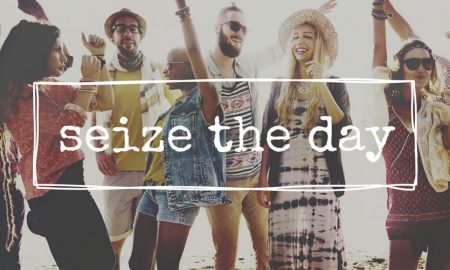
We are not promised tomorrow so we have to make each day count.
Pricing:
- Prices vary but are typically around $35 per class. Depends greatly on length of class or series, and cost of supplies.
Contact Info:
- Website: https://can-nc.org
- Instagram: https://www.instagram.com/creativeagingnc/
- Facebook: https://www.facebook.com/CreativeAgingNetworkNC/
- LinkedIn: https://www.linkedin.com/company/86846435
- Youtube: https://youtube.com/@creativeagingnc