



Today we’d like to introduce you to Niche Faulkner.
Niche, we appreciate you taking the time to share your story with us today. Where does your story begin?
My journey with African dance began with the legendary Chuck Davis, whose philosophy of “peace, love and respect for everybody” gave me my first profound understanding that this art is about community and history. After stepping away for some time, I rediscovered my passion when I moved to Pittsburgh. There, I found Mama Kadiatou Conte of Balafon West African Dance Ensemble. She took me under her wing, and her mentorship transformed my commitment, teaching me that the dance lives in the rhythm and the stories behind every movement.
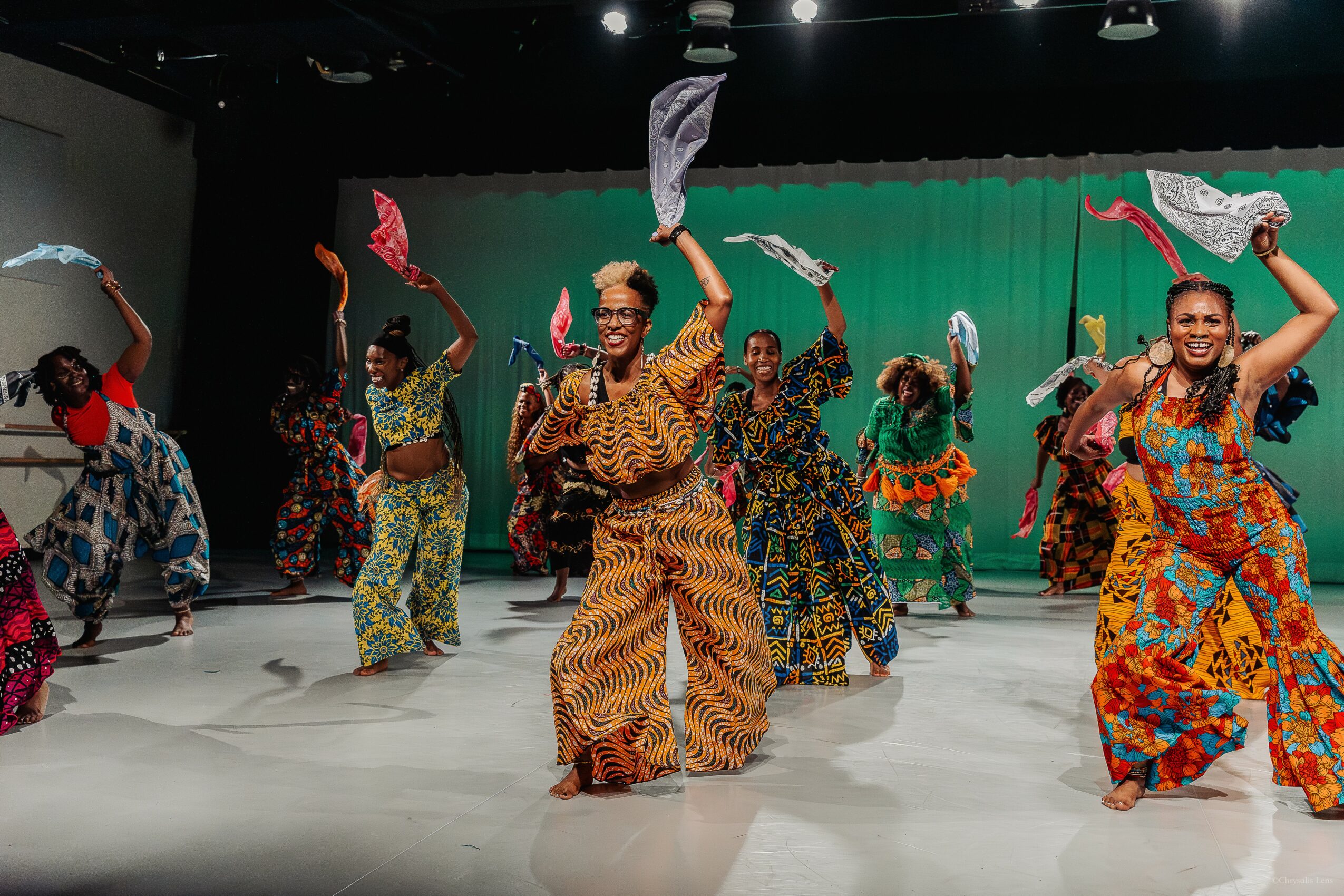
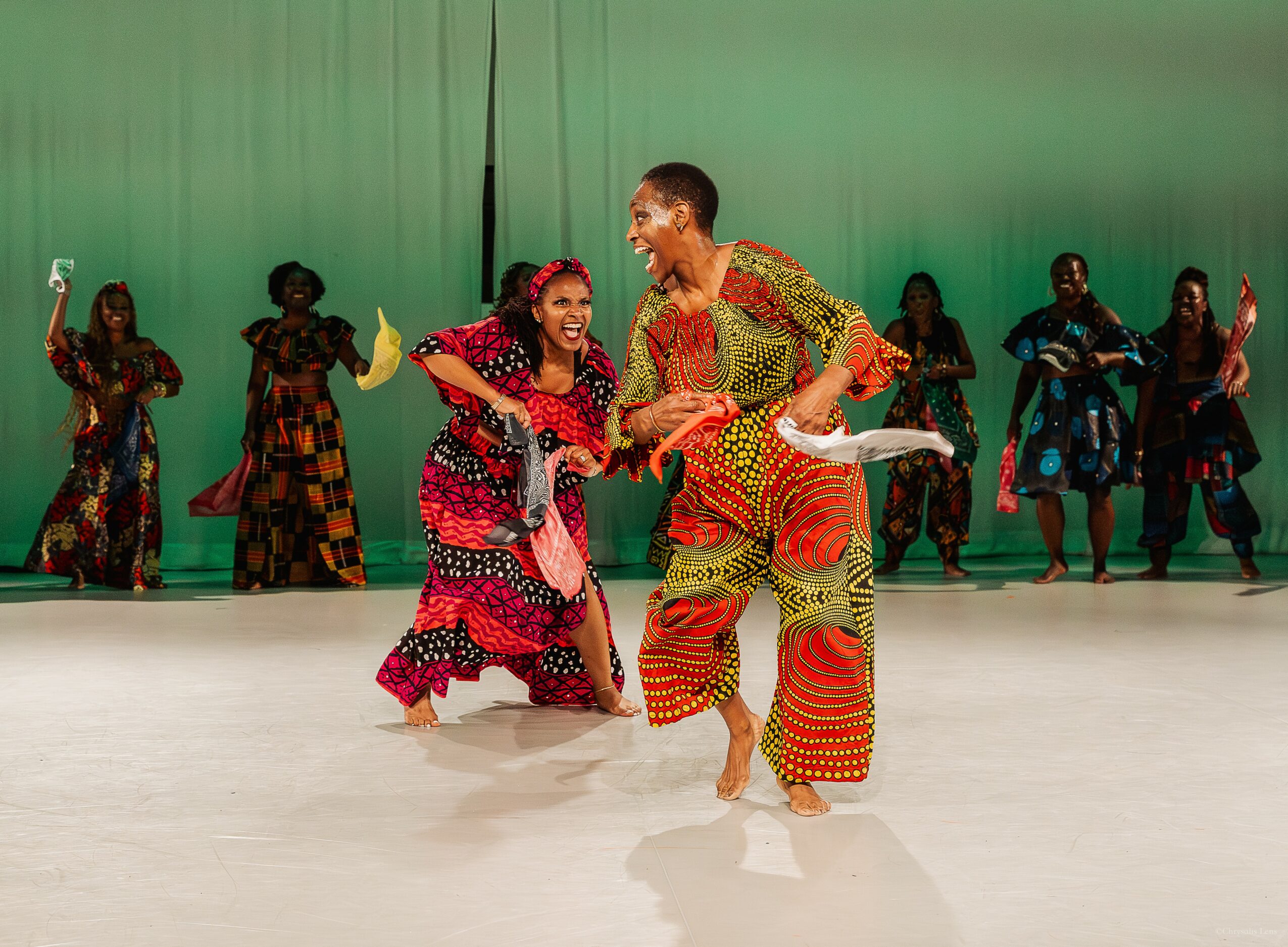
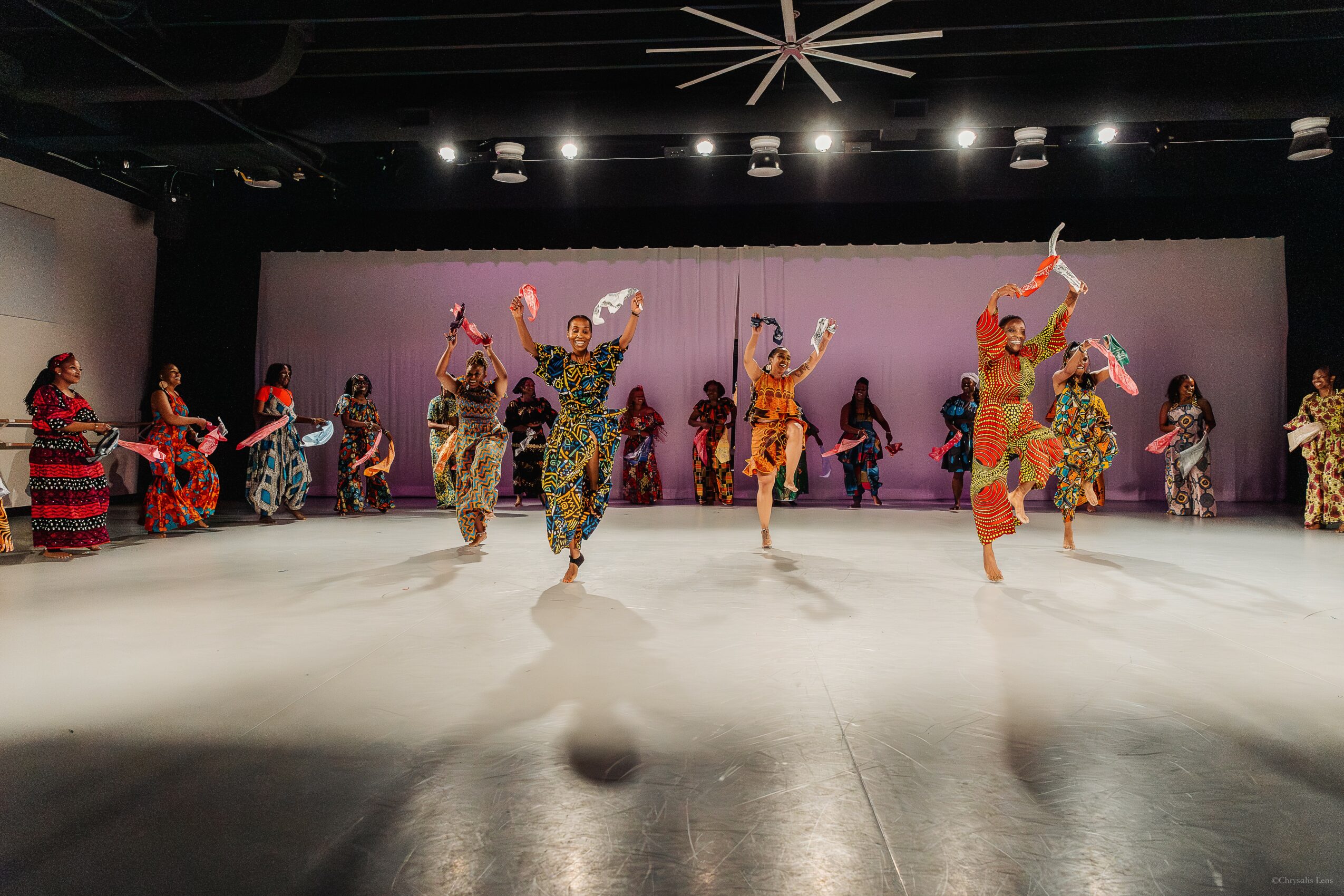
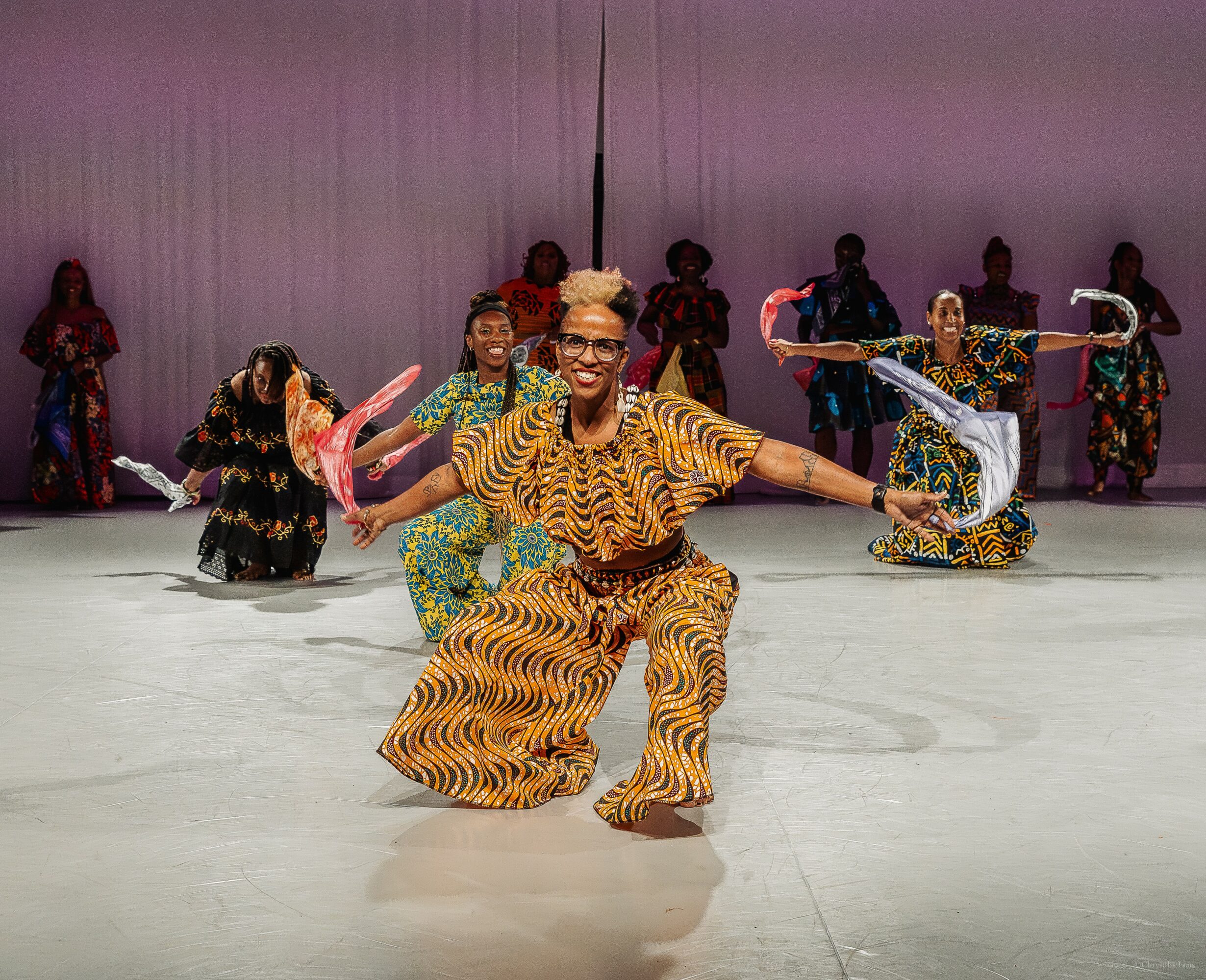
When I moved to Charlotte, Master Dancer Mohamed DaCosta connected me with one of his students, Leshea Stukes. Recognizing a shared purpose, we joined forces and together created SHAE Movement African Arts. What started as a seed planted by Baba Chuck Davis, nurtured by Mama Kadiatou, and watered by the community in Charlotte has blossomed into a platform where we now educate, heal, and celebrate West African culture. Its a full-circle moment to now be the one guiding others in the same way I was guided.
Would you say it’s been a smooth road, and if not what are some of the biggest challenges you’ve faced along the way?
No, it has not been a smooth road. One of the buggest struggles was the gap in my practice itself–fallin out of touch with dance for years and then facing the vulnerability of returning under new guidance as an adult. It is humbling to reclaim a body memory while accepting that your instrument has changed. There was also challenge of finding authentic representation: after leaving structured mentorship where history and cultural lessons were taught, I entered into spaces where the culture was somewhat performed without being understand, and I had to fight to stay connected to the roots rather than just the aesthetic.
Financially and logistically, the road has been full of pothiles. As an artist, stability is a myth- you constantly chase studio space that respects the community and especially the sound, funding and visibility. When LeShea and I were connected, we had the passion but zero blueprint for running a nonprofit organization. Building SHAE Movement African Arts has meant grant writing, teaching, remaining faithful to the study and honing of my dance education all while pushing against mainstream arts culture that often wants to commodify African dance without investing in its custodians. The struggle has been making people see this work as essential, not exotic entertainment. We are more than “that Coming to America scene”.
Appreciate you sharing that. What else should we know about what you do?
That’s where the intersection of my work comes alive- at the intersection of all of my roles. By day, I am a school counselor, which means I spend my professional life holding space for young people’s mental health and emotional development. That training in listening, in trauma-informed are, and in creating safety directly informs my artistic practice. I am also a RYT200 Yoga Teacher and I’ve foudn that breath work and mind-body connection of yoga perfectly compliments the polyrhythmic intensity of African dance. I find joy in weaving these threads together to create holistic healing experiences.
What I am most known for is my commitment to curating safe spaces specifically for Black women to grow and heal. Through SHAE Movement, I ensure that every class and workshop is grounded in live music- because there is no replacement for the energy exchange between the dancer and the drummer; it is ancestral. I love to practive what I call “African dance as therapy”, where we aren’t just learning steps, but we are using the movement to release what we carry, to find our grounding and to reconnect with ourselves. What sets me apart is this intentional fusion: I am not just teaching you a routine, I am guidning you through a therapeutic process. My greatest pride is witnessing a Black woman walk into the studio burdened and walk out light, having found a piece of herself inthe rhythm. SHAE Movement is proof that culture is healing and that our community is special.
Do you have any advice for those just starting out?
The best advice I can give is to lead with humility and stay a student for life. This art foem is ancient and layered, and it demands respect. Study the culture behind every movement– learn the language, the history, the meaning of the drums, and the stories of the people who preserved these traditions. Do not just learn choreography, learn context. That is what Baba Chuck Davis instilled in me and what Mama Kadiatou deepened. Let the Elders guide you, and never walk into a space acting like you have arrived. The moment you think you are the master is the moment you stop growing.
I also wish I had known earlier that rest is part of the practice, and that your body is your archive. Treat it with care. Stretch, breathe, cross train and listen when it tells you to slow down. Finally, find your “why” beyond performances. For me, it becamse healing and community. For you, it might be rooted in something else- but let it be rooted in purpose. If you dance only for applause, you will burn out. If you dance because the rhythm heals you, you will last a lifetime. Our Elders are proof of this even as they transition, the lessons and legacy live on.
Contact Info:
- Website: https://www.shaemovement.org
- Instagram: https://www.instagram.com/shaemovement
- Facebook: https://www.facebook.com/shaemovement
- Other: https://www.tiktok.com/@shaemovement