



Today we’d like to introduce you to Rhea Bharadwaj.
Alright, so thank you so much for sharing your story and insight with our readers. To kick things off, can you tell us a bit about how you got started?
It truly started when I got my first speaking role in a production of Legally Blonde and performed “Let It Go” during a Disney cabaret during my senior year of high school. I had just moved states for the first time and was adjusting to an entirely new environment, but instead of staying comfortable, I decided to challenge myself. As an alto, performing a song like “Let It Go” pushed my vocal range and showed me what I was capable of when I committed to something intimidating.
From there, performance kept finding me in different forms. During college, I landed my first lead role in a world premiere play, Fellowship by Sam Chanse, which became a major turning point for me. Around the same time, I discovered another side of performance through public speaking. I gave my first major speech to over 2,000 students and faculty in an unconventional way—starting seated, standing up midway through, and ultimately going off-script. What I remember most wasn’t the speech itself, but hearing cheers and receiving a standing ovation afterward.
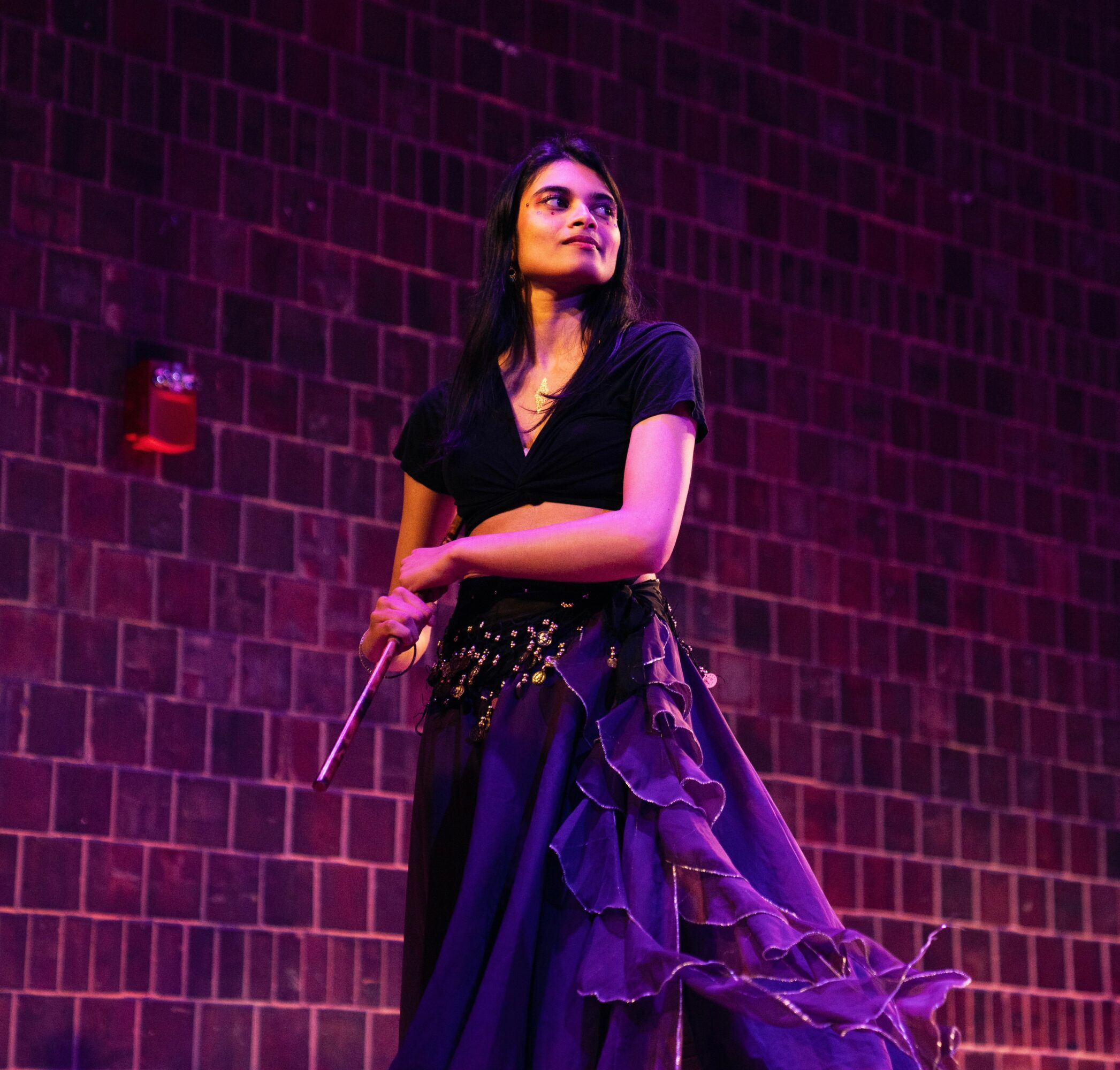
Since then, I’ve worn many different hats: panelist, moderator, MC, keynote speaker, performer, and dancer. Joining a bellydance club later helped me reconnect with movement and confidence in a completely different way, eventually progressing into advanced choreography and performances.
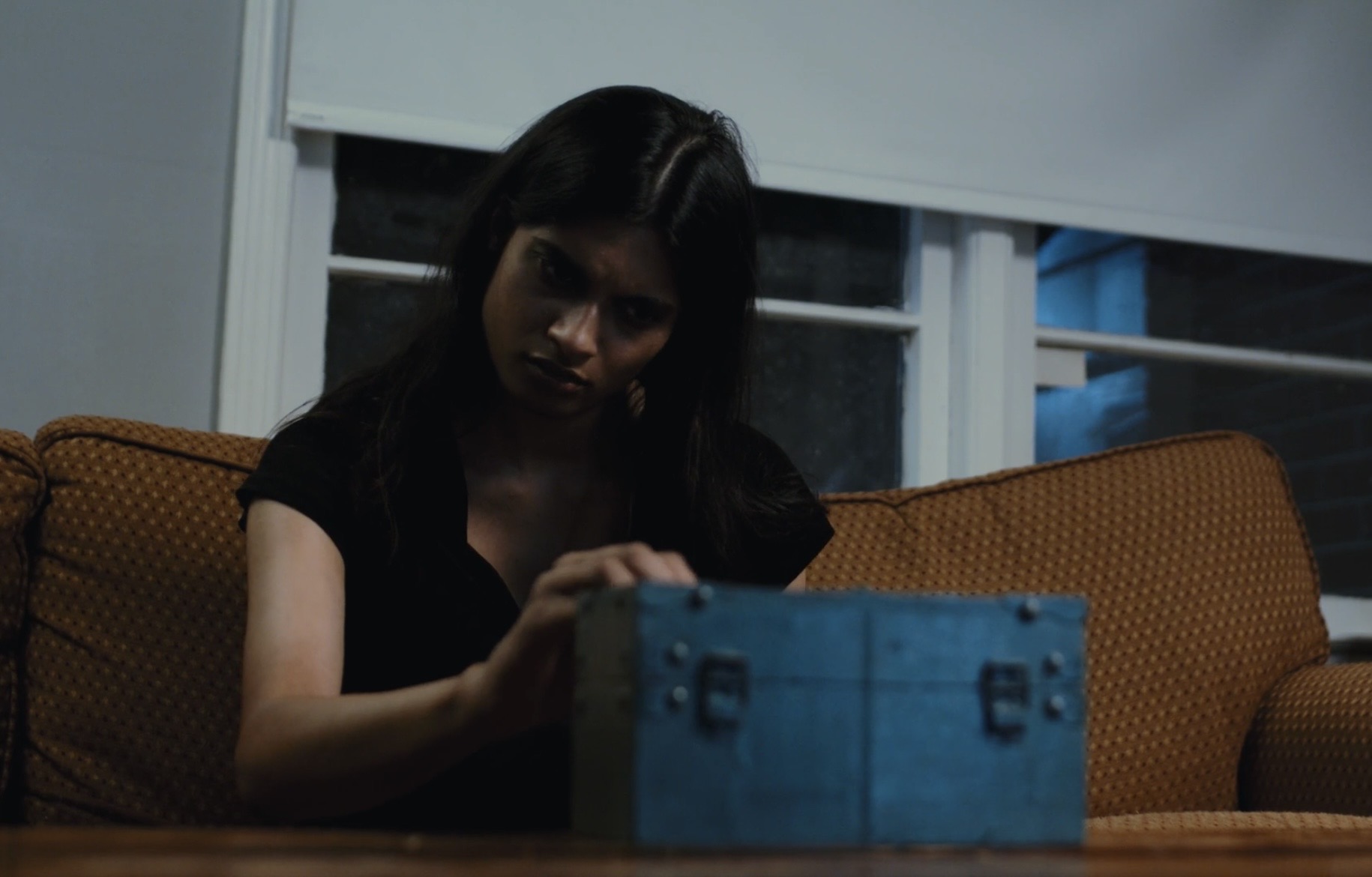
After graduating college, the stage called even louder. Today, I’m performing in a sci-fi horror play “X”, showcasing for talent agents, building my own projects—including an upcoming Dune-inspired cinematic piece—and co-directing a short film. Looking back, I think every major opportunity in my life started because I decided to do something that initially intimidated me.
Would you say it’s been a smooth road, and if not what are some of the biggest challenges you’ve faced along the way?
Definitely not. Like many people pursuing creative work, there were a lot of rejections before I got my first callback and eventually my first major acting role. Every new area I stepped into came with its own learning curve, especially when I opened myself up to dance and movement-based performance.
A big part of the process was learning to trust myself, ask for help, and be patient enough to let growth happen gradually. Competition can feel overwhelming at times, but I’ve learned that focusing on what you can control is far more productive than comparing yourself to others.
More than anything, the biggest challenge has been overcoming the fear of being perceived. Putting yourself on stage, in auditions, on camera, or sharing creative work publicly means accepting vulnerability. Learning to move forward despite that fear has probably been the biggest growth point of all.
Can you tell our readers more about what you do and what you think sets you apart from others?
I’m an actor, director, and dancer who is drawn to psychologically driven, high-stakes stories, especially within horror and sci-fi. I’m particularly interested in projects that use movement, tension, and ambience to explore something deeper about people and the way we experience the world.
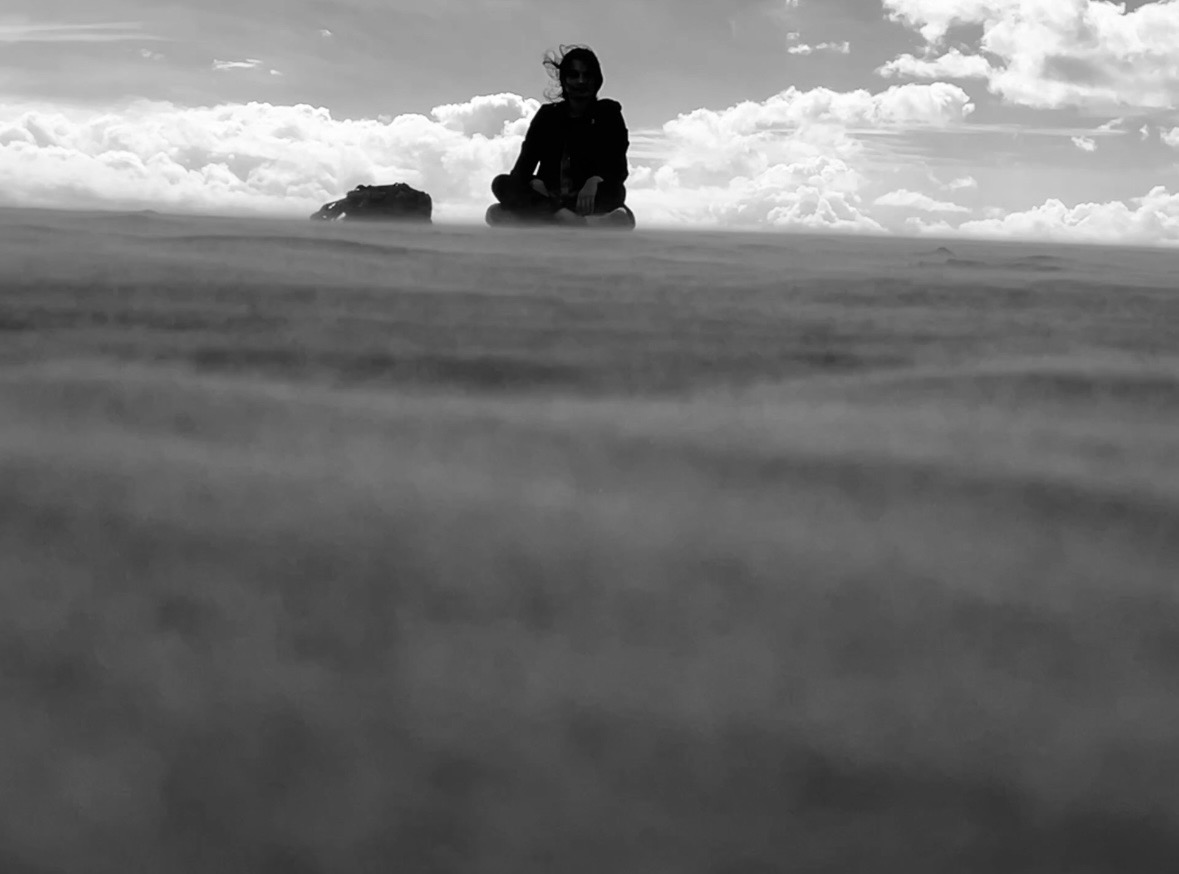
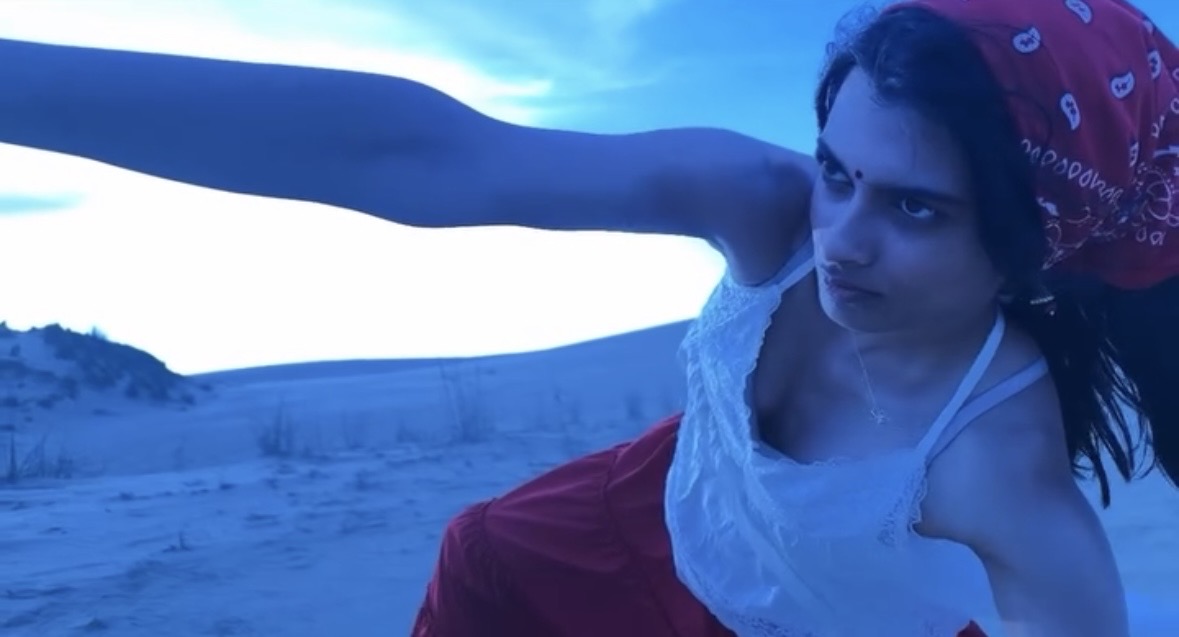
What I’m most proud of right now is an upcoming cinematic piece inspired by the Dune franchise that I created alongside a small creative team. We drove six hours to the Outer Banks, filmed for two days using an iPhone and gimbal, and prioritized creating something meaningful over convenience. Walking away from that project knowing how many actors, filmmakers, and creatives are excited to see the final product has been incredibly rewarding.
What sets me apart is that I bring my South Asian identity and perspective into the work I create. I’m especially interested in exploring South Asian experiences through the vehicle of horror because it’s a space where I still feel there are stories waiting to be told. I’m inspired by storytellers like Jordan Peele, Curry Barker, and Kane Parsons who have reinvented the horror genre as a whole and hope to contribute my own distinct perspective while continuing to advocate for greater visibility and opportunities for South Asian women and creatives across film, fashion, and media.
In terms of your work and the industry, what are some of the changes you are expecting to see over the next five to ten years?
One of the biggest shifts I’ve noticed since the release of Get Out in 2017 is the rise of psychological horror and stories that feel increasingly grounded in real fears and experiences. The more personal and emotionally real these stories become, the more impactful—and often scarier—they are.
I also think we’re seeing a shift in who gets to create. Feature films like Obsession and Backrooms are proving what young indie filmmakers with compelling visions can accomplish and how projects that may have once existed outside traditional systems are now making their way onto big screens.
Because of that, I think the industry is moving toward multi-hyphenates. It’s becoming less about waiting for opportunities and more about creating them yourself—whether that means acting, writing, directing, producing, or building work independently until it finds the right audience.