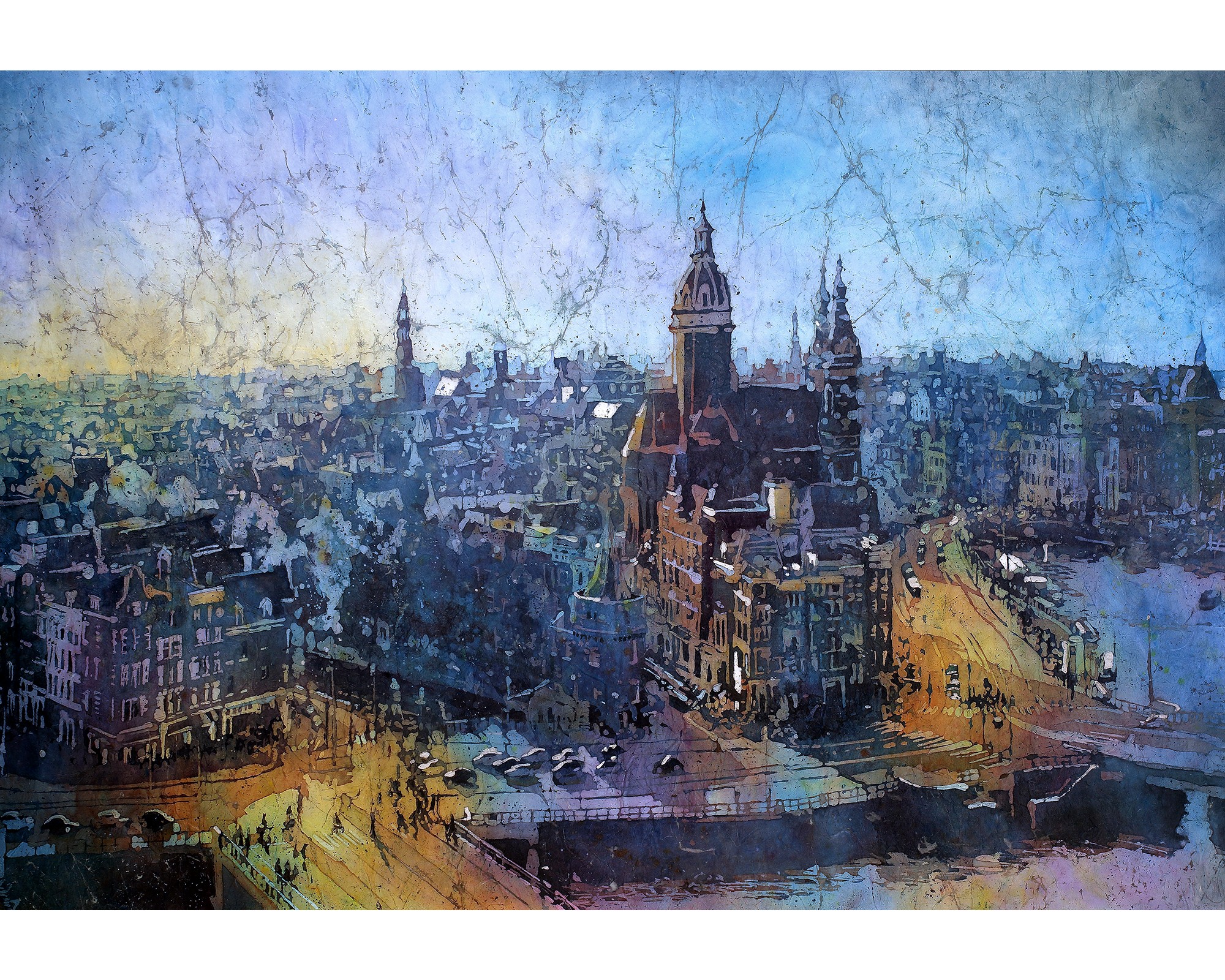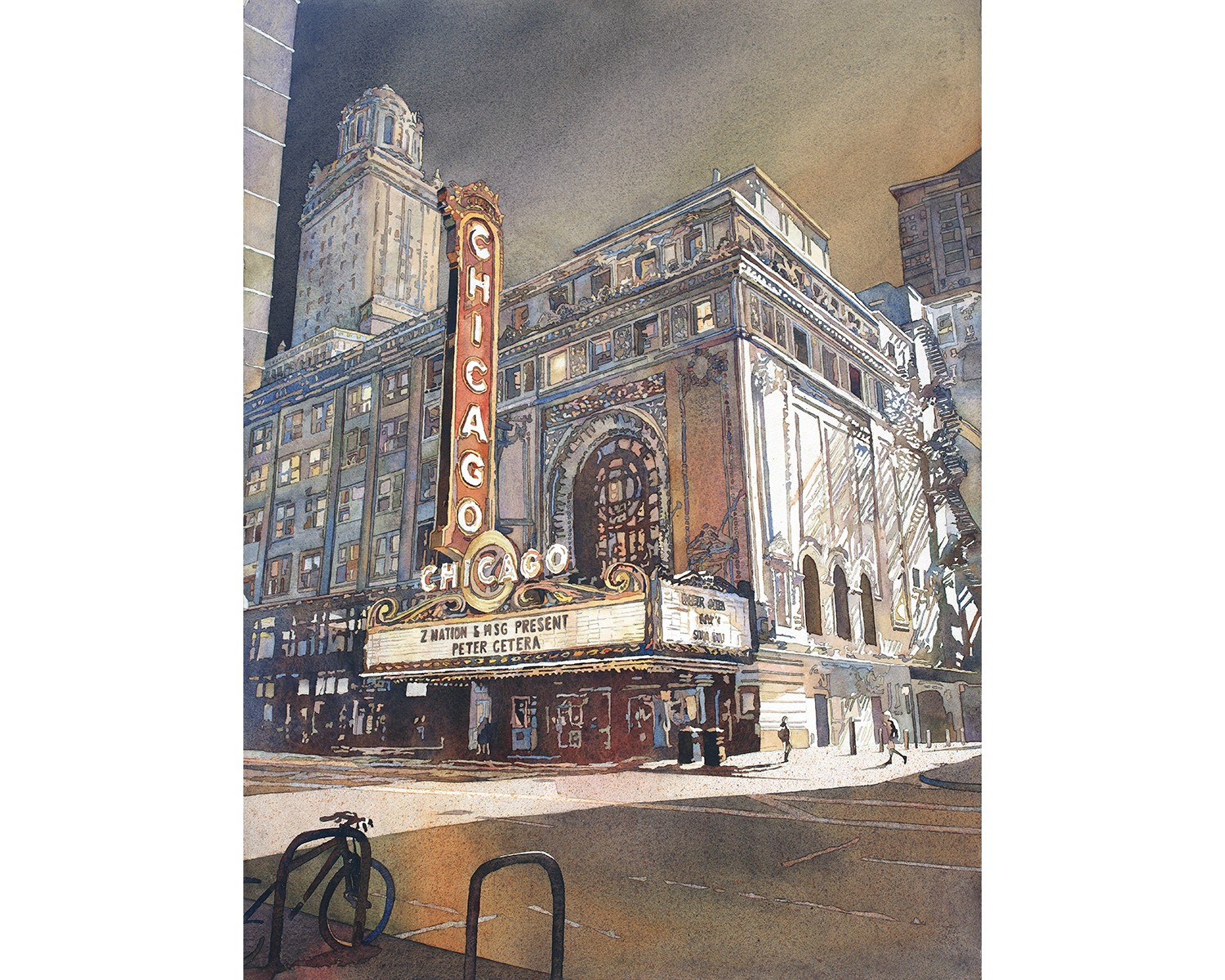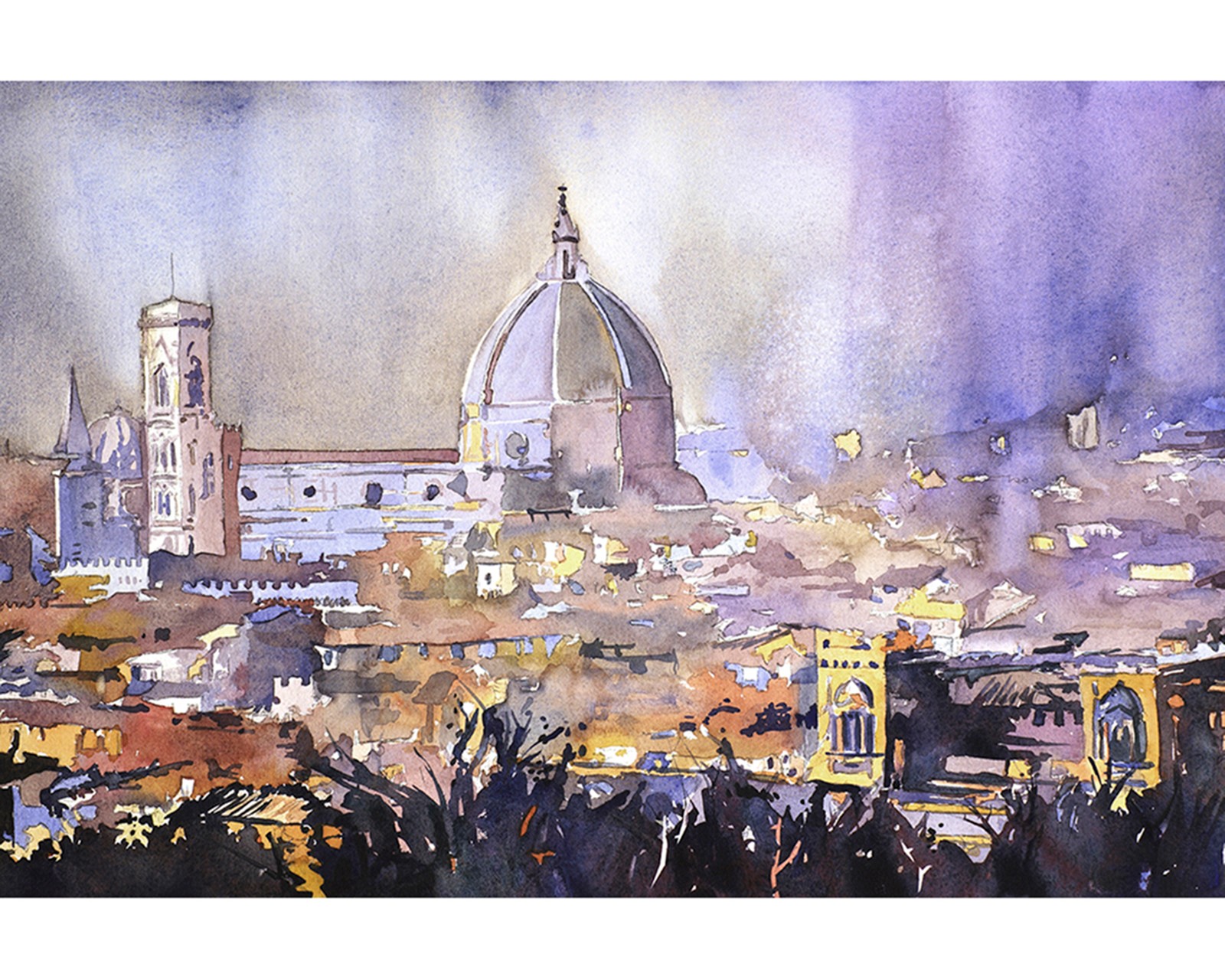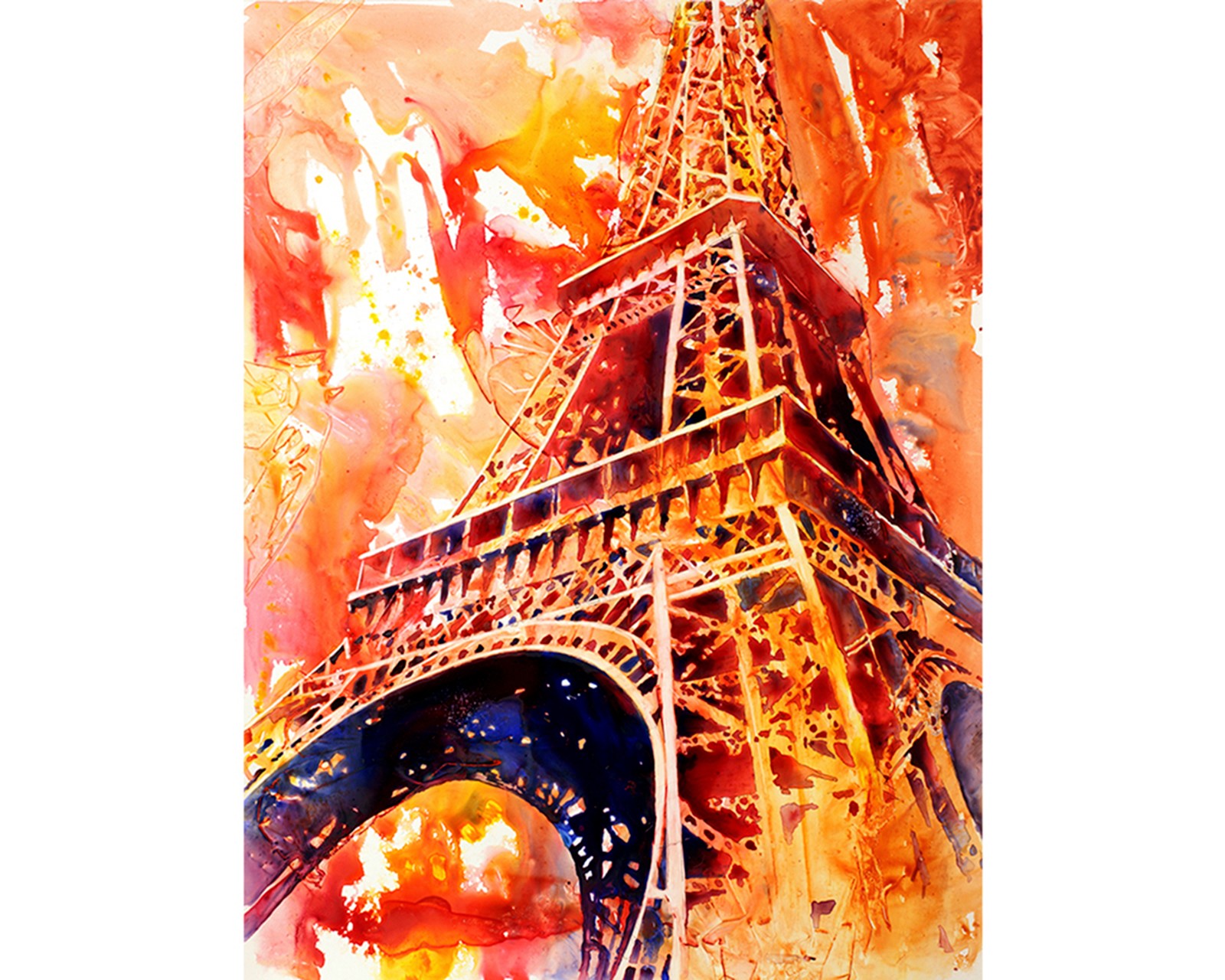






Today we’d like to introduce you to Ryan Fox.
Hi Ryan, we’re thrilled to have a chance to learn your story today. So, before we get into specifics, maybe you can briefly walk us through how you got to where you are today?
I’ve always been drawn to art. I earned my degree in drawing and painting from the University of Michigan, though during my last two years I shifted my focus to photography. I didn’t bother changing my major, but photography became my primary pursuit. Along the way, I took one watercolor class—ironically taught by an oil painter—and discovered I enjoyed the medium. I also tried oil painting, but quickly learned it wasn’t for me (not only did I struggle with the medium, I also managed to ruin all my clothes!).
After graduation, photography became my career. For over a decade I worked professionally—shooting assignments, licensing images to stock agencies, and building a life around the camera. But by 2011, with the rise of digital photography, the industry changed. The work no longer felt sustainable, and I found myself growing disenchanted with it. That’s when I began to think seriously about returning to painting.
I had kept my watercolor paints tucked away, almost waiting for me. In November 2011, I pulled them out again and started painting at my kitchen table in the evenings, after spending the day as a stay-at-home dad with my young boys. I quickly realized that while my background in photography and art school gave me a solid foundation in composition and color, watercolor itself was a whole new challenge. So I became a student again—practicing consistently, taking notes, experimenting, and slowly learning the medium.
That persistence paid off. Today, I’m proud to be a signature member of both the American Watercolor Society (AWS) and the National Watercolor Society. My work has been published in Watercolor Artist Magazine, Our State, The Art of Watercolour, and several volumes of Splash, the hardcover series from F+W Media. My paintings have been honored with awards in numerous national juried shows.
About seven years ago, I began teaching, and that has become one of the most rewarding parts of my career. Now, I conduct workshops and classes across the country, sharing the unconventional techniques I’ve come to love about watercolor—and helping others embrace the unpredictable beauty of the medium.
We all face challenges, but looking back would you describe it as a relatively smooth road?
Not at all—every day brings its own set of struggles as an artist. The unpredictability can be exhausting. One month sales are great, and I start to feel like I’ve finally found solid footing. Then the very next month, nothing sells, and all that confidence disappears. I’ve learned the hard way never to count on anything being steady.
The creative process itself can feel like a rollercoaster. I often compare it to being a professional baseball player—there are weeks when you just can’t hit anything. Every painting I touch feels wrong, and I start questioning whether I really know what I’m doing. And then, almost without warning, things shift. Suddenly, every brushstroke falls into place, and I feel unstoppable.
What keeps me moving forward is showing up to the studio anyway, no matter what. Even if the day’s work ends up in the discard pile, it still teaches me something. Each failed attempt is part of the process, and eventually, something sticks. That moment when the breakthrough comes—the painting that works after a string of failures—that’s what makes the struggles worthwhile.
Thanks for sharing that. So, maybe next you can tell us a bit more about your work?
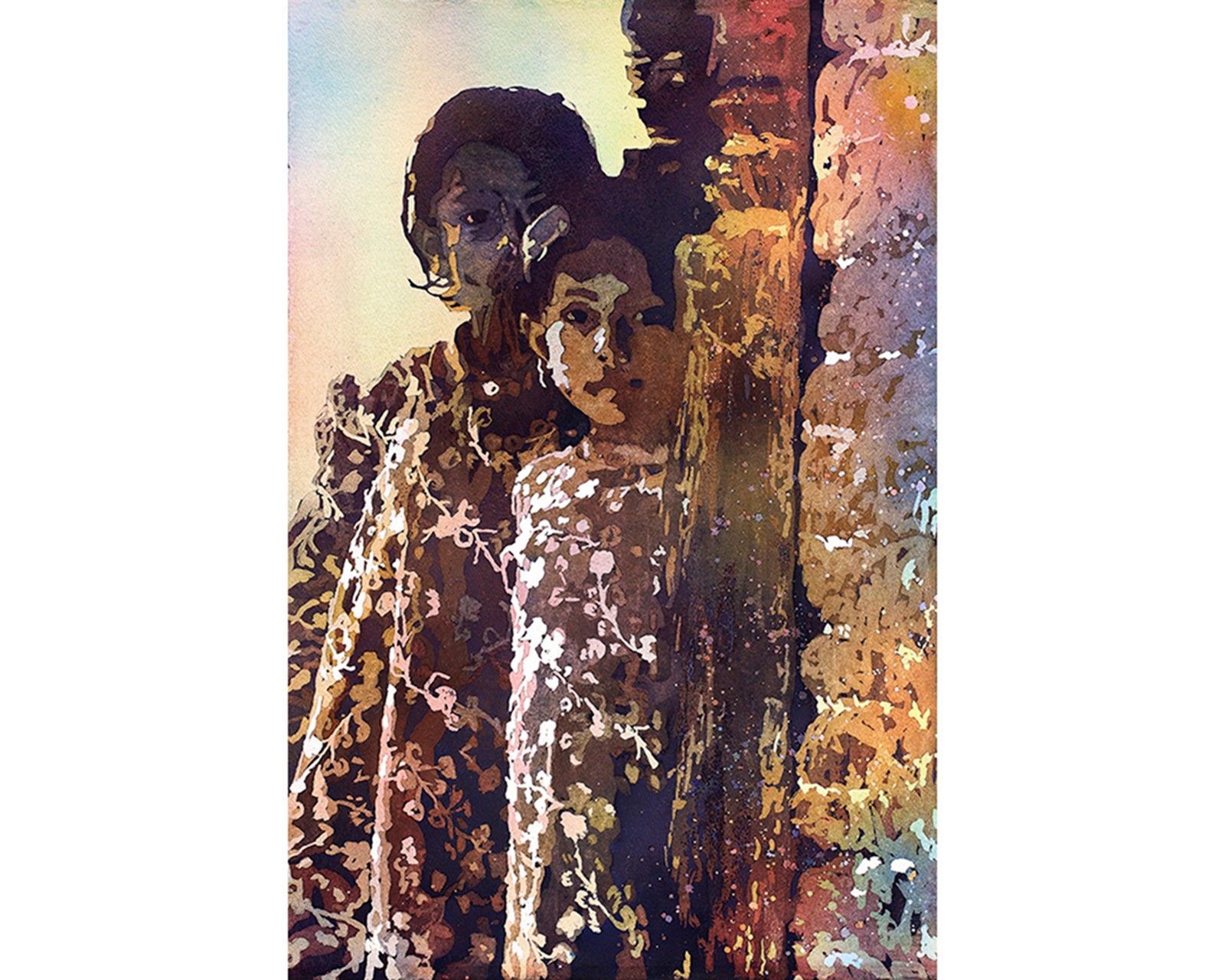
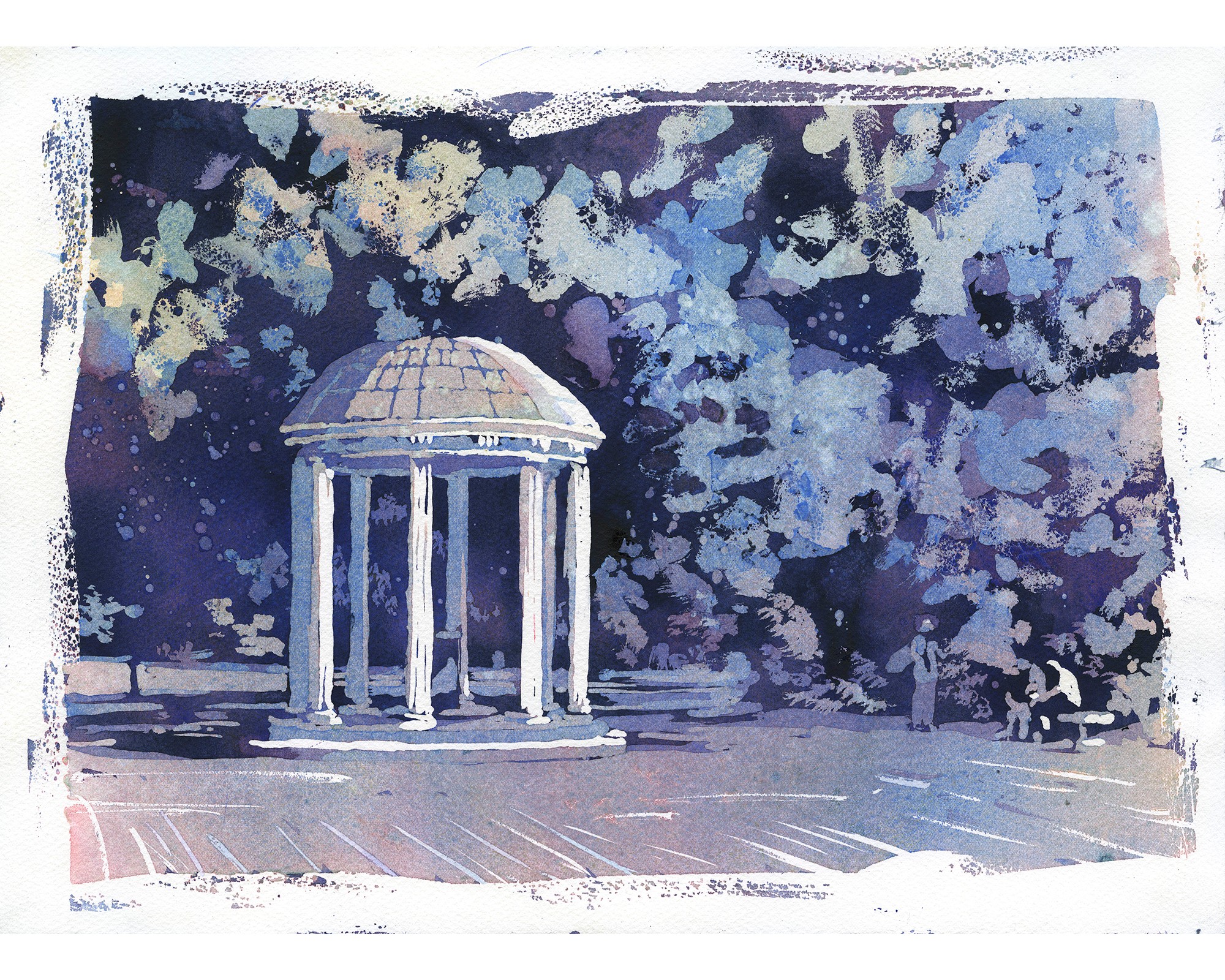
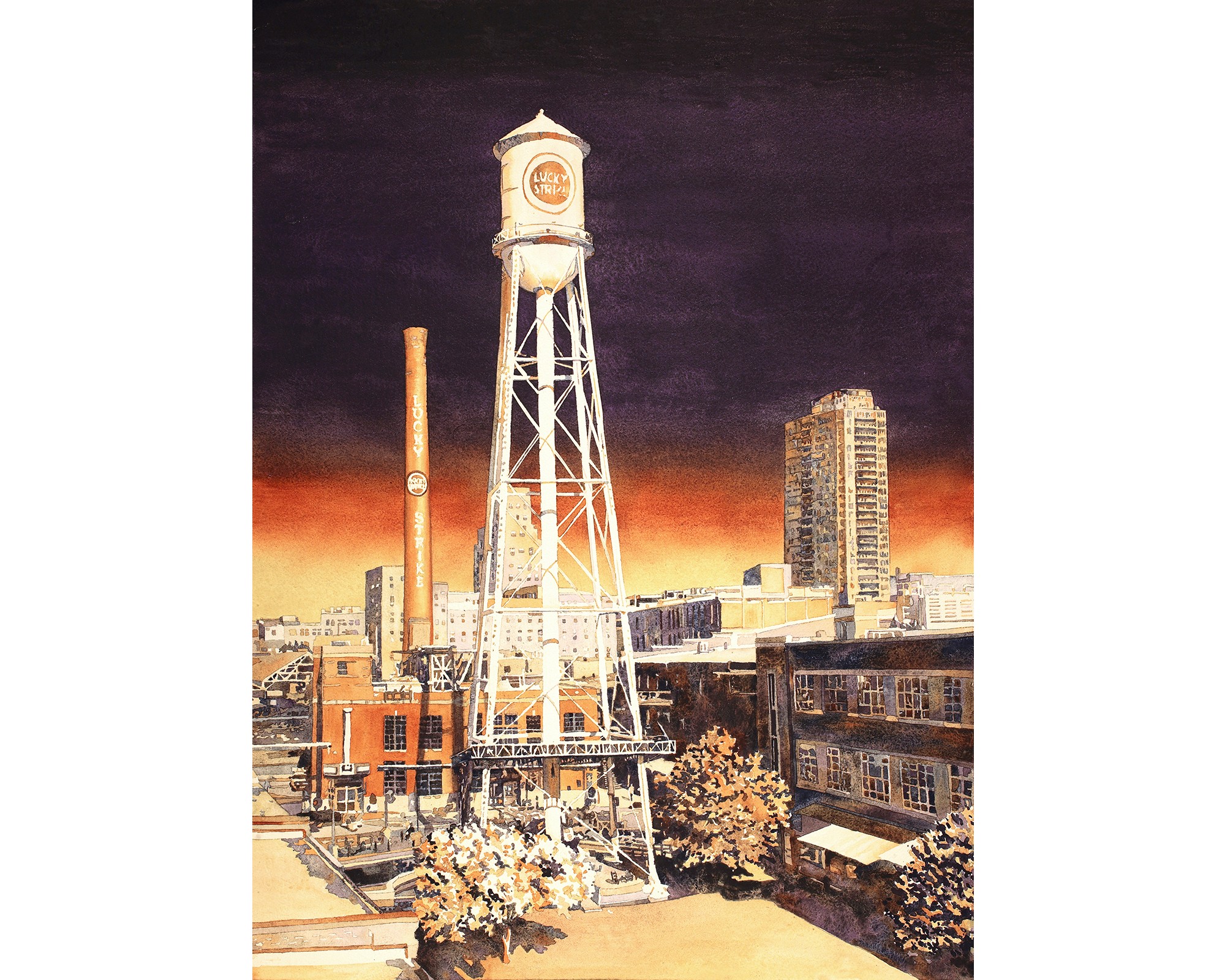
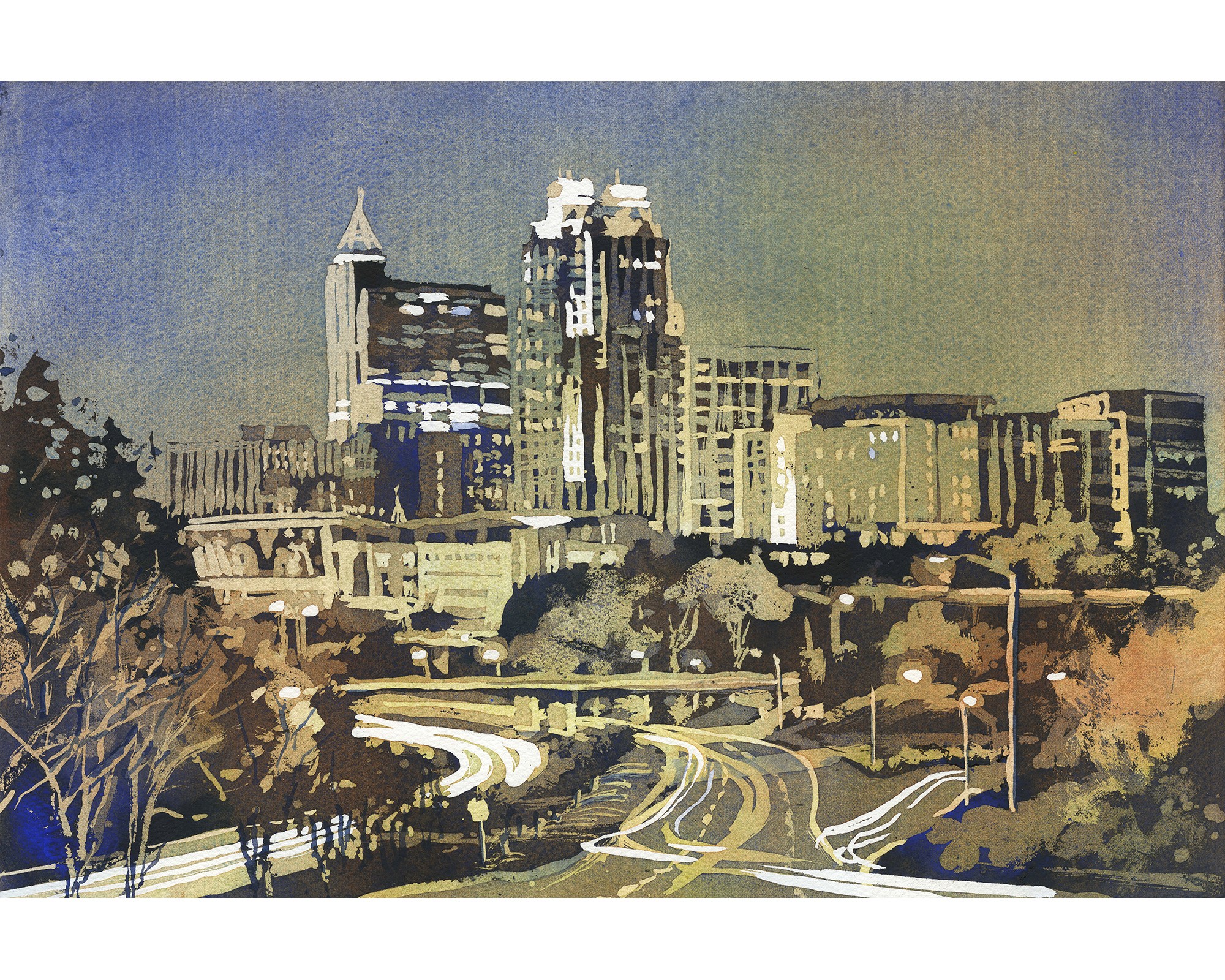
I am a professional watercolor painter, and I find watercolor to be a truly remarkable medium. What excites me most is its unpredictability—while I often begin with a vision in mind, the water and pigment always bring surprises. Instead of resisting those unexpected turns, I let them guide my decisions. The results are paintings that I could never have imagined at the start—often something more alive, more unique, and more rewarding than what I had originally envisioned.
Watercolor is endlessly versatile, with so many techniques and approaches to explore. I don’t limit myself to one style; I embrace experimentation as part of my process. This constant curiosity and willingness to learn is what keeps my work fresh and my life as an artist exciting—very different from a predictable routine. Each painting presents a new challenge, and with it, the possibility of discovery.
My work is influenced by many artists I admire, including John Salminen, Nico Lopez, and Linda Baker. I study and deconstruct what makes their paintings successful, not to imitate, but to build on those lessons in my own voice. Over the years, I’ve often been told that people are surprised by the variety in my work. That variety is what I’m most proud of—it reflects my refusal to repeat the same formula over and over, even if doing so might bring recognition or awards. For me, variety is not only what sets me apart from others, it is what keeps me inspired every day.
What does success mean to you?
For me, success as an artist means being able to fully support myself through my creative work. It is not an easy path—behind every painting lies not only the act of painting itself but also the long hours of marketing, bookkeeping, and the countless practical details that go into building a sustainable career.
Each piece is the product of many hours: studying techniques, experimenting with brushes, paper, and colors, and taking reference photographs that will serve as the foundation of the work. Perhaps the hardest part is figuring out how to transform those references into something alive on the watercolor paer—a process of constant problem-solving and discovery.
I see each painting as a building block, part of a progression where every effort contributes to the next. Success, to me, is defined in that final result: creating a painting that not only reflects my hard work and dedication but also brings genuine joy to someone else. That connection—between the artist’s effort and the viewer’s experience—is the ultimate measure of success.
Pricing:
- $200-300 11×15″ small watercolors (often demos for classes)
- Larger paintings sell for $400+ depending on complexity, framing, and grumpiness on the day I priced it
Contact Info:
- Website: https://www.ryanfoxpainting.com
- Instagram: https://www.instagram.com/rfox90
- Facebook: https://www.facebook.com/rfoxwatercolor
- Youtube: https://www.youtube.com/@RyanFox
- Other: https://www.tiktok.com/@rfox90