




Today we’d like to introduce you to Laura Rodgers.
Laura, we appreciate you taking the time to share your story with us today. Where does your story begin?
My career path has not been a straight line, but when I look back, I can see a clear thread running through it: a commitment to national security, problem-solving, and helping organizations strengthen the way they operate.
My first job was at Martin Marietta, before it became Lockheed Martin, working on a program designed to help protect the United States during the Cold War. I was part of the MX Missile program, and that experience helped me realize I had a passion for national security. I am not an engineer, but my work in compliance gave me the opportunity to work closely with the people on the manufacturing floor – the men and women who were building, inspecting, and supporting mission-critical systems. I loved being in a manufacturing environment, and that experience still shapes the way I work with manufacturing companies today.
From there, I joined General Dynamics Information Technology, where I again had the opportunity to support work tied directly to national security. One of the programs I worked on was Military Operations in Urban Terrain, or MOUT, which helped prepare warfighters for the unique challenges of operating in cities. Our business unit instrumented mock training villages with equipment that produced the sounds and smells of war, explosion simulations, audio/visual systems, and targets needed to create realistic training environments. The goal was to help save the lives of service members and civilians.
While at GDIT, I was also asked to develop a Quality, Environmental Health, and Safety program. That required me to learn quality management system principles, which became an important foundation for the work I do today.
I was introduced to cybersecurity while working on a Department of Defense grant at NC State University in the Industry Expansion Solutions group. My role was to perform business analyses for small defense contractors, many of them manufacturers, and recommend ways they could diversify their revenue streams. As part of the grant, we also talked with contractors about the importance of developing cybersecurity programs that complied with defense regulations. That is when I began to understand that cybersecurity is national security. That realization sparked the passion for cybersecurity that I still have today.
A year later, I joined the North Carolina Military Business Center as a business developer. Because of my work on the DoD grant, I understood how difficult it would be for small defense contractors to build compliant cybersecurity programs. I began developing training, webinars, courses, and newsletters to help North Carolina defense contractors take practical steps toward cybersecurity compliance. I often encourage companies to treat cybersecurity the same way they would treat quality or safety: as a business discipline that requires leadership, structure, documentation, training, and continuous improvement.
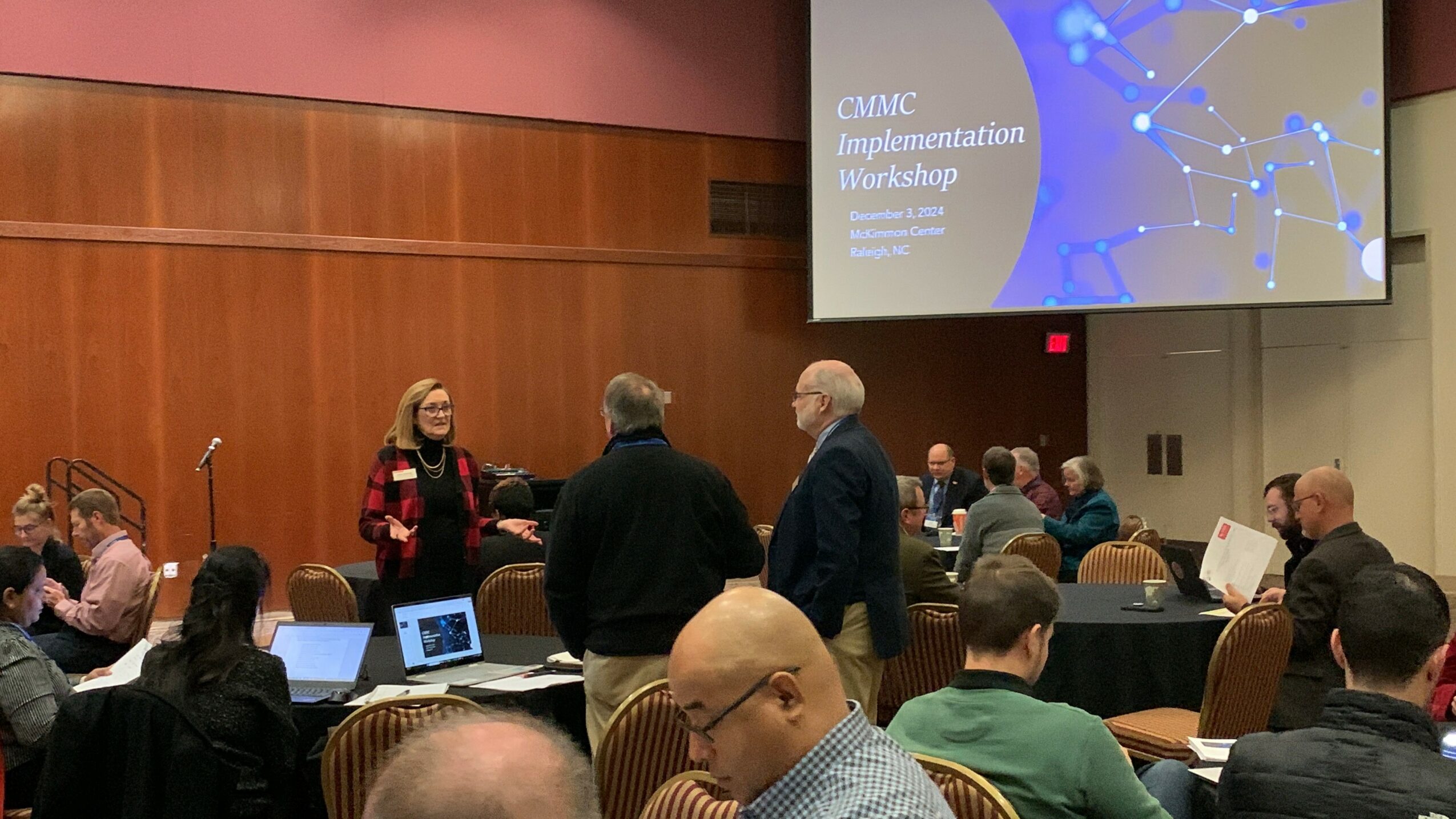
Today, I continue to teach a weekly CMMC, or Cybersecurity Maturity Model Certification, class and speak about cybersecurity compliance at conferences and events.
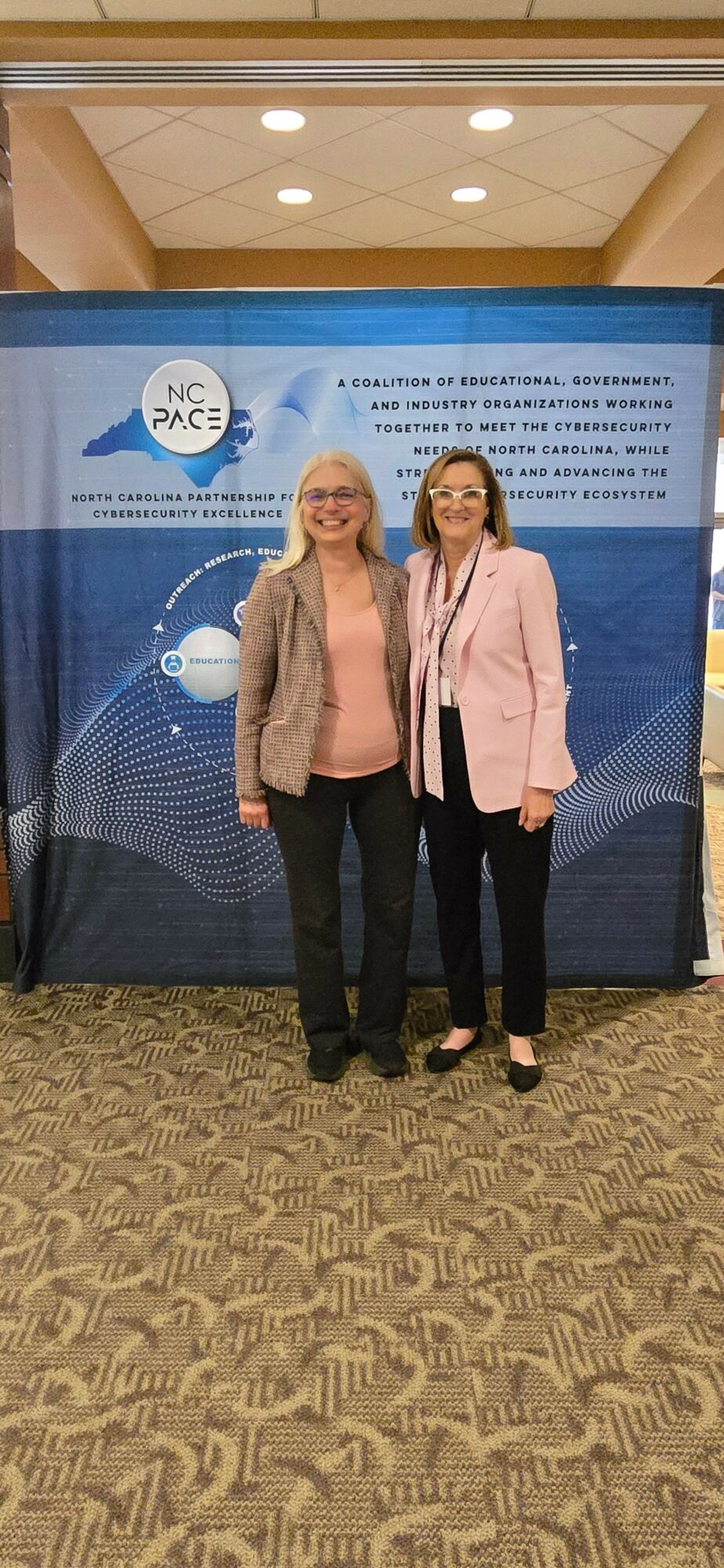
In the fall of 2022, I returned to NC State University as Director of Cybersecurity Practice and Director of the North Carolina Partnership for Cybersecurity Excellence. In these roles, I lead strategic initiatives that connect research, education, industry, and government to support cybersecurity innovation and workforce readiness. My work focuses on translating real-world cybersecurity needs into practical programs that prepare students, strengthen organizations, and expand economic development opportunities.
I use every skill I have gained throughout my career in the work I do now. My path has included compliance, manufacturing, quality, safety, business development, economic development, and cybersecurity—but all of it has been connected by a desire to support people, strengthen organizations, and contribute to national security.
I’m sure it wasn’t obstacle-free, but would you say the journey has been fairly smooth so far?
No, it has definitely not been a smooth road. Early in my career, I assumed I would work for Martin Marietta for my entire professional life, but life had other plans.
Being a woman working for a defense contractor was challenging, especially at that time. I was often the only woman in the room, and I was not fully prepared for how difficult it could be to work in a male-dominated industry. After nine years, I made the decision to leave and focus on starting a family.
Several years later, I decided to return to the workforce and initially thought I might look for opportunities outside the defense industry. What I did not realize was that changing careers would likely mean starting over. When I received an offer from General Dynamics Information Technology, I accepted it. The work was not always easy, and I did not always enjoy every part of it, but I believed deeply in the mission. I stayed with GDIT for 11 years.
Then, in 2015, our business unit lost a major contract, and we were laid off the week before Christmas. Around that same time, both of my parents were terminally ill, so I stepped away from work for a couple of years to care for them. When I was ready to return, I was not prepared for how hard it would be to find a job as a woman of a certain age. I spent nearly a year treating the job search like a full-time job, applying for positions eight hours a day, before I finally received an offer from NC State University.
That opportunity changed everything. For the most part, it has been much smoother road since then.
I would not say I enjoyed the struggles while I was going through them, but I can see now how much they shaped me. They gave me perspective, made me more grateful for the good times, and made me stronger. The Stoic idea of amor fati – accepting that every past experience helped shape who you are today – certainly applies to my life and career.
Can you tell our readers more about what you do and what you think sets you apart from others?
I hope you don’t mind, but I’m using a copy of my Executive Leadership Profile for this section.
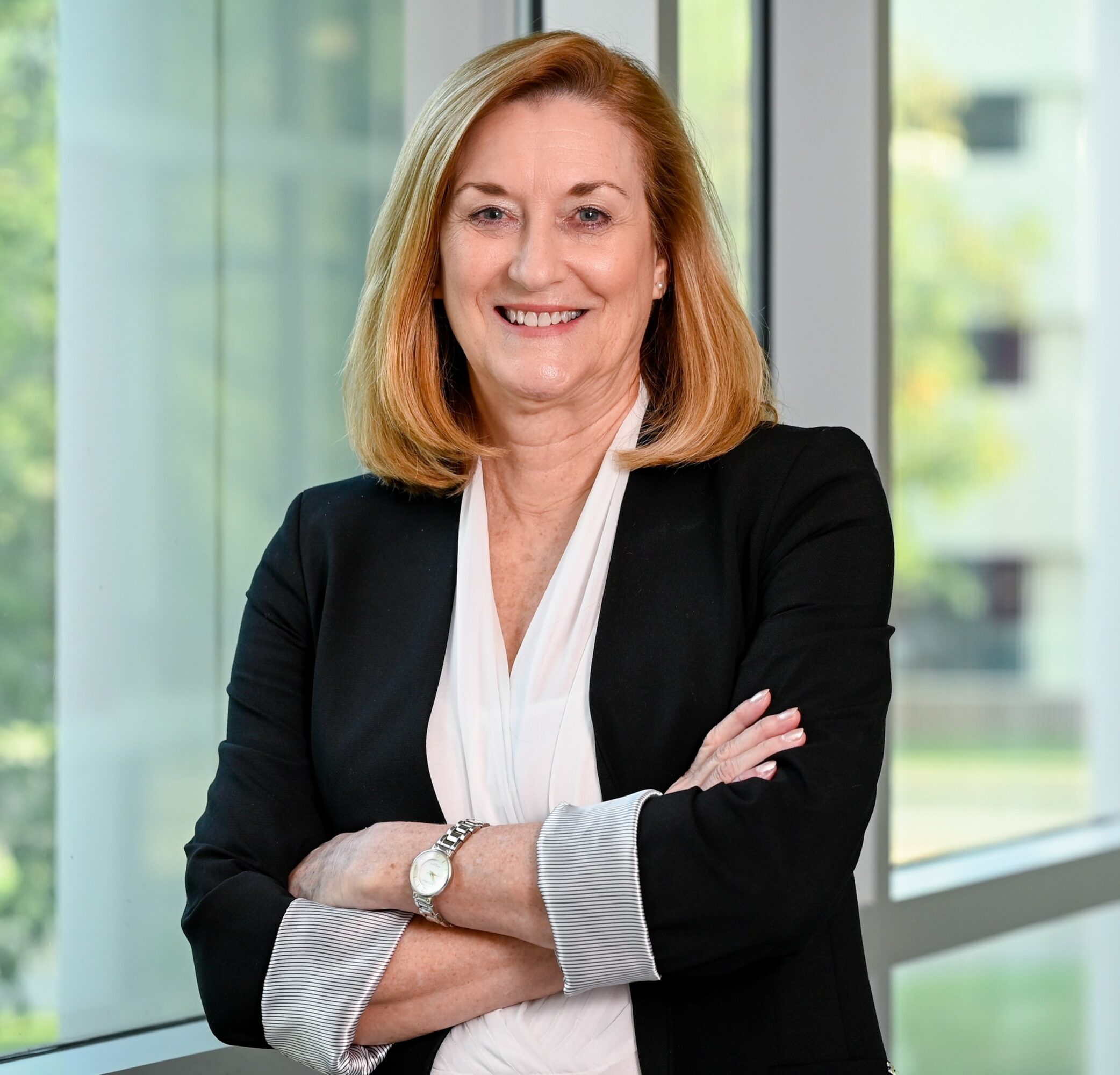
Laura Rodgers is a cybersecurity leader, strategist, and ecosystem builder dedicated to strengthening cybersecurity resilience, workforce development, and economic mobility across North Carolina. Through her leadership in academia, industry partnerships, and statewide initiatives, she advances collaborative programs that connect education, government, and private industry to address emerging cybersecurity challenges and workforce needs.
Ms. Rodgers serves as Director of the North Carolina Partnership for Cybersecurity Excellence (NC-PaCE) and Director of Cybersecurity Practice at the Secure Computing Institute at North Carolina State University (NCSU). In these roles, she leads strategic initiatives that align research, education, and industry engagement to support cybersecurity innovation and workforce readiness. Her leadership focuses on translating real-world cybersecurity needs into practical programs that prepare students, strengthen organizations, and expand opportunities for economic mobility across the state.
A recognized leader in program execution and regional collaboration, Rodgers designs and delivers initiatives that directly support North Carolina’s business community. She leads cybersecurity preparedness efforts for manufacturers through the North Carolina Maritime Manufacturing Initiative, helping companies prepare for compliance with the Department of Defense’s Cybersecurity Maturity Model Certification (CMMC) requirements. She also develops and delivers cybersecurity compliance training for defense contractors through a weekly virtual course, workshops, and speaking engagements that help small and mid-sized companies strengthen their cybersecurity programs.
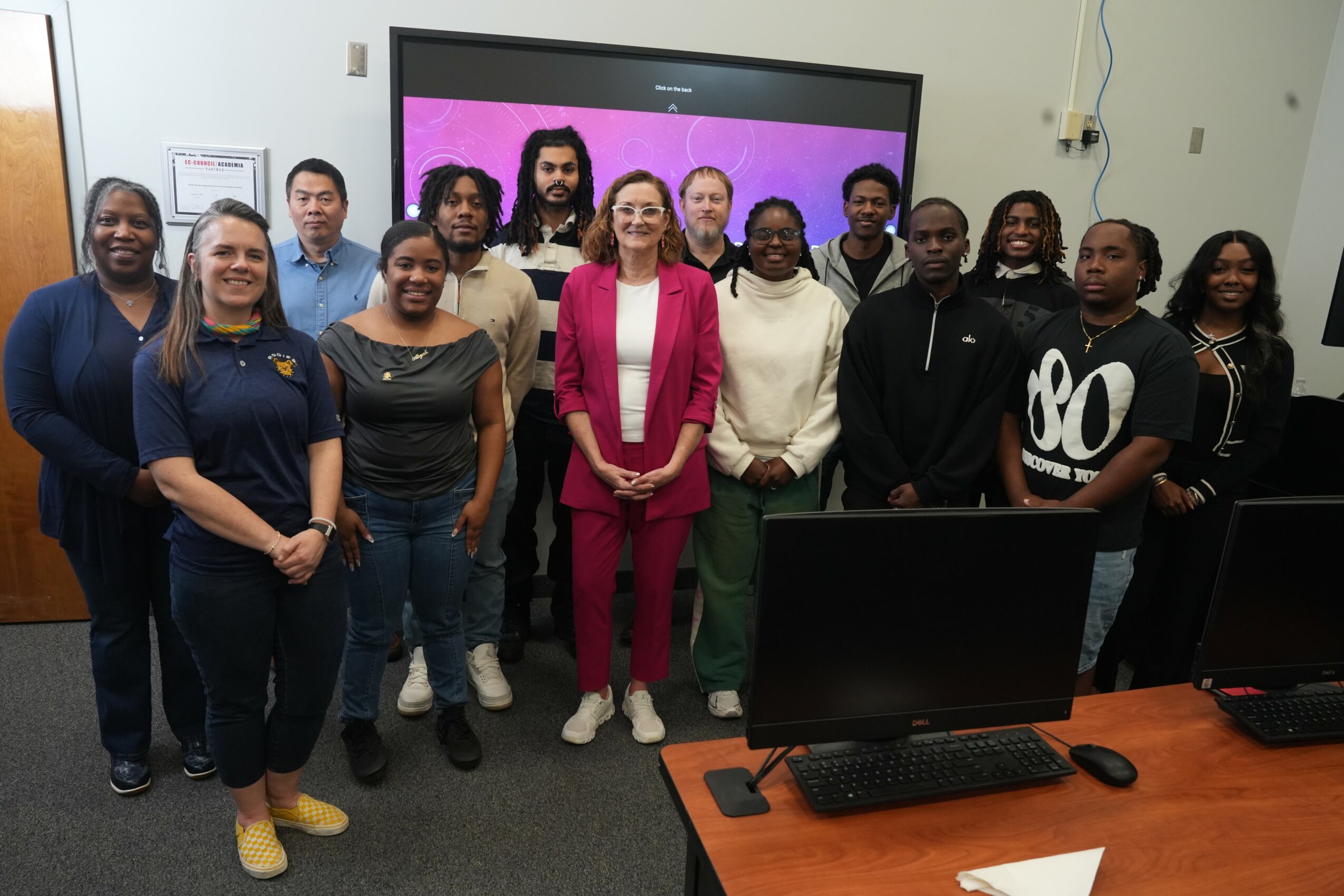
Ms. Rodgers is deeply committed to community engagement and workforce development, particularly in expanding access to cybersecurity careers. She co-founded AgDefenders, a multi-institution initiative that includes the Secure Computing Institute, NCSU’s Agricultural Extension program, and North Carolina A&T’s Center of Excellence in Cybersecurity Research, Education and Outreach. The program provides cybersecurity education and practical training to small farmers, helping protect critical agricultural infrastructure while introducing cybersecurity concepts to underserved communities.
As director of NC-PaCE, Ms. Rodgers has expanded the coalition by bringing five additional institutions into the partnership, including two Historically Black Colleges and Universities (HBCUs), strengthening the state’s collaborative cybersecurity ecosystem. She has also engaged with more than 100 companies across North Carolina to identify cybersecurity workforce gaps and translate those needs into hands-on educational opportunities. These insights directly informed the development of CSC 472 and CSC 595 cybersecurity practicum courses, as well as experiential learning opportunities through the student chapter of the Information Systems Security Association (ISSA), which she advises.
Ms. Rodgers is also the driving force behind the annual North Carolina Cybersecurity Symposium, where she leads planning and execution of the statewide event. Under her leadership, symposium attendance has increased by 150 percent in three years, reflecting its growing role as a convening platform for industry leaders, government officials, researchers, and students to address the most pressing cybersecurity challenges.
I created the Secure North Carolina! LinkedIn group to keep members of the NC cybersecurity community informed about cybersecurity events, jobs, and news. The group currently has 892 members.
A trusted advisor and active contributor to the cybersecurity community, I serve on the North Carolina State Chief Information Security Officer’s IT Strategy Board Cybersecurity Sub-Committee, the UNC Wilmington Cybersecurity Advisory Board, and the UNC Pembroke External Advisory Board for the Cyber Defense Education Center. I am also an active member of professional organizations including the Information Systems Security Association (ISSA) Raleigh Chapter, the Cloud Security Alliance Triangle Chapter, and the North Carolina Chapter of Women in Cybersecurity, and am an inaugural member of the Higher Education Cybersecurity Council.
Beyond program leadership, I am a frequent speaker at cybersecurity conferences and events focused on small businesses, nonprofits, and workforce development. I am a dedicated mentor to emerging cybersecurity professionals, with a particular focus on supporting women and people of color entering the field.
Through strategic partnerships, innovative workforce programs, and community-focused initiatives, I work to advance North Carolina’s cybersecurity ecosystem while expanding access to career opportunities in cybersecurity. My work bridges education, industry, and public service to build a stronger, more secure, and more inclusive digital future for North Carolina and beyond.
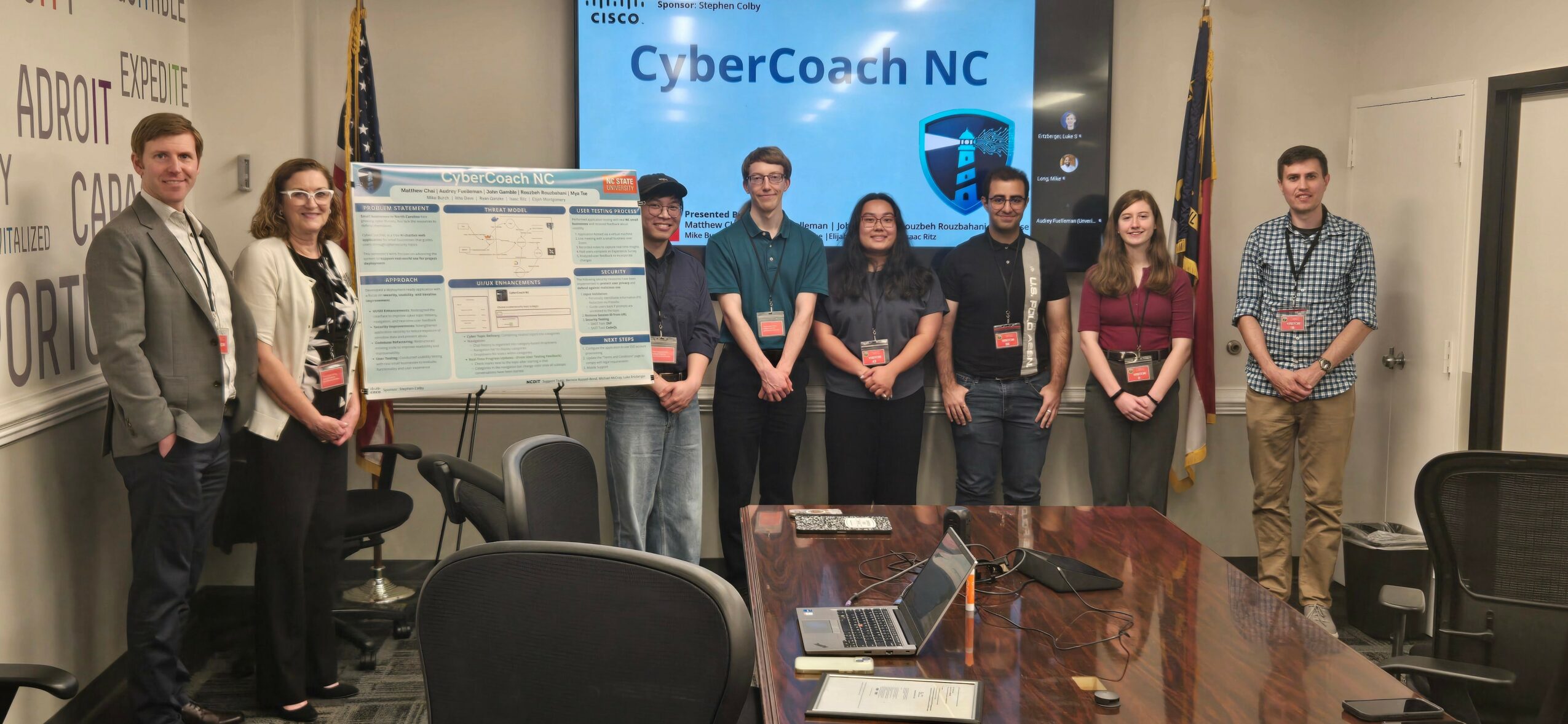
What I’m most proud of: My students in CSC 595 and CSC 472, the Cybersecurity Practicum (Capstone) courses – and an engineer from Cisco (Stephen Colby) – developed an AI chatbot to help small businesses in NC develop a basic cybersecurity program. The name of the chatbot is CyberCoach NC, and the students have presented the tool to the Secretary of State, Elaine Marshall, and the State Chief Information Security Officer, Bernice Russell-Bond. The NC Department of Information Technology and the Secretary of State’s office plan to roll the tool out in October of this year since October is Cybersecurity Awareness Month. I am so proud of my students and grateful to Cisco for their support of the project. It has the potential to transform the cybersecurity landscape in North Carolina.
What matters most to you? Why?
National Security. It is what fuels the passion to keep me going every day. Being in cybersecurity is tough – it’s exhausting and can even be depressing. If I weren’t committed to national security, I wouldn’t be able to stay in this industry.
Despite all the things we’ve done wrong in this country, the grand experiment that is the United States of America is worth preserving. Over 150 countries have modeled their constitutions after ours, so we must be doing something right.
This country is seen as a beacon of hope and freedom to millions of people across the world, and we simply cannot let our adversaries take that from us.
In 2025 over 9 million residents of North Carolina were impacted by data breaches or online scams. Every breach – no matter how small – is a dent in the armor of this country.
Protecting this country from our adversaries is what fuels the passion to keep me going every day. It is how I serve my country.
Contact Info:
- Website: https://sci.ncsu.edu/ | https://www.nc-pace.org/ | https://communitydevelopment.ces.ncsu.edu/local-economic-development-programs/agdefenders-coalition/
- LinkedIn: https://www.linkedin.com/in/lauradrodgers/