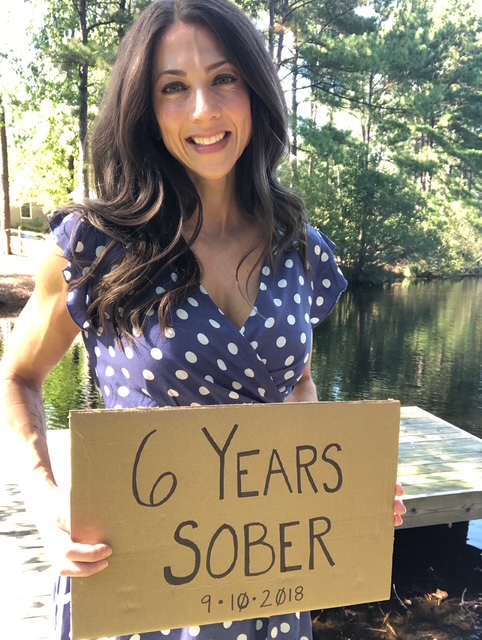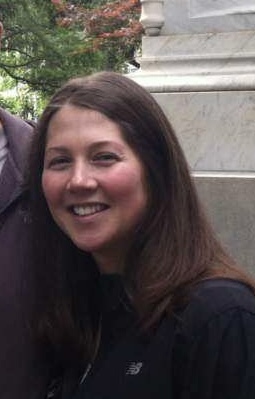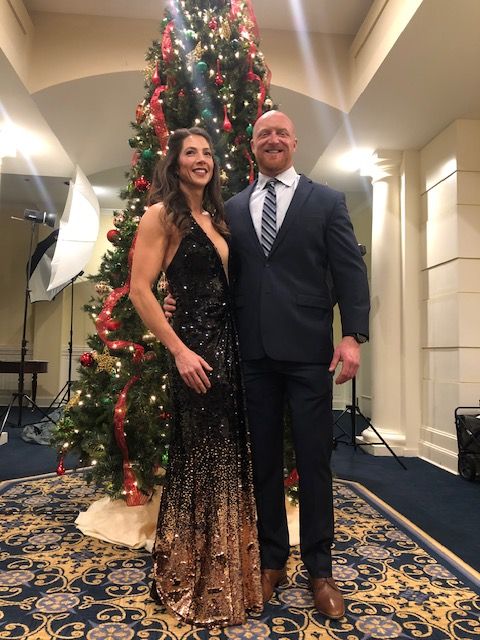




Today we’d like to introduce you to Madeline Smith.
Hi Madeline, thanks for sharing your story with us. To start, maybe you can tell our readers some of your backstory.
I was born and raised in Vermont, where I was an athletic kid who took school seriously. I graduated near the top of my class, played sports year-round, and was even crowned Cotillion Queen my senior year.
On paper, I had it all together. If you’d asked my classmates back then, I doubt a single one would have guessed that I’d later battle a life-threatening addiction. Behind the scenes, I was deeply depressed and silently struggling with an eating disorder—my attempt to cope with the chaos of a household shaped by alcohol. Eventually, my disorder lost its grip as a coping mechanism, and by the time I went to college, I was mentally and physically exhausted.
In college, I was reintroduced to alcohol. It wasn’t until my 21st birthday that I began to truly lean on it as a crutch. That summer, I was arrested for Driving Under the Influence. I chalked it up to being severely underweight and filed it away in the back of my mind. At the time, I worked in the service industry, where drinking was normalized—almost expected. My habits didn’t feel abnormal because they mirrored those around me. But when I transitioned into management, I started to recognize that my drinking was different. I had moments of concern that I might be an alcoholic. I made several attempts to cut back or quit altogether, but I couldn’t go more than a week or so without slipping.
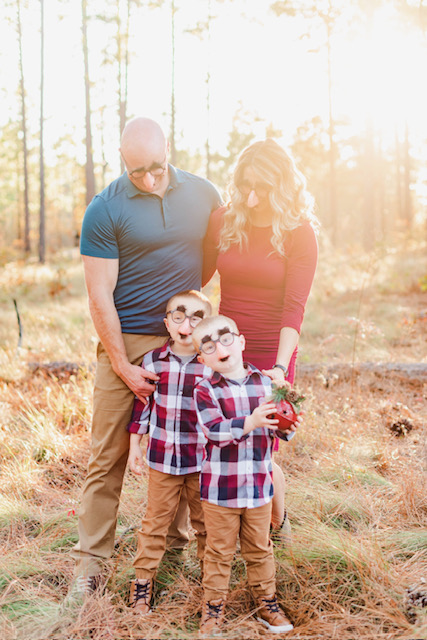
In 2011, I began dating my now-husband—the father of our two amazing boys. We grew up together in our small town of Springfield, Vermont, and first met in Mrs. Malick’s third-grade class. At the time, Brendan was stationed at Hunter Army Airfield in Savannah, GA, while I was still in Vermont working as the Assistant Manager at Harpoon Brewery. That’s where my drinking really spiraled. So when he asked me to move to Georgia, I jumped at the opportunity—not just because I was in love, but because I truly believed a change of scenery and career would fix my relationship with alcohol. Spoiler: it didn’t.
In Savannah, I was immersed in a drinking culture—both on River Street and among a young military crowd that partied hard. In comparison, my drinking didn’t look extreme, which gave me false reassurance that I didn’t have a problem.
After we got married and decided to start a family, I was able to abstain from alcohol during pregnancy and became a master of the “pump and dump” routine once our first son arrived. But nothing could have prepared me for the severe postpartum depression that followed—or the emotional toll of having a partner constantly training, deployed, or away on duty. I felt isolated, overwhelmed, and terrified. Still, I stayed silent. As a military spouse, I believed I had to be strong, and I often felt like my pain didn’t compare to what my husband was facing. But I was drowning. I experienced debilitating anxiety attacks, intrusive thoughts, and even suicidal ideation. I finally sought help from a medical professional and was honest about my alcohol use. I was prescribed Zoloft. The message I received—once again—was that my drinking couldn’t be that bad, or they would have told me to stop.
Eventually, I became pregnant with our second child. Again, I was able to abstain during pregnancy, then returned to drinking while breastfeeding, balancing it with the same calculated “pump and dump” routine. But this time, the postpartum depression was worse. I had become emotionally and physically dependent on alcohol. I felt like I couldn’t survive without it.
In 2018, we moved to Whispering Pines, NC, for my husband’s military career. I believed—once again—that a location change would be the cure. And in some ways, it was… just not in the way I expected. My drinking had gotten so bad that my husband reached his breaking point. I had become a different person—angry, aggressive, and unrecognizable. I had lost pride in my appearance, avoided mirrors, and isolated myself. Finally, I was faced with an ultimatum: “It’s either us—the kids and me—or the alcohol.” That choice was painful, but the love I have for my family runs deeper than any bottle ever could.
I started therapy weekly. I tried to quit again. And again, I failed. I entered a 30-day Intensive Outpatient Program (IOP) and managed to stay sober just shy of a month. When I relapsed, my husband sent our children back to Vermont to stay with my sister and gave me a firm condition: check into behavioral health and complete a 30-day inpatient rehab program.
That decision saved my life.
After completing the program, I began attending Alcoholics Anonymous. Once I reached 60 days sober, my children came home. In the beginning, I thought sobriety was the end goal—but I quickly realized it was only the beginning. What came next was a full-blown rebirth.
To say sobriety gave me my life back is a gross understatement. Sobriety gave me everything—clarity, peace, presence, and purpose. I now live with a cup that’s always half full. I face life with love, optimism, and strength I never thought I had. Every day, I honor the version of myself who clawed her way out of the darkest place imaginable.
I am still here. I am sober. And I am just getting started.
Would you say it’s been a smooth road, and if not what are some of the biggest challenges you’ve faced along the way?
Over the past 6.5 years of my sobriety journey, it’s been anything but smooth sailing. I’m a mother to two young boys—which, in itself, comes with natural highs and lows. During my first year of sobriety, we learned that my oldest son had hearing loss, which required hearing aids and speech therapy. In hindsight, the struggle was harder on me than it was on him. Like any parent, I feared how his differences might affect his self-esteem or make him a target for bullying. I was afraid of the unknown.
But what I didn’t anticipate was how profoundly his experience would shape my perspective. I witnessed firsthand how our differences mold us into the incredible individuals we’re meant to become. As a parent, I realized my job wasn’t to protect him from every hardship—but to help him build confidence and be his safe place when he needs reassurance.
At my one-year sober anniversary, I found myself wrestling internally with my place in the Alcoholics Anonymous community. It wasn’t that I didn’t believe in the message—I absolutely did. I owe so much of my early recovery to AA. Without their support, wisdom, and compassion, I would never have believed a full, sober life was possible. But I felt like I needed something more.
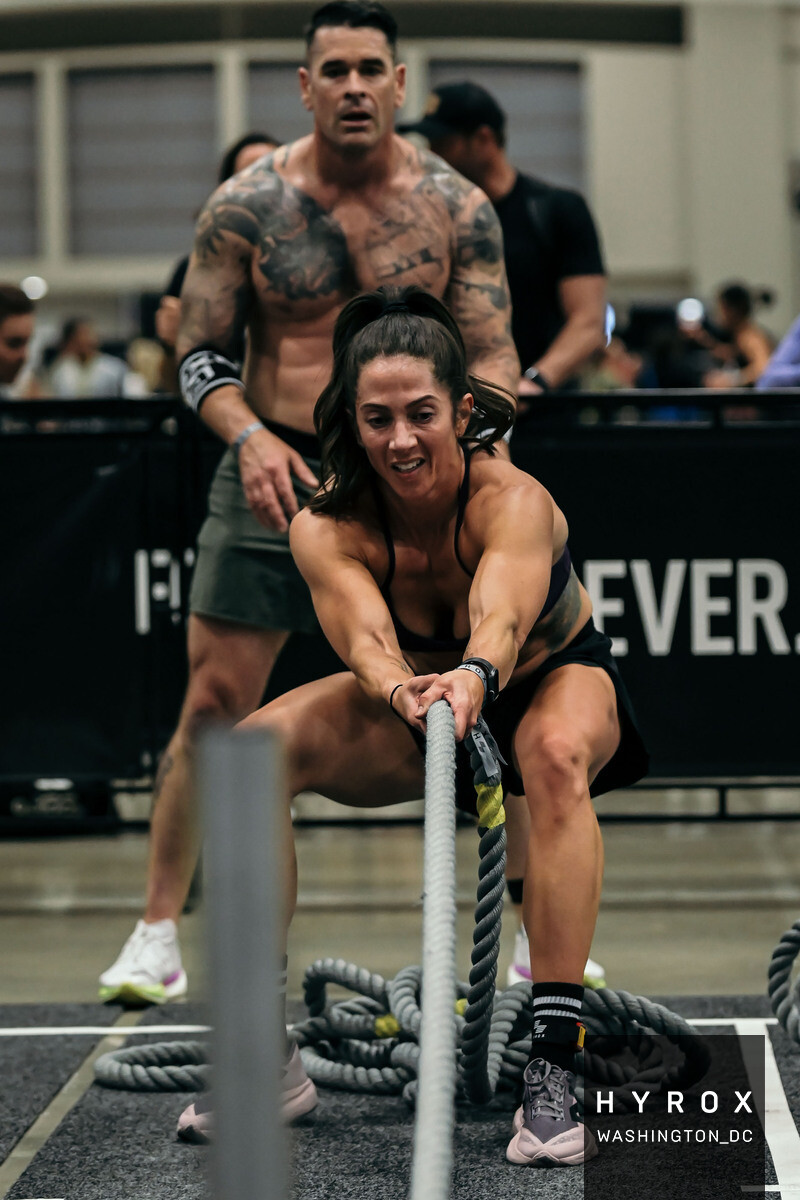
On a whim, I joined a local CrossFit gym—and that’s where I truly began to find myself. Through fitness, therapy, and nutrition, I started to heal. I still keep a foot in the door of AA because I know that if I ever find myself in crisis, someone from that community will show up for me. That’s the kind of people they are.
Around 90 days into sobriety, I enrolled at Sandhills Community College to study Civil Engineering Technologies. Years earlier, I’d studied Architecture and Design at the University of Massachusetts, but left due to my struggles with an eating disorder. I never went back to complete my degree, so I thought the Engineering program would be a natural continuation.
I completed two semesters before COVID hit in spring 2020. I managed to finish that term online, but by fall of 2021, life threw us another curveball. My husband—who had returned home from duty—suffered a severe knee injury. After surgery, we realized something was very wrong. Within 24 hours, we were back at Duke for emergency exploratory surgery, where doctors discovered significant nerve damage—possibly caused by a surgical tool being left in too long or sutures placed incorrectly.
That moment marked the beginning of an incredibly stressful chapter. We faced the possibility of a medical discharge, a complete change in his quality of life, and a desperate pursuit to recover what we could. I declined a scholarship, withdrew from school, and focused entirely on supporting my husband and caring for our family.
After a year filled with physical therapy, experimental treatment in Arizona, and constant trips to Johns Hopkins, my husband regained nerve function—but couldn’t return to his original military role. During that time, I launched my own business in the STEM field, depicting AutoCAD drawn residential floor plans for real estate marketing. I’ve been self-employed now for over three years.
In July 2024, my husband left for Texas to begin an intensive 16-month military Physician Assistant program. We made the decision for the boys and me to stay in Whispering Pines while he completed the course. Since then, I’ve been running my business, solo parenting, staying sober, and using my platform on Instagram to be a positive, authentic, and creative sober influence.
Thanks for sharing that. So, maybe next you can tell us a bit more about your work?
In 2022, I started my own business, building on the skills I developed through my studies in Architecture and Engineering. I create AutoCAD-drawn residential floor plans that showcase a home’s layout and help estimate square footage for real estate marketing purposes.
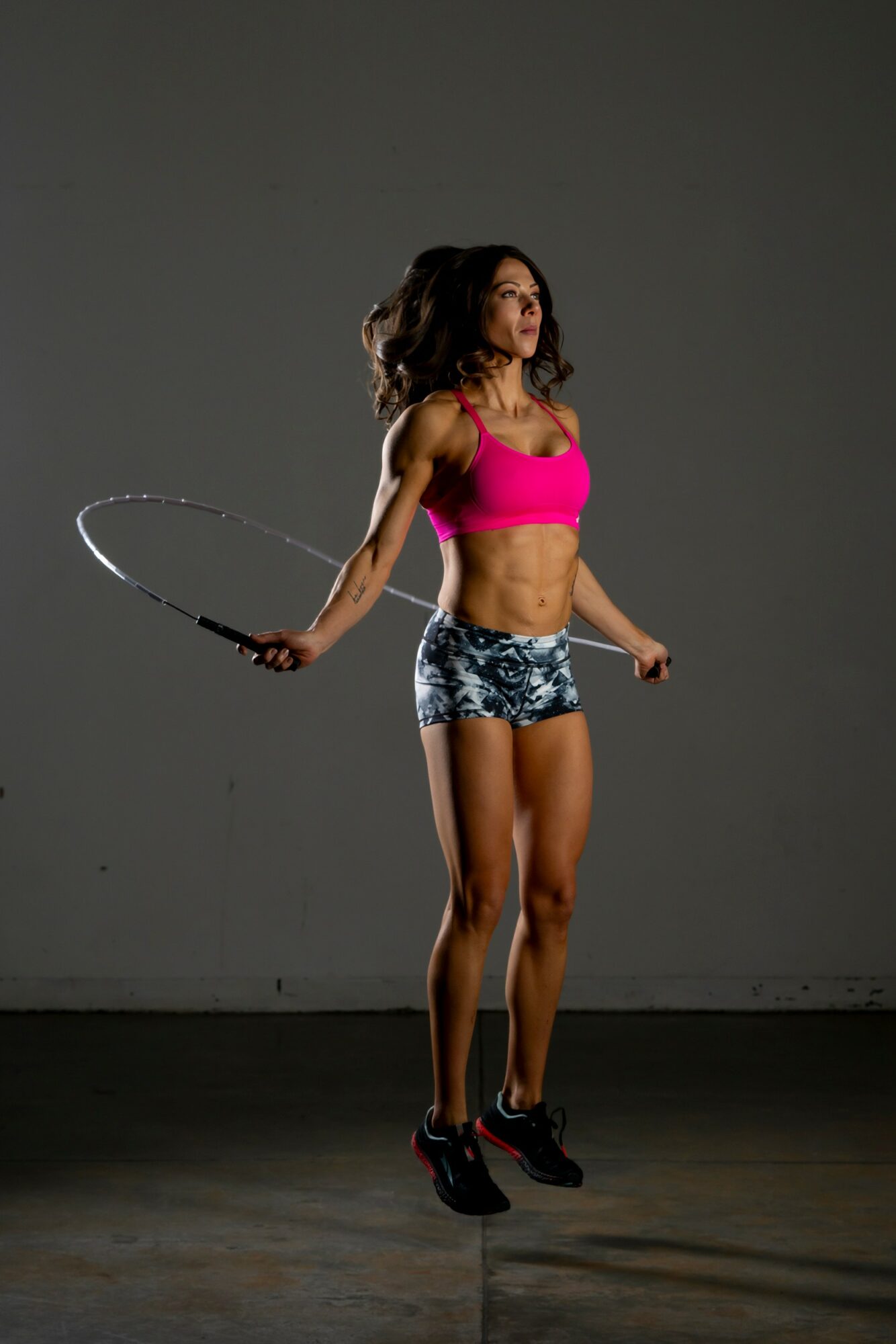
In 2023, I launched an Instagram platform, @swolesober, as a way to connect with others in recovery, offer support, and help break the stigma surrounding Substance Use Disorder and sobriety. While many in our small community have been kind and open-minded, I’ve also encountered those who view addiction as a moral failing. That’s why I decided that if anyone was going to tell my story, it should be me. I knew I might not change their minds—but at the very least, they’d be armed with the truth instead of whispers and speculation.
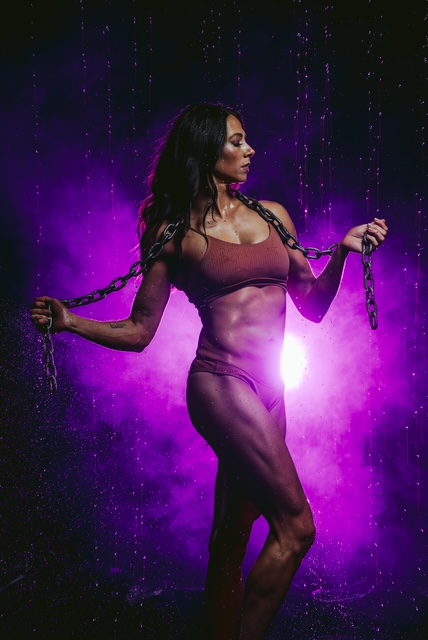
To dive into the world of social media, I decided to enter the Muscle & Fitness Cover Competition. It felt like a bold way to launch my advocacy platform, so I went all in and partnered with a local nonprofit, Shield and Stripes. The competition came with a $20,000 prize, but I knew from the start that if I won, I would donate the money. Though my family could have used the funds, I felt others needed it more. If I could help return another parent to their children the way sobriety returned me to mine, then my struggle would not have been in vain.
I made it to the semifinals that year but didn’t win. In 2024, I competed again—this time supporting the national nonprofit Shatterproof. Once again, I performed well but didn’t take the top spot. I plan to compete again in 2025 with Shield and Stripes.
Creating @swolesober has been one of the most powerful recovery tools I never knew I needed. I’ve connected with so many incredible people in the fitness and recovery communities and truly feel like I’m making a meaningful impact. Recovery thrives in community—and long-term recovery is sustained by helping others. By supporting others, I continue to support myself.
There are days I feel like I have nothing left to give, when I’m worn thin or doubting my strength—but it’s the kindness and encouragement from my online community that pulls me through. I’m deeply grateful for that. I don’t feel pressure to chase followers or compete with flashy influencers—because the people who follow me are real, grounded, and supportive. And that’s everything.
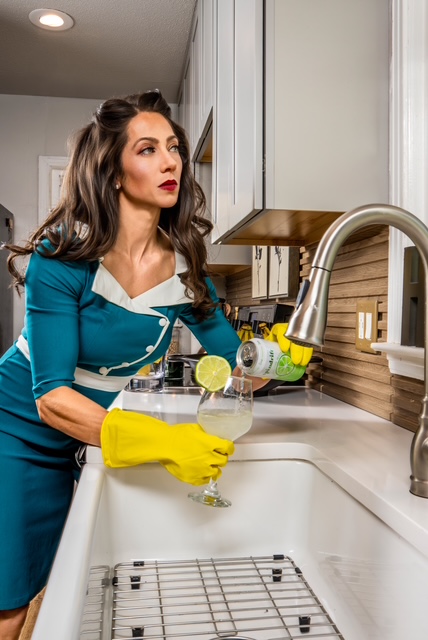
Through my fitness modeling endeavors, I formed a meaningful friendship with local wedding, dance, and fitness photographer Chris Nieto of Nieto Photography, and his assistant, Dani Nowell. Their constant support, encouragement, and kindness have played a huge role in helping me maintain both professional and authentic content. They’ve been in my corner since day one, and I’m incredibly grateful for them.
Of everything I’ve accomplished, I’m most proud of being a mother. Every hardship I’ve faced in recovery has been worth it because I’ve held myself accountable and committed to becoming the best version of myself—because that’s what my children deserve.
I will never be the kind of parent who jokes that her kids “drive her to drink” or claims she “needs a drink” to handle the stress of parenting. For me, it’s the opposite. I know what it feels like to grow up in a home where that message was projected onto a child—and I know how heavy that burden can be.
I work every single day to show up for my kids, not just physically, but emotionally and mentally. They are a big part of why I don’t drink. When we know better, we have a responsibility to do better.
Our family story is changing—because I was brave enough to break the cycle and start healing the wounds of generational trauma.
We’d love to hear about any fond memories you have from when you were growing up?
Growing up, my household was emotionally chaotic, and I often felt like I had to walk on eggshells. I never felt safe enough to let my guard down, and when I was struggling, my feelings were frequently dismissed with phrases like, “You’ll figure it out—you always do,” or, “Well, at least you’re giving someone else a break.”
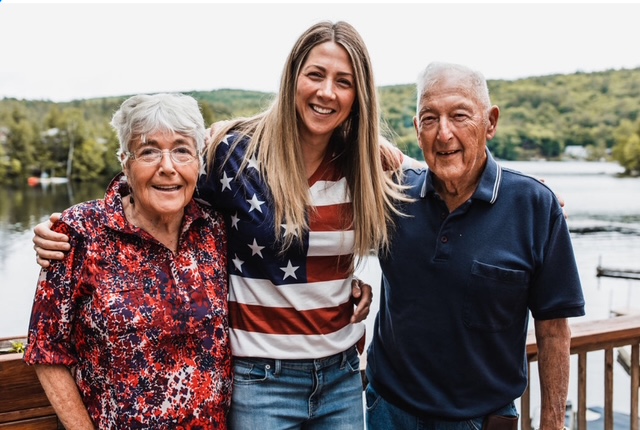
But my safety net—my true place of comfort—was always with my grandparents, Beverly and Louie. They spent summers on a lake in Tyson, Vermont, and I spent every moment I could there. We filled our days with swimming, water skiing, exploring, and soaking up the sun.
My grandmother had a way of making the simplest moments magical—burnt toast in the mornings, popcorn in the afternoons, and long evenings curled up together with a book she’d found at a yard sale. We’d sit in a hunter-orange swivel chair in the corner of the camp, and she’d hold me close while I read to her. I struggled with reading aloud, but she was endlessly patient. When others tried to rush me, she stood up for me in the way only a grandmother could.
She was the one person who could slow me down and truly listen. Her love—and my grandfather’s—grounded me. Without them, I don’t know who I would have become. Everything good in me comes from them.
Contact Info:
- Instagram: @swolesober
- Youtube: https://www.youtube.com/@swolesober