




Today we’d like to introduce you to Michelle Bruno.
Alright, so thank you so much for sharing your story and insight with our readers. To kick things off, can you tell us a bit about how you got started?
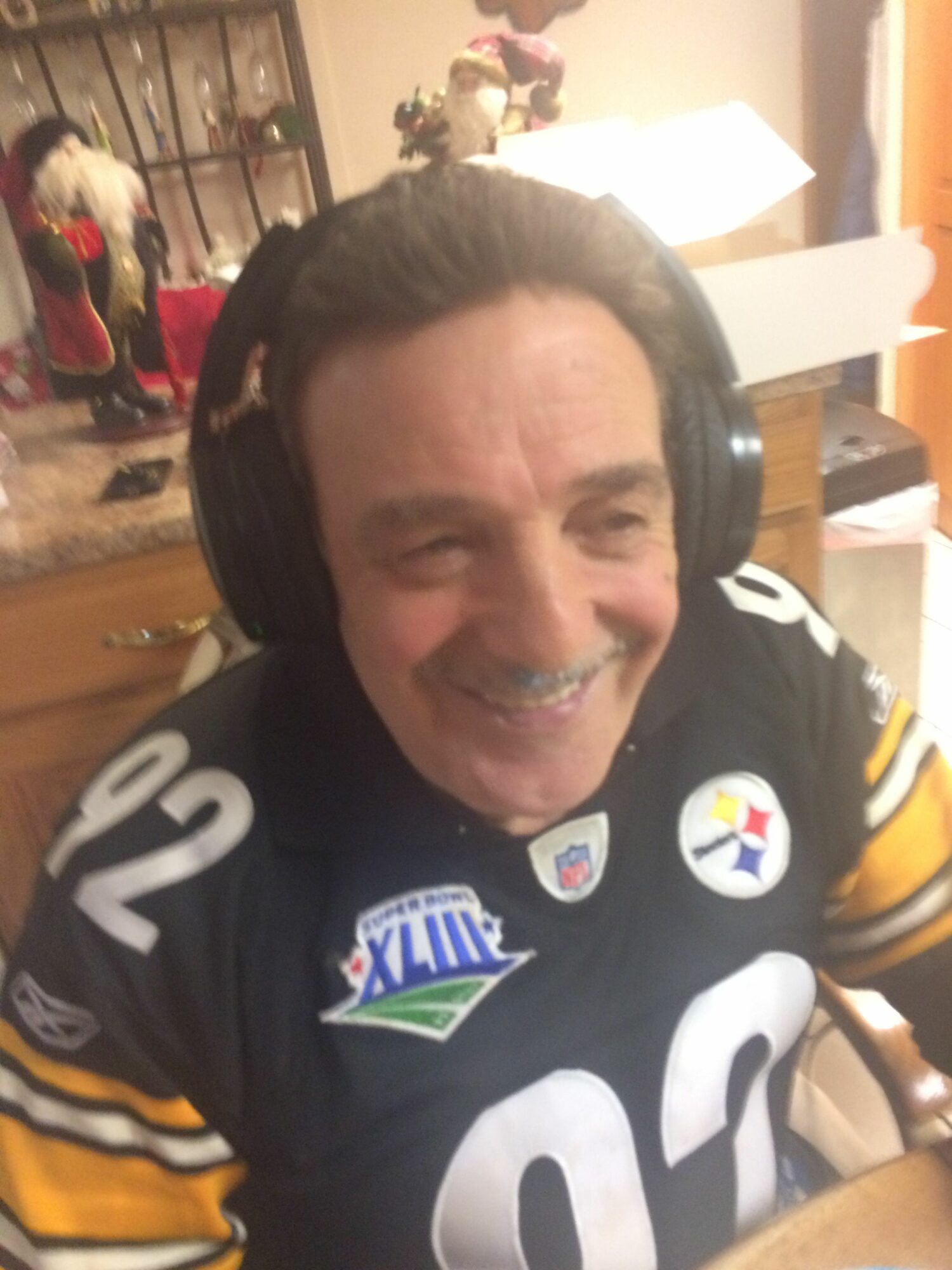
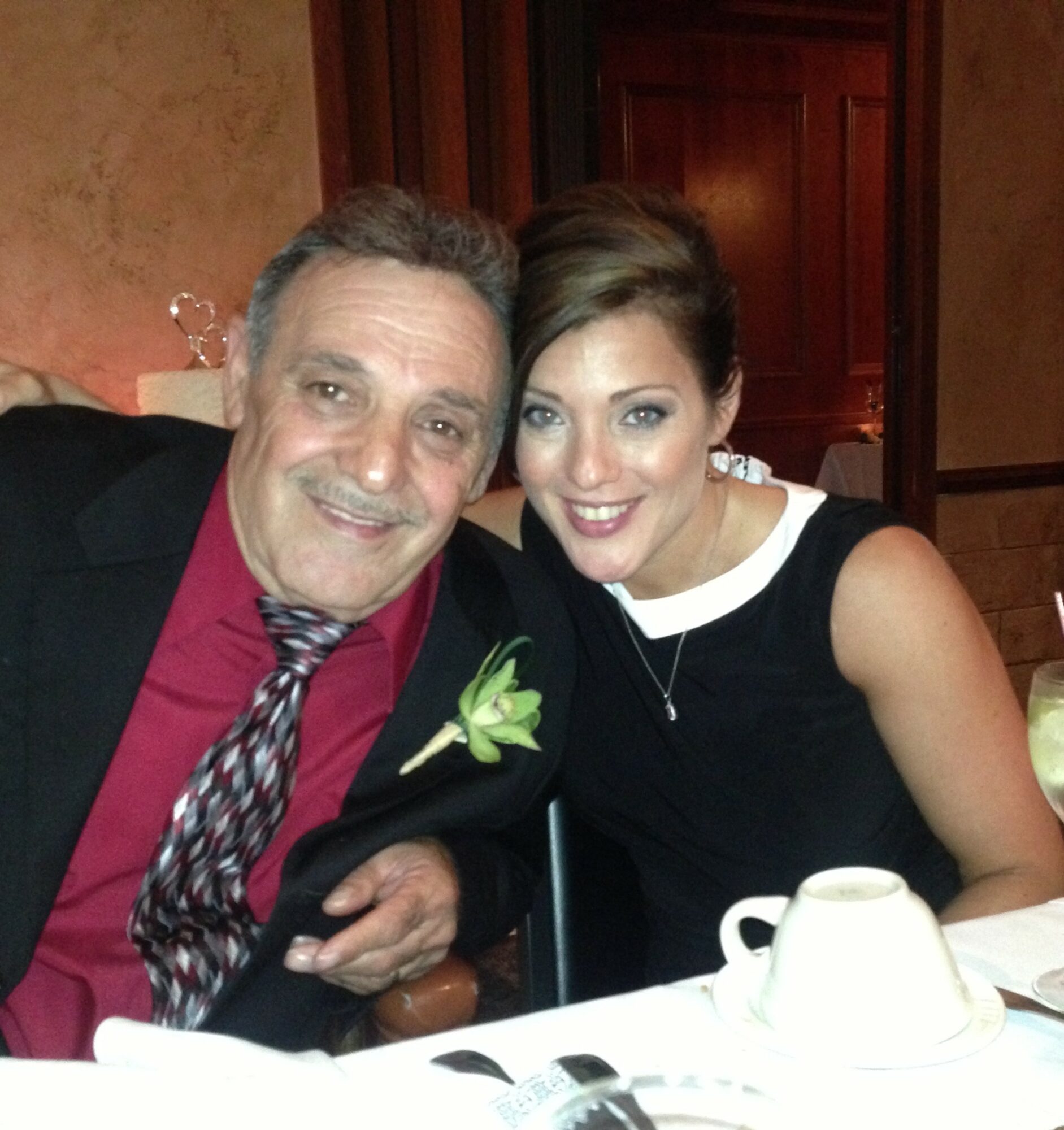
I am a native Pittsburgher and first generation college student. As a kid, I watched my dad coach our neighborhood softball team. Despite having two left feet, I declared to my dad that I wanted to be the shortstop of our team. He told me that it would be really hard and that I would have to practice every day and learn to keep going even it was frustrating. He was right. When I reflect back on my early life, I am aware that I learned a hard lesson about the impact of others can have on self-esteem. From my dad, he knew I was not a natural athlete, and was honest with me about the challenges I would need to overcome to have a chance of success. He was authentic but kind and also provided me with the support I needed to approach this goal. When I was 10 years old (and the shortstop), something incredible happened. I made a triple play and helped my team win a playoff game. I was elated and so proud of myself for helping my team win. After the game, our team came to our house for a pool party. The assistant coach of our team took me aside when I entered the backyard in my swimsuit. He said I had surprised him that day. I beamed. He then said, “no, it was not the play you made. It was that you moved pretty fast for being such a fatty”. Up until that day, I had never really thought about my weight or body in any negative way. His words shook me and utterly changed me. It took until my sophomore year of college before I began to feel comfortable in my own skin again.
I am sharing this story because it reflects the values and experiences that have become my life’s work. I went to a women’s college where I started on our softball team, formed strong female friendships, and studied psychology. Following college, I took time off to gain research skills and then began a master’s and doctorate program in Counselor Education and Supervision. During that time, I had a very negative experience with a male advisor whose words and criticisms enhanced the imposterism I was already feeling as a graduate student and first generation college student. It took longer than I hoped, but this time I found my voice and asserted myself to this person who held a lot of power over me.
I graduated from Ohio State with my degrees and began a teaching career at Indiana University of Pennsylvania. I spent 15 years becoming a faculty member and mentor dedicated to providing positive learning experiences for my students. I led with authenticity and prioritized relationship building in my classroom. I used what my dad taught me and held high standards for my students, offered honest balanced feedback, and provided support to help them experience themselves as successful. I drew on my work ethic and leaned on my support systems and achieved tenure and promotion. I was a full professor before I turned 40. I still see that advisor at conferences. I hold my head high, look him in the eye, and know that while his IQ is much higher than mine, that I made a positive difference in the lives of students and my emotionally intelligence is a gift that I use intentionally.
I taught for 16 years at IUP and have so many positive memories of interactions with students that bring me joy. I loved the collegial feel of working with doctoral students and the rewarding experience when they worked to meet their academic and clinical goals. When COVID hit and classes moved online, I had previously worked part time in a colleague’s private practice, and found myself pulled to focus more on clinical work. I opened my own small private practice and began seeing clients via telehealth. I also completed a certification on Mindfulness and took additional graduate courses to be trained in working with athletes.
I used my training, empathy, and clinical skills to help clients navigate body image issues, self esteem struggles, as well as mental health challenges such as anxiety, ADHD, depression, and OCD.
In 2022, I happened on a position at North Carolina State University that focused on sports counseling. I was intrigued and decided to apply. While that position did not end up being the right fit, it led me to a leadership position in the Counseling Center that involved running a training program for early career clinicians and getting to work directly providing counseling services for college students.
The decision to leave teaching (2022) as a full professor with tenure was one of the most significant of my life. I was taking a substantial reduction in salary, leaving the place I had spent the majority of my life, learning a new position, and moving to a place I had never even visited. Welcome back imposterism.
Can you talk to us a bit about the challenges and lessons you’ve learned along the way. Looking back would you say it’s been easy or smooth in retrospect?
In addition to the difficult experiences shared above, I have faced some significant obstacles during my journey. I got married the summer before my doctoral coursework began. During the first year of marriage, my husband was unemployed and experienced a depressive episode. I was working two part time jobs and attending graduate school full-time. It was during this time that I began to realize that my husband had an addiction to alcohol. It was very difficult to be training as a mental health professional and feeling unsuccessful at helping him make a change. Alcoholism can be steeped in secrecy-at first his hiding it from me, and then me hiding it from everyone else. It was an incredibly lonely and challenging experience. Once I graduated from OSU and started teaching, I immersed myself into my career. It was how I coped. I devoted as much time and energy as I could into being an effective teacher and mentor. I kept the secret of his alcoholism for 9 years. My keeping this information to myself was not only exhausting, but it violated my need for authenticity in a way that I cannot even express. After filing for divorce, things began to unravel. He sued me for spousal support, which resulted in my having to file for bankruptcy. His alcoholism changed him in every way imaginable to the point that he was unrecognizable. We shared a dog, and one July weekend it was my turn to have Bailey. When I arrived at the house, I found my soon to be ex-husband seizing after what I soon learned was a suicide attempt. My family and I spent the next year trying to help him as best we could. Almost a year to the day, he died from his alcoholism. Two years later, my father died suddenly and my world was upended. Bailey had survived an amputation from cancer. I believe in my heart that she fought to be present for me during this tremendous loss. We had say goodbye 3 months later.
These experiences were life changing and while there have been other obstacles, all pale in comparison to these losses.
Alright, so let’s switch gears a bit and talk business. What should we know about your work?
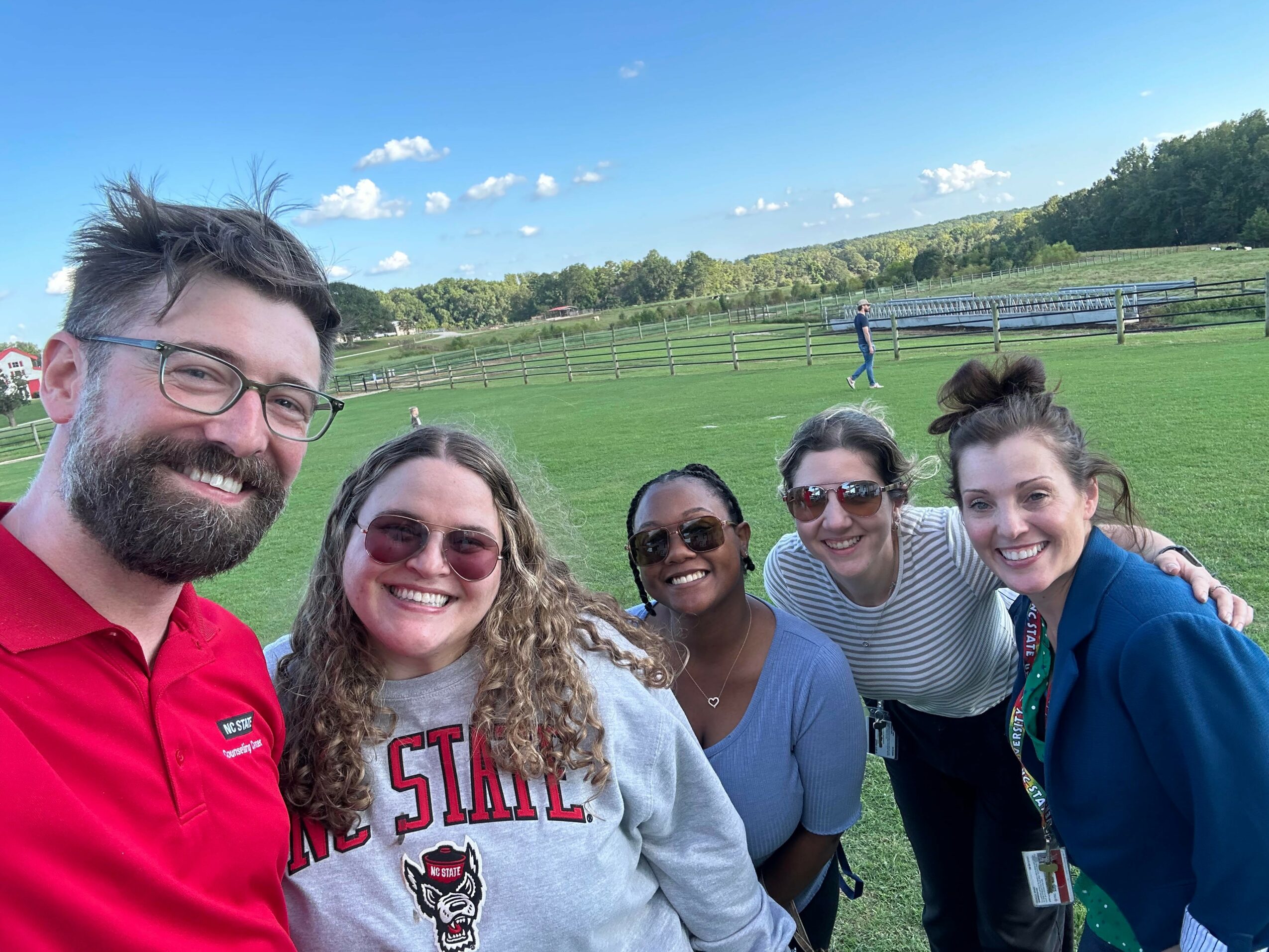
I have been in my position as the Assistant Director of Training at the NC State Counseling Center for about 3.5 years. I have built tremendous relationships with the early career clinicians on my team, and feel a strong sense of gratitude to co-lead a group with doctoral students working to complete their dissertations and individual clients with a variety of presenting issues. I have developed and provided training to supervisors, clinicians, and students on Imposterism. I lead with authenticity and am devoted to helping those I work with see their value, learn to own their strengths, and engage in self-care to prevent burnout.
I continue to provide training in the community, present at academic conferences, partner with like minded agencies like Case Specific Nutrition, to help build health (mental and physical) and empower clients to harness their agency. I still see clients using Acceptance and Commitment Therapy in my private practice and am licensed in both Pennsylvania and North Carolina. I love providing clinical supervision to pre-licensed clinicians and getting to be part of their professional journey in this critical work.
I am most proud of my resilience. I have been intentional in processing my experiences and using a growth mindset to take something away from the challenges that inevitably arise. I think what sets me me apart is that I do a lot of work behind the scenes of my work. I am probably not what most people would conjure when thinking of a leader.
How do you think about luck?
I am not sure what led me to search for job openings the day I found the athletics opening at NC State, but I am so lucky that I did. Luck played a role when months later, the search chair of that committee reached out to me to share that she thought I would be a strong fit for a position of leadership in the counseling center where I could still work with athletes and use my other skills as well. The decision to leave the familiar and secure life I had established was brave. I think it helped me reconnect with the internal scrappy kid who saw what I wanted and went for it. When uncertainty creeps in, I channel my dad and his loving caring self assured mannerisms, and I remember that hard work, tenacity, and support can be be superpowers.
Contact Info:
- Website: https://counseling.dasa.ncsu.edu/people/michelle-bruno/
- LinkedIn: https://www.linkedin.com/in/michelle-bruno-401b89286/