



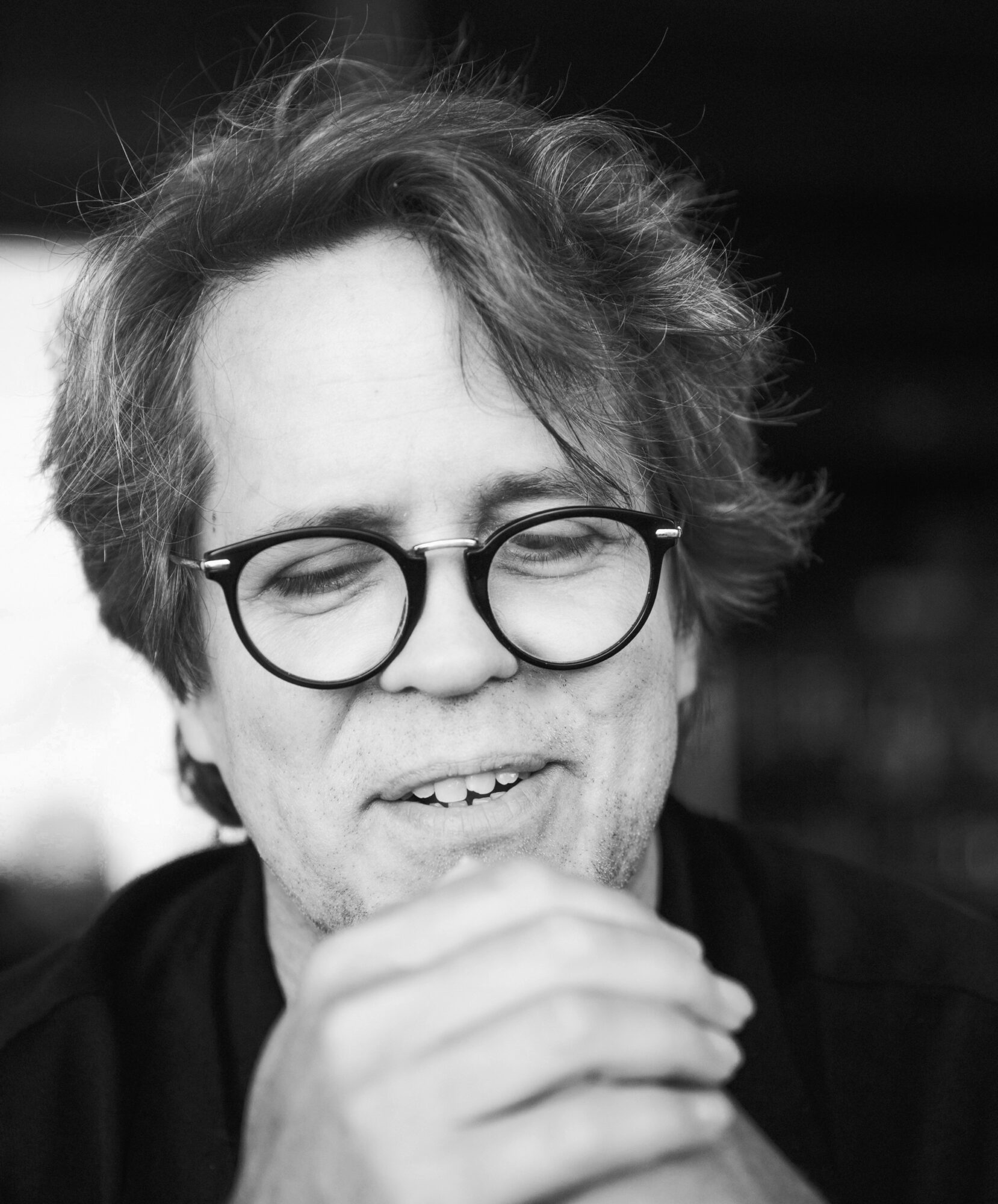
Today we’d like to introduce you to Ricky Garni.
Hi Ricky, so excited to have you with us today. What can you tell us about your story?
I was born in 1957 and raised in Miami, Florida, watching old Humphrey Bogart movies, reading liquor & tire & and joyful cigarette ads from LIFE magazines from the 40’s, drinking Sunkist soda, eating Shake-a-Puddins’ and popping wheelies on my day-glow lemon Sears’ Gremlin – some of which were modern at the time, and all of which are more ghostly now – all of which were pure and eternal kid stuff then.
In the late 50’s/early 60’s, my father had converted a downstairs bathroom to a make-shift darkroom, with reels of negatives hanging from the shower curtains and contact sheets and prints hanging by clothes pins on the line or on towels on the deep freeze. The final prints would eventually end up soldered by glue in gargantuan scrapbooks stored in closets and bookshelves too high for me to climb.
I loved spending hours with him developing and printing film. Looking back, my interest was primarily in the process of film, and its magic – watching a blank sheet slowly evolving into something I knew and often had witnessed (now in a handsome, soft, black and white) rather than rather than the content of the image itself. I preferred hanging out and dipping paper into developers to actually taking photographs – with the exception of the Polaroid Swinger, which, in the 60’s, was hard not to love – since this $19 swingin’ 60’s camera allowed you to see the process faster than a darkroom, flawed and beautiful, in broad daylight, requiring the photographer to seal with deal with an alien perfumed stick of pink finisher, that fixed the photo for what would turn out to be a surprisingly long time.
My love of this form of developing and Polaroids probably explains why my favorite parts of old films like Dr. Jekyll and Mr Hyde were the man changing into the monster rather than the terrible adventures of the monster; or the hyper-speed evolution of the store front mannequin fashions in The Time Machine, rather than the later travels into an unknown future. My love of photography itself was kickstarted by a passion for old magazines and films, oddities and antiques of any measure, form or design.
Still, I slipped away from photography as a teenager and (like a teenager) became more involved in music and writing. And for a long time, my primary professions (as a teacher or sound engineer or wine merchant) didn’t really lend themselves to photography – until I began work as a graphic designer in 2000 for a fine wine company based in Raleigh in 2000.
The degree to which I used photography with my job even then was limited; I primarily focused on Adobe InDesign & Illustrator for print and web work. At the same time, I recognized that the greatest joy I experienced was applying my design to photographs I had taken, and how, unlike my childhood years (and in good part due to digital advances) my passion and evolved from the process to the result – the print – the contained object and its content and style. I began to see the photograph as most photographers do: a document worthy of historical preservation, no matter how fleeting, grand or small, capturing in amber the moment it chanced upon. And perhaps, honestly, for me, the draw was as much one of nostalgia that I imagined in the future as preservation of a given moment in time.
Still, my focus was not fully trained on photography until 2020, when, like so many others, I lost my job due to COVID. As a designer who trafficked primarily in restaurant work and related events, by May of 2020 there was virtually no work available, and I was able (with some trepidation) to channel all my energies into photography – first by getting up to speed with what was an absolutely golden age of cameras and lenses, as well as refining my skills with the camera, with light, with motion, and working with strangers in an enterprise that requires the ability to be candid, revealing, and often – and for me at best – goofy.
This isolation was the absolute best time to develop new skills – the streets were empty, occasional passersby longed for connection, and both gasoline and car rentals were cheap. I was able, during those first years of lock downs and masks, to travel as far as a day’s travel might take me, and have, as of this date, documented over one hundred towns and cities in North Carolina, with a smattering of Georgia, South Carolina, Virginia, New York, California and on one lucky occasion, the South of France, many trips of which I did as I slowly refined my skill set while fine tuning what I really wanted to do with the camera. As commercial work began to resurface, I was lucky enough to be hired as a house photographer for a progressive art gallery (Horse & Buggy Press – so called as they started out with letterpress book design) which increased my affection for event photography.
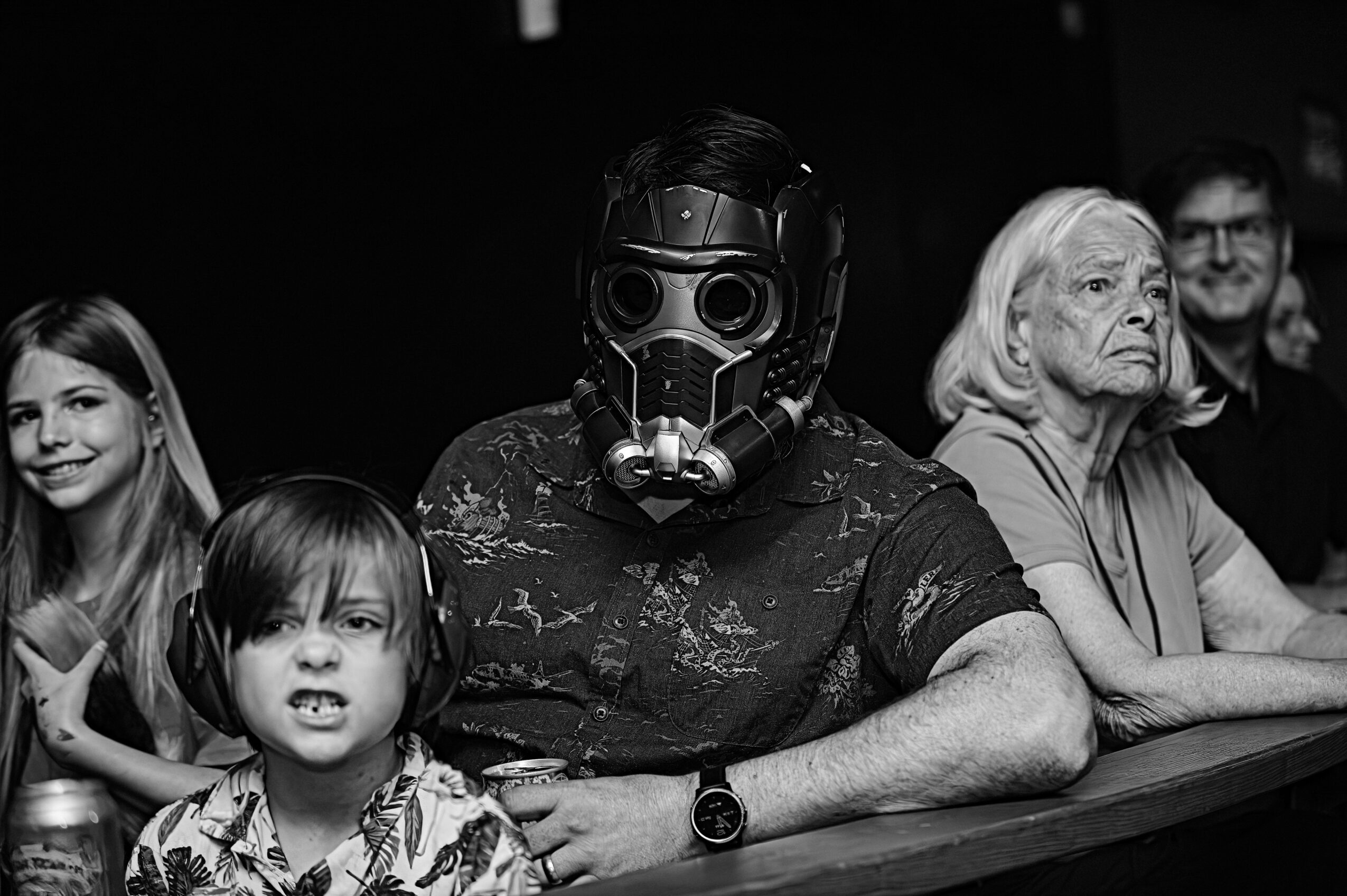
Since those first days and over the last six years, I have been fortunate enough (and very pleased) to photograph everything from Lumbee Tribe birthday celebrations to NC Polka Time All Stars, Serbian Baptisms to orchestral concerts and teenage rock marathons, art openings, Speedo Olympic hopefuls, The NC Wildlife Federation and Head For The Cure Cancer Research runs, the Full Frame Film Festival, Life Edit Therapeutics, dancing astronauts, death metal bands, Harley riders, White Truffle Farms and their doggies as well as several 50 year high school reunions (loving the fact that I am photographing kids who, when they were last together, were living a life filled with Woodstock, moon landings, VW Microbuses and Tang!)
The joy of each day like this that you spend as a photographer requires a great discipline to not only be certain of lens choice, exposure and shutter speed, but to restrain yourself from putting down the camera and asking, for instance, what life was like to be a child in 1932, while photographing someone’s 102nd birthday.
And like most photographers, and one of the most soul-satisfying aspects of the work itself is the satisfaction of being able to use your skills for volunteer causes is immense – working with international organizations for disaster relief, fund-raising events for beloved (and uninsured) members of our community, Glioblastoma benefits and work for animal shelters allows me as with so many other photographers, videographers and creatives to end the day never really wondering why you do the work you do! I have been engaged in a number of professions over the last fifty years – some more satisfying than others – but nothing has ever given me the intensity of fulfillment as the work that I have been privileged to do as a guy with a camera. I will continue to do this work for as long as I can get from here to there in my beloved, ancient, Subaru, carrying a bag of magical toys and gizmos!
Would you say it’s been a smooth road, and if not what are some of the biggest challenges you’ve faced along the way?
Photography is one of the easiest professions to walk into, and yet, like any field that involves craftsmanship and/or artistry (and overhead), it can be very difficult to sustain a living by. It has been such a genuine pleasure for me, every day, and I have made practical adjustments to make it possible – living a simple lifestyle, curbing my enthusiasm for one more lens/one more camera (a work in progress), being at peace with an old car in the driveway but most importantly – recognizing the ebb and flow of freelance, as well as the needs of each individual client and recognizing that your work dictates that you satisfy or help to shape their expectations, while trying your best to satisfy your own as well. A corporate shoot may or may not want chiaroscuro lighting or cinematic noir effects – but it is your task to find out ahead of time, especially when that sort of work is what you love to do reflexively on your own!
If there is any challenge, and I suspect this might be universal (and something you often hear from actors as well) it’s dealing with the silence between projects. What has been of great use to me was an interview I read many years ago with Robert Lowell, the poet, who asked a young protégée how many hours he spent with poetry every day – the young man replied “an hour or two” – “That’s not enough,” Lowell replied, “A poet should be working eight to ten hours a day.” Lowell explained that poetry (like photography) is not merely the writing of poetry: it is the editing, refining, reading, researching, experiencing, note-taking, publishing, etc. You might put pen to paper for an hour or two, but it is, quite literally, a full time job – often with overtime hours.
Photography is much the same. A photo shoot might take an hour or two, or even six to eight – but for every hour you shoot, you can easily have ten hours of editing. And when you are not editing, sending off work, or responding to requests, there is the eternal matter of education, and refining of skills – understanding light, understanding the depth of possibilities with your camera or cameras and lenses – mastering skills that are easy to push in the corner, like photo stacking or exposure compensation. Even during downtime, it is an excellent idea to be surfing the internet for great photographers – their work, interviews or articles about their process, or even books in the library or at home – I am also a huge fan of documentaries, and recommend them for wisdom and insight into the work, process, and sometimes the pat on the back that we all need, quite more than occasionally.
When everything is working well, the work itself, and achieving satisfaction is still tough. The world moves faster than the 1/8000th of a second that the camera can record. At our best, we are missing most of what happens on planet earth. And so sometimes we have to reflect on what we see before us (particularly when we can go back far enough that we feel disassociated from the the person that produced it), sigh and just say: “You know what? This stuff is not bad.” He (or she) is OK.” Especially when that he or she – is you.
Appreciate you sharing that. What else should we know about what you do?
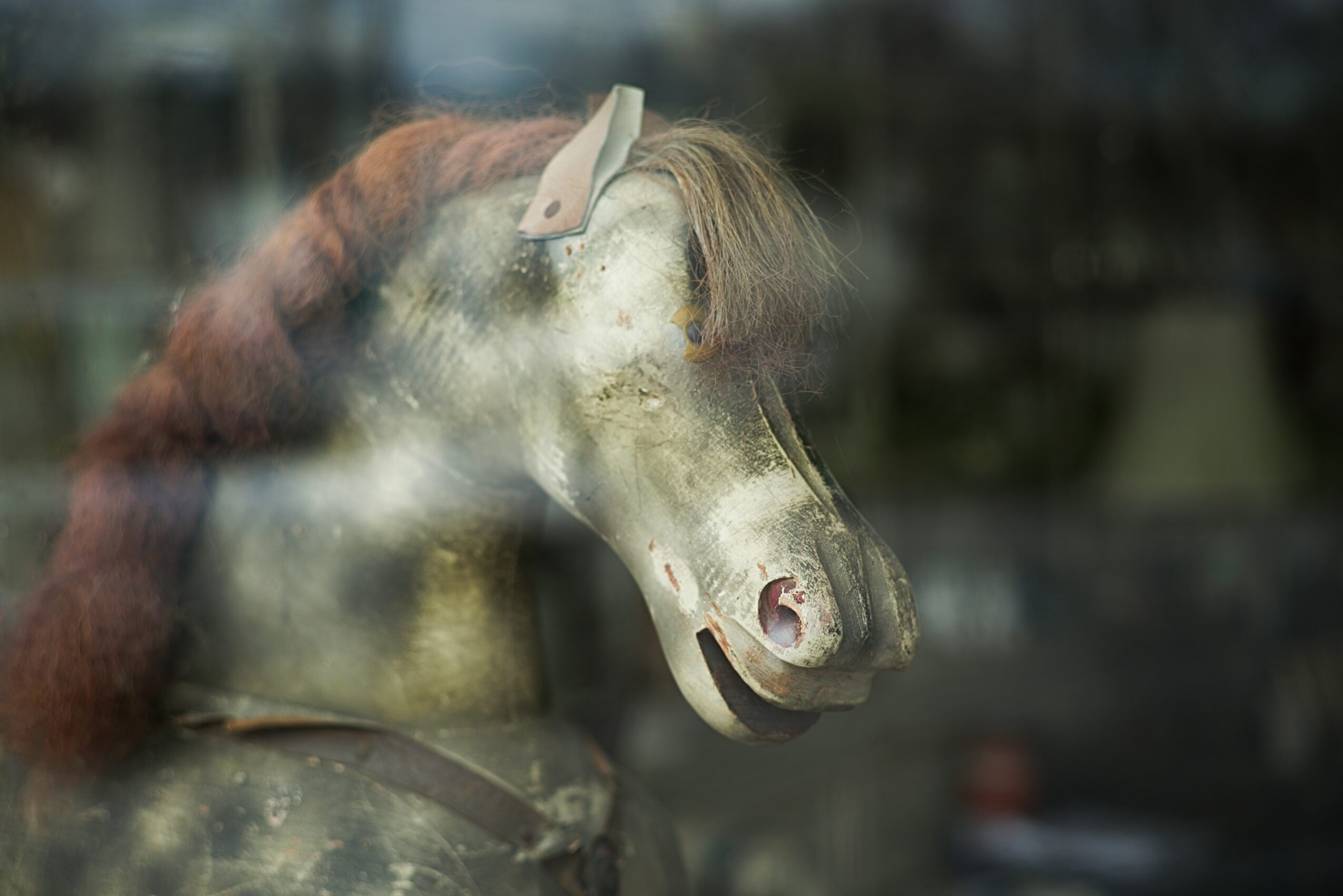
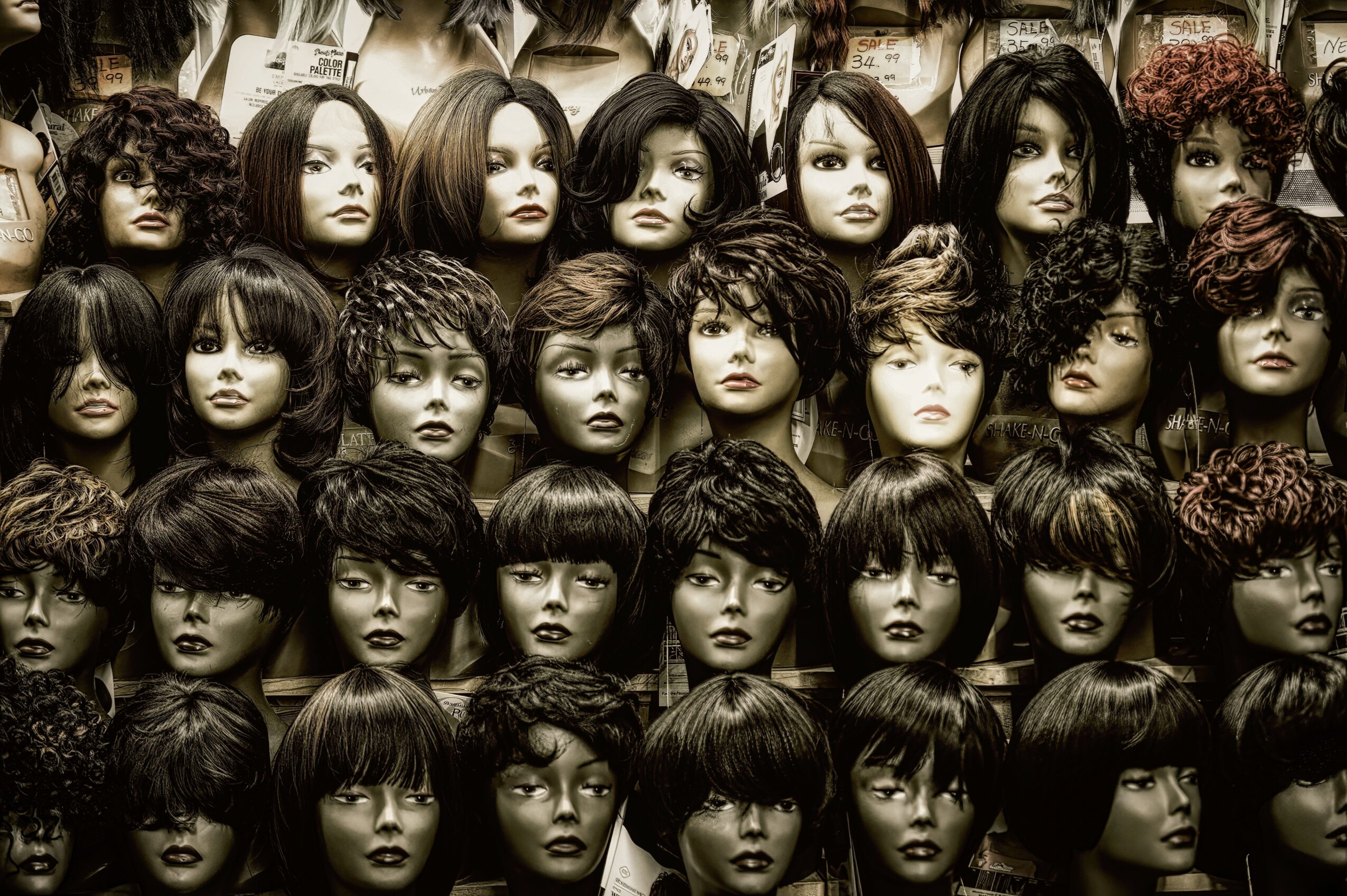
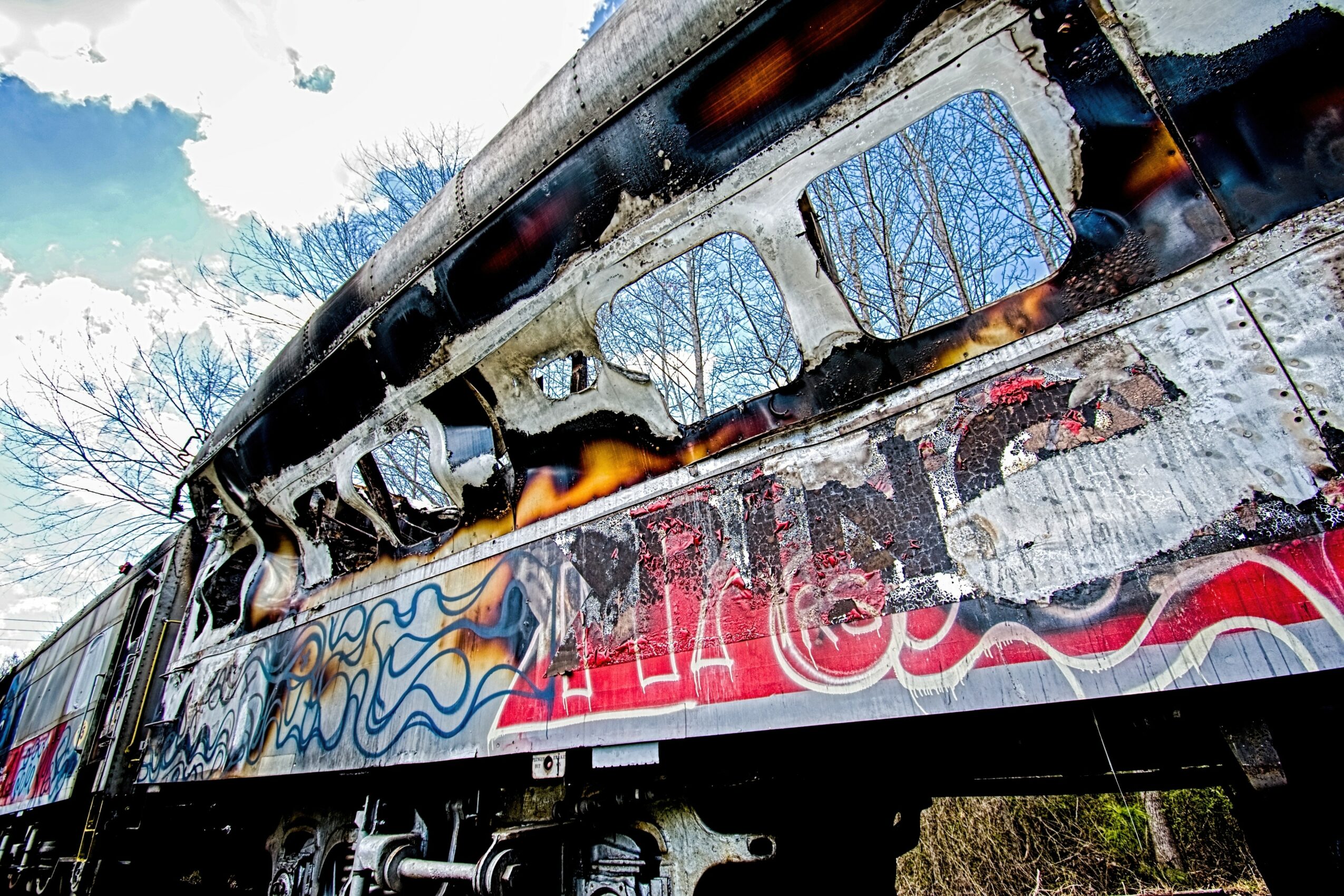
I work primarily with people and places – which I know is very broad and vague, but if there is anything that unifies it, I am primarily drawn towards objects that will not be the same the next time I have the opportunity to see them again, if I do ever have a second opportunity- those things that age, wear, evolve, or tear – or disappear.
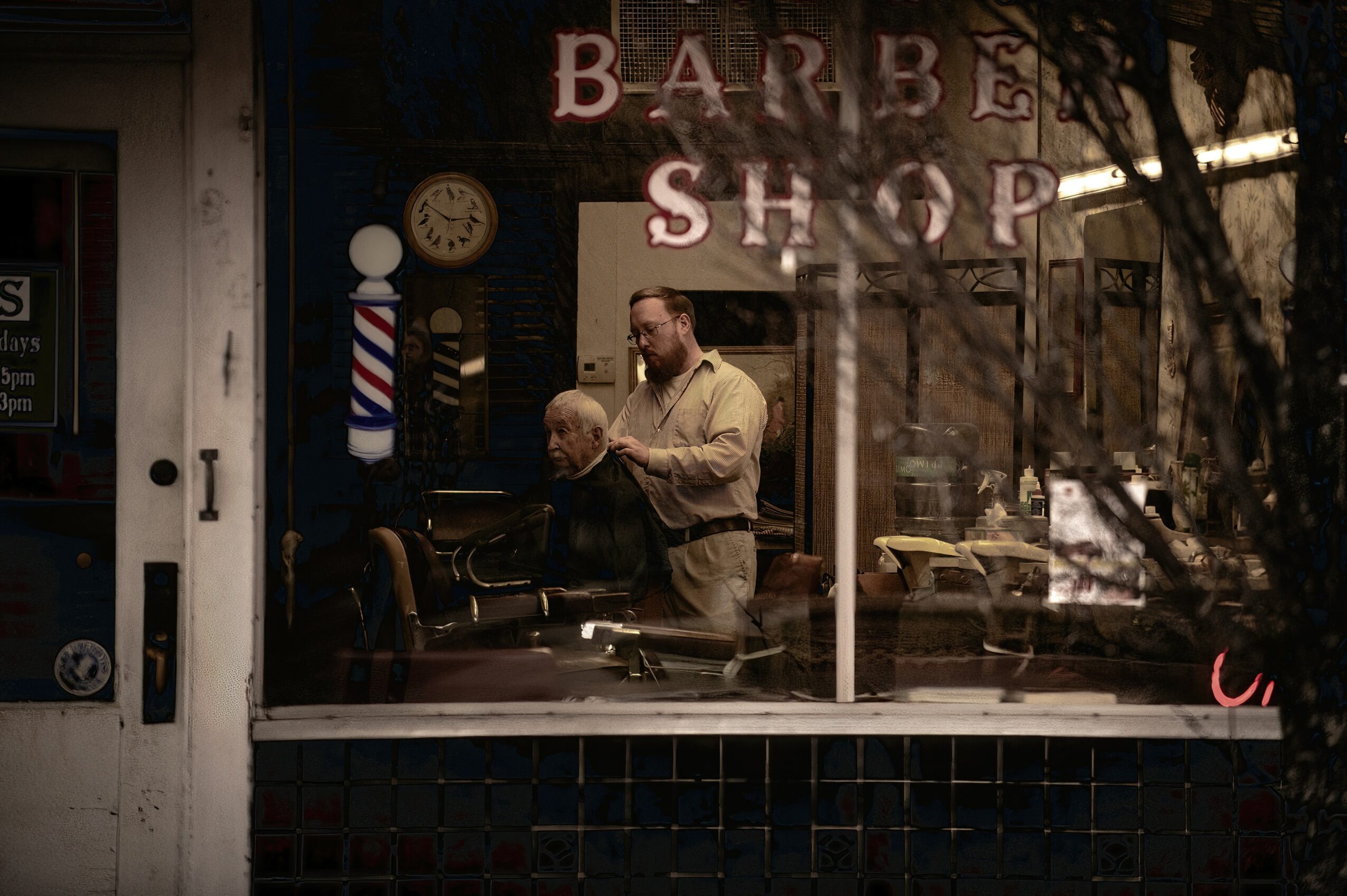
Storefronts, shopping centers, tobacco barns, diners, shoe repair shops – there are a million things that you can find along or adjacent to the highways throughout the states – and with a good GPS – a million towns, hamlets, municipalities that still contain wonders far gone. I found certainly found hundreds in North Carolina alone – and a place like LA – surprisingly enough – holds on to so much, even though there is a future tense aspect to so much of it – but the hold is fragile, and the changes can be dramatic. It’s nice to document them so that we can continue to have them in a small but meaningful way in our lives.
One of my first personal projects involved taking photographs of a gigantic billboard that was slowly coming apart in Alamance County. It was silver and beautiful. I decided that I would return every week to monitor and photograph its progress/distress. When I returned a week later, it was an empty field. I quickly learned that as a photographer of change you have to step lively, and step often.
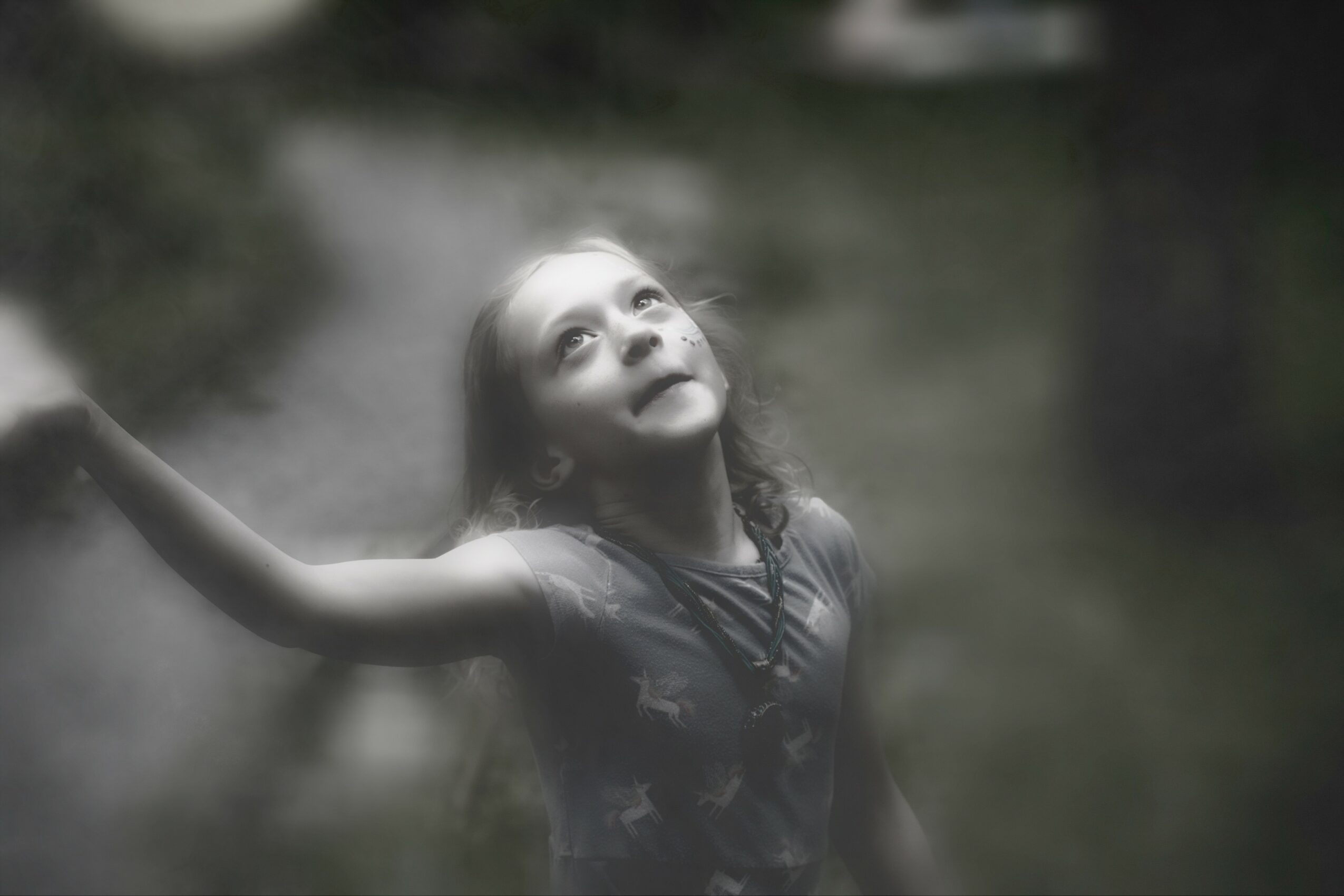
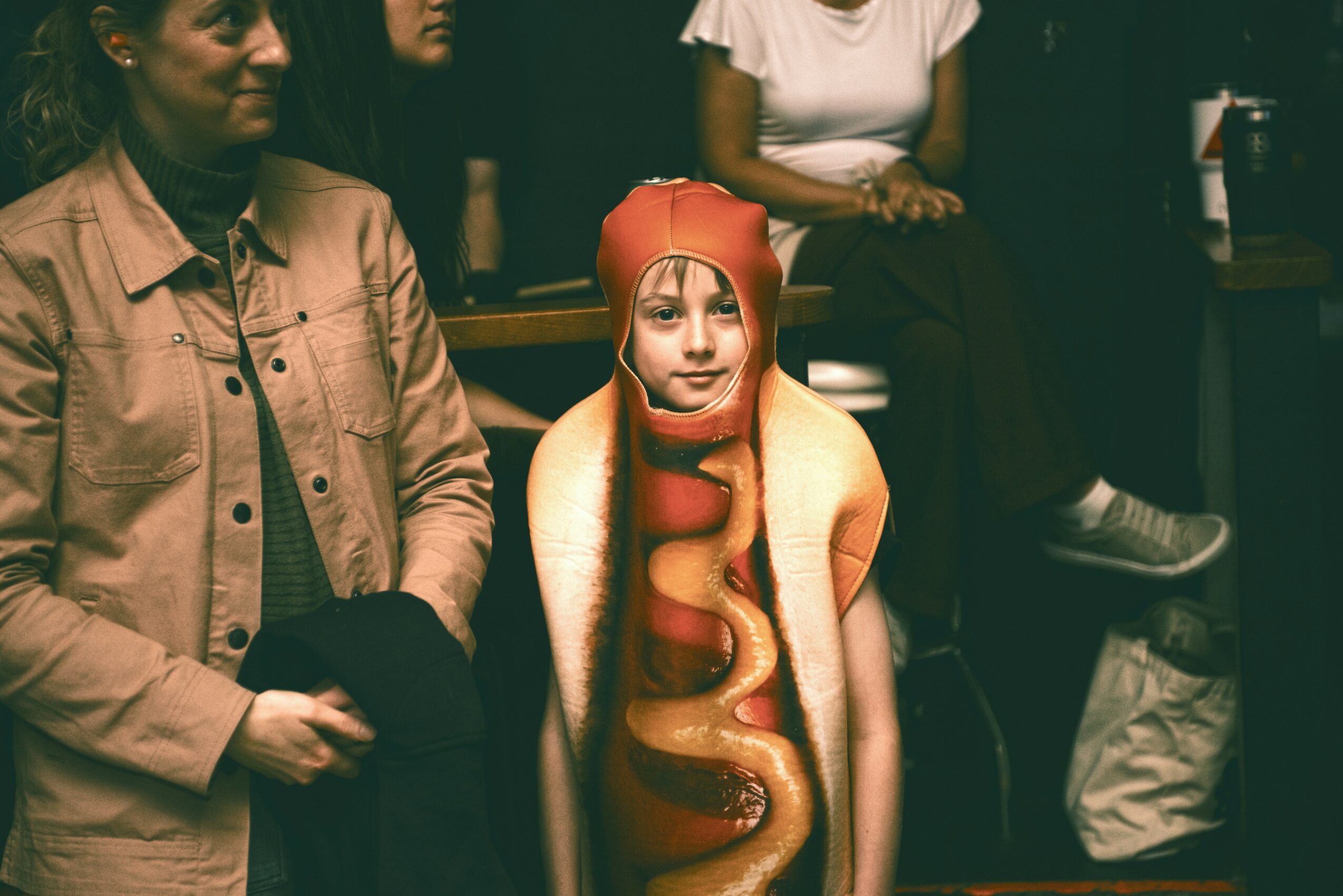
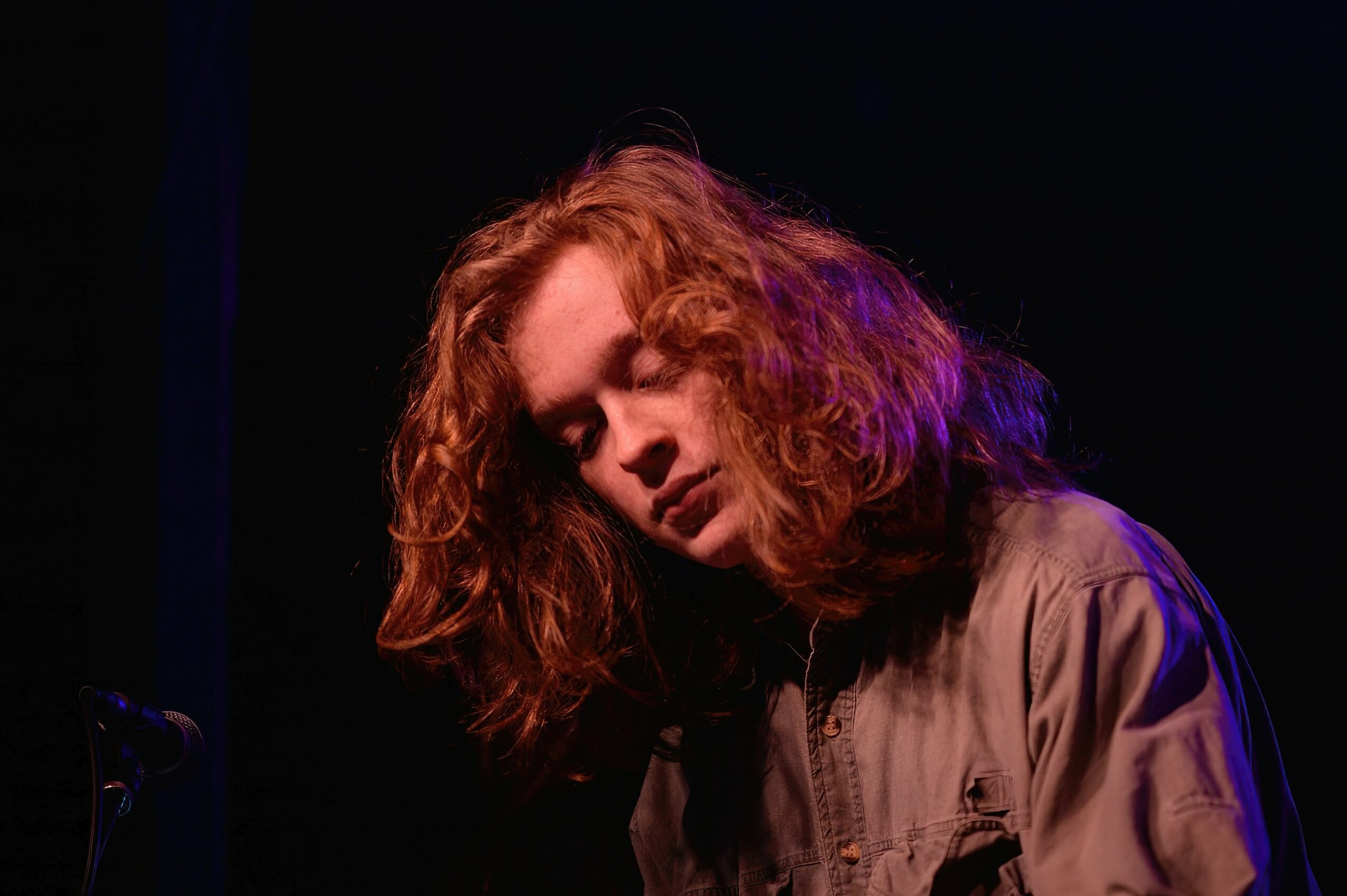
Children are similar in a way. I have worked with School of Rock for about four years now, and even though that is a short amount of time (in life) I am astounded by the way kids evolve – sometimes dramatically – in the course of six months, a year, or two. Of course what is beautiful about this (beyond the amazement of seeing their journey towards grown-upness) is that they also self-modify – clothes, style, hair, accessories of all sorts, general stabs at amazing degrees of outlandishness – all worth applauding. Even though these kids are literally playing to an audience, they are really just testing out themselves in the world – and willing to take all sorts of daring and wonderful risks in doing so – in a word, they don’t care – in the absolute best of ways, and producing all sorts of great wonder along the way.
For subjects that are elastic and daring, kids, even teenagers, are about the best – and much older adults run a close second. Eastern Europeans are third, or perhaps a photo finish for first for all three.
As for my style – I really have little self-awareness about that, although I have been told that my style is recognizable (I sometimes worry that this might mean I really don’t evolve very much!) It’s probably easier to say what kind of photography – or aesthetic – I am drawn to – and that would be soft colors, motion, blur, the realism of a moment captured in the act, inviting stillness, a photograph that is almost edible – and I am thinking of color now – something that you might eat, like a parfait. Softer colors, distortions, errors, fragile color grades, and more like the feeling the image generates that the image that actually is captured is what my goal seems to be at the present.
I feel best about my work when it reflects what the impression of the day, or the subject, or the emotion of the experience, rather than the clinical data of the moment. I feel like my favorite photographers (like Billy Dinh, Mary Ellen Mark, Dolores Marat) do just that. Creating work that welcomes the viewer into it, and an imagined yet tangible world, where there is a place for their imagination to continue the conversation that the photograph begins.
Do you any memories from childhood that you can share with us?
At my time and place in life, there are so many lovely memories that I hold on to, and many of them seem to melt together into one super childhood Saturday – eating chocolate thumbprint cookies at the bakery, buying 45’s at the 5 & 10, staring for hours at old books and beautiful, glamorous magazines in a library that (seemed to be) made of coral rock, watching all-day Saturday kiddie movies (it seems, inevitably, with one Don Knotts movie – usually THE GHOST AND MR CHICKEN) – in the company of a whole lot of wisecracker kiddies screaming and bouncing up and down and Milk Duds and popcorn that ended up in the air as often as not.
In terms of photographic childhood memories – and a bit later (at 14) I attended the same high school as my Dad did – the school had been around for over two hundred years. He played Varsity LaCrosse and his team photo was mounted along with a consecutive run of hundreds of photos dating back to the turn of the century, along the indoor pathway to the gym. I missed my Dad and it was great to see his 18 year old self every afternoon (twice in fact, back and forth) along the passageway. And I was also mesmerized by the image of his coach, back row, in the photos – so many of the coaches served at the school for thirty, forty years or more – every day I watched them age year by year as I walked by, and on the way back would see them become younger and younger, until suddenly one year they disappeared, and were replaced by a whole new face, aging year by year, back and forth as well.
Pricing:
- $75.00 (Flash Session)
- $100 (Hourly)
- $250 (Half Day – 4 hours)
- $400 (Full Day – 8 hours +)
Contact Info:
- Website: www.rickygarni.squarespace.com
- Instagram: @richardparkgarni (https://www.instagram.com/richardpgarni/)
- Facebook: https://www.facebook.com/ricky.garni/
- LinkedIn: https://www.linkedin.com/in/ricky-garni-30a40731/